Tomo Sushi & Ramen
Our verdict
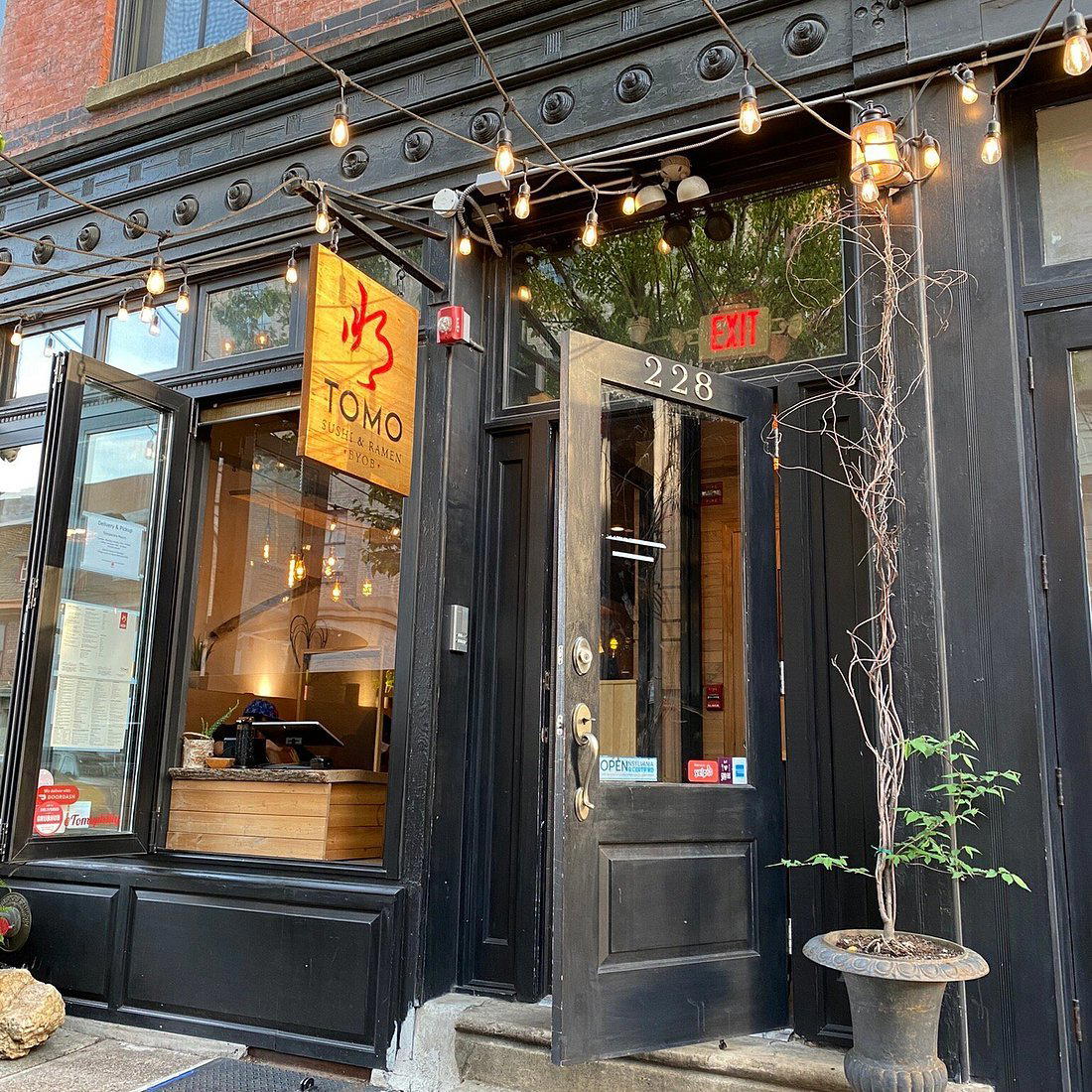
Tomo Sushi & Ramen occupies a corner of Old City Philadelphia at 228 Arch Street, placing it within one of the city's most historically layered and tourist-trafficked neighbourhoods. The restaurant sits in a part of town where quick-service and sit-down dining compete for the same foot traffic, making it a practical choice for visitors and locals navigating the area between Independence Hall and the Delaware waterfront.

Pearl is the En Primeur Club membership app — saves, bookings, and concierge access live there. Same editors, same standards.
- Address
- 228 Arch St, Philadelphia, PA 19106
- Phone
- (267) 519-0209
- Hours
- Mon ClosedTue–Thu 3–9:30 PMFri–Sat 3–10:30 PMSun 3–9:30 PM
- Website
- tomosushiandramen.com
- Directions
- Get directions
- Booking
- Book on OpenTable
The menu
What to order
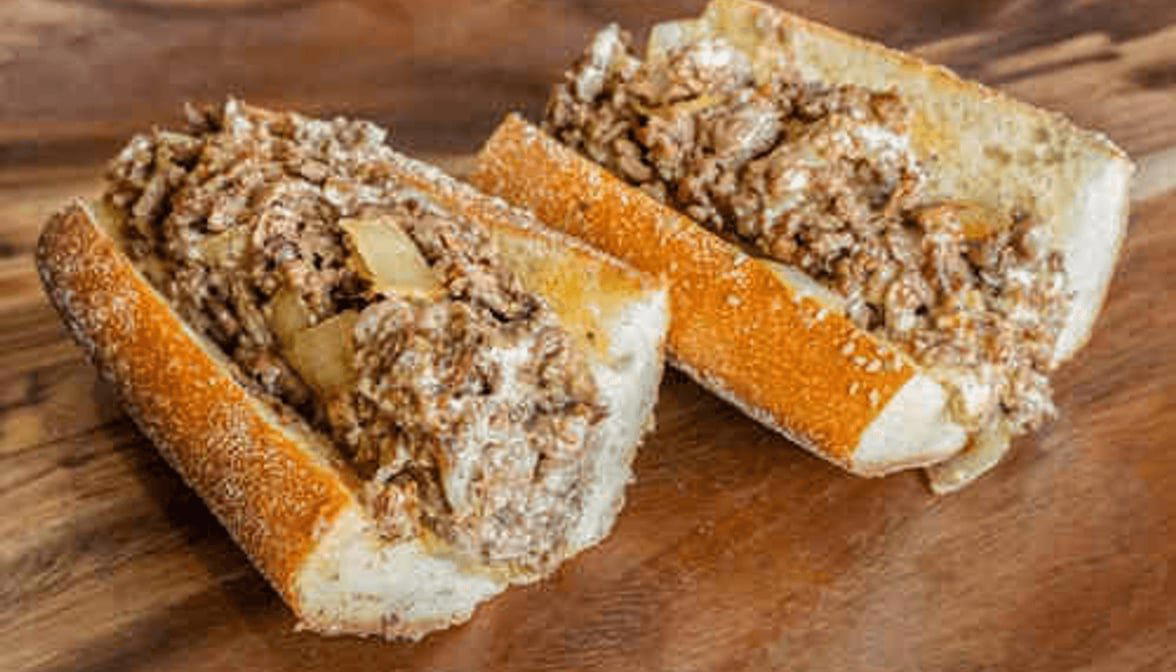
- Tomo Roll
- Philly Special
- Tonkotsu Ramen
Old City, Old Patterns: Where Arch Street Meets the Japanese Counter
Old City Philadelphia is a neighbourhood defined by contrast. The blocks around Arch and Market Streets carry the weight of American history — cobblestones, Federal-era facades, museum queues — while simultaneously hosting some of the city's most transient dining foot traffic. Tourists move between Independence Hall and the Liberty Bell; gallery-goers drift through First Fridays; office workers cut through on lunch breaks. Into this mix, Japanese restaurants in the neighbourhood tend to operate in one of two registers: the high-volume, tourist-facing model built around familiarity and speed, or the quieter, neighbourhood-anchored format that earns repeat local custom. Tomo Sushi and Ramen, at 228 Arch Street, occupies that second zone of Old City dining.
Philadelphia's Japanese dining scene has matured considerably over the past decade. The city doesn't carry the omakase density of New York or the ramen-bar culture of Los Angeles, but it has developed a working mid-tier of Japanese kitchens that serve the city's sizeable professional and student population. That tier is defined less by Michelin recognition, Philadelphia's relationship with the guide has historically been limited, and more by neighbourhood loyalty, consistency, and the kind of word-of-mouth that keeps tables turning on weeknights. Tomo fits that pattern at 228 Arch, a street that connects the historic district's core to the residential pockets north of Market.
The Setting and What It Signals
Arch Street in Old City is not the neighbourhood's most polished corridor. It runs parallel to the more tourist-centric Market Street and the dining-heavier stretches of Chestnut, which means the restaurants that succeed here do so on local merit rather than foot-traffic capture alone. A Japanese kitchen at this address is working against the grain of Old City's more performative hospitality economy, and that positioning tells you something about the venue's orientation: it is not primarily selling the neighbourhood's history, it is selling the food.
The broader Old City restaurant picture includes a mix of formats. Fork and Friday Saturday Sunday represent the New American fine-dining tradition that the city has developed most fully, while spots like Kalaya and Mawn have pushed Southeast and South Asian cooking to the centre of Philadelphia's culinary conversation. Against that backdrop, a sushi and ramen house on Arch Street represents a quieter category, consistent, familiar in format, useful rather than destination-driven. That is not a criticism. Philadelphia needs restaurants that function as reliable weekly anchors as much as it needs the tasting-menu prestige of My Loup.
Sushi and Ramen as a Combined Format
The pairing of sushi and ramen under one roof is a common format in American Japanese restaurants, and it reflects a practical reality of the mid-market: neither category alone can sustain a full-spectrum lunch and dinner service in most non-coastal, non-major-market cities. Philadelphia sits in the middle of that range, large enough to support specialists, but with a dining population that also rewards the generalist format. The dual-format model allows a kitchen to serve the quick-lunch ramen customer at noon and the more leisurely sushi order in the evening, without requiring two separate spaces or two separate teams.
For comparison, the kind of hyper-specialisation you see at Michelin-starred Japanese counters, the single-minded focus of a kaiseki kitchen or an omakase counter like those that inform the menus at Atomix in New York, operates at a different price point, scale, and expectation entirely. Tomo is not competing in that tier. It sits closer to the category that feeds the city's day-to-day Japanese dining demand: approachable, neighbourhood-accessible, priced for repeat visits. That category has its own standards and its own loyalists.
For readers who want to understand where Philadelphia's Japanese mid-tier sits relative to the national conversation about serious Japanese cooking, it's useful to look at the ambition of venues like Le Bernardin in New York or the farm-driven tasting formats of Single Thread Farm in Healdsburg, not because Tomo is in that tier, but because understanding the range clarifies what the mid-market is actually doing, and why it matters on its own terms.
Visiting: What to Expect from the Old City Location
Old City has its own rhythms. Weekday lunches in the area attract office workers from the surrounding blocks and visitors to the historical sites; weekend evenings pull a gallery crowd and neighbourhood residents from Society Hill and Washington Square West. A Japanese restaurant at 228 Arch is well-positioned for both patterns. The address is walkable from the major Old City transit stops and sits within easy reach of the Delaware waterfront, which has seen renewed foot traffic with the development of the Penn's Landing area.
For context against comparable casual formats in the city: Philadelphia's mid-market dining scene, the tier occupied by spots like Barbuzzo on 13th Street or Federal Donuts across its multiple locations, operates on relatively accessible price points and without the advance-booking pressure of the tasting-menu circuit.
Planning Comparison: Old City Casual Dining Options
| Venue | Cuisine | Format | Neighbourhood |
|---|---|---|---|
| Tomo Sushi & Ramen | Japanese (Sushi / Ramen) | Casual sit-down | Old City (Arch St) |
| Fork | New American | Upscale sit-down | Old City |
| Kalaya | Thai | Casual-upscale | Fishtown |
| Mawn | Cambodian / Pan-Asian | Casual sit-down | Fishtown |
| My Loup | French-Inspired | Fine dining | Center City |
For a broader view of where Tomo sits within the city's full dining picture, see our full Philadelphia restaurants guide. For readers curious about the national reference points that define serious American dining, our coverage includes Alinea in Chicago, The French Laundry in Napa, Blue Hill at Stone Barns in Tarrytown, Providence in Los Angeles, Addison in San Diego, The Inn at Little Washington, Lazy Bear in San Francisco, Emeril's in New Orleans, and 8½ Otto e Mezzo Bombana in Hong Kong.
Frequently asked questions
Is Tomo Sushi & Ramen okay with children?
The sushi-and-ramen format at Tomo is generally accommodating for families — ramen bowls and straightforward maki rolls are the kind of approachable options children tend to accept. Old City draws a mixed crowd of tourists and local families, particularly on weekends, so the neighbourhood context suggests the restaurant sees a range of ages.
Is Tomo Sushi & Ramen formal or casual?
Tomo operates in the mid-market Japanese format common across American cities — think counter seating and a menu that spans both sushi and ramen, which signals a casual rather than ceremonial dining experience. The Arch Street address in Old City places it alongside neighbourhood spots rather than white-tablecloth dining rooms. No dress code is documented for the venue.
What makes Tomo Sushi & Ramen different from other Japanese restaurants in Philadelphia?
Tomo's address at 228 Arch St places it in Old City, a neighbourhood where Japanese restaurants are relatively sparse compared to the denser dining corridors around Rittenhouse Square or Washington Avenue. The dual sushi-and-ramen format under one roof means it serves both a quick ramen lunch crowd and an evening sushi audience — a practical combination that distinguishes it from single-format Japanese counters elsewhere in Philadelphia.
What do people recommend at Tomo Sushi & Ramen?
Restaurants combining sushi and ramen in this format typically draw repeat visits for both sides of the menu — the two formats attract different cravings and different dayparts. Checking recent visitor reviews closer to your trip will give the most current picture of what's performing well.
What's Tomo Sushi & Ramen's location?
Tomo Sushi & Ramen is located at 228 Arch St, Philadelphia, PA 19106, Philadelphia.
How far ahead should I plan for Tomo Sushi & Ramen?
Old City Philadelphia follows predictable patterns — weekday lunches are driven by office workers and history-site visitors, while weekend evenings fill up across the neighbourhood. Arriving early or checking in advance on any same-day availability is a reasonable approach for weekend visits.
Category Peers
Comparable venues nearby, for context on price, style, and recognition.
| Venue | Cuisine | Price | Notes |
|---|---|---|---|
| Tomo Sushi & RamenThis venue — the venue you are viewing | Japanese Sushi & Ramen | $20–30 | Not listed |
| Kinme | Creative Sushi Rolls | $30–50 | Washington Square West |
| Kotosushi | Japanese Sushi & Hibachi | $20–30 | Old City |
| Zama | Modern Japanese Sushi & Omakase | $30–50 | Rittenhouse Square |
| Talula's Daily | Seasonal American Tasting Menu | $50–100 | Society Hill |
| Fitzon4th | Modern Vegan Tapas | $30–50 | Tattoo Alley |