Our verdict
A Hut at the Threshold of Serious Mountain Cooking The Sölktäler valley in the Niedere Tauern sits at an altitude where the logic of Austrian mountain hospitality becomes legible in its oldest form. Farmsteads and alpine huts here preceded the...

Pearl is the En Primeur Club membership app, where members save venues, book tables and use the concierge.
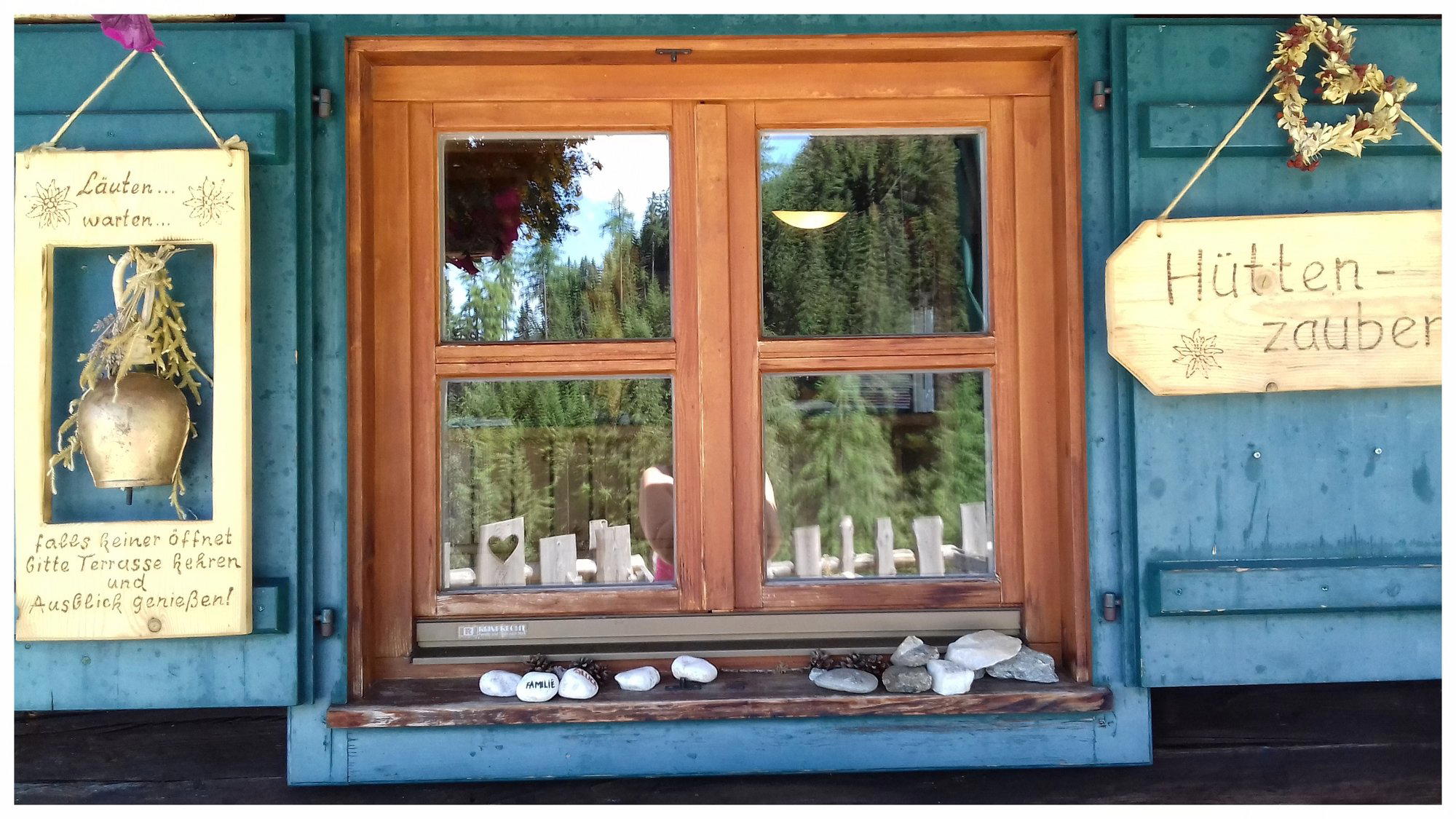
A Hut at the Threshold of Serious Mountain Cooking
The Sölktäler valley in the Niedere Tauern sits at an altitude where the logic of Austrian mountain hospitality becomes legible in its oldest form. Farmsteads and alpine huts here preceded the hotel economy by centuries, and the culinary register they established, built on preserved meats, root vegetables, dairy from summer pastures, and grain breads with genuine texture, remains the honest baseline against which every elevation of the tradition is measured. Schönwetterhütte, addressed at Großsölk in the 8961 postcode, operates within that geography, carrying a name that translates loosely as the fair-weather hut, a designation that speaks to the seasonal rhythms these establishments have always observed.
The hut format across the Austrian Alps has split over the past two decades into distinct tiers. At one end sit the large, car-accessible mountain restaurants with printed menus in six languages and industrial kitchens. At the other are smaller, often seasonally operated huts that function as extensions of a farming economy, where the sourcing radius is measured in walking distance rather than supply-chain logistics. Schönwetterhütte sits in the latter category by geography if not by precise documented classification. The Sölk valley has a long history of summer alpine farming, and the huts that operate here tend to reflect that slower, more deliberate approach to feeding visitors.
The Cultural Weight of Hüttenkultur
To understand any alpine hut in the Niedere Tauern is to understand Hüttenkultur, the term Austrians use for the social and culinary rituals that cluster around mountain shelters. This is not nostalgia for its own sake. The hut meal in this tradition has specific parameters: heavy on warming soups, on cheese and cured meat boards assembled from valley producers, on Knödel made with Tyrolean or Styrian technique depending on which side of the regional boundary you are on. In the Sölk context, Styrian influence is primary. That means pumpkin-seed oil, more strong preparations of pork, and dairy products from Ennstal-region farms that supply much of the upper Mur valley.
The broader Austrian fine-dining scene, represented by addresses such as Steirereck im Stadtpark in Vienna or Döllerer in Golling an der Salzach, has spent the last decade recontextualising exactly these alpine and rural Styrian ingredients inside modern European technique. What the huts of the Sölktäler still offer, by contrast, is the source material without transformation. The dairy, the smoked meats, the hand-formed dumplings: they arrive here without the mediation of a creative kitchen. That unmediated quality carries its own authority.
Setting the Scene: Großsölk and the Surrounding Valley
Großsölk sits in the upper part of the Sölktal, a UNESCO-recognised biosphere reserve that limits industrial development and protects a range of Larch forests, summer alpine meadows, and high plateau terrain. The valley is accessible from Schladming to the north and from the Mur valley to the south via the Sölkpass, a mountain road that closes seasonally. That physical access pattern is not incidental: it shapes the visitor profile. The Sölktäler does not receive the mass ski tourism of Ischgl or St. Anton. Its visitors tend to arrive in summer for hiking and in smaller numbers for winter cross-country and ski touring, which means the hospitality economy here operates on a different seasonal logic than the western Tirol.
For context on how alpine dining operates at the higher end of the Austrian mountain spectrum, addresses such as Griggeler Stuba in Lech and Gourmetrestaurant Tannenhof in Sankt Anton am Arlberg represent the ski-resort pole of the spectrum, where Michelin recognition and elaborate tasting menus coexist with mountain settings. The Sölktäler sits at the opposite end of that axis, where the emphasis is on access to landscape over gastronomic programming.
Planning a Visit to Schönwetterhütte
Alpine huts in this valley typically operate from late spring through early autumn, with the precise window depending on snowpack and path accessibility. Contacting the local tourism office in Sölk or checking with the Schladming-Dachstein tourism board before making a dedicated journey is the practical step here. That verification burden is itself characteristic of the tier: huts at this altitude and in valleys this quiet rarely maintain the same digital infrastructure as urban restaurants or ski-resort dining rooms.
The surrounding area offers enough depth to justify a multi-day stay regardless. The Sölktäler Naturpark has marked hiking circuits across three difficulty grades, and the Kleinsölk and Großsölk valleys are navigable on foot from a single base. The nearby Kaltenbachalm provides a confirmed reference point for the valley's dining offer. For a broader map of where Schönwetterhütte sits within the Solk restaurant picture, our full Solk restaurants guide provides the comparative framework.
How This Fits the Wider Austrian Alpine Scene
Austrian alpine dining has enough range to justify genuine comparison. At the creative and urban end, Ikarus in Salzburg runs a rotating guest-chef model that has made it one of the most programmatically ambitious restaurants in the country. Kräuterreich by Vitus Winkler in Sankt Veit im Pongau represents the herb-led, alpine-ingredient approach in a more refined register. Further afield, Landhaus Bacher in Mautern an der Donau, Obauer in Werfen, and Taubenkobel in Schützen am Gebirge each anchor a regional identity through a sustained approach to Austrian produce in a classical or contemporary frame.
The hut sits in none of those creative tiers, nor does it try to. The Schönwetterhütte address exists as part of a more foundational layer of the alpine food economy, the one that those creative kitchens look back toward for source material and reference. Diners who have eaten through the Schwarzer Adler in Hall in Tirol or the Stüva in Ischgl will find the register here very different. The contrast has its own value. So does the valley.
For readers curious about the broader geography of creative mountain dining across Austria, Ois in Neufelden, Restaurant 141 by Joachim Jaud in Mieming, and Artis in Graz each stake out a distinct regional position worth mapping. And for those whose reference points extend further, the technical ambition of Le Bernardin in New York City or the precision of Atomix in New York City underline just how wide the global dining spectrum runs from this small valley in the Niedere Tauern.
Frequently asked questions
What part of town is Schönwetterhütte in?
Schönwetterhütte is located at 8961 Großsölk, Austria, Solk.
What should I order at Schönwetterhütte?
Schönwetterhütte sits in the Großsölk area of the Sölktal, a UNESCO-recognised biosphere reserve, so expect the kitchen to draw on valley-sourced ingredients consistent with Hüttenkultur tradition. Alpine huts in the Niedere Tauern typically centre on warming dishes such as Gulasch, Käsespätzle, and hearty soups built for hikers returning from altitude. Confirmed menu details are not currently available, so checking directly with the hut before arrival is advisable.
Should I book Schönwetterhütte in advance?
Schönwetterhütte is located at 8961 Großsölk in the upper Sölktal, a valley that draws serious walkers and cyclists during peak summer months. Alpine huts in this region regularly fill during fair-weather weekends, and the name Schönwetterhütte itself signals a hut that comes into its own when conditions draw crowds. No booking contact or website is currently documented, so arriving early in the day or making direct enquiries locally is the practical approach.
What has Schönwetterhütte built its reputation on?
The hut's position in Großsölk, within a UNESCO-recognised biosphere reserve in the Niedere Tauern, anchors its identity in a specific tradition of Austrian mountain hospitality rather than any single culinary innovation. Hüttenkultur in the Sölktal prioritises the social and restorative function of the hut: shelter, honest food, and a pause in a working landscape. No formal awards or critical citations are currently recorded for Schönwetterhütte, but that is consistent with how most serious alpine huts in this range operate.
How does Schönwetterhütte handle allergies?
Alpine huts in the Niedere Tauern generally operate with limited kitchen infrastructure compared to valley restaurants, which can restrict substitution options. Communicating specific dietary requirements before arrival is the standard approach for huts in this category.
Does Schönwetterhütte justify its prices?
No price data is currently available for Schönwetterhütte in Großsölk. Across the Niedere Tauern, alpine hut pricing typically reflects the logistical cost of operating at altitude in a protected biosphere reserve, where supply runs are infrequent and seasonal windows are short. In that context, hut prices across the region tend to sit modestly above valley equivalents rather than at resort-destination levels.
Cost Snapshot
| Venue | Cuisine | Price | Awards | Notes |
|---|---|---|---|---|
| SchönwetterhütteThis venue (the venue you are viewing) | Austrian Mountain Hut Fare | Not listed | Not listed | Not listed |
| Steirereck im Stadtpark | Modern Austrian Fine Dining | $200–300 | 3 Michelin Stars · World's 50 Best #33 | Creative |
| Döllerer | Modern Alpine Cuisine | $100–150 | 2 Michelin Stars · La Liste Top Restaurants | Contemporary Austrian, Innovative |
| Ikarus | Guest Chef Fine Dining | $200–300 | 2 Michelin Stars · La Liste Top Restaurants | Modern European, Creative |
| Konstantin Filippou | Modern Fish-Led Fine Dining | $200–300 | 2 Michelin Stars · La Liste Top Restaurants | Modern European, Modern Cuisine |
| Landhaus Bacher | Classic Austrian Fine Dining | $100–150 | 2 Michelin Stars · La Liste Top Restaurants | Austrian, Classic Cuisine |
Continue exploring
More in Solk
Restaurants in Solk
All restaurants in Solk →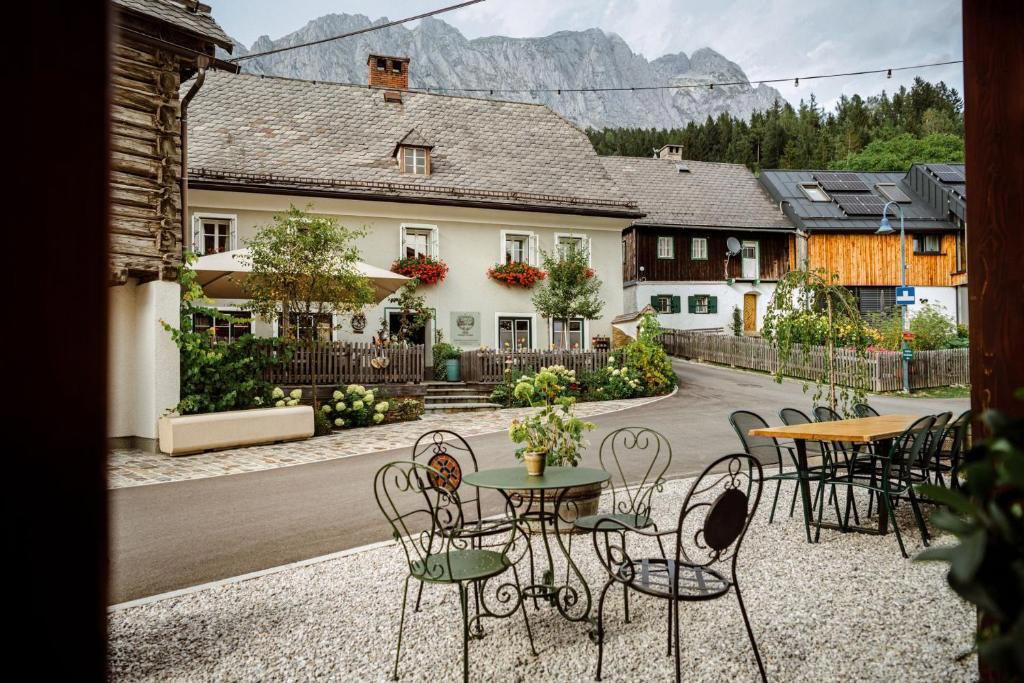
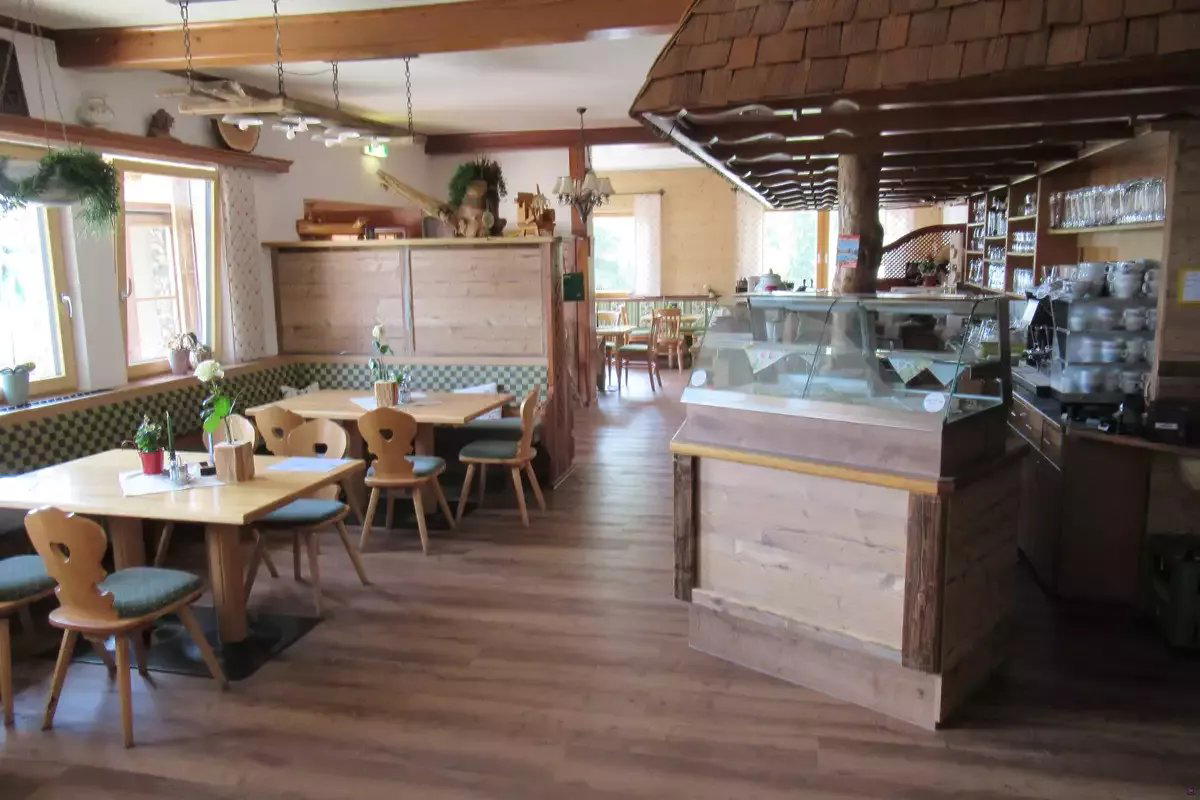
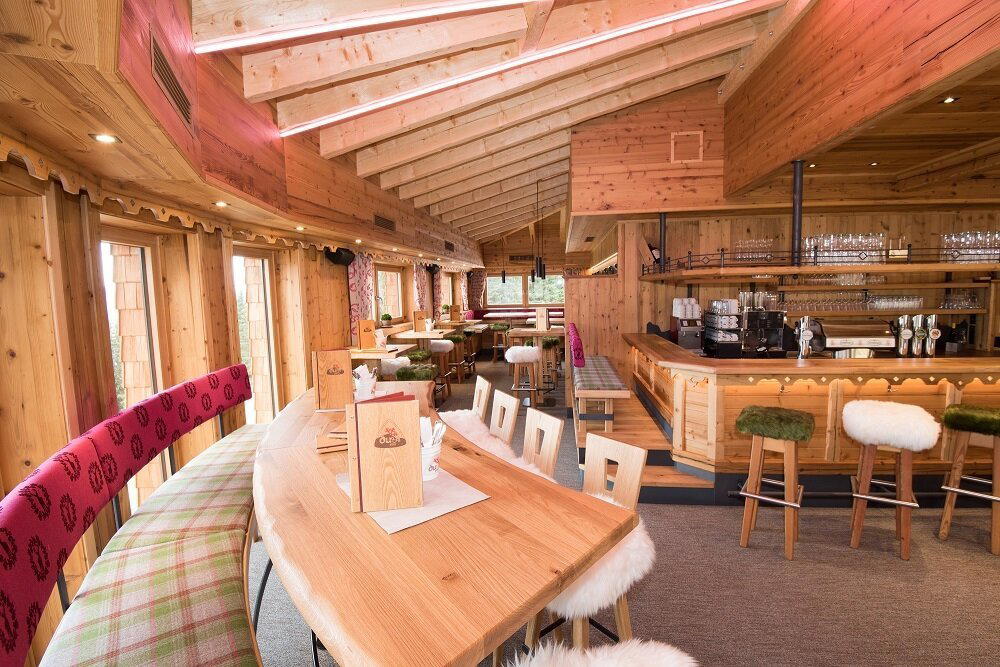
Bars in Solk
Browse all →
Details
- Rustic
- Cozy
- Scenic
- Casual Hangout
- Historic Building
- Mountain
- A La Carte
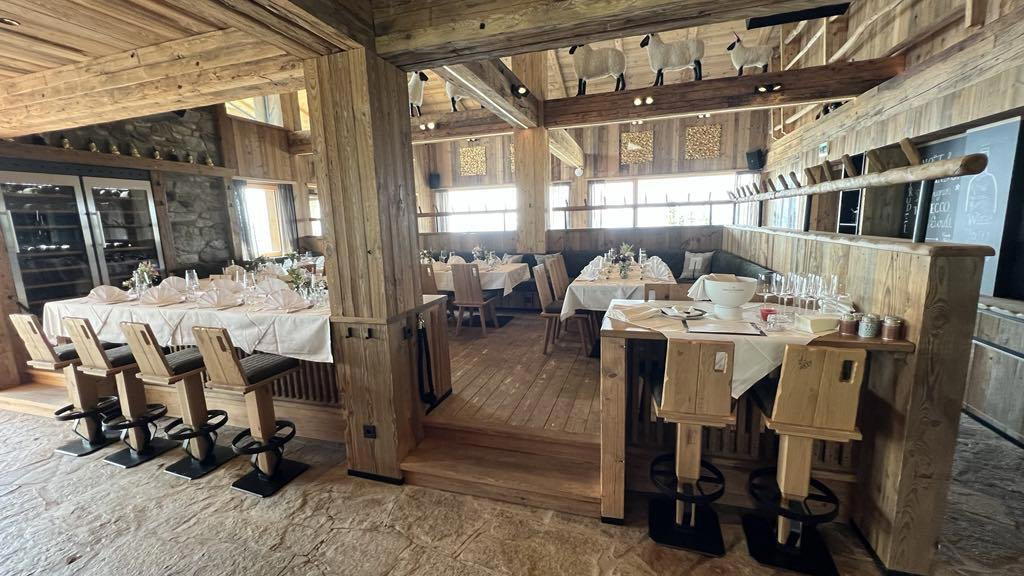
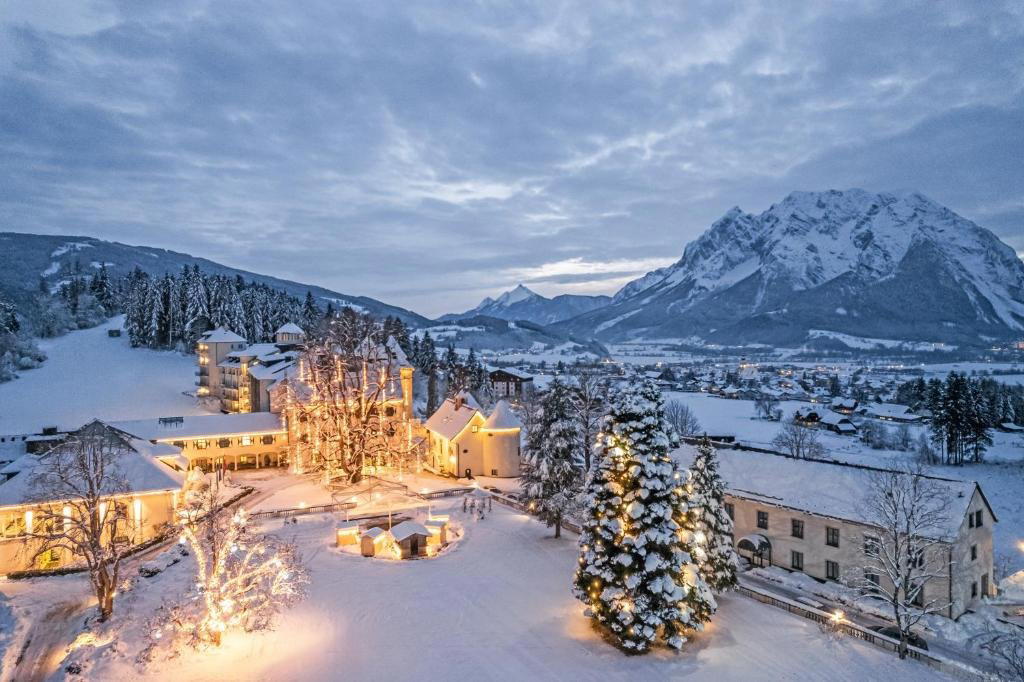
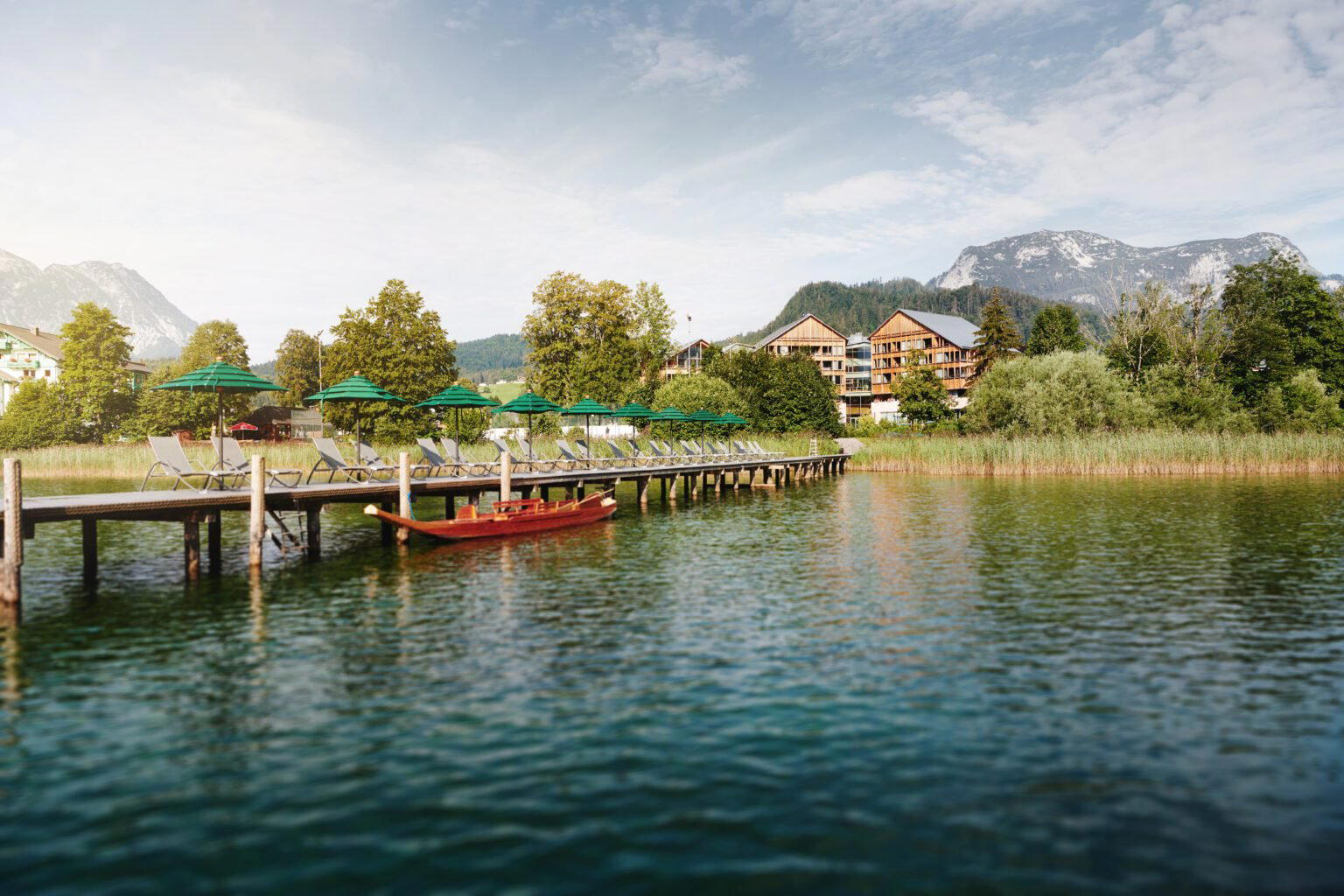
Cozy rustic atmosphere typical of alpine huts with mountain views.