Our verdict
Set in the Sölktal valley of Styria, Kaltenbachalm operates in the tradition of Austrian alpine huts where the sourcing of ingredients and the remoteness of the setting are inseparable from what arrives on the plate. The valley's pastoral character defines the kitchen's logic. Visitors making the journey to St. Nikolai find a dining experience anchored in place rather than performance.

Pearl is the En Primeur Club membership app, where members save venues, book tables and use the concierge.
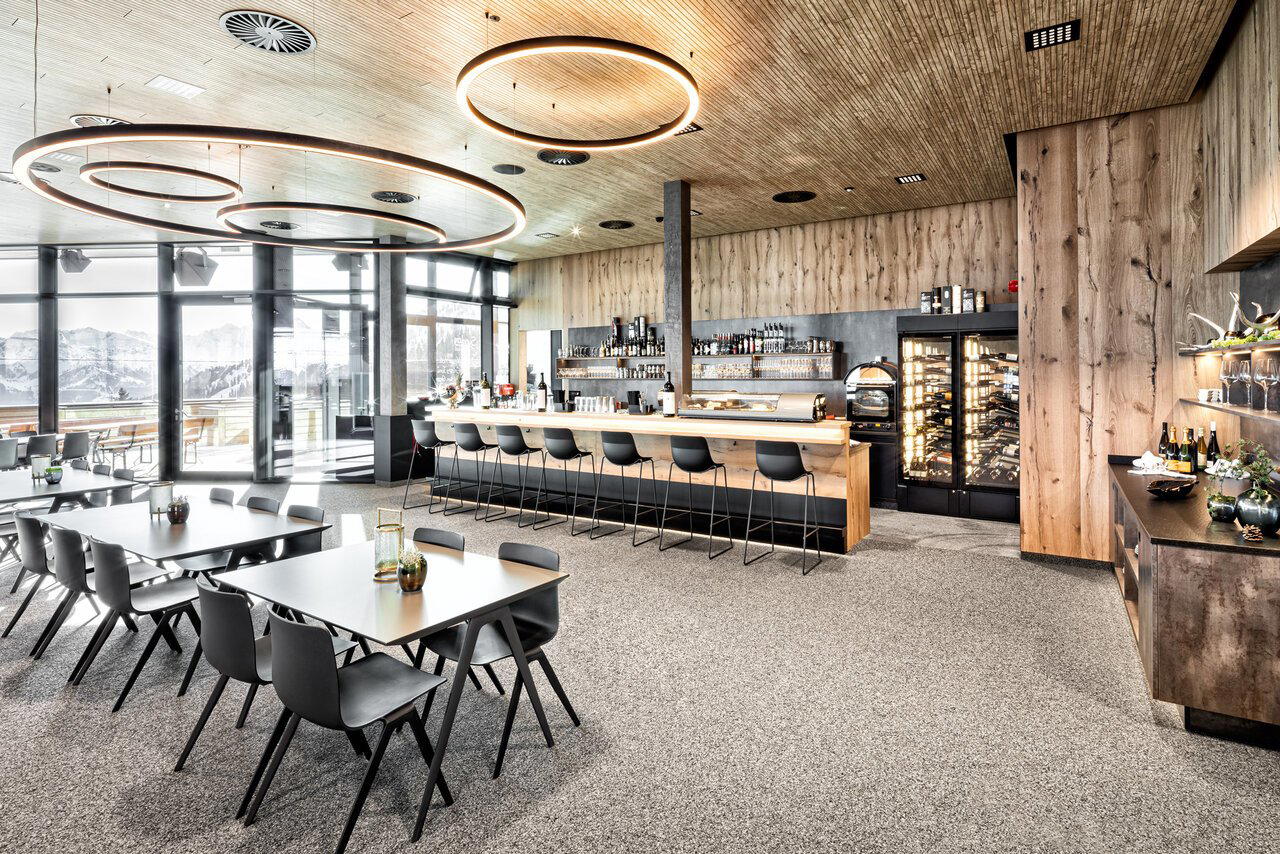
Where the Valley Sets the Menu
The Sölktal is one of Styria's quieter mountain corridors: a long, forested valley running south from the Niedere Tauern range toward the Ennstal, with a handful of hamlets and working alpine farms between the tree lines. St. Nikolai im Sölktal sits at its upper end, far enough from the main Ennstal road that arriving here requires intention. The valley's relative isolation is not incidental to what Kaltenbachalm offers, it is the structural condition that makes this kind of place possible at all.
In alpine Austria, the distinction between a Hütte that serves hikers and an Alm with a genuine kitchen rooted in local production is meaningful. The former exists to fuel passage; the latter exists because the land around it produces something worth cooking. The Sölktal has long supported cattle farming at altitude, dairy traditions, and the kind of small-scale agricultural infrastructure that, in more accessible valleys, has often been absorbed into tourism supply chains. Here, that infrastructure remains closer to the source.
The Sourcing Logic of Alpine Kitchens
Across Austria's mountain regions, the most credible alpine kitchens share a common premise: that altitude, brevity of growing season, and distance from distribution networks force a specificity of sourcing that flatland restaurants can only approximate. The Sölktal operates under those same conditions. Dairy from high-altitude pasture, foraged herbs from the surrounding forest margins, and meat from cattle that graze through a short summer season all carry a character that reflects the geography rather than a procurement catalogue.
This kind of ingredient logic sits at the opposite end of the spectrum from the creative tasting menu format found at Austria's most-decorated urban tables. Steirereck im Stadtpark in Vienna and Döllerer in Golling an der Salzach both build elaborate technical frameworks around regional Austrian produce, but those frameworks require the density of a restaurant operation to sustain them. The Alm kitchen works differently: the sourcing radius is tighter, the preparation more direct, and the seasonal window narrower. Neither approach is inferior, they answer different questions about what Austrian cooking can be.
For comparison, Kräuterreich by Vitus Winkler in Sankt Veit im Pongau and Obauer in Werfen represent the intermediate register, technically accomplished, regionally grounded, but operating within the conventional restaurant structure. Kaltenbachalm belongs to an older, less institutionalised format: the working alpine hut where the kitchen's credibility comes from proximity to production rather than from formal culinary pedigree.
The Sölktal in the Broader Styrian Alpine Context
Styria's culinary reputation has built steadily over the past two decades, driven partly by the international visibility of producers, Styrian pumpkin seed oil, local wine, smoked meats from the mountain valleys, and partly by a generation of chefs who brought technical precision to regional traditions. That recognition has concentrated in Graz and along the main tourist corridors. The Sölktal sits outside that concentration, which means it has retained a character that more trafficked areas have traded away.
Among the alpine experience formats that now operate across Austria's western ranges, from Griggeler Stuba in Lech to Gourmetrestaurant Tannenhof in Sankt Anton am Arlberg and Stüva in Ischgl, the premium tier has converged around a recognisable model: hotel-backed, Michelin-adjacent, technically polished. Kaltenbachalm operates outside that tier entirely, which is precisely the point. The valley's distance from ski infrastructure and international tourism pressure has kept it within a different register of alpine hospitality.
The comparison with Schönwetterhütte, also within the Solk area, is instructive. Both venues draw from the same geographic and agricultural context. The Sölktal's small cluster of similar establishments suggests a local culture of alpine hospitality rather than isolated anomalies, a pattern more common in Styria than in the more heavily commercialised Salzburg or Tirolean mountain regions.
Getting to St. Nikolai and Planning the Visit
The address, St. Nikolai 146, 8961 St. Nikolai im Sölktal, places Kaltenbachalm at the upper end of the valley, accessible by road from Irdning or Niederstuttern off the B320 Ennstal Bundesstraße. The drive through the valley is long enough to make the destination feel genuinely remote without requiring specialist vehicles in dry conditions. Seasonal closures are standard across alpine huts in the region: high summer and the autumn shoulder period represent the reliable open windows, with winter access dependent on snowpack and the specific operation of the hut. Given the absence of published hours and booking information, contacting the venue directly or consulting the Our full Solk restaurants guide before travel is advisable.
For those building a broader Austrian itinerary around serious eating, the Sölktal works as a detour from the main Ennstal corridor rather than a standalone destination. Landhaus Bacher in Mautern an der Donau, Taubenkobel in Schützen am Gebirge, and Artis in Graz all sit within reasonable driving distance of Styria's main arteries and offer a different register of Austrian dining for the same trip. For those approaching from the west, Ikarus in Salzburg and Restaurant 141 by Joachim Jaud in Mieming mark the other end of the Austrian alpine dining spectrum. Schwarzer Adler in Hall in Tirol and Ois in Neufelden complete the range of regional Austrian formats worth knowing. The distance between a Sölktal Alm and the technical ambition of Le Bernardin in New York City or Atomix in New York City is not simply geographic, it reflects a different philosophy about what dining is for.
Frequently asked questions
Does Kaltenbachalm work for a family meal?
The Alm setting in St. Nikolai im Sölktal, at the upper end of a forested mountain valley, suits a relaxed family outing rather than a formal occasion. Alpine huts across the Niedere Tauern region typically run an informal, communal atmosphere that accommodates mixed groups well. That said, visitors planning a family visit should contact Kaltenbachalm directly ahead of time to confirm capacity and any seasonal operating conditions.
What is the atmosphere like at Kaltenbachalm?
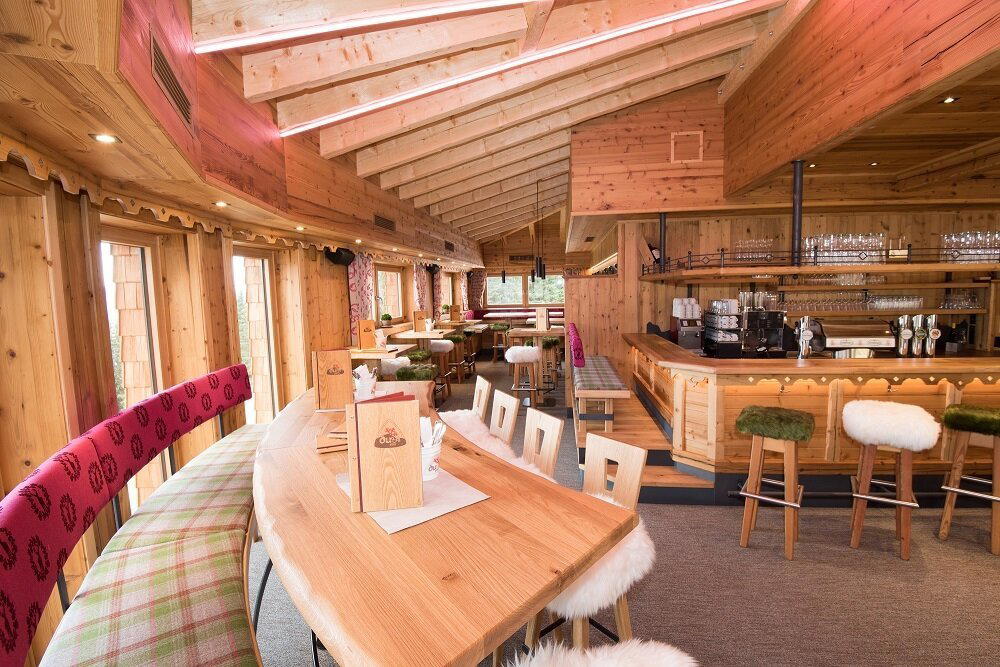
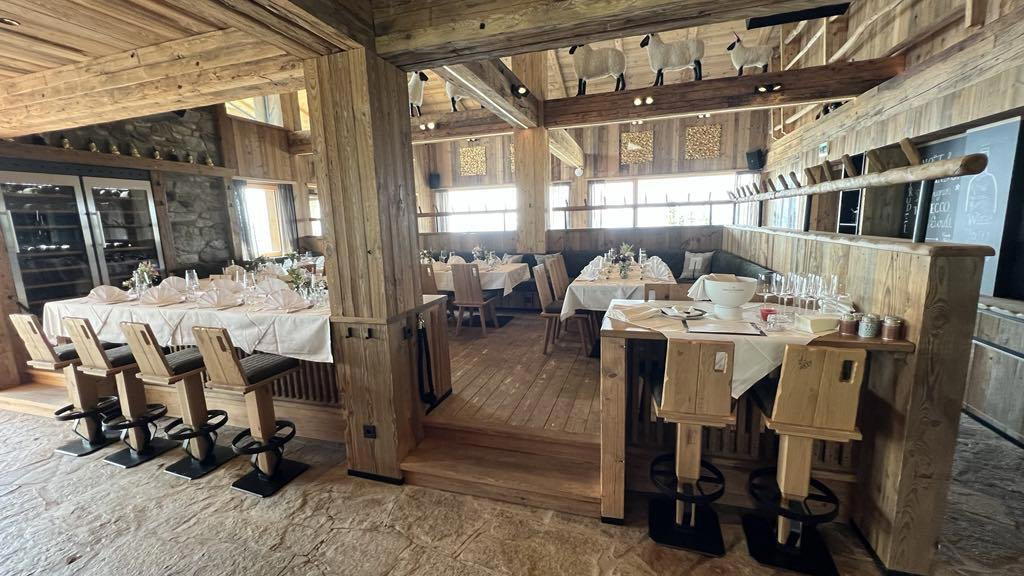
Kaltenbachalm sits at address St. Nikolai 146, deep in the Sölktal, one of Styria's less-trafficked mountain corridors. The setting is defined by the valley itself: forested slopes, distance from main tourist routes, and the unhurried pace that comes with altitude and isolation. Expect the worn-timber warmth typical of traditional Austrian alpine structures, where the surroundings do more atmospheric work than the interior décor.
Is Kaltenbachalm open year-round, and when is the best time to visit the Sölktal?
The Sölktal valley road from Irdning or Neumarkt in Steiermark is most reliably passable from late spring through early autumn. Contacting the venue or the local St. Nikolai im Sölktal tourism office before planning a visit is strongly advised.
What's the must-try dish at Kaltenbachalm?
What the broader Sölktal context suggests is that mountain alms in this part of Styria lean on short-supply-chain produce: dairy, cured meats, and foraged ingredients shaped by a brief growing season.
Where exactly is Kaltenbachalm?
Kaltenbachalm is located at St. Nikolai 146, 8961 St. Nikolai im Sölktal, Austria, Solk.
Do they take walk-ins at Kaltenbachalm?
Alpine alms at the upper end of quiet valleys like the Sölktal often operate on limited seasonal schedules, and turning up without prior contact carries real risk of finding the kitchen closed. Reaching out in advance through local tourism contacts for St. Nikolai im Sölktal is the practical approach.
What's Kaltenbachalm best at?
The venue's location, at the quieter, higher end of the Sölktal in St. Nikolai im Sölktal, positions it as a destination tied to the valley rather than a stop on a broader circuit. Alpine alms in this region of Styria earn their place by anchoring food to place: proximity to pasture, short supply lines, and cooking shaped by what the immediate terrain produces each season. That rootedness in geography is the clearest through-line for what Kaltenbachalm represents.
At-a-Glance Comparison
| Venue | Cuisine | Price | Awards | Notes |
|---|---|---|---|---|
| KaltenbachalmThis venue (the venue you are viewing) | Traditional Austrian Alpine | $10–20 | Not listed | Not listed |
| Steirereck im Stadtpark | Modern Austrian Fine Dining | $200–300 | 3 Michelin Stars · World's 50 Best #33 | Creative |
| Döllerer | Modern Alpine Cuisine | $100–150 | 2 Michelin Stars · La Liste Top Restaurants | Contemporary Austrian, Innovative |
| Ikarus | Guest Chef Fine Dining | $200–300 | 2 Michelin Stars · La Liste Top Restaurants | Modern European, Creative |
| Konstantin Filippou | Modern Fish-Led Fine Dining | $200–300 | 2 Michelin Stars · La Liste Top Restaurants | Modern European, Modern Cuisine |
| Landhaus Bacher | Classic Austrian Fine Dining | $100–150 | 2 Michelin Stars · La Liste Top Restaurants | Austrian, Classic Cuisine |
Continue exploring
More in Solk
Restaurants in Solk
All restaurants in Solk →
Hotels in Solk
Browse all →
Wineries in Solk
Browse all →
Details
- Rustic
- Cozy
- Quiet
- Casual Hangout
- Family
- Group Dining
- Terrace
- Garden
- Local Sourcing
- Mountain
- A La Carte
Gemütlich (cozy) alpine atmosphere with traditional wooden chalet aesthetics and mountain views.