Landgasthof Schickh
Schickh sits in Furth bei Göttweig, a Lower Austrian village in the Kremstal wine corridor between Krems and Melk, where the Wachau's agricultural traditions shape the regional table. The address places it within reach of some of Austria's most consequential vineyard country, situating it in a dining culture that takes local provenance seriously.
Pearl is the En Primeur Club membership app — saves, bookings, and concierge access live there. Same editors, same standards.
- Address
- Avastraße 2, 3511 Furth bei Göttweig, Austria
- Phone
- +4327367218
- Website
- schickh.at
- Directions
- Get directions
 Saves & bookings on Pearl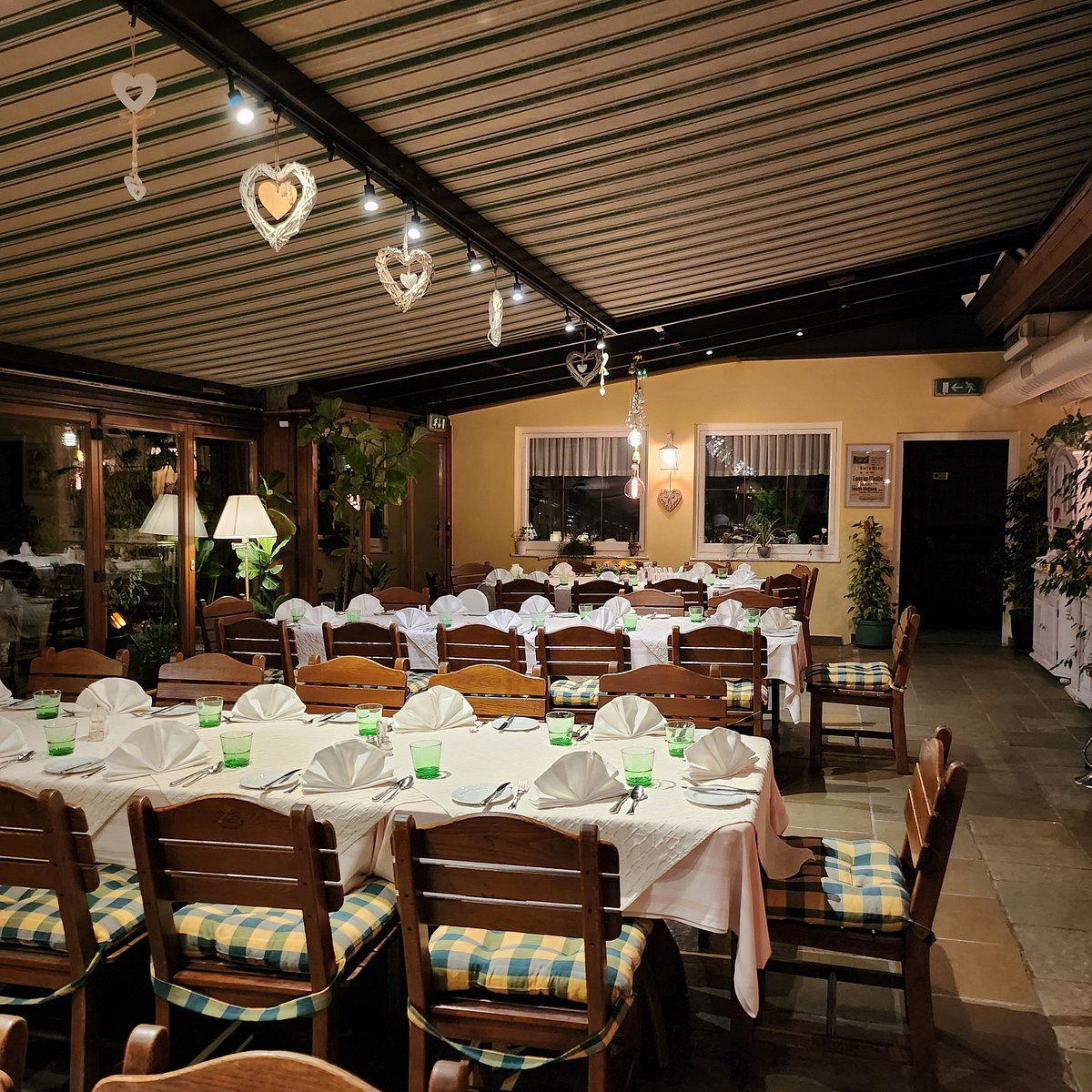
Where the Kremstal Meets the Table
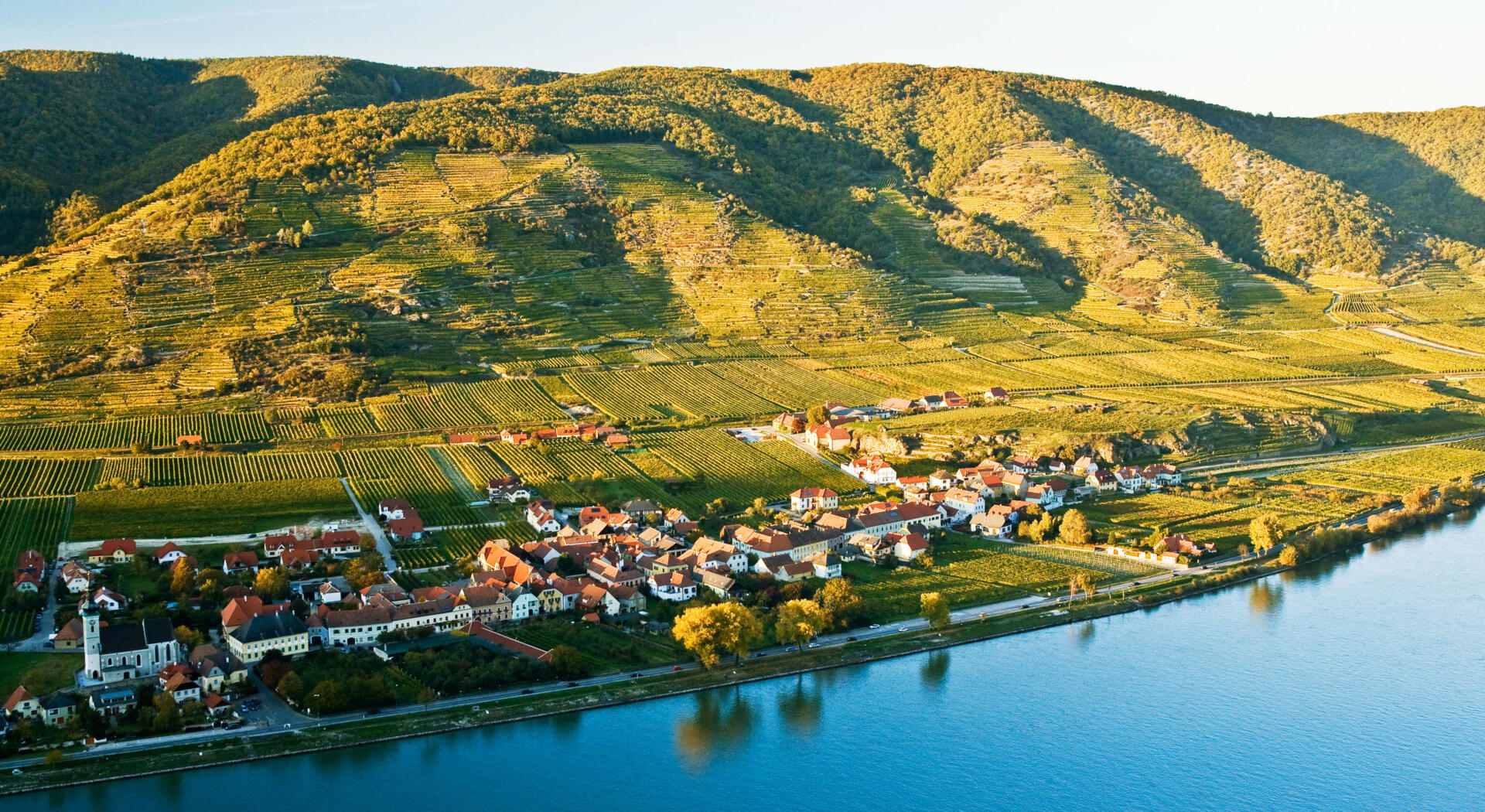
The road into Furth bei Göttweig runs through a corridor of apricot orchards and Grüner Veltliner vineyards, with the Benedictine towers of Stift Göttweig visible on the ridge above. This is the geographic and cultural logic that organises Austrian provincial dining at its most serious: landscape producing ingredients, ingredients driving menus, menus reflecting a regional identity that urban restaurants have spent two decades trying to reconstruct. In that context, a restaurant address in Furth bei Göttweig is not incidental, it is a positioning statement. Schickh, at Avastraße 2, occupies exactly that kind of address.
Steirereck im Stadtpark in Vienna and Landhaus Bacher in Mautern an der Donau. Eating well here means eating within a system where the distance between producer and plate is measurable in kilometres rather than supply-chain abstractions.
Austrian Provincial Dining: What the Tradition Actually Means
Austrian provincial cooking is frequently misread from the outside as a synonym for heavy, starchy comfort food. The actual tradition is more disciplined. Classic Austrian cuisine at the table-cloth level draws on a Habsburg culinary inheritance that merged central European technique with Italian and Bohemian influences, a repertoire that is genuinely broad, from Tafelspitz and Beuschel to freshwater fish cookery shaped by the Danube corridor running directly through this part of Lower Austria.
The distinction between Viennese restaurant culture and provincial Austrian dining matters here. Restaurants like Döllerer in Golling an der Salzach and Ikarus in Salzburg operate at the creative, tasting-menu end of Austrian cuisine, with international reference points and Michelin recognition shaping their competitive positioning. Village-level establishments in the Kremstal operate within a different framework: the expectation is rootedness, not ambition signalling. Strong examples among them prove that restraint and locality can carry as much culinary authority as formal tasting-menu architecture.
That regional seriousness extends across Austria's western dining corridor, from Obauer in Werfen to Griggeler Stuba in Lech and Gourmetrestaurant Tannenhof in Sankt Anton am Arlberg. Each of those venues draws authority from geographic specificity, the alpine larder, the salt-trading routes, the valley microclimates. Schickh's authority, to the extent it has built one in Furth bei Göttweig, comes from the same logic: proximity to a producing region of genuine consequence.
The Wachau Adjacency
Furth bei Göttweig sits between two of Austria's most visited wine towns, Krems and Melk, making it part of a broader hospitality corridor that absorbs significant visitor traffic during the Wachau's peak season, roughly April through October. Travellers moving through this stretch of the Danube Valley arrive with expectations shaped by the region's viticultural prestige, and the leading local restaurants answer those expectations with a wine programme anchored in Kremstal and Wachau producers.
That proximity also means the summer and autumn months concentrate demand, and smaller village restaurants in this zone tend to operate with limited covers and booking windows that reward advance planning. Visitors arriving without a reservation at the height of the apricot harvest season or during the Wachau's autumn wine events risk finding tables unavailable. Reaching Schickh at Avastraße 2 in advance of a visit, by telephone or any published online channel, remains the reliable approach.
For those building a longer Lower Austrian itinerary, Hotel Weinresidenz Sonnleitner provides accommodation within the same village, while Taubenkobel in Schützen am Gebirge and Artis in Graz extend the Austrian fine-dining circuit to the south and east.
How Schickh Positions in the Regional Tier
What the address alone establishes is the peer context: village restaurants in the Kremstal and Wachau corridor compete less with urban tasting-menu institutions and more with the growing number of producer-driven, regionally specific establishments that have made Lower Austria a credible alternative to Vienna for serious eating. Venues like Ois in Neufelden and Schwarzer Adler in Hall in Tirol demonstrate that Austrian provincial dining can carry genuine authority outside the capital's Michelin orbit.
At the international end of the spectrum, venues like Le Bernardin in New York City and Atomix in New York City anchor what the upper tier of tasting-menu dining looks like globally. Austrian provincial cooking operates within a different set of values, not inferior, but differently oriented, with terroir and regional continuity as the primary frame rather than technical innovation or global reference points. That difference is worth understanding before arriving.
For further comparison within Austria's creative contemporary tier, Kräuterreich by Vitus Winkler in Sankt Veit im Pongau and Stüva in Ischgl show how regional specificity can be pushed into a more formal format, while Restaurant 141 by Joachim Jaud in Mieming demonstrates the western Tyrolean approach to the same question of local identity.
Planning a Visit
Contacting the venue directly at Avastraße 2, 3511 Furth bei Göttweig remains the only reliable path for reservation confirmation. The Wachau's seasonal character means that planning around April to October maximises both restaurant availability and the broader regional experience of the valley at its most productive.
Cost Snapshot
Comparable venues nearby, for context on price, style, and recognition.
| Venue | Cuisine | Price | Notes |
|---|---|---|---|
| SchickhThis venue — the venue you are viewing | Furth bei Göttweig, Traditional Austrian | $$ | Not listed |
| Hotel Weinresidenz Sonnleitner | Furth bei Gottweig, Traditional Austrian | $$$ | Not listed |
| Binter | Neubau, Tyrolean Alpine Street Food | $$ | Not listed |
| Leopoldauerhof | Leopoldau, Traditional Austrian | $$ | Not listed |
| Der Steirer | Gries, Traditional Styrian Cuisine | $$ | Not listed |
| Gwölb | Not listed | $$ | Hauptplatz, Traditional Austrian Gastropub |
Continue exploring
More in Furth Bei Göttweig
Restaurants in Furth Bei Göttweig
Browse all →
Bars in Furth Bei Göttweig
Browse all →
Hotels in Furth Bei Göttweig
Browse all →
At a Glance
- Cozy
- Rustic
- Classic
- Family
- Casual Hangout
- Standalone
- Extensive Wine List
- Local Sourcing
Current opening hours
- Monday
- 11:30 AM–2:30 PM, 5:30 PM–12 AM
- Tuesday
- 11:30 AM–2:30 PM, 5:30 PM–12 AM
- Wednesday
- Closed
- Thursday
- Closed
- Friday
- 11:30 AM–2:30 PM, 5:30 PM–12 AM
- Saturday
- 11:30 AM–12 AM
- Sunday
- 11:30 AM–12 AM
Hours can change for holidays and private events. Last verified .
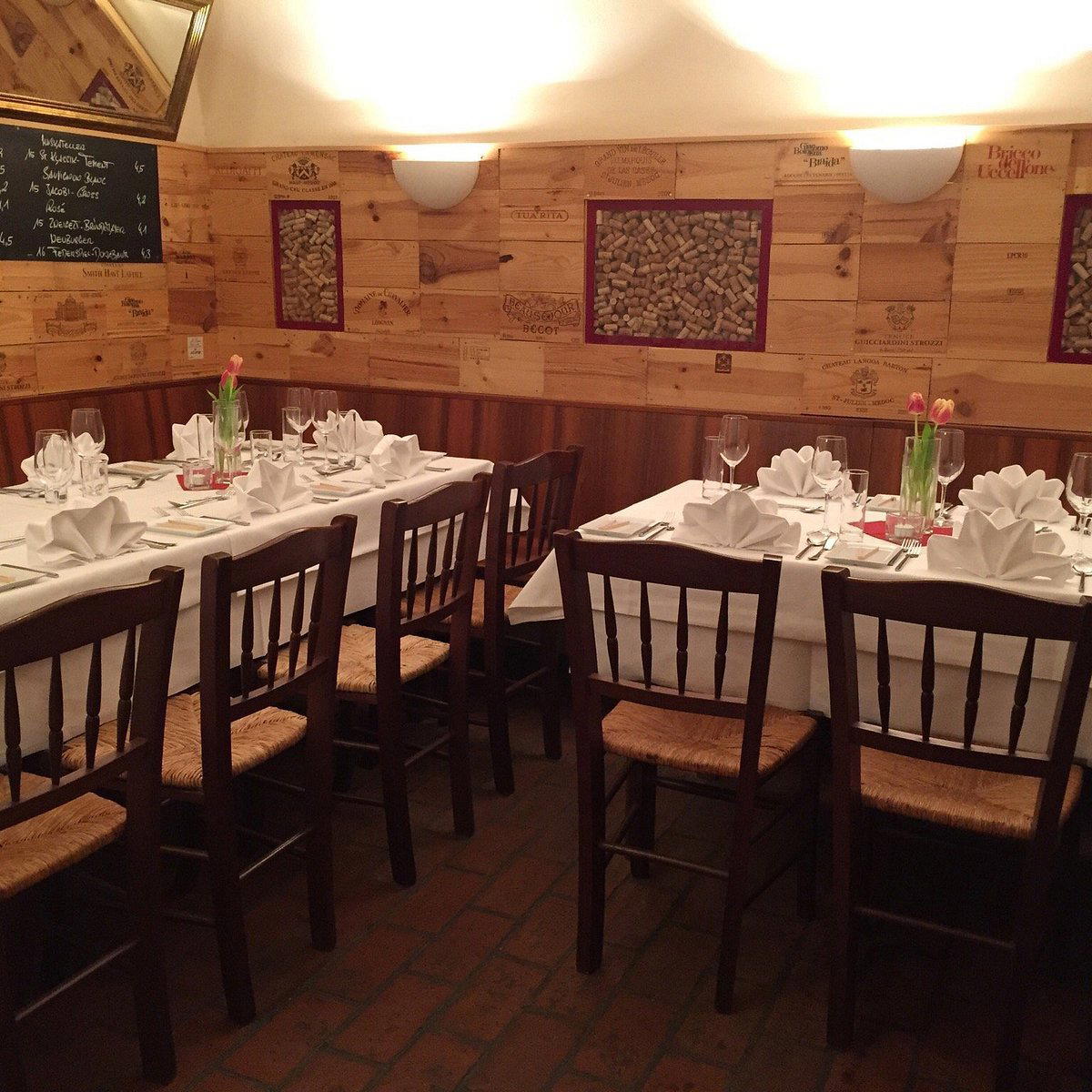
Gemütliche (cozy) rooms blending traditional style mix with warm hospitality.