
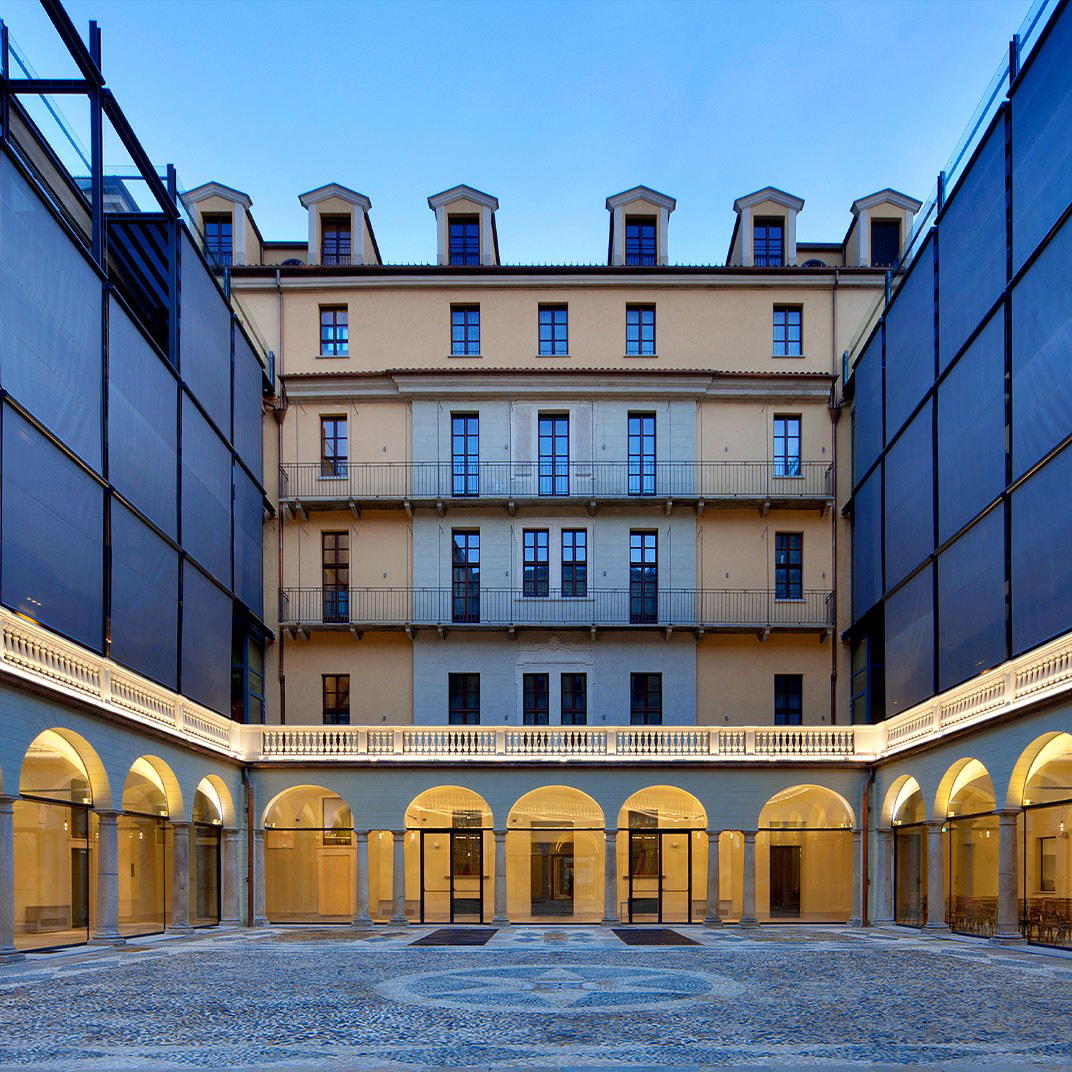
Set within Piazza San Carlo's inner courtyard, Scatto occupies a modern dining room where the kitchen runs in full view. The menu balances traditional Piedmontese technique with more experimental thinking, with both à la carte and tasting-menu formats available. A Michelin Plate (2024).
Pearl is the En Primeur Club membership app — saves, bookings, and concierge access live there. Same editors, same standards.
- Address
- P.za S. Carlo, 156, 10123 Torino TO, Italy
- Phone
- +39 011 026 7460
- Website
- costardibros.it
- Directions
- Get directions
 Saves & bookings on Pearl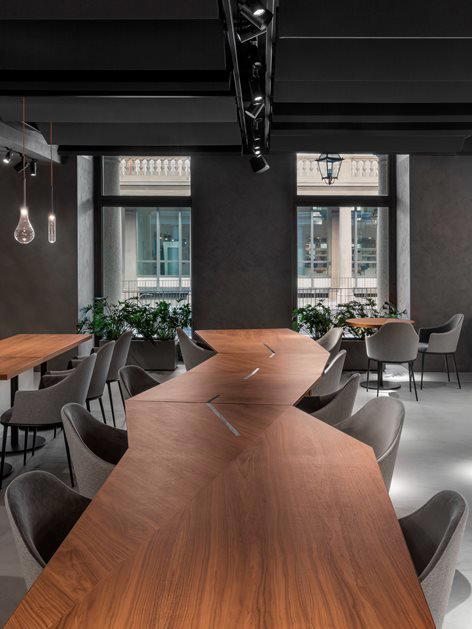
Through the Courtyard: Entering Scatto's Dining Room
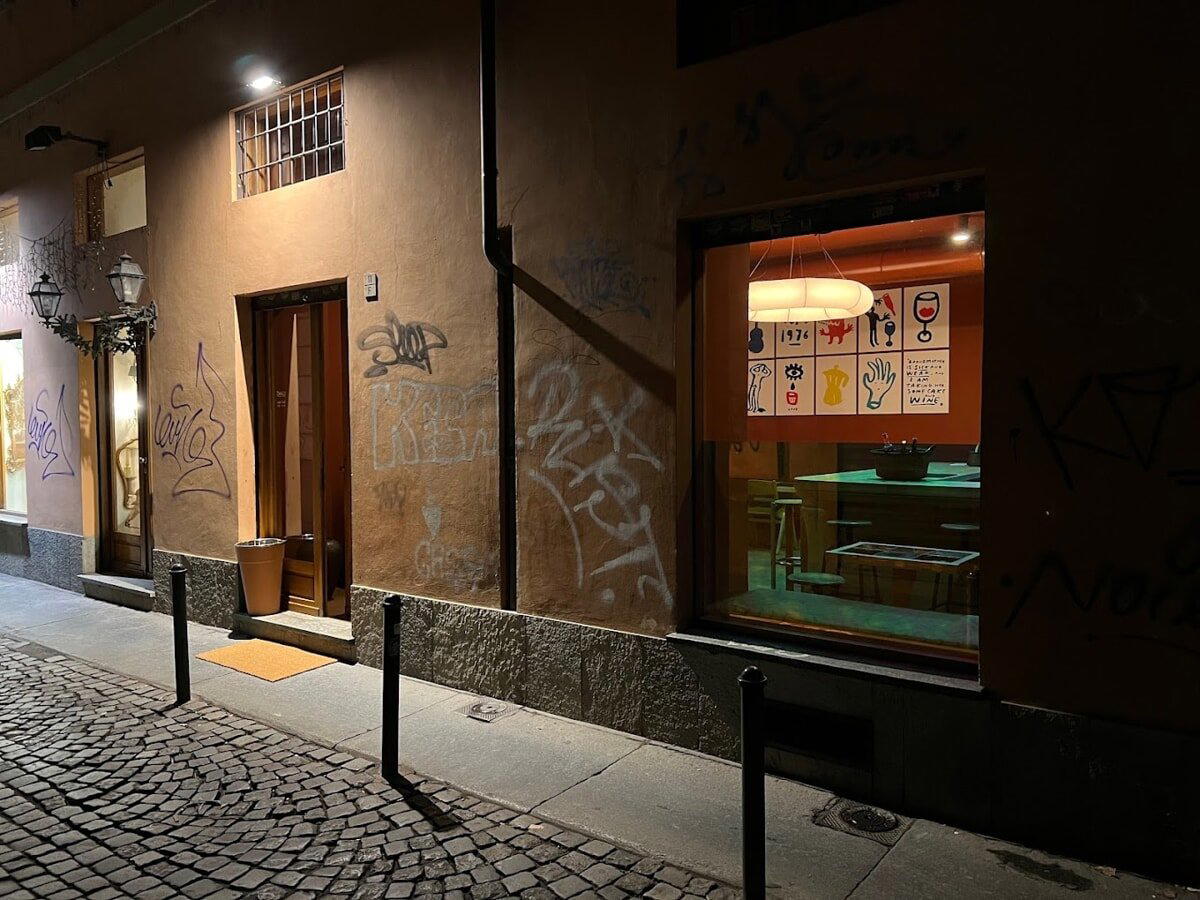
Scatto is a restaurant in Turin, serving modern Piedmontese contemporary cooking, with a Michelin Plate (2024) and a price point of about €160 per person. Piazza San Carlo is one of Turin's great civic rooms, a 17th-century baroque rectangle that has historically housed the city's aperitivo culture, its upmarket cafés, and the kind of slow afternoon foot traffic that Turin does better than anywhere else in northern Italy. Arriving at Scatto means stepping off that square through an inner courtyard, which creates a small but deliberate transition: the noise of the piazza drops away before you reach the dining room. The effect is a quiet threshold between the city and the table.
Inside, the kitchen runs open to the room. In Piedmont, where restaurants have traditionally kept their workings private and their rooms formal, the open-kitchen format signals an intentional break with convention. It places the cooking process on display rather than treating the meal as a product delivered from an invisible back room.
Piedmontese Identity on the Plate
To understand Scatto's menu logic, it helps to place Piedmontese cuisine in its national context. Italian regional cooking does not blur cleanly at borders: Piedmont's traditions are shaped by proximity to France, by the truffle grounds around Alba, by slow-braised beef cuts from the Fassona breed, by a cellar culture rooted in Barolo and Barbaresco rather than the lighter wines of Veneto or Campania. A restaurant in this region cannot simply do "Italian food" in a neutral sense. The choices it makes about which Piedmontese touchstones to honour, and which to reinterpret, define its position within a competitive local field.
Scatto holds both ends of that spectrum simultaneously. The menu runs à la carte and tasting formats in parallel, and by all available accounts both carry traditional Piedmontese dishes alongside more technically creative ones. That dual register is common at the mid-to-upper tier of Turin dining but harder to execute coherently than it sounds. At lower price points, the creative register often feels grafted on. At the €€€€ level occupied by venues such as Cannavacciuolo Bistrot, the traditional material tends to recede entirely in favour of signature-driven contemporary cooking. Scatto, at the €€€ tier, sits at the point where the tension between the two is live and unresolved, which is, where interesting Piedmontese cooking happens right now.
Where Scatto Sits in Turin's Dining Tier
Turin's premium restaurant scene has become more differentiated over the past decade. At the leading end, addresses such as Piano35, Andrea Larossa, and Opera carry Michelin stars and price accordingly. Below them sits a tier of serious restaurants with institutional recognition but without the full starred apparatus, capable wine lists, tasting menus with culinary ambition, and dining rooms that attract both locals and visitors. Scatto, holding a Michelin Plate in 2024, belongs in this middle band.
The Michelin Plate is not a starred distinction, but it is a specific signal. It identifies restaurants where food quality is recognised without yet meeting the threshold for star consideration, which makes it a useful marker for travellers calibrating expectations.
For context on how Scatto's approach reads against the broader Italian contemporary category, the comparable set extends well beyond Turin. Enrico Bartolini in Milan operates at the starred end of northern Italian contemporary cooking, while Osteria Francescana in Modena defines the reference point for Italian contemporary at its most globally discussed. Closer to Scatto's actual register, Piedmont-rooted, technically considered, not chasing a maximalist agenda, the comparison set shrinks but sharpens. Magazzino 52 in Turin occupies a slightly more casual mode, while the cellar ambition at Enoteca Pinchiorri in Florence shows what a wine list can do when it becomes a defining feature of the whole proposition.
Outside Italy, the Italian contemporary format at this level shows up at places such as Agli Amici Rovinj in Rovinj and L'Olivo in Anacapri, both of which deploy regional Italian traditions with creative technique in a way that parallels Scatto's stated approach. The Alpine tradition, meanwhile, gets its most ambitious expression at Atelier Moessmer Norbert Niederkofler in Brunico, a reference point for what strict mountain regionalism looks like when pushed to its limit.
The Wine List as Structural Argument
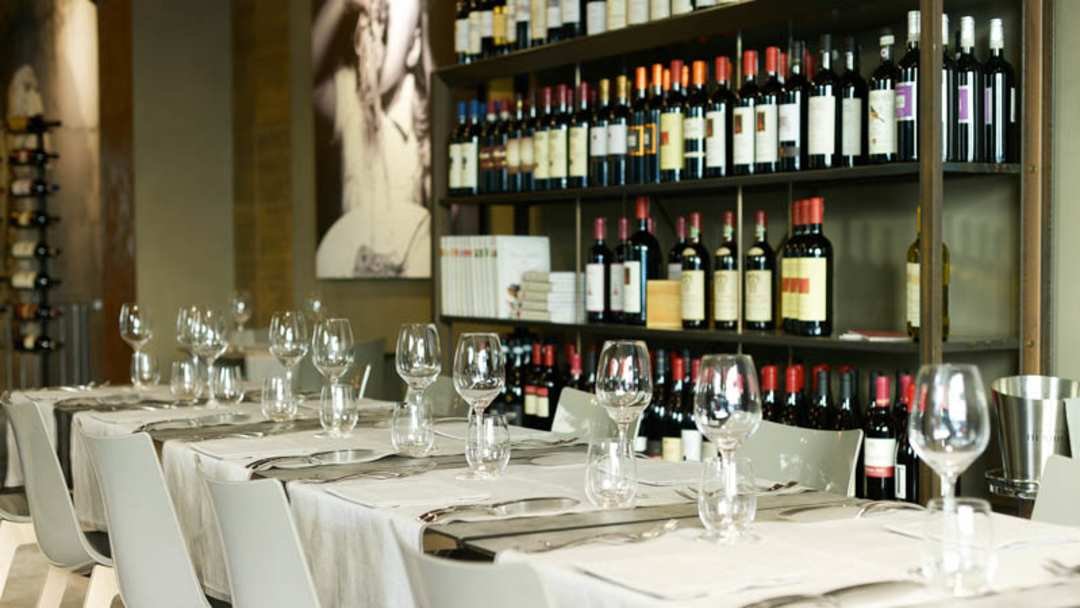
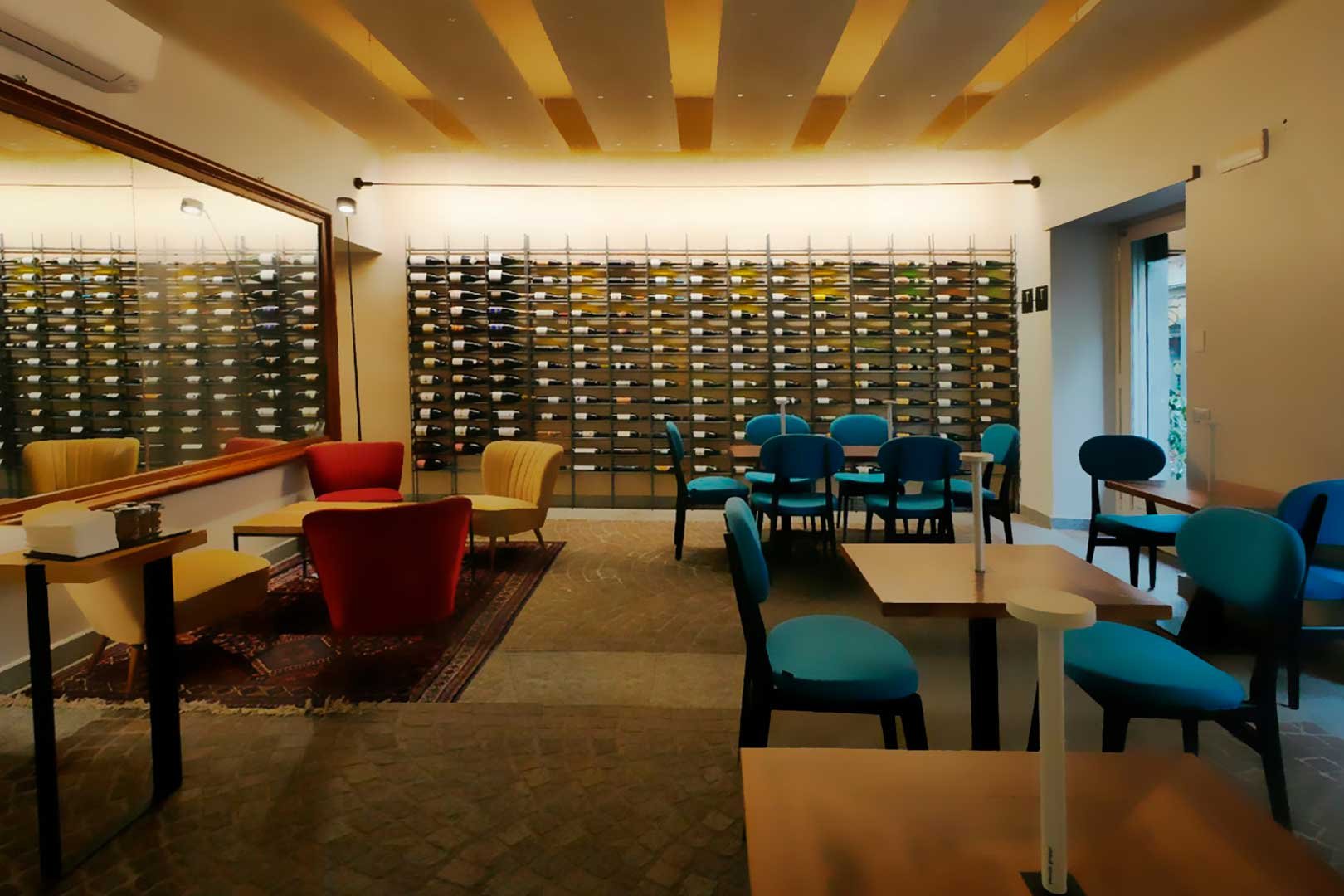
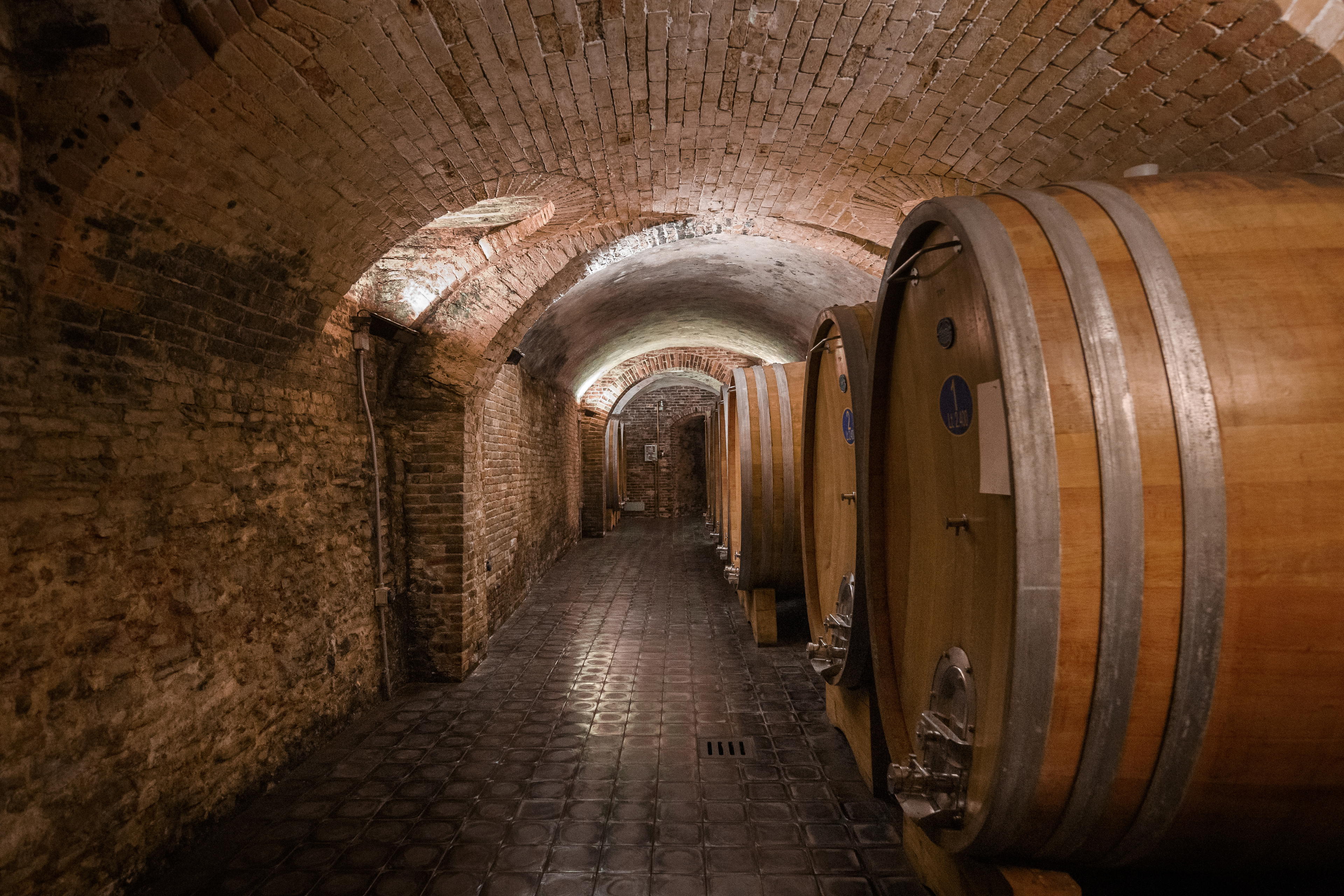
Piedmontese restaurants are expected to carry serious cellars, it would be professionally embarrassing not to. But the degree to which a wine list is described as complementary to food of "notable quality" (the phrasing used in Michelin's own notes on Scatto) implies a list that functions as a structural part of the meal rather than a supplementary offering. In a region producing Barolo, Barbaresco, Barbera d'Asti, Gavi, Arneis, and Dolcetto within a relatively contained geographic area, the selection decisions alone make an editorial statement about what kind of Piedmontese restaurant this is.
Planning a Visit
Scatto is located at Piazza San Carlo 156, in the heart of central Turin, a square that remains among the more legible addresses in the city and is walkable from major hotels in the historic core. The €€€ price point positions it below the city's starred tier, making it accessible relative to the ambition on the plate. Given the combination of a Michelin Plate, consistent ratings, and a tasting-menu option, booking ahead is the practical approach, particularly for dinner. For full context on how Scatto fits within Turin's broader restaurant landscape, see the city’s restaurant guide.
Dal Pescatore in Runate and Quattro Passi in Marina del Cantone, both of which demonstrate what regional Italian cooking at a high level can look like outside the major cities.
Questions About Scatto
- How would you describe the vibe at Scatto?
- The setting delivers a specific kind of Turin formality, a Baroque piazza address, accessed through a courtyard, with a dining room serious enough to carry a tasting menu and a Michelin Plate. At the €€€ price point, it sits below the city's most theatrical fine-dining rooms. The open kitchen moderates the tone: this is a place that takes cooking seriously without suppressing all evidence of how it is done. For a city whose dining culture still carries some of the buttoned formality of a former royal capital, Scatto reads as calibrated rather than stiff.
- Would Scatto be comfortable with kids?
- Scatto is oriented toward adult dining occasions.
- What should I order at Scatto?
- The menu runs both à la carte and tasting formats, and both are described in Michelin's notes as carrying the same balance of traditional Piedmontese and more creative dishes. If you want to see the kitchen's full range and the wine list at its most deliberate, the tasting menu is the right format. If Piedmontese classics are the draw, and in the region that produces Fassona beef, white truffles, and the cooking traditions that feed directly into dishes at restaurants like Opera and Andrea Larossa, the à la carte allows more targeted choices.
A Lean Comparison
Comparable venues nearby, for context on price, style, and recognition.
| Venue | Cuisine | Price | Notes |
|---|---|---|---|
| ScattoThis venue — the venue you are viewing | Aurora, Modern Piedmontese Contemporary | $$$ | Not listed |
| San Tommaso 10 | Centro, Modern Piedmontese | $$$ | Not listed |
| Carlo e Camillo | Aurora, Piedmontese Italian Bistro | $$$ | Not listed |
| Tuorlo | Not listed | $$$ | Centro Storico, Traditional Piedmontese Bistro |
| Mammà Isola di Capri | Aurora, Modern Italian Mediterranean | $$$ | Not listed |
| La Pista | Not listed | $$$ | Nizza Millefonti, Modern Italian with Piedmontese Influences |
Recognition history
Dated appearances from independent guides and award organizations, with the underlying list record or original source where available.
Michelin Plate
Michelin
Michelin Plate
Michelin
Michelin Plate
Michelin
Continue exploring
More in Turin
Restaurants in Turin
Browse all →
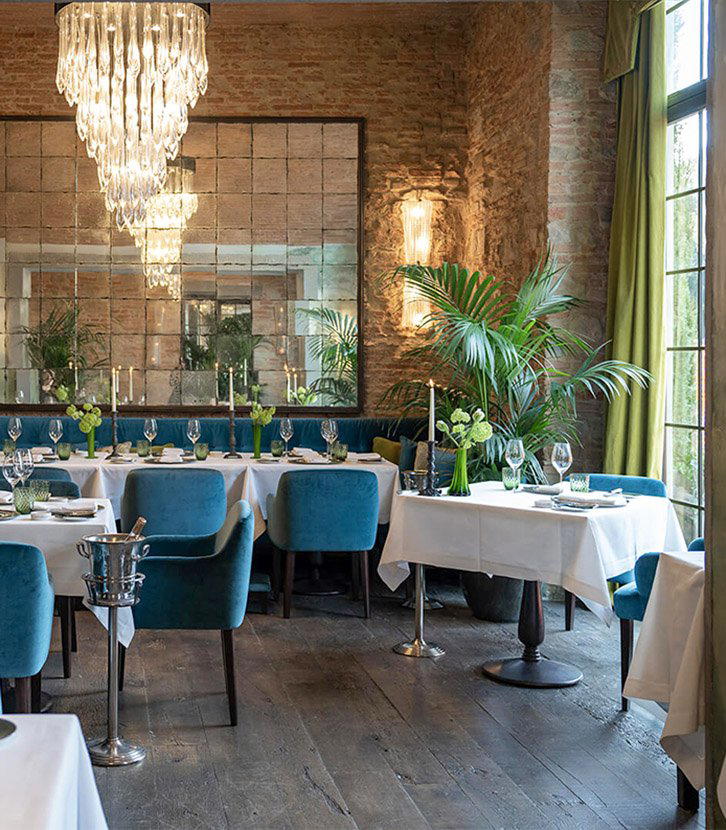
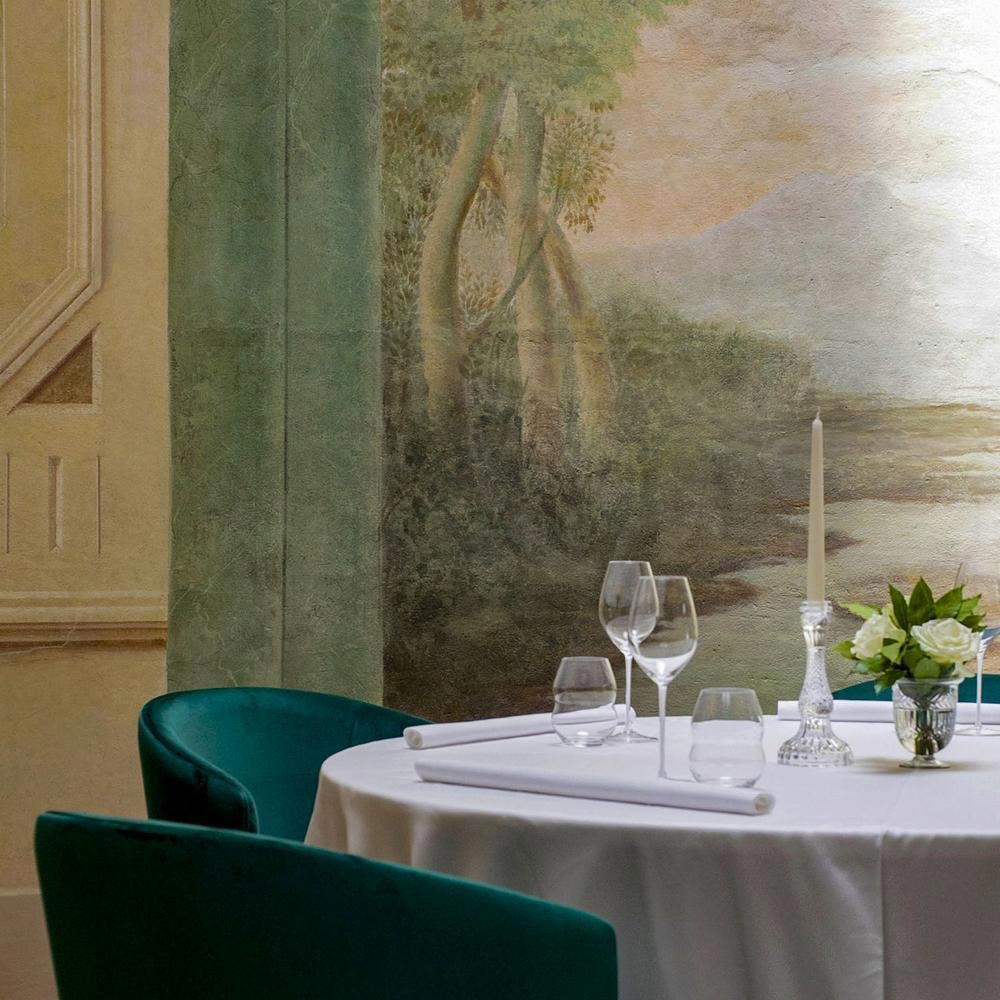
Bars in Turin
Browse all →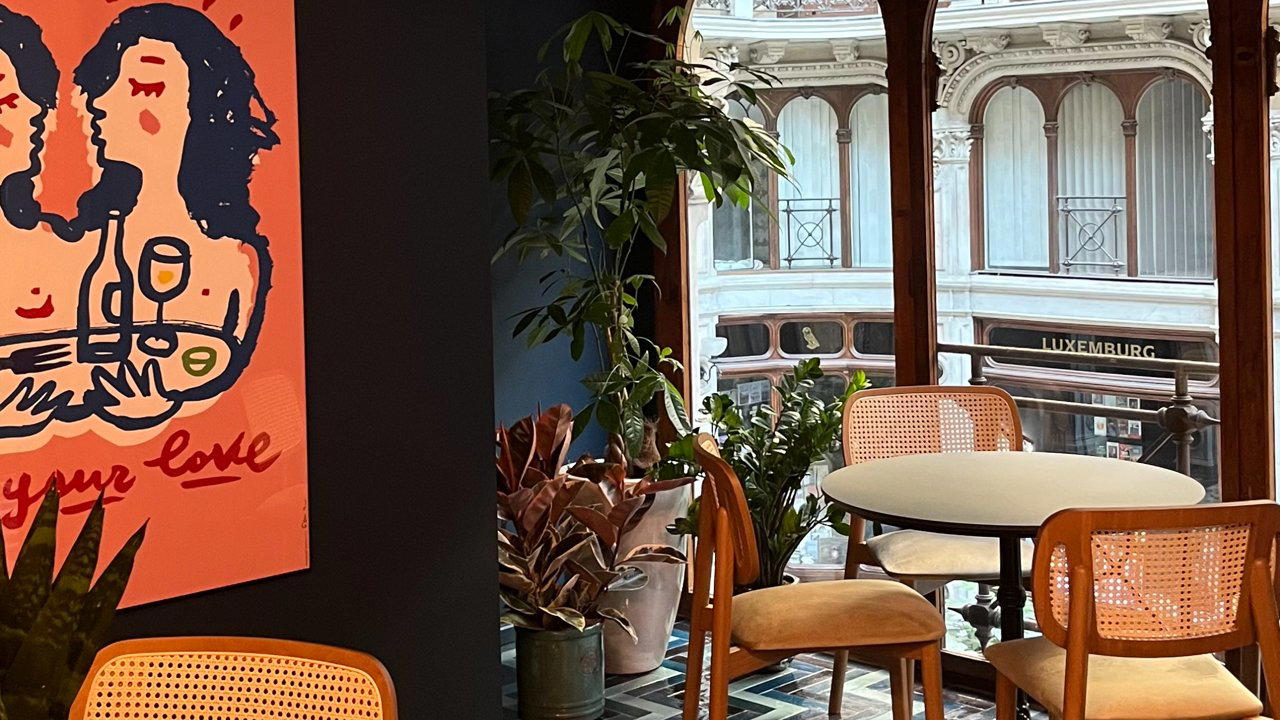
Hotels in Turin
Browse all →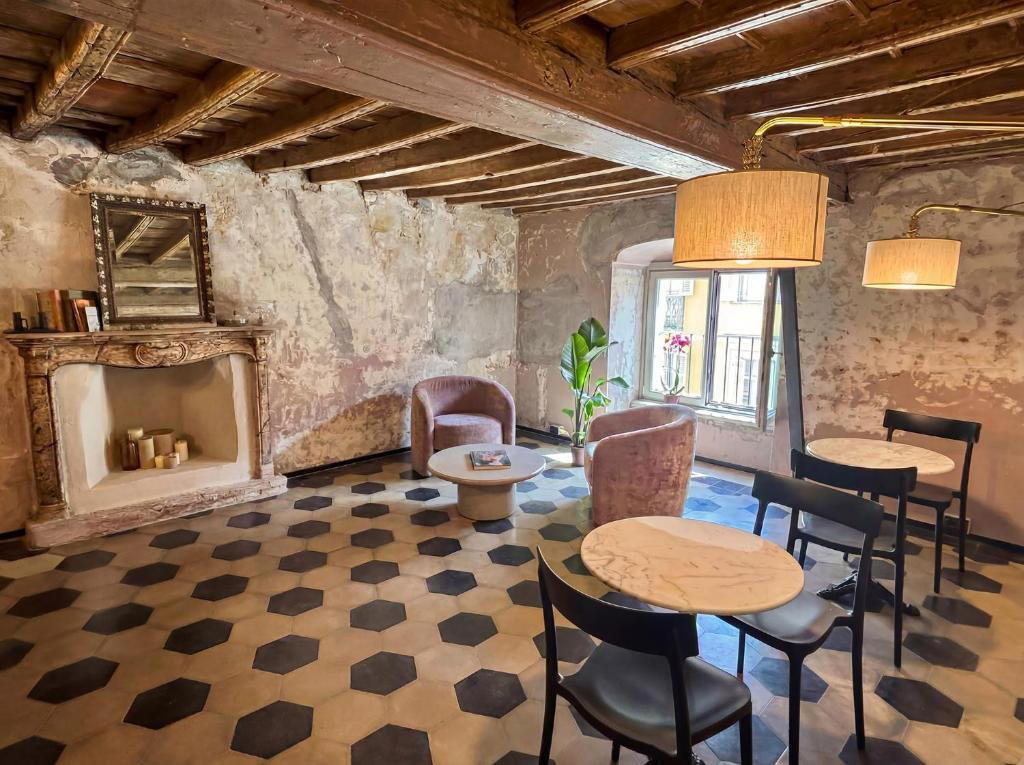
At a Glance
- Modern
- Elegant
- Intimate
- Sophisticated
- Trendy
- Date Night
- Business Dinner
- Celebration
- Special Occasion
- Open Kitchen
- Historic Building
- Design Destination
- Courtyard
- Extensive Wine List
- Sommelier Led
- Local Sourcing
Current opening hours
- Monday
- Closed
- Tuesday
- 12:30–2:30 PM, 7:30–10 PM
- Wednesday
- 12:30–2:30 PM, 7:30–10 PM
- Thursday
- 12:30–2:30 PM, 7:30–10 PM
- Friday
- 12:30–2:30 PM, 7:30–10 PM
- Saturday
- 12:30–2:30 PM, 7:30–10 PM
- Sunday
- 12:30–2 PM
Hours can change for holidays and private events. Last verified .
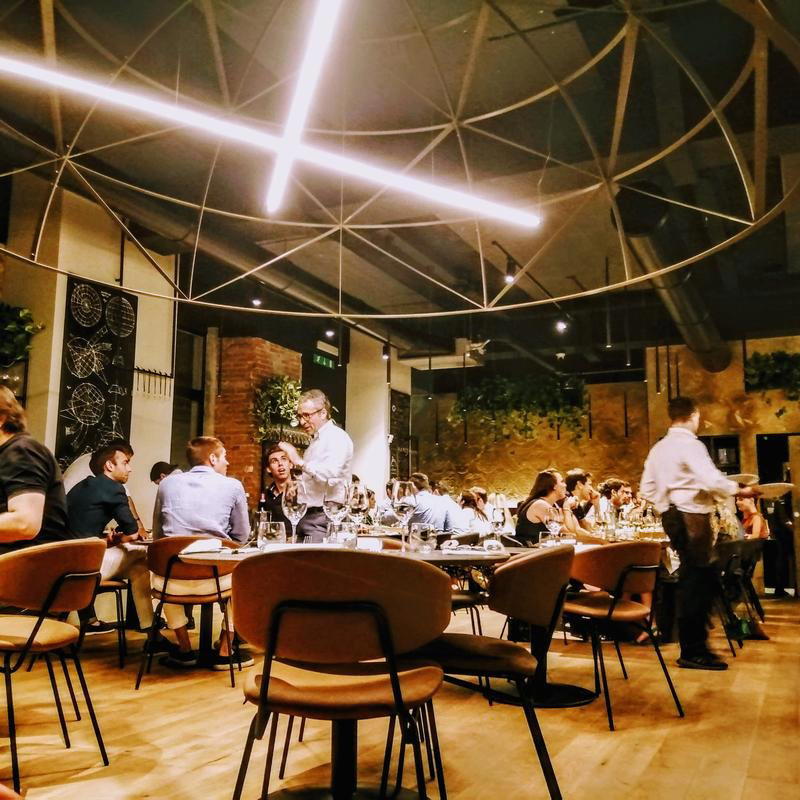
Modern, refined, and minimalist with dark walls and light wood inserts; intimate and elegant with tables spaced for privacy; open kitchen visible from dining room with soft background music.