
Set inside a converted nineteenth-century church refectory on Via Sant'Antonio da Padova, Opera brings a distinctive editorial logic to Turin's contemporary Italian scene: fruit appears as a structural element across meat and fish courses alike, threading acidity and contrast through an otherwise richly Piedmontese menu. A Michelin Plate holder It occupies the €€€ tier, a step below the city's most expensive tasting counters, and a compelling one.
Pearl is the En Primeur Club membership app — saves, bookings, and concierge access live there. Same editors, same standards.
- Address
- Via Sant'Antonio da Padova, 3, 10121 Torino TO, Italy
- Phone
- +39 011 1950 7972
- Website
- operatorino.it
- Directions
- Get directions
 Saves & bookings on Pearl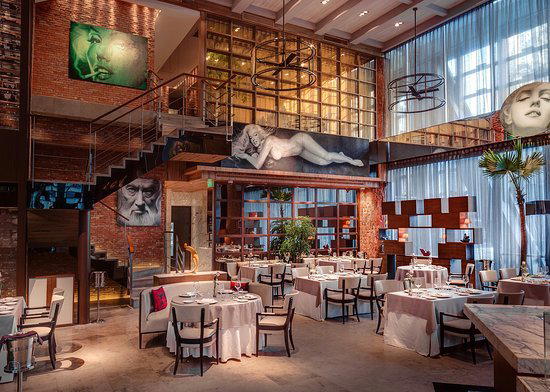
A Refectory Repurposed
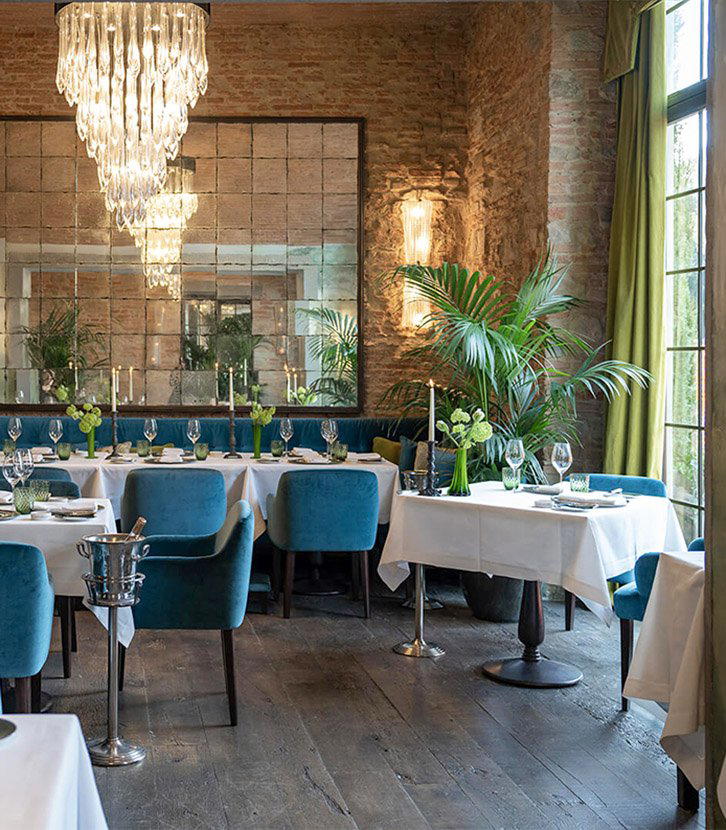
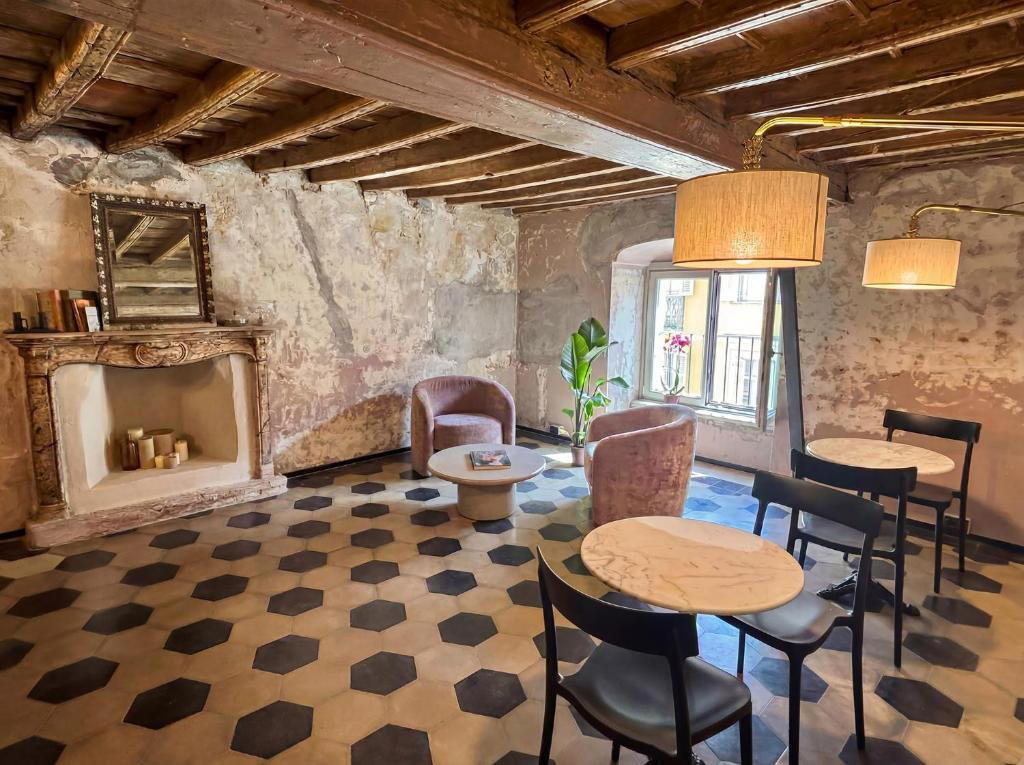
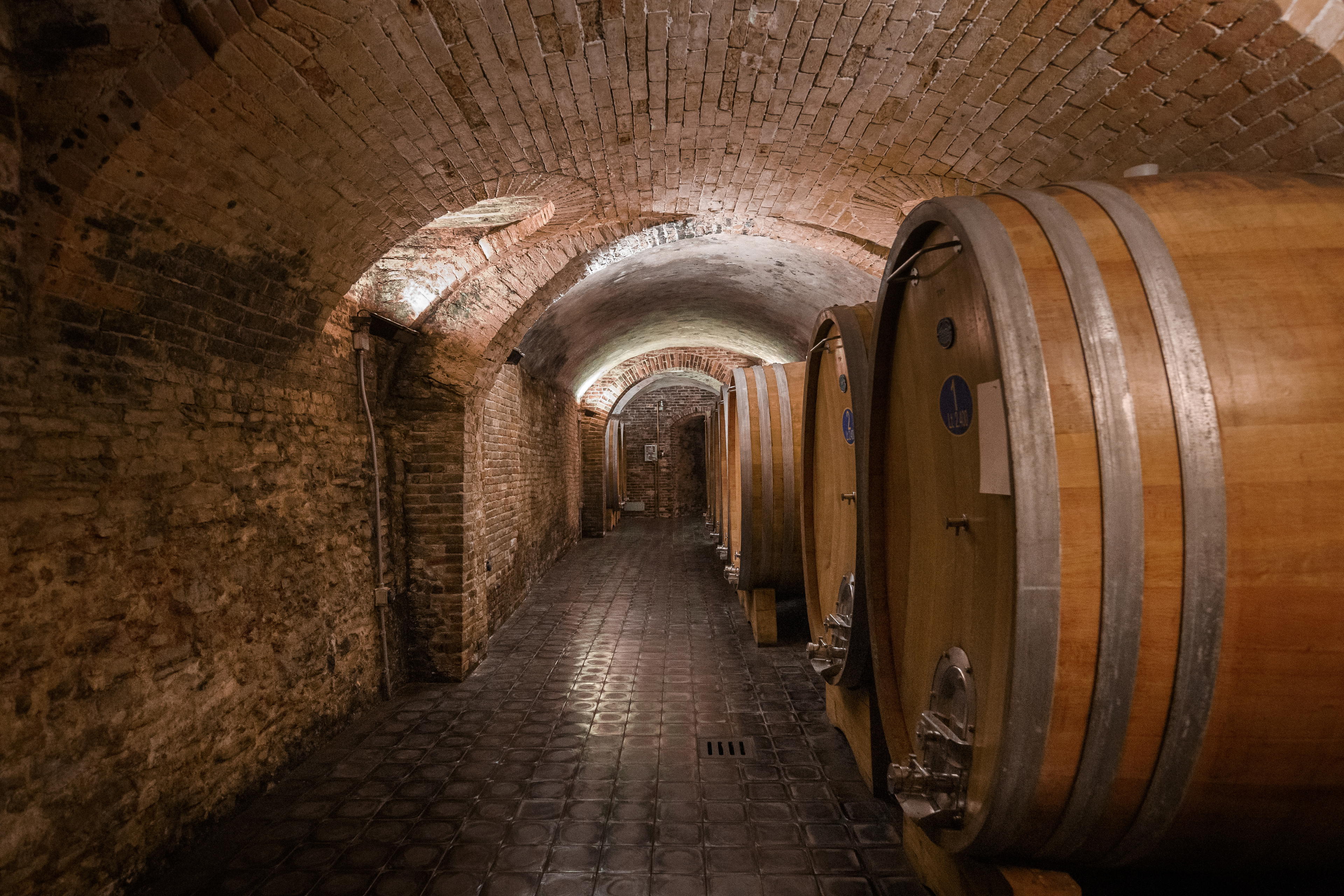
Opera is a restaurant in Turin serving Modern Italian Fine Dining, with a Michelin Plate 2025 and an average price of about $120 per person. There is a particular atmospheric register that only repurposed ecclesiastical spaces can produce, and the dining room at Opera works it with restraint. The building on Via Sant'Antonio da Padova occupies a former nineteenth-century refectory belonging to the church immediately beside it. The brick walls have not been dressed up or dramatised, they remain warm and worn, the kind of material presence that sets a meal's tempo before a single plate arrives. In a city where baroque grandeur is the default architectural grammar, this quieter register feels deliberate.
Turin's contemporary Italian restaurant tier has expanded steadily over the past decade, splitting between the theatrical grand-café tradition (Del Cambio being the clearest example) and more contained, technically focused rooms. Opera sits in the latter category, at the €€€ price point, below the €€€€ tier occupied by Cannavacciuolo Bistrot and its peers, but clearly operating within the city's serious creative dining conversation rather than its trattorias. For a broader map of where Opera sits among Turin's restaurants, our full Turin restaurants guide provides useful context.
The Structural Logic of Fruit
What distinguishes Opera's kitchen from its contemporaries is an editorial decision that holds across the entire menu: fruit as a recurring structural ingredient, appearing in both meat and fish courses. This is not garnish or fashionable accessory. Fruit functions here as a source of acidity and flavour contrast, threaded through creative compositions in a way that defines the kitchen's identity rather than decorating it.
In the broader context of Italian contemporary cooking, this approach has precedents, northern Italian kitchens have long acknowledged the role of acidic contrast in cutting through the region's richer preparations, but few houses commit to it as an organising principle across all courses. The discipline this demands is considerable. Acidity introduced through fruit behaves differently from citrus squeezed to order or vinegar-based sauces: it brings sweetness alongside sharpness, tannin in some cases, and a seasonality that shifts the menu's character as the year moves. Executed without this degree of consistency, it would read as novelty. As a sustained throughline, it becomes a culinary argument.
This places Opera in a different conversation from Turin peers like Piano35 and Andrea Larossa, both of which pursue contemporary Italian cuisine through different structural lenses. Nationally, the kind of creative discipline Opera applies also invites comparison with restaurants like Enrico Bartolini in Milan and Osteria Francescana in Modena, though Opera's scope is considerably more compact, which is not a weakness.
The Arc of the Meal
Understanding Opera is easier if you approach it as a sequence rather than a collection of dishes. The fruit-as-acid logic works cumulatively: early courses tend to establish the register, mid-meal preparations carry its most complex applications, and the close of a menu here presumably allows the kitchen to resolve the tension it has been building. This tasting-progression logic is visible in how the room is characterised, not as a destination for a single signature dish, but as a place where the meal has a shape.
The sommelier's contribution to this shape is part of the experience. Wine pairings that can track an acid-led tasting menu require real dexterity, the sommelier is functioning as a co-author of the sequence, not as a supporting role. For a tasting menu built around contrast, a pairing that underlines the fruit notes rather than fighting them extends the kitchen's argument through the glass. This is the kind of service integration that lifts a tasting format from competent to coherent.
Within Italy's wider contemporary scene, this multi-course coherence is the signature ambition of restaurants across the tier, from Dal Pescatore in Runate to Enoteca Pinchiorri in Florence and Quattro Passi in Marina del Cantone. Opera's approach is more compressed and conceptually focused than any of those, but it is clearly operating within the same tradition of treating the meal as an arc rather than a menu.
Where Opera Sits in Turin's Creative Tier
Turin's creative Italian scene has depth that rewards closer attention. The city's food culture runs from anchored Piedmontese tradition, agnolotti dal plin, vitello tonnato, the tajarin that anchors menus at places like Magazzino 52, through to the more progressive contemporary formats at Scatto and beyond.
Opera's position in this range is specific. It is not a Piedmontese restaurant dressed in contemporary clothing, nor is it a global-technique showcase that has landed in Turin by chance. The use of fruit as a recurring motif is a local-adjacent instinct, Piedmont grows substantial fruit harvests, and the region's cooking has always negotiated between richness and freshness, but the kitchen's application of it is architectural rather than folkloric.
Internationally, the Italian Contemporary category that Opera occupies also includes restaurants like Agli Amici Rovinj and L'Olivo in Anacapri, and even the ambitious alpine work at Atelier Moessmer Norbert Niederkofler in Brunico, each of which takes a similarly deliberate, concept-anchored approach to what contemporary Italian cooking can mean in a specific place.
Planning a Visit
Opera is located at Via Sant'Antonio da Padova, 3 in central Turin. At the €€€€ price point, it sits among Turin's more expensive dining rooms.
What It’s Closest To
Comparable venues nearby, for context on price, style, and recognition.
| Venue | Cuisine | Price | Awards | Notes |
|---|---|---|---|---|
| OperaThis venue — the venue you are viewing | Modern Italian Fine Dining | $$$$ | Michelin Plate | Not listed |
| La Pista | Modern Italian with Piedmontese Influences | $$$ | Michelin Plate | Nizza Millefonti |
| Tuorlo | Traditional Piedmontese Bistro | $$$ | Michelin Plate | Centro Storico |
| Madama Piola | Traditional Piedmontese | $$ | Michelin Plate | San Salvario |
| Casa Vicina | Modern Piedmontese | $$$ | Michelin Plate | Lingotto |
| La Limonaia | Contemporary Italian | $$$ | Michelin Plate | San Paolo |
Recognition history
Dated appearances from independent guides and award organizations, with the underlying list record or original source where available.
Michelin Plate
Michelin
Michelin Plate
Michelin
Michelin Plate
Michelin
Continue exploring
More in Turin
Restaurants in Turin
Browse all →
Bars in Turin
Browse all →
Hotels in Turin
Browse all →
At a Glance
- Elegant
- Intimate
- Sophisticated
- Romantic
- Date Night
- Special Occasion
- Celebration
- Historic Building
- Open Kitchen
- Extensive Wine List
- Sommelier Led
- Local Sourcing
Current opening hours
- Monday
- Closed
- Tuesday
- 12:30–2 PM, 7:30–10 PM
- Wednesday
- 12:30–2 PM, 7:30–10 PM
- Thursday
- 12:30–2 PM, 7:30–10 PM
- Friday
- 12:30–2 PM, 7:30–10 PM
- Saturday
- 12:30–2 PM, 7:30–10 PM
- Sunday
- Closed
Hours can change for holidays and private events. Last verified .
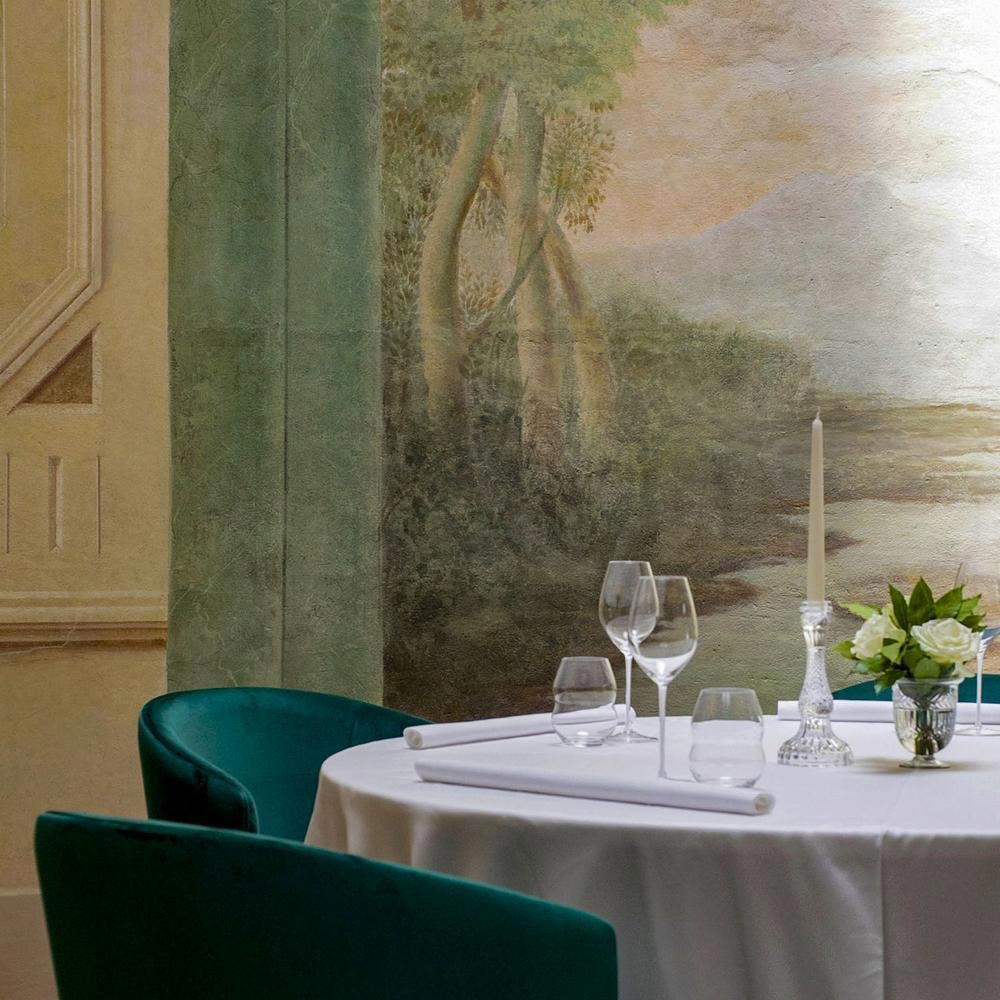
Warm, elegant atmosphere with exposed brickwork in an evocative dining room; well-spaced tables create an intimate yet sophisticated setting with refined decor and meticulous attention to detail.