Scarpetta

Our verdict
Scarpetta at 88 Madison Avenue brings refined Italian-American cooking to the Murray Hill corridor, where mid-century pasta traditions meet a contemporary New York dining room. The menu centers on handmade pasta and seasonal sourcing, positioning the restaurant within a tier of polished Italian addresses that prioritize ingredient provenance over theatrical flourish. Reservations are advisable, particularly on weekend evenings.

Pearl is the En Primeur Club membership app, where members save venues, book tables and use the concierge.
The menu
What to order
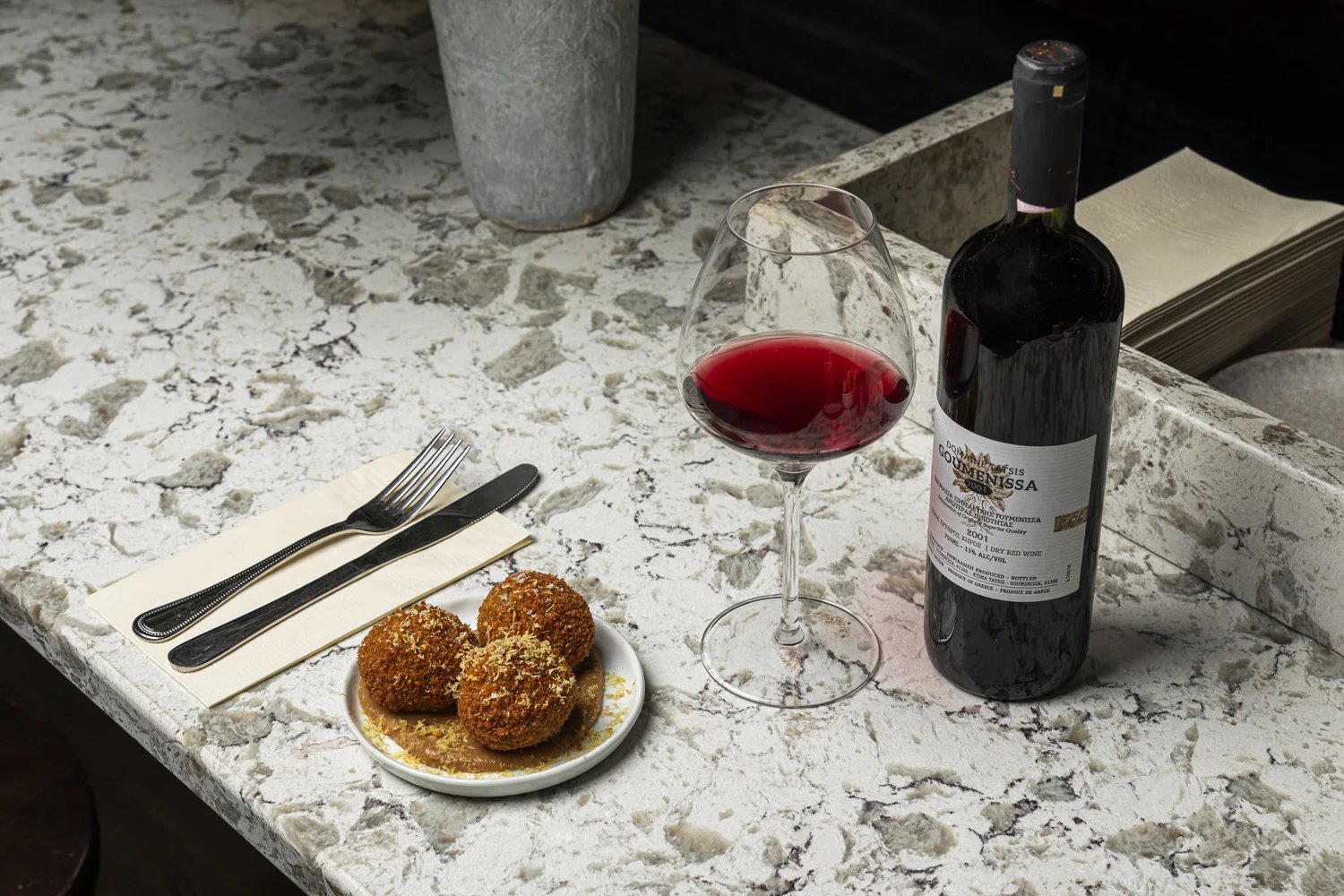
- Spaghetti Tomato & Basil
- Duck Ravioli
- Creamy Polenta
Where Madison Avenue's Italian Dining Tier Sits in 2024
Upscale Italian cooking in New York operates across a wide spectrum, from red-sauce institutions in the outer boroughs to stripped-back pasta counters in the West Village and white-tablecloth rooms that price against French tasting-menu addresses. The stretch of Madison Avenue running through Murray Hill and NoMad has quietly consolidated a particular kind of Italian dining: polished but not theatrical, anchored in handmade pasta and quality sourcing, and pitched at a clientele that wants a complete dinner rather than a tasting-menu event. Scarpetta, at 88 Madison Ave, sits inside that category. Its address places it within walking distance of the Flatiron district's denser restaurant cluster, but the room operates at a remove from the trendier-by-the-week energy further south.
For broader context on how this neighborhood's dining character fits into the wider city, the full New York City restaurants guide maps the competitive terrain across boroughs and price tiers. New York's Italian fine-dining cohort has evolved considerably since the early 2000s, when the category was largely defined by expense-account rooms and butter-heavy sauces. The current generation of serious Italian addresses tends toward restraint in preparation and specificity in sourcing, with pasta-making technique carrying more weight than the garnish surrounding it.
The Sustainability Dimension in Contemporary Italian Cooking
Italian cuisine, at its structural core, has always been resistant to waste. The tradition of nose-to-tail cooking, of using bread gone stale in ribollita, of building stock from scraps, predates the contemporary sustainability movement by centuries. What has changed in the past decade is how premium American Italian restaurants position these inherited practices explicitly, rather than treating them as invisible background. Across the category, sourcing language has moved from general to specific: named farms, seasonal menu rotations tied to harvest windows, and reduced reliance on out-of-season imports.
Italian-leaning restaurants at this price point in New York now compete partly on the credibility of their supply chains. Diners who cross-reference menus at this tier are increasingly attuned to whether pasta flour is sourced domestically or imported from specific Italian mills, whether the olive oil on the table is a named estate product, and whether the vegetable composition of a dish changes week to week in response to market availability. These signals function as trust indicators in a category where the ingredient itself is often the point.
The broader American fine-dining conversation around ethical sourcing is anchored by a handful of reference points. Blue Hill at Stone Barns in Tarrytown has set the most structurally rigorous standard for farm-integrated dining in the Northeast, with a menu that functions almost as a weekly agricultural report. Single Thread Farm in Healdsburg operates its own farm as part of its supply chain, vertically integrating production and service. These are outlier models in terms of capital intensity, but they have raised the baseline expectation for sourcing specificity at serious dining rooms across the country.
Within New York's Italian tier specifically, the question is less about radical farm integration and more about whether a kitchen's purchasing decisions reflect genuine seasonal discipline or a seasonal aesthetic applied loosely to a static menu. The distinction matters most in autumn and late winter, when the gap between restaurants that actually rotate and those that perform rotation becomes visible in the plate.
Atmosphere and Room Character
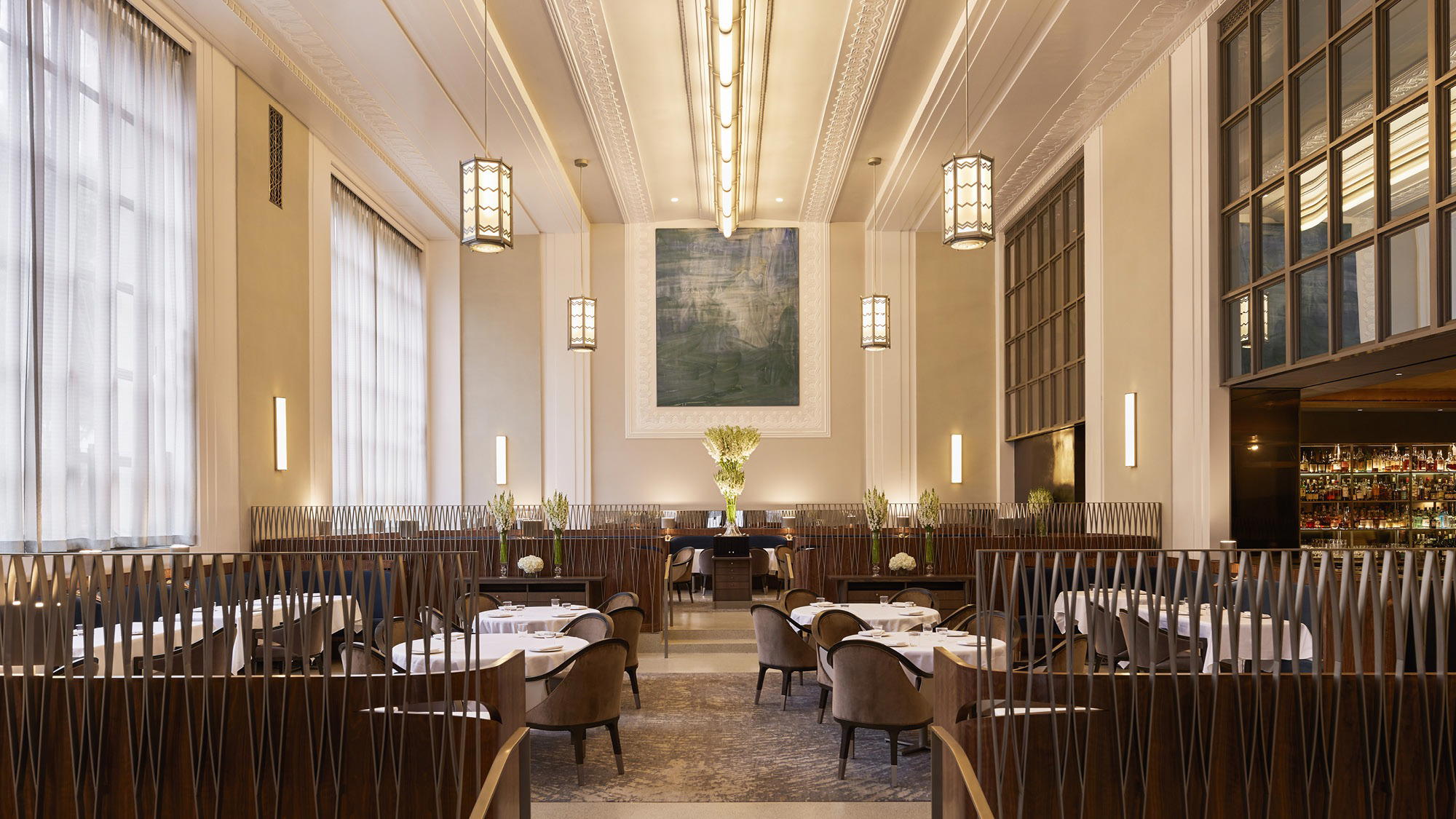
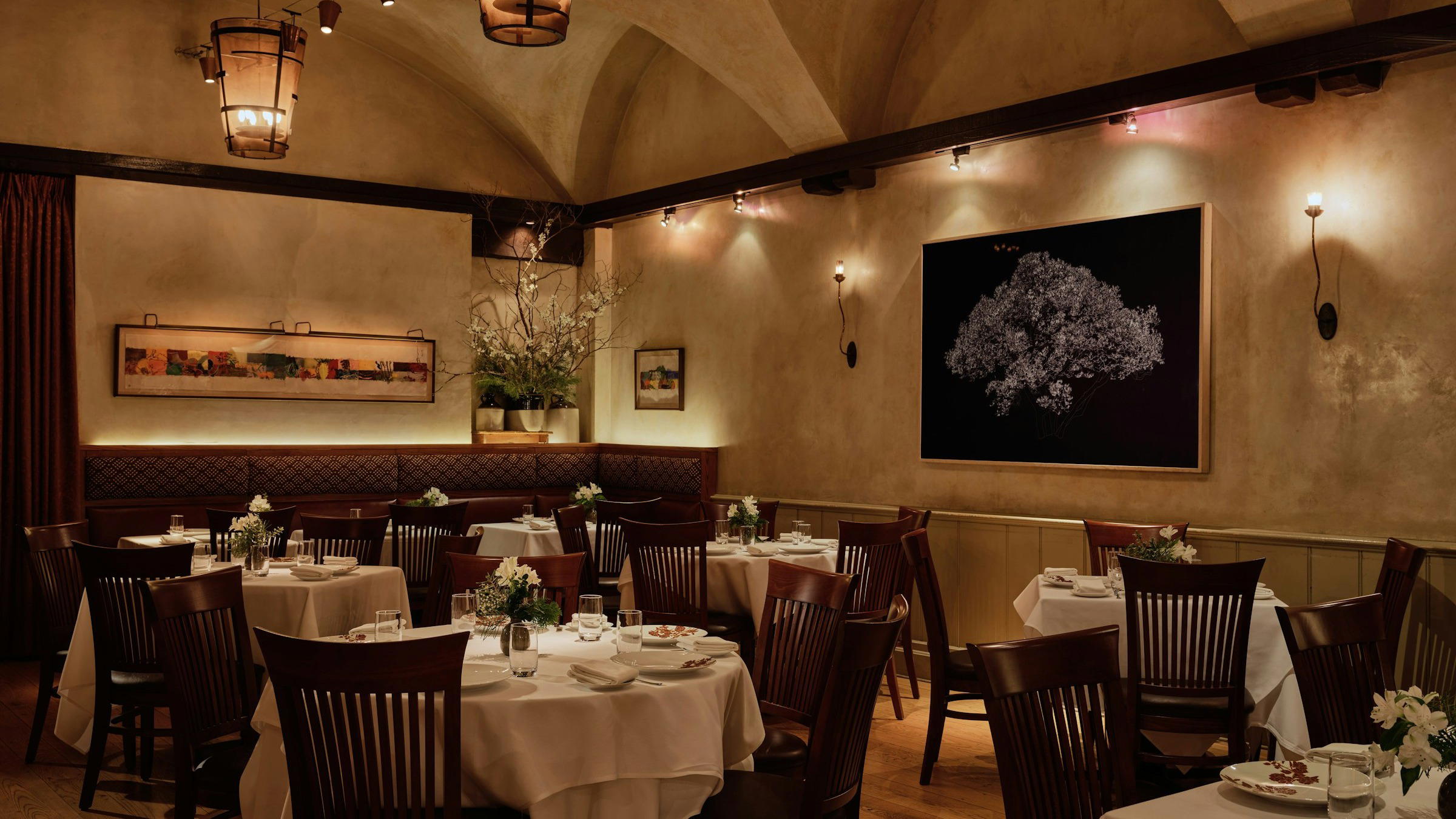
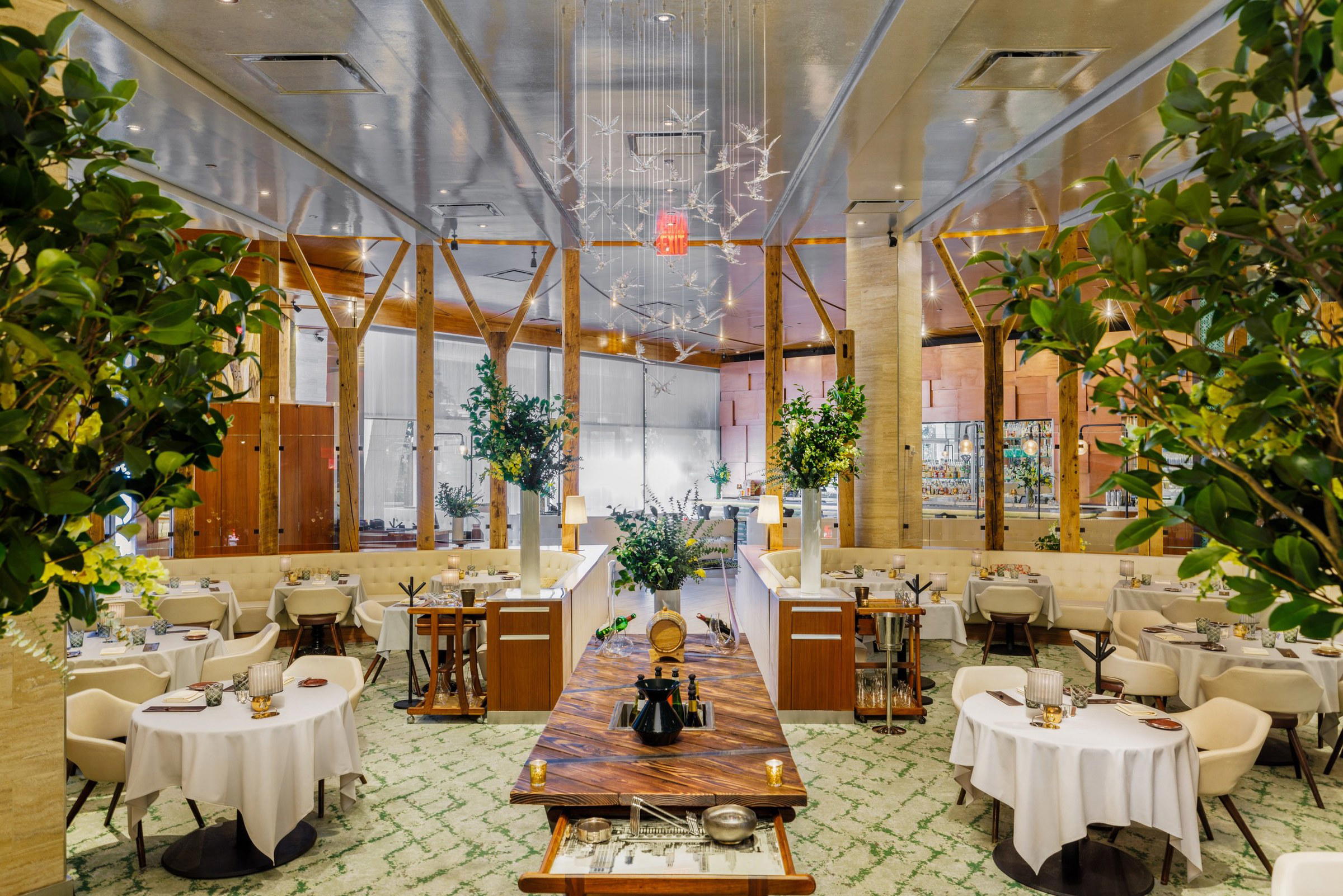
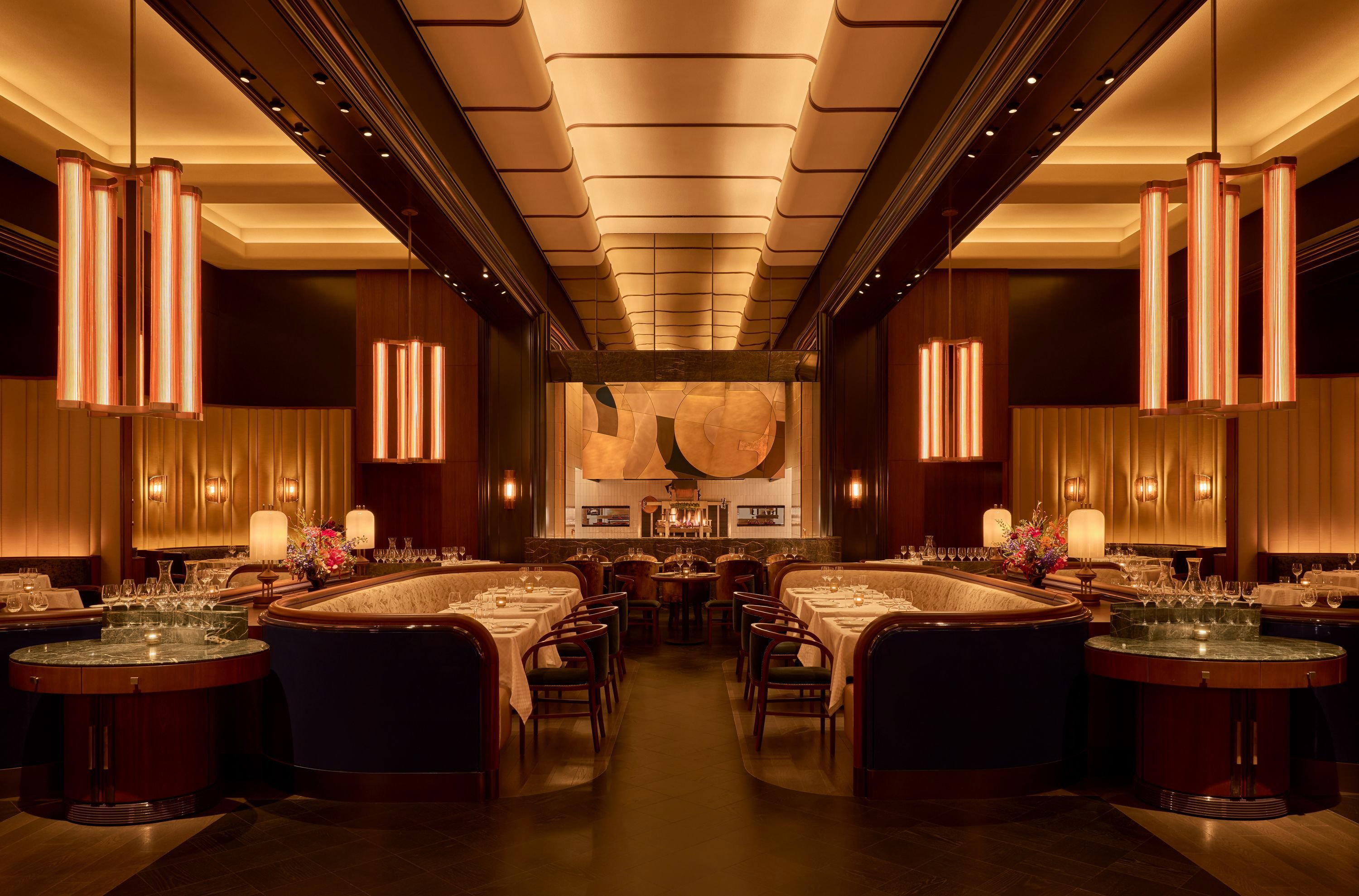
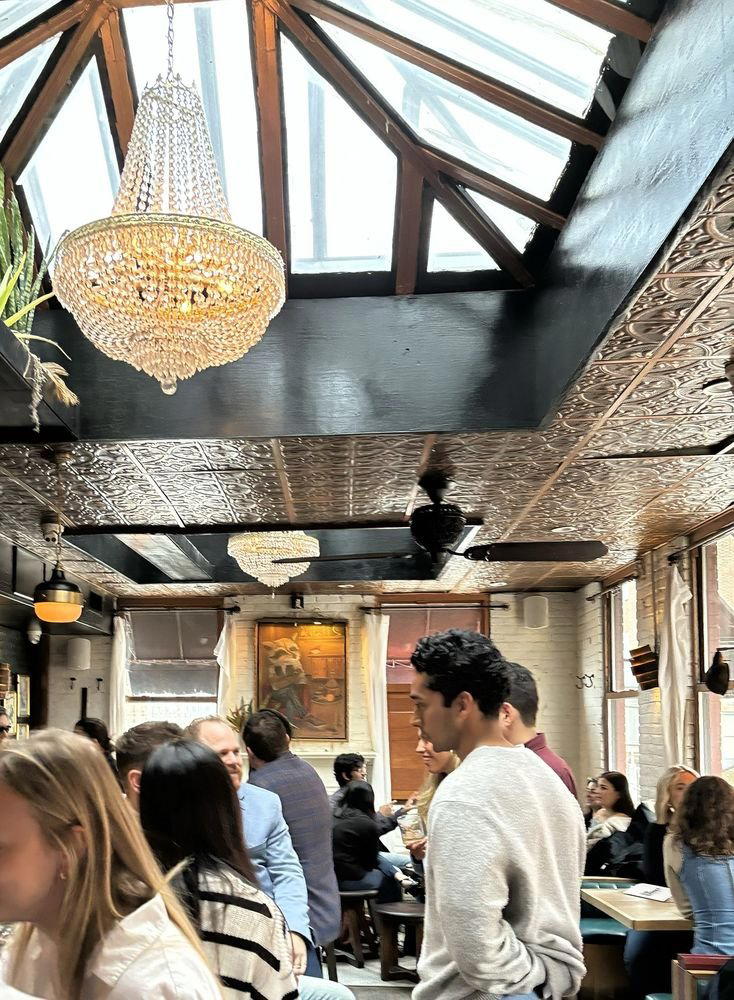
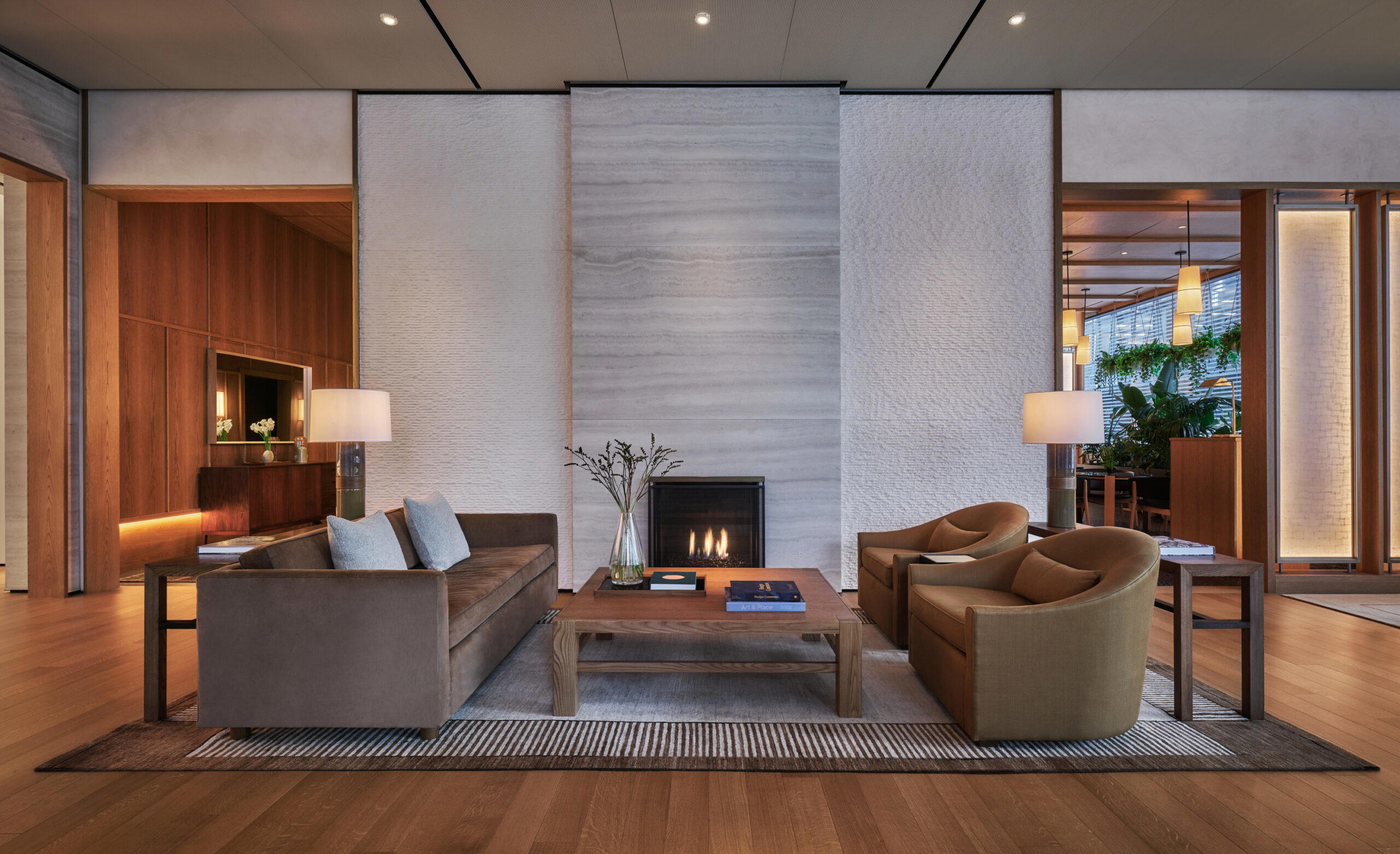
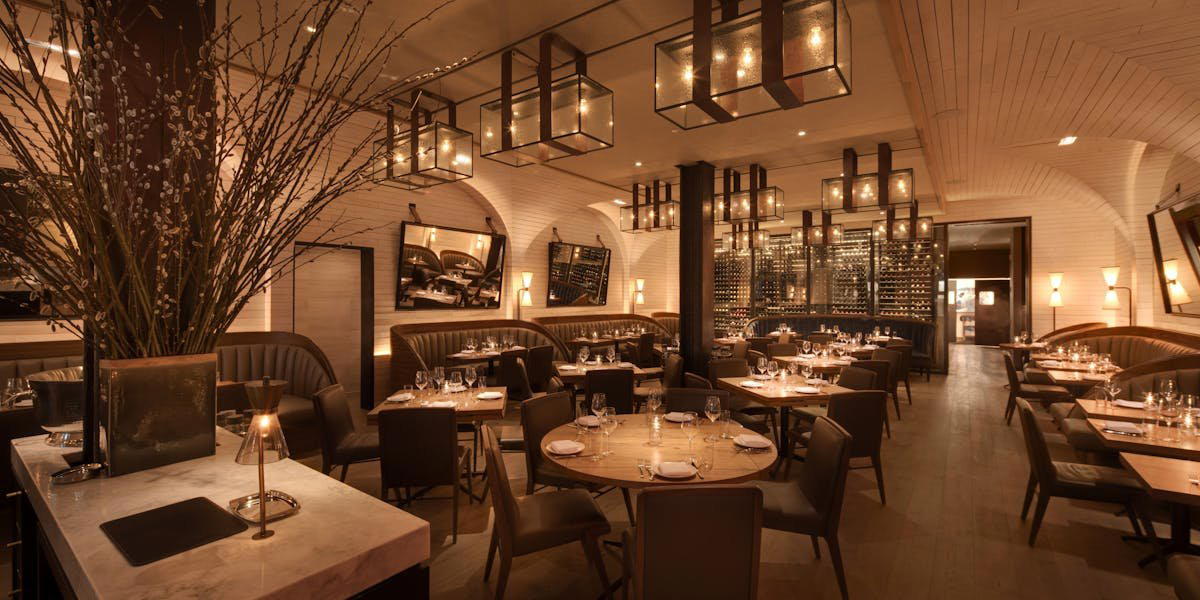
Murray Hill and the NoMad corridor support a particular kind of evening crowd: professionals from the adjacent office towers, hotel guests from the cluster of mid-range and upper-mid properties nearby, and a regular clientele drawn by proximity rather than destination dining. Italian rooms in this neighborhood tend toward comfort over provocation, with lighting calibrated for conversation and service trained to move at a pace that accommodates a full three-course progression without rushing toward the turn.
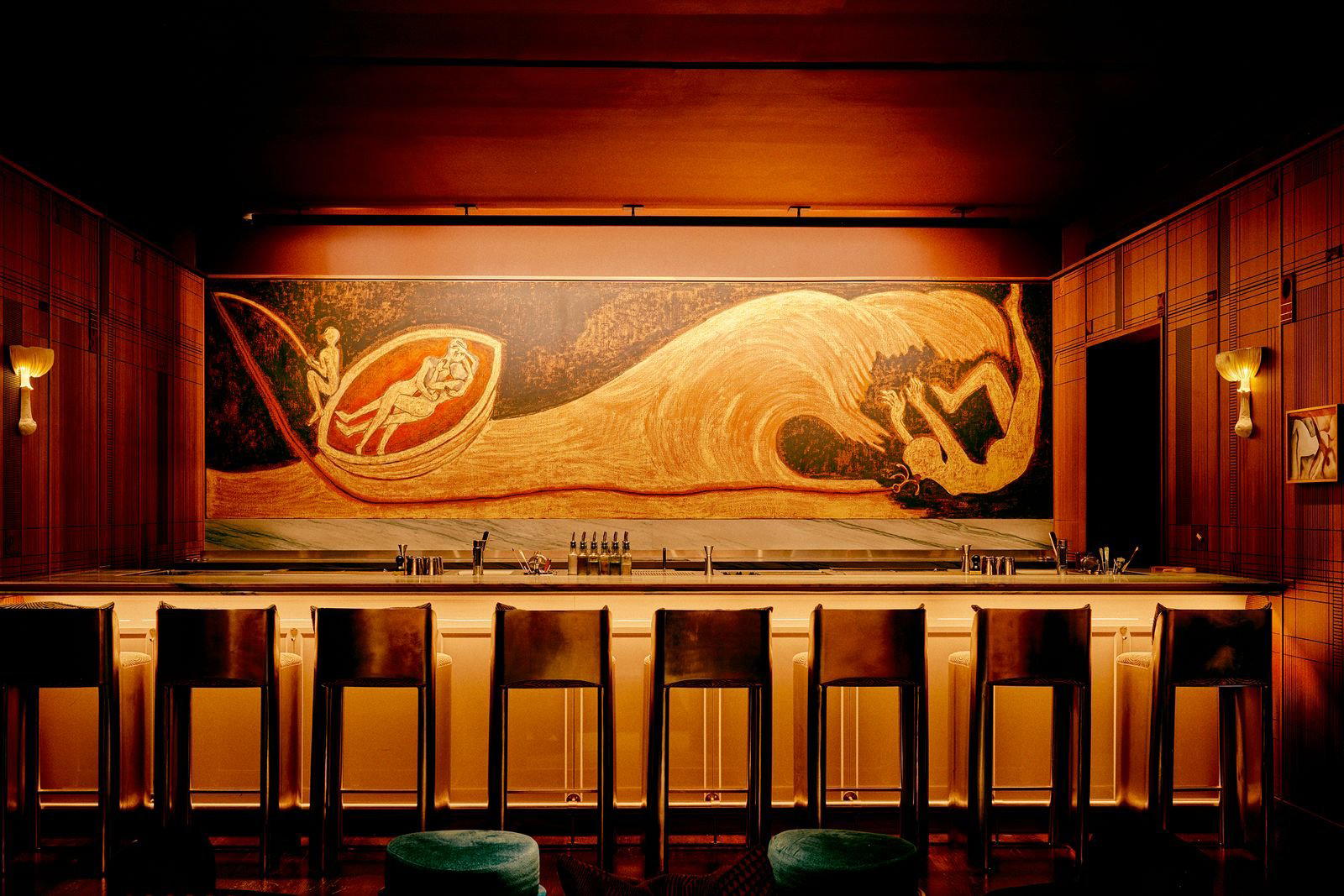
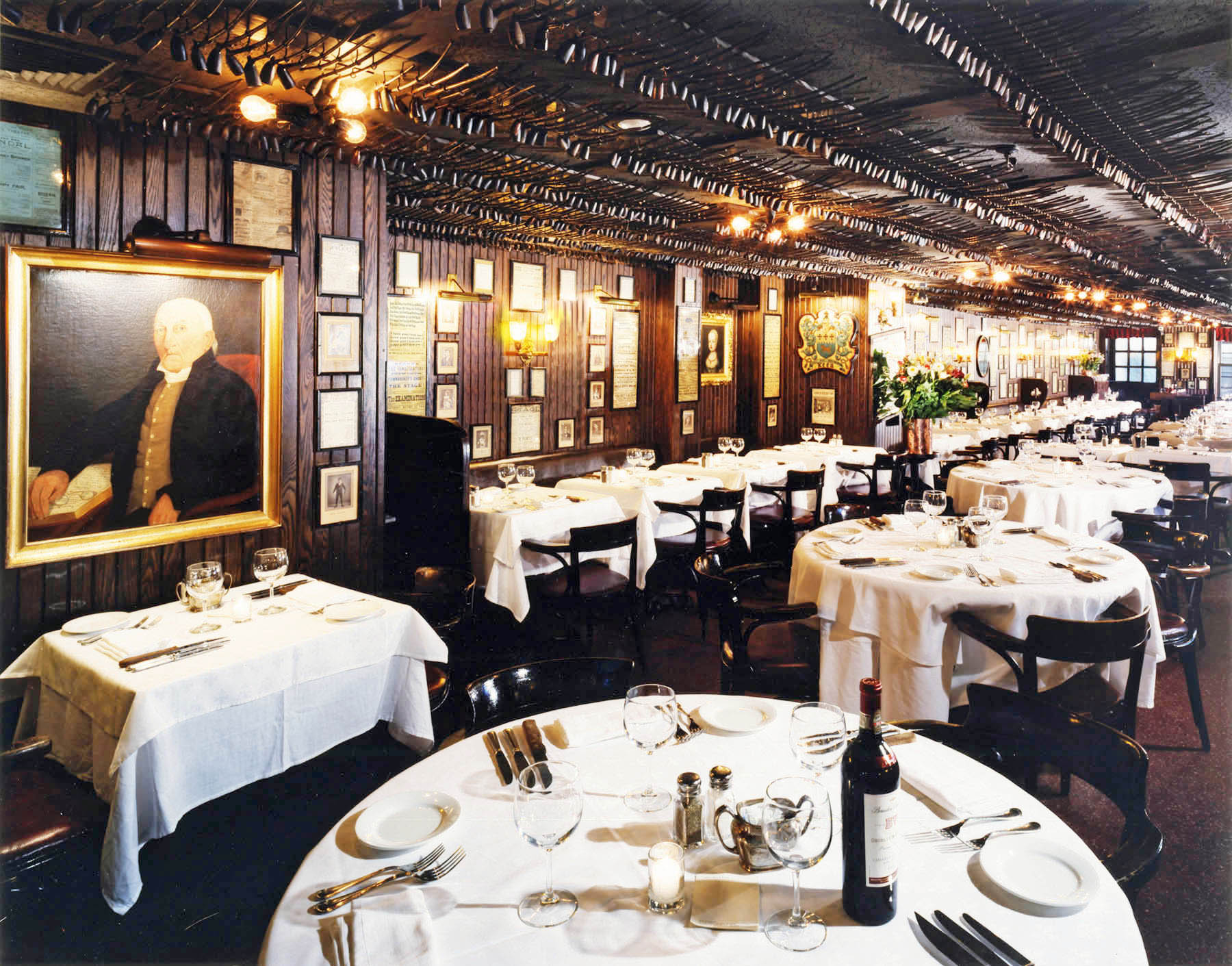
At the upper end of New York's Italian market, the dining room aesthetic has largely moved away from the formal European model. Rooms like Scarpetta's operate in a register that is polished without being stiff, where the formality is carried by technique and sourcing rather than by tablecloth weight or sommelier ceremony. For comparison, the French fine-dining tier anchored by Le Bernardin and Per Se maintains a structural formality that Italian rooms at equivalent price points have largely abandoned. The Korean fine-dining cohort, represented by Atomix and Jungsik New York, has moved in a different direction entirely, toward deliberate ritual and counter-format intimacy. Italian rooms occupy a middle register: structured enough to signal occasion, relaxed enough to sustain a regular habit.
Menu Focus and What to Order
Scarpetta's menu is built around handmade pasta, which in the current Italian fine-dining context functions as the primary technical signal. The quality of a restaurant's pasta program, more than any other element, indicates kitchen discipline and commitment to craft. Fresh pasta requires daily production, precise hydration ratios, and consistent execution under service pressure. Restaurants that treat pasta as a secondary item tend to show it in the texture and the sauce-to-pasta ratio. Restaurants where the pasta program is central tend to build the rest of the menu around supporting it.
Across the American Italian fine-dining tier, the pasta course is where the sourcing decisions become most legible. The flour, the egg quality, the technique (whether rolled or extruded, dried or fresh), and the sauce construction all read in the final plate in ways that protein-centered dishes can obscure. Seasonal vegetable compositions tend to accompany pasta courses more naturally than anywhere else on the menu, which is where the sustainability angle and the cooking tradition converge most directly.
For reference points on how Italian fine dining is handled at the highest international tier, 8 1/2 Otto e Mezzo Bombana in Hong Kong and Alain Ducasse at Louis XV in Monte Carlo represent the European-luxury end of Mediterranean-influenced fine dining, where the reference point for ingredient sourcing is Mediterranean geography rather than the American farm-to-table framework. The American iteration, at restaurants like Scarpetta, tends to hybridize both traditions.
Comparable Destinations Across the US
The broader national context for serious Italian and contemporary American fine dining includes several kitchens that have made sustainability and sourcing integral to their editorial identity. Alinea in Chicago operates at a different conceptual register entirely, but its discipline around seasonal composition has influenced how American fine dining thinks about menu architecture. The French Laundry in Napa grows a portion of its own produce across the street. Providence in Los Angeles has built a sourcing narrative around sustainable seafood. Addison in San Diego and The Inn at Little Washington both operate kitchen gardens. Bacchanalia in Atlanta has maintained a farm-sourcing model since the 1990s. Lazy Bear in San Francisco and Emeril's in New Orleans each represent regional approaches to the same underlying question: how much of a restaurant's identity should be legible through its supply chain.
Know Before You Go
Address: 88 Madison Ave, New York, NY 10016
Neighbourhood: Murray Hill / NoMad corridor, Manhattan
Ideal time to visit: Autumn months, when seasonal Italian menus in New York tend to reflect the strongest local produce windows (late September through November)
Booking: Advance reservations are advisable; weekend evenings at this tier in New York fill several weeks ahead
Nearby transit: Multiple Midtown subway lines within a short walk of Madison and 28th Street
Frequently asked questions
Is Scarpetta okay with children?
Scarpetta at 88 Madison Ave occupies the NoMad corridor, where the evening crowd skews toward hotel guests and professionals from adjacent office towers. The room's tone suits a quieter, adult-focused dinner rather than a family outing. Parents with older, restaurant-experienced children should find it manageable; it is not designed around younger diners.
What should I expect atmosphere-wise at Scarpetta?
The Madison Avenue address places Scarpetta squarely in Murray Hill and the NoMad hotel district, which draws a professional and hotel-guest crowd most evenings. Expect a composed, mid-volume dining room rather than a high-energy scene. The setting suits a business dinner or a considered night out more than a celebratory group table.
How does Scarpetta fit into New York City's upscale Italian dining scene?
New York's upscale Italian tier in 2024 runs from red-sauce institutions in the outer boroughs to stripped-back pasta counters in lower Manhattan, with Scarpetta at 88 Madison Ave positioned toward the fine-dining end of that range. Its NoMad address aligns it with hotel-adjacent dining rooms that prioritise execution and room polish over neighbourhood casualness. For guests comparing options, the handmade pasta focus places it alongside kitchens where technique, rather than concept, is the main argument.
What should I eat at Scarpetta?
The menu centres on handmade pasta, which functions as the primary technical marker in the current Italian fine-dining context. In kitchens operating at this tier on the Madison Avenue corridor, pasta production signals kitchen discipline more reliably than any other category. Order from that section first and build the rest of the meal around it.
Peers Worth Knowing
Comparable venues nearby, for context on price, style, and recognition.
| Venue | Cuisine | Price | Notes |
|---|---|---|---|
| ScarpettaThis venue (the venue you are viewing) | Modern Italian Fine Dining | $50–100 | Not listed |
| Pietro's | Classic Italian Steakhouse | $50–100 | East Midtown-Turtle Bay |
| Cecconi's | Modern Northern Italian | $50–100 | Downtown Brooklyn-DUMBO-Boerum Hill |
| Elio's | Classic Italian Neighborhood Trattoria | $100–150 | Upper East Side-Yorkville |
| Bad Roman | Modern Italian | $50–100 | Upper West Side-Lincoln Square |
| Bocelli | Authentic Italian Trattoria | $50–100 | Grasmere-Arrochar-South Beach-Dongan Hills |
Recognition history
Dated appearances from independent guides and award organizations, with the underlying list record or original source where available.
Opinionated About Dining Top Restaurants in North America Recommended
Opinionated About Dining