
Satsuma is a late-evening Osaka yakiniku address in Dojima, built around Japanese barbecue, tripe, shochu and wine rather than elaborate tasting-menu theater. Its repeated Tabelog 100 Yakiniku selections from 2018 through 2025 place it in a serious local category, while the room’s counter-led format gives the meal the rhythm of a regulars’ haunt.
Pearl is the En Primeur Club membership app — saves, bookings, and concierge access live there. Same editors, same standards.
- Address
- 1 Chome-1-21 Dojima, Kita Ward, Osaka, 530-0003, Japan
- Phone
- +81 6-6345-1565
- Website
- tabelog.com
 Saves & bookings on Pearl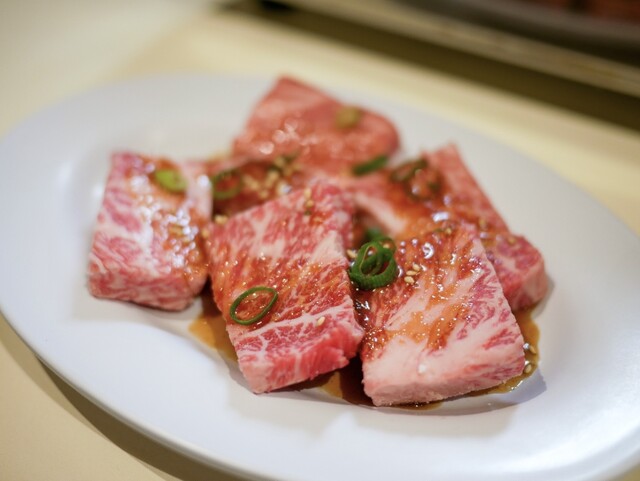
Dojima after office hours speaks in a different register from Osaka’s daytime food streets: smaller buildings, quieter entrances, diners who know where they are going. Here, yakiniku is not excess but social code, paced by grill, smoke, short pours, and the confidence to order without turning dinner into performance. Satsuma fits that Osaka grammar: Japanese barbecue and tripe, shochu and wine, a counter-led room, and an address where repeat custom matters more than theater.
Osaka’s eating reputation is often reduced to takoyaki, okonomiyaki, and market grazing, but its serious night restaurants are better read through Kita, Kitashinchi, and Dojima. These districts reward compact formats, late meals, and post-work diners rather than tourists collecting dishes. Yakiniku suits that pattern: the table sets the tempo, small appetite and long conversation both work, and offal can share billing with muscle cuts when the kitchen knows its audience.
Dojima yakiniku for diners who already know the rhythm
The regulars’ perspective matters because yakiniku is partly an unwritten-menu culture. It is not just ordering beef; it is sequence, heat, smoke, and knowing when to move from familiar cuts into tripe. Satsuma’s categories, yakiniku and tripe, say more than a broad “Japanese barbecue” label. They place it in a narrower Osaka tradition where texture and pacing matter, and pleasure comes from repetition as much as novelty.
That is why the Tabelog 100 Yakiniku record carries weight. Selection in the 2025 WEST list, with earlier selections back to 2018, signals durability in a fiercely local category. A Tabelog score of 3.73 is not casual in Japan’s conservative restaurant-rating culture, where local users can be severe. The point is not that one score settles the matter, but that sustained selection puts Satsuma inside Osaka’s recognized yakiniku conversation rather than among interchangeable grill rooms.
Compared with higher-spend Osaka yakiniku peers such as Higyu and Yakiniku Futoro, in the JPY 10,000 to JPY 14,999 dinner bracket, Satsuma occupies a more grounded lane. That matters for repeat visits. Luxury beef rooms can turn dinner into an occasion; Dojima’s smaller barbecue counters can become a habit, especially for friends, drinks, and late-night appetite. The distinction is not status versus simplicity, but what the diner wants the evening to do.
The appeal is smoke, offal literacy, and a room built for return visits
Tripe is a useful test of a yakiniku restaurant’s seriousness. Many visitors think first of marbled beef; regulars often read the offal list as the stronger signal. Osaka has long been comfortable with texture-driven eating, and yakiniku gives that instinct a direct stage: chew, char, salt, sauce, and drink pairings moving between shochu and wine. No dish needs mythologizing. The format rewards diners who enjoy control and let the meal build in small increments.
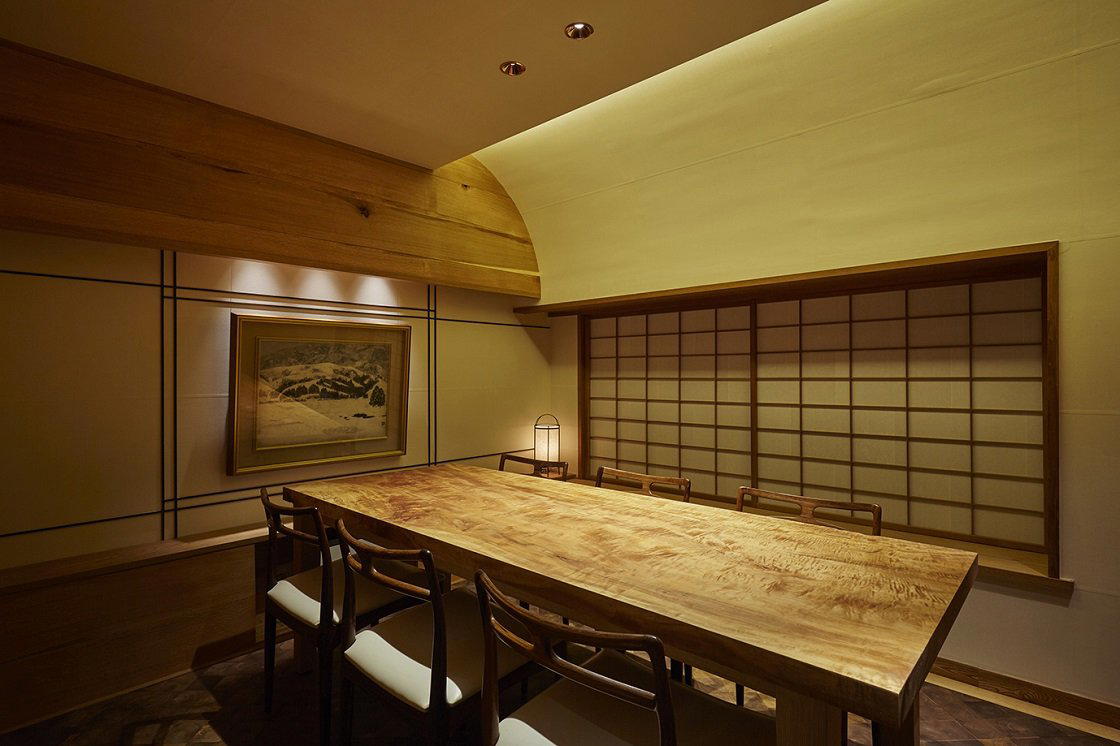
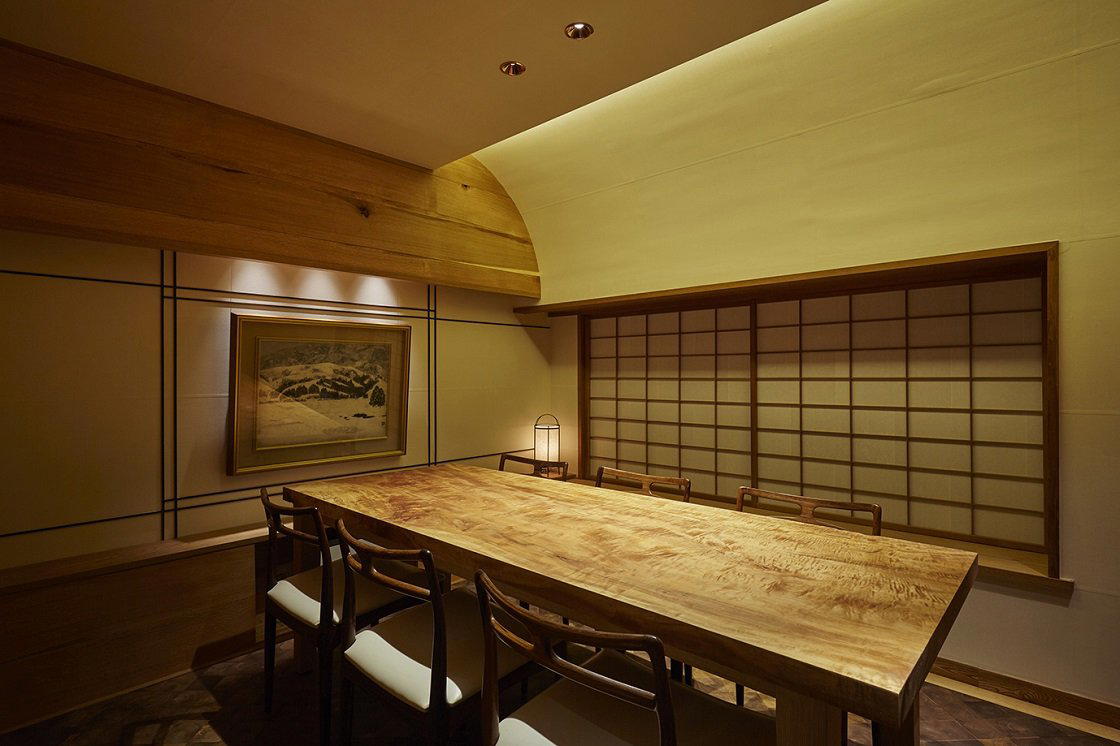
The counter reinforces that pattern. Counter dining in Japan is often discussed through sushi, tempura, and kappo, but yakiniku counters create another intimacy: less ceremony, more shared heat. The room needs no chef biography to justify itself. Its strength is narrowing attention to the grill and the company. For travelers, that can reveal more than another polished course menu, because it shows how Osaka eats when the evening is not staged for visitors.
Dojima shapes expectations. This is not Dotonbori’s neon crush, nor the department-store restaurant floors stacked for convenience. The neighborhood’s restaurant culture is more adult, more post-work, often more compact. In that context, Satsuma’s appeal is less discovery than fit: it fits the district, the hour, and the diner who wants yakiniku with enough reputation to matter but without the rigid choreography of formal fine dining.
Comparison with other Osaka categories sharpens the choice. Sushi addresses such as AKA to SHIRO ask for another kind of attention; kushiage specialists such as kushiage 010 frame dinner around fried-skewer progression; Chinese rooms such as Kosai Fukumimi offer a route into technically precise, convivial eating. Yakiniku sits apart because the guest participates in the cooking. That participation is the point, and regulars return because the format never feels identical twice even when habits are familiar.
How to place it within an Osaka food itinerary
For a serious Osaka dining run, Satsuma works better as a night-out anchor than a survey-course restaurant. It does not summarize Kansai cuisine. It answers a specific desire: grilled beef and offal in compact Dojima, with enough recognition to plan around and enough informality to avoid an overproduced evening. That combination is harder to find than it sounds, especially where international attention pushes diners toward omakase counters and tasting menus.
Use the city context to balance it. Morning or midday might lean toward bakeries and casual staples such as 52CHO-ME BAKERY, .cafe, or pork-bun institution 551 Horai (551蓬莱). Another dinner could swing Italian at a canto (Italian) or pizza at 99 Pizza Napoletana Gourmet. For wider planning, keep Our full Osaka restaurants guide, Our full Osaka hotels guide, Our full Osaka bars guide, Our full Osaka wineries guide, and Our full Osaka experiences guide in the same orbit.
Japan’s dining map rewards looking sideways, not only upward. Beef-focused meals take another form at -Grilled beef Sukiyaki- KAMAKURA TANUKIAN 鎌倉 たぬき庵 in Kamakura, while charcoal-led casual drinking has another expression at. 鮪と炭火焼き うお炭 秋葉原店 in Tokyo. Regional contrast runs from.know in Kumamoto to (Shoku) Vietnam in Kawasaki, [Curry Senmon Ten] Maruyama Kyoju. in Sapporo, and [ki:] in Kyoto. Across the Pacific, Jōdo Saké Bar in Los Angeles and Onigiri Time in Pasadena show how Japanese formats travel and change outside Japan.
The critical read is clear: this is an Osaka yakiniku choice for diners who value atmosphere, repeatability, and offal fluency over grand presentation. Its recognition gives the booking credibility; its Dojima setting gives it context; its grill-driven format keeps the meal social rather than ceremonial. For the right evening, that is exactly the point.
Side-by-Side Snapshot
Comparable venues by cuisine and price in the same metro.
| Venue | Cuisine | Price | Notes |
|---|---|---|---|
| SatsumaThis venue — the venue you are viewing | Traditional Yakiniku (Japanese BBQ) | $$ | Not listed |
| Okonomiyaki Chigusa | Traditional Osaka Okonomiyaki & Teppan Grill | $$ | Kita |
| Shuhari Tanimachi yonchome ten | Traditional handmade soba & tempura | $$ | Chūō |
| Magic Spice Naniwa ten | Sapporo-style soup curry | $$ | Naniwa |
| Shibaken | Premium branded-pork tonkatsu & curry | $$ | Miyakojima |
| Tsukiro | Japanese Udon | $$ | Nishinari |
Recognition history
Dated appearances from independent guides and award organizations, with the underlying list record or original source where available.
Tabelog 100 #95 · No. 95
Tabelog · Tabelog 100 - Yakiniku - WEST - 2025
Continue exploring
More in Osaka
Restaurants in Osaka
Browse all →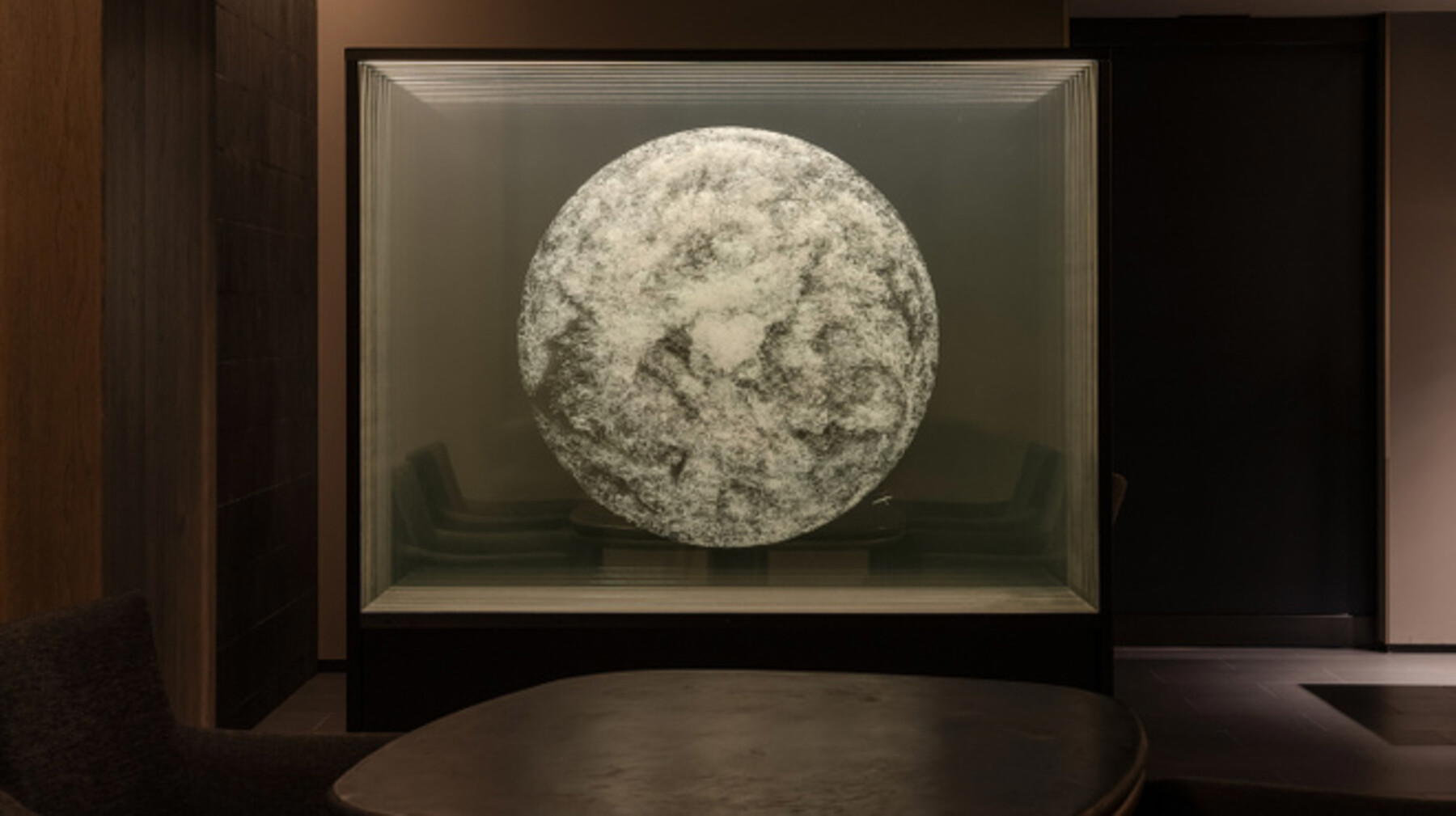

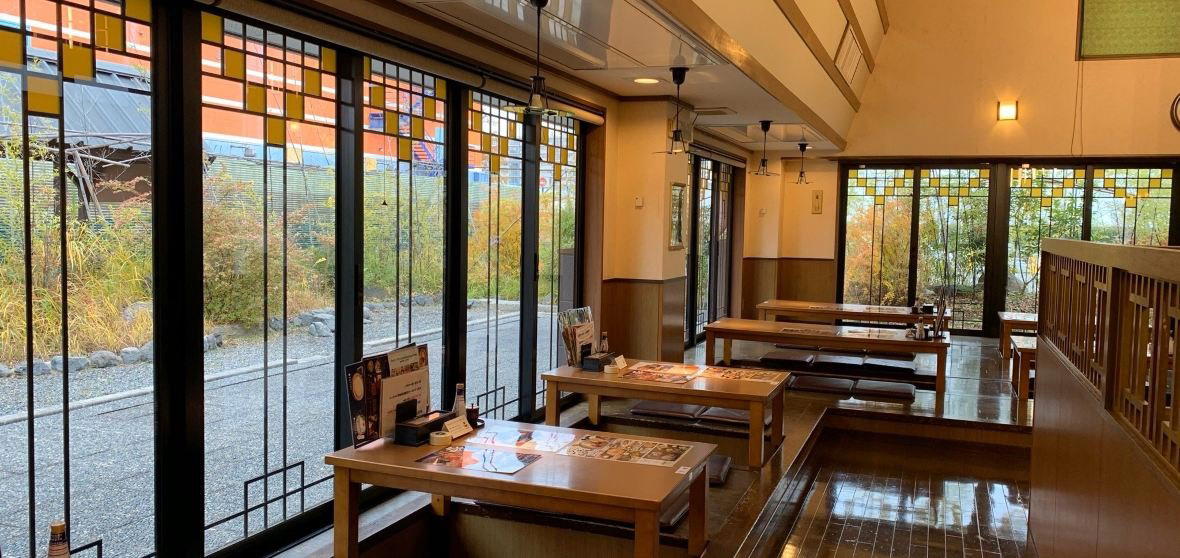
Bars in Osaka
Browse all →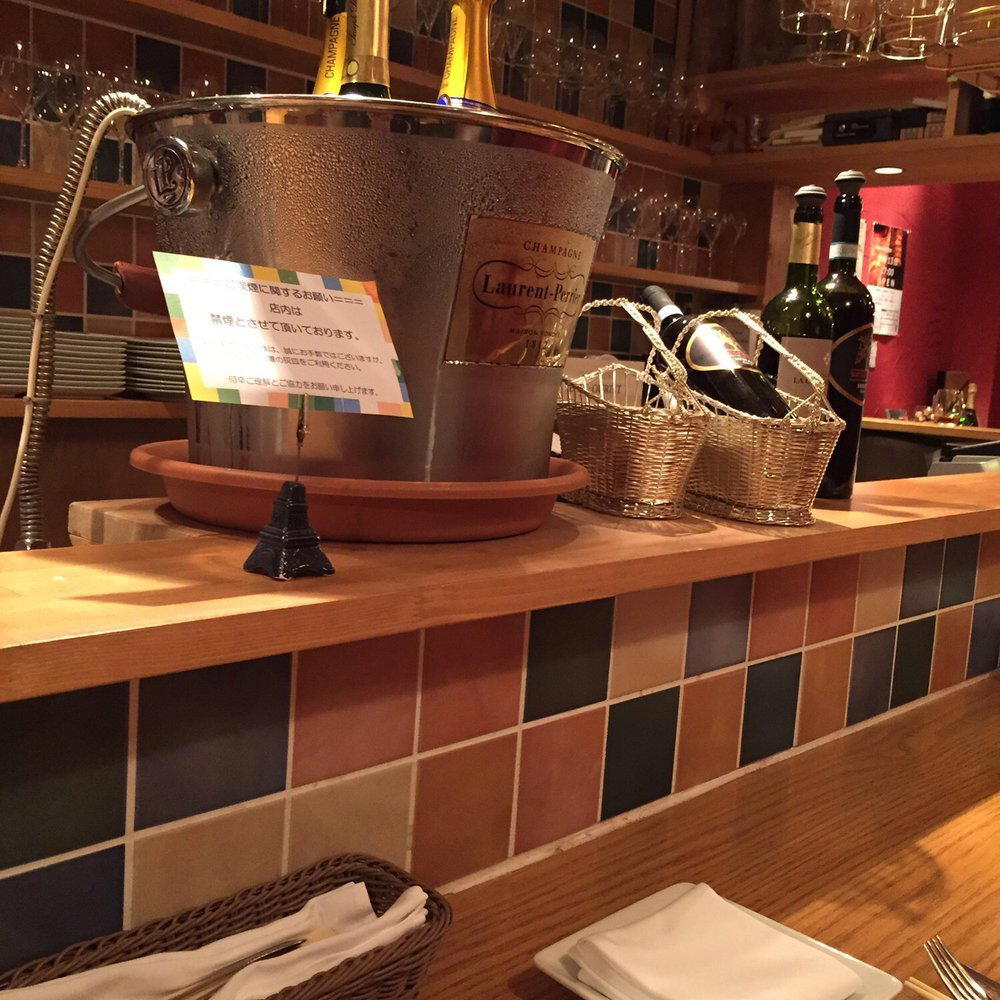
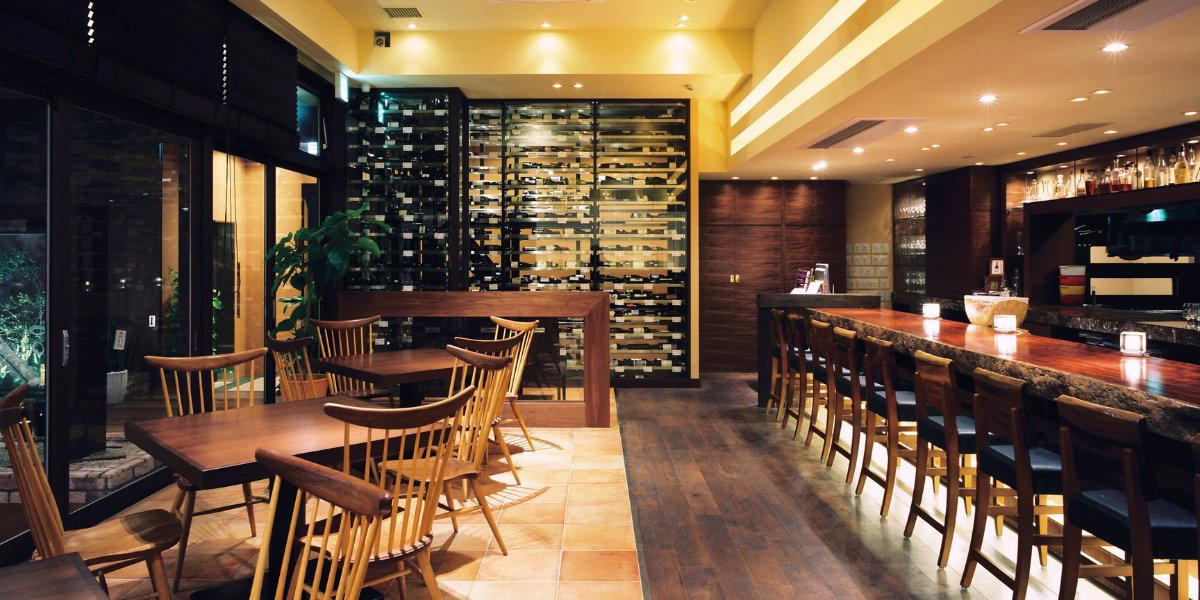
Hotels in Osaka
Browse all →


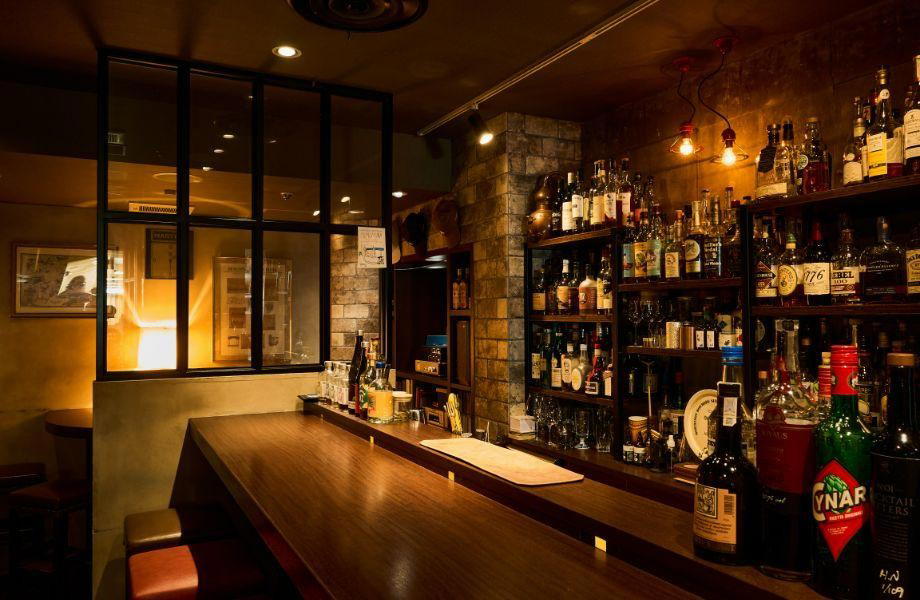
Wineries in Osaka
Browse all →
At a Glance
- Cozy
- Lively
- Intimate
- After Work
- Late Night
- Casual Hangout
- Group Dining
- Standalone
Current opening hours
- Monday
- 5:30 PM–3 AM
- Tuesday
- 5:30 PM–3 AM
- Wednesday
- 5:30 PM–3 AM
- Thursday
- 5:30 PM–3 AM
- Friday
- 5:30 PM–3 AM
- Saturday
- 5:30 PM–12:30 AM
- Sunday
- Closed
Hours can change for holidays and private events. Last verified .
Small, counter-focused yakiniku hideout in Kitashinchi with a cozy, slightly smoky late-night atmosphere, geared toward friends and industry crowds rather than families.