
A small Kitakagaya udon room with counter seating and a disciplined local rhythm, Tsukiro belongs to Osaka’s serious everyday-noodle tier rather than its luxury dining circuit. Its Tabelog Udon WEST 100 selection for 2024, compact 17-seat format, and udon, curry udon, and tempura focus make it a useful lens on how Osaka treats craft as a daily habit, not a ceremony.
Pearl is the En Primeur Club membership app — saves, bookings, and concierge access live there. Same editors, same standards.
- Address
- 大阪府大阪市西成区南津守7-14-7
- Phone
- +81666524408
- Website
- tabelog.com
 Saves & bookings on Pearl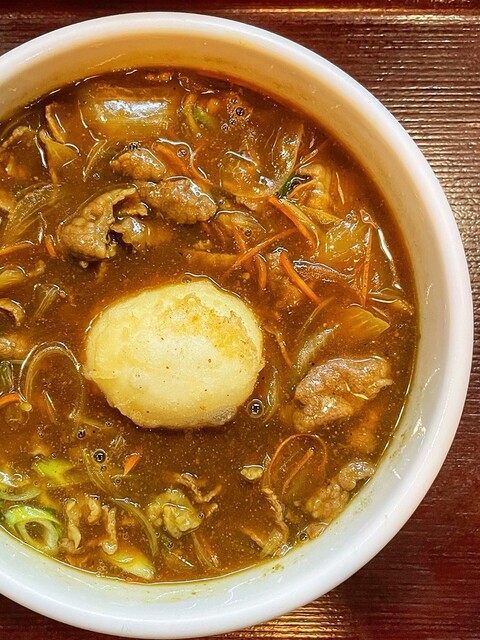
Southwest of central Osaka, Kitakagaya slows the tempo before the meal begins. Its station-area streets are lower, quieter, and more residential than Umeda or Namba’s restaurant corridors, which suits udon: arrive, wait if needed, choose decisively, eat while the noodles hold texture, and leave the seat for the next diner. Tsukiro fits that ritual with a compact room, counter seating, and a menu centred on udon, curry udon, and tempura rather than tasting-menu performance cues.
Osaka’s noodle culture is often flattened abroad into takoyaki, okonomiyaki, and late-night neon, but udon is one of the city’s most revealing meals. It sits between speed and care. Prices remain accessible by Japanese urban standards, while serious shops are judged on small variables: noodle elasticity, broth balance, frying timing, and how quickly the kitchen moves bowls through limited seats. Tsukiro’s 2024 Tabelog Udon WEST 100 selection places it in that regional conversation, among shops judged within western Japan’s deeply competitive udon field rather than against fine-dining restaurants.
Osaka udon as a timed ritual, not a long lunch
The format matters. Udon rewards attention in the first minutes after serving, and its etiquette is practical rather than precious. Slurping is not theatre; it cools noodles and draws aroma forward. Tempura, when ordered, follows the same timing logic. Curry udon adds another Osaka comfort-food register with technical demands: the curry must cling without turning the bowl into stew, and the noodles need enough structure to survive the sauce’s heat and weight.
Tsukiro’s small scale is not decorative. Seventeen seats, including five at the counter, keep it closer to a neighbourhood noodle shop than a destination dining room. That also explains the pace: parties should be lean, solo dining is natural, and the counter is often the cleanest way to read the operation. Conversation happens, but the bowl sets the clock.
Osaka’s comparison set is unusually compressed on price. Zouya, New Tonsuke, Kamaage Udon Raku, and M Kasse sit in a similar JPY 1,000 to JPY 1,999 band, while Kashiya is listed lower. The clustering says something important: serious everyday food does not need luxury pricing to develop a ranking culture. Selection lists and local ratings become shorthand for consistency, not ceremony. For travellers, the useful question is not whether udon is expensive, but whether a shop is worth planning around when the meal may last less than an hour.
Why Kitakagaya changes the reading of the bowl
Kitakagaya frames the experience differently from central Osaka dining. The Yotsubashi Line keeps it within reach, but the neighbourhood has a more local grain than areas built around visitors, department-store dining floors, and hotel concierges. That matters because udon is tied to repeat custom. The test is not spectacle; it is whether a room satisfies regulars who know the texture and pacing they want.
Tsukiro opened in 2008, giving it a longer operating history than many social-media-driven noodle counters. Longevity alone is not proof of quality, but in a low-price, high-repeat category it carries weight. Restaurants in this tier do not survive on destination traffic alone. They need speed, portion, cost, and craft in workable balance, especially outside the city’s obvious dining zones.
The absence of private rooms and the presence of counter seating set expectations. This is not for a drawn-out business meal. Treat it as a precise stop in an Osaka eating day: a noodle-focused lunch, an early-evening bowl on the limited nights when dinner service applies, or a route marker for travellers building an itinerary around everyday food rather than hotel dining. For broader Osaka planning, use Our full Osaka restaurants guide, Our full Osaka hotels guide, Our full Osaka bars guide, Our full Osaka wineries guide, and Our full Osaka experiences guide.
How to place it in an Osaka eating day
The smart approach is to resist expectations borrowed from omakase or kaiseki. The value is narrow craft executed inside a civic routine. Osaka excels at this eating: compact spaces, short menus, strong regular-customer logic, and prices that make repeat visits plausible. A noodle stop can be as revealing as a formal reservation.
Travellers mapping casual meals across the city can use Tsukiro as the udon anchor, then read outward across Osaka’s low-to-mid-price food culture: 551 Horai (551蓬莱) for the city’s famous takeaway rhythm, 52CHO-ME BAKERY for bakery culture.cafe for cafe pacing, 99 Pizza Napoletana Gourmet for imported craft through an Osaka lens, and a canto (Italian) for a more composed Italian meal. The point is not to rank them together, but to see how the city moves between quick, specialised formats and longer dining rooms.
There is also value in comparing the ritual with Japanese comfort-food formats beyond Osaka. Beef sukiyaki at -Grilled beef Sukiyaki- KAMAKURA TANUKIAN 鎌倉 たぬき庵 in Kamakura, grilled fish and tuna at. 鮪と炭火焼き うお炭 秋葉原店 in Tokyo, curry at [Curry Senmon Ten] Maruyama Kyoju. in Sapporo, and onigiri at Onigiri Time in Pasadena all show how focused formats depend on repetition and timing. For wider reference points, see.know in Kumamoto, (Shoku) Vietnam in Kawasaki, [ki:] in Kyoto, and Jōdo Saké Bar in Los Angeles.
The editorial read is simple: Tsukiro is for diners who care about the discipline of a bowl, not the theatre around it. Its recognition, seat count, and neighbourhood setting point the same way. Plan it as a focused udon meal within Osaka’s everyday dining circuit, and the format makes sense.
Accolades, Compared
Comparable venues side-by-side for orientation.
| Venue | Cuisine | Price | Notes |
|---|---|---|---|
| TsukiroThis venue — the venue you are viewing | Japanese Udon | $$ | Not listed |
| DINING | Japanese Kaiseki and Teppanyaki | Not listed | Osaka |
| Soba Kiri Oshiro | Traditional Soba Noodle Shop | $$ | Abeno |
| curry condor | Modern Japanese spice curry | $$ | Nishi |
| Sakitori Ya | Kyushu-style Chicken & Regional Japanese Cuisine | $$ | Chūō |
| Oban | Traditional Yakiniku Counter | $$ | Kita |
Recognition history
Dated appearances from independent guides and award organizations, with the underlying list record or original source where available.
Tabelog 100 #83 · No. 83
Tabelog · Tabelog 100 - Udon - WEST - 2024
Continue exploring
More in Osaka
Restaurants in Osaka
Browse all →




Bars in Osaka
Browse all →

Hotels in Osaka
Browse all →



Wineries in Osaka
Browse all →
At a Glance
- Cozy
- Classic
- Solo
- Casual Hangout
- Standalone
Relaxed, no-frills neighborhood noodle shop with counter seating and a small, intimate dining room.