
Sate House brings Indonesian cooking to Taipei's Da'an District with a two-year streak of Michelin Bib Gourmand recognition (2024 and 2025), a modest price point, and a menu rooted in the grilled, spiced traditions of the archipelago. Chefs Tyler Peek and Ryan Simorangkir run the kitchen, making it one of a small number of Southeast Asian specialists in the city to earn sustained Michelin attention.
Pearl is the En Primeur Club membership app — saves, bookings, and concierge access live there. Same editors, same standards.
- Address
- No. 15號, Leli Rd, Da’an District, Taipei City, Taiwan 106
- Phone
- +886 2 2732 5048
- Website
- satehouse.eatingout.com.tw
- Directions
- Get directions
 Saves & bookings on Pearl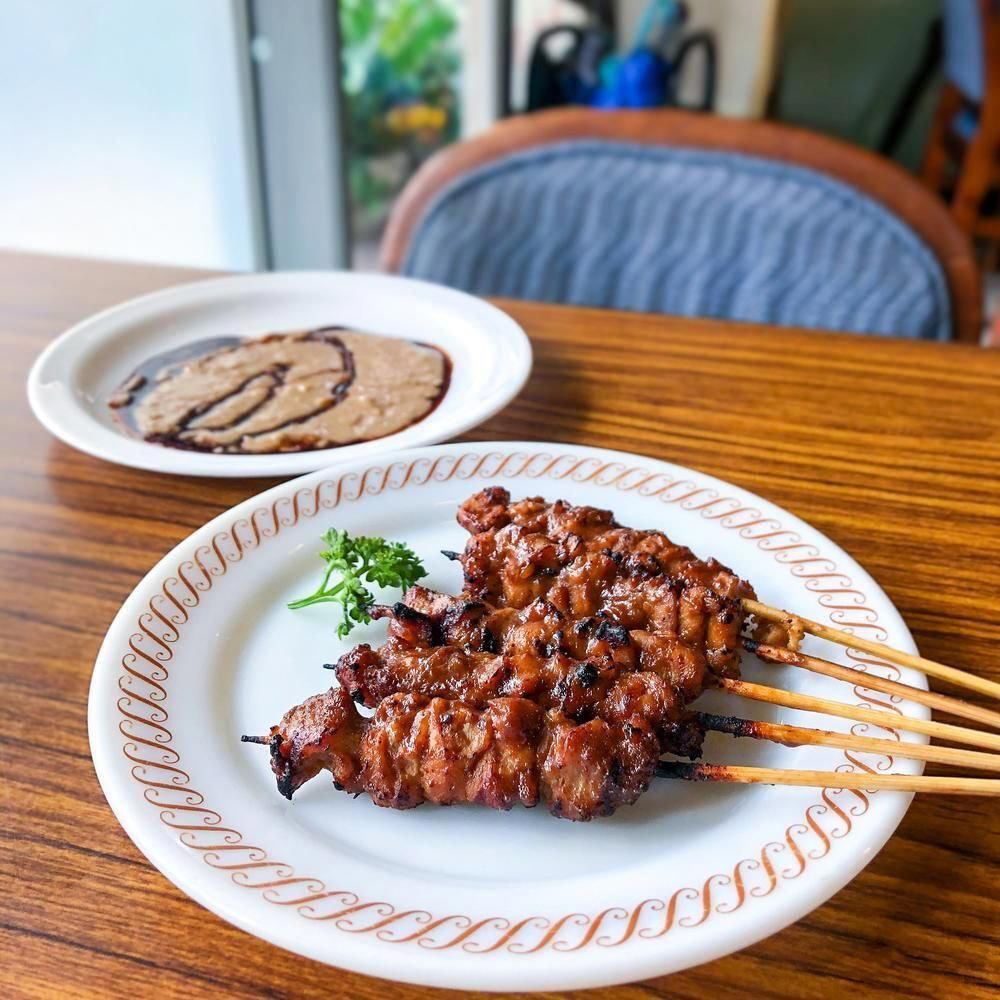
Where Indonesian Cooking Finds an Unlikely Home
Da'an District does not advertise itself as a corridor for Southeast Asian cuisine. The neighbourhood's dining identity runs toward Japanese counters, Taiwanese comfort spots, and the occasional Western import. Sate House is an Indonesian restaurant in Taipei's Da'an District, and it was awarded the Michelin Bib Gourmand in 2024 and 2025. Leli Road, where Sate House occupies a low-key address at No. 15, sits within that broader Da'an grid, a street-level presence that does not signal its significance from the outside. That gap between exterior and interior is, in itself, a useful cue about what the restaurant represents: the kind of place that earns its following on the food rather than the facade.
The cooking here is Indonesian, and the context matters. Taipei's restaurant scene is exceptionally deep in Japanese technique, Cantonese tradition, and Taiwanese-contemporary experimentation, Indonesian cuisine, by contrast, occupies a narrow lane in the city's formal dining map. Sate House is among the few kitchens working in that lane with enough rigour to attract Michelin's Bib Gourmand designation, awarded in both 2024 and 2025, which recognises good cooking at a moderate price rather than luxury-level production.
The Logic of Indonesian Cuisine at This Price Point
The Bib Gourmand category exists precisely to identify kitchens where the cooking-to-cost ratio tips in the diner's favour. Sate House sits in the $$ tier, placing it well below the fine-dining bracket occupied by venues like L'Atelier de Joël Robuchon or Molino de Urdániz. That positioning is not accidental. Indonesian cooking, with its reliance on spice pastes, charcoal grilling, and slow-cooked preparations, has historically sat closer to the everyday end of the market, both in its home country and in diaspora contexts abroad. What the restaurant does is apply consistent kitchen discipline to a cuisine that rewards that discipline more than most.
Grilled preparations central to the menu draw on a tradition where provenance of ingredients, quality of the marinade, and precision of heat are everything. This is not a cuisine that hides behind reduction sauces or elaborate plating. When the base ingredients are sound and the technique is clean, the results are direct.4 across 1,011 reviews suggests that consistency has registered with a broad cross-section of diners, not just those already familiar with Indonesian food.
Sustainability Inside a Cuisine Built on Restraint
Indonesian cooking has always operated with an implicit sustainability logic, even when that framing was never applied to it. The cuisine's foundational approach, using the whole animal, building depth through spice rather than protein volume, constructing flavour from fermented pastes and long-cooked stocks rather than expensive primary cuts, is structurally low-waste. Sate, the dish that gives this restaurant its name, is a case in point: small portions of marinated meat on skewers, typically served with peanut-based sauces and compressed rice, produce high flavour yield from modest ingredient quantities.
Across the global Indonesian dining scene, this tension between tradition and sustainability consciousness is increasingly active. Locavore NXT in Ubud operates at the high-investment end of that conversation, building tasting menus explicitly around local sourcing and waste reduction. Cumi Bali in Singapore brings a different register, and Dija Mara in Oceanside works the tradition from a California diaspora vantage point. The restaurant does not publicise a formal sustainability programme, but the cuisine's inherent economy of means aligns it with kitchens that extract maximum value from careful ingredient selection at accessible price points.
At the $$ price tier, the operational discipline required to deliver Bib Gourmand-level cooking without significant margin headroom tends to produce careful purchasing decisions by necessity as much as ideology. That structural reality is worth naming, because it shapes the dining experience even when it is not foregrounded on the menu.
Chefs Tyler Peek and Ryan Simorangkir
The kitchen is run by Tyler Peek and Ryan Simorangkir, a pairing that reflects a pattern visible in other Southeast Asian-focused restaurants earning recognition in East Asian cities: the combination of someone with deep roots in the source cuisine alongside a partner who brings operational or cross-cultural experience. The Bib Gourmand designation, held across two consecutive Michelin guide cycles, is the clearest verifiable signal of their kitchen's consistency.
Taipei's Wider Indonesian Dining Gap
Placing the restaurant in the context of Taipei's full dining map sharpens its significance. Taiwan's Michelin coverage spans several cities and formats: JL Studio in Taichung works Southeast Asian technique at a starred level; GEN in Kaohsiung represents southern Taiwan's own culinary identity; A Cun Beef Soup in Tainan anchors the Bib Gourmand tier for Taiwanese comfort food; and Akame in Wutai Township engages indigenous Taiwanese ingredients through fine-dining methods. Against this landscape, the restaurant is the point where Indonesian culinary tradition intersects with Michelin's assessment framework in Taipei, a relatively rare alignment.
For visitors moving through Taiwan's dining circuit, the restaurant functions as a useful counterpoint to the tasting-menu density of the upper tier. After a multi-course progression at one of Da'an's formal European or Japanese counters, an evening built around charcoal-grilled skewers and spiced rice preparations reads as both a register change and a reminder that the Bib Gourmand category exists for exactly this reason.
Know Before You Go
Address: No. 15, Leli Road, Da'an District, Taipei City, Taiwan 106
Price range: $$ (moderate; Michelin Bib Gourmand tier)
Awards: Michelin Bib Gourmand 2024; Michelin Bib Gourmand 2025
Cuisine: Indonesian
Kitchen leads: Tyler Peek and Ryan Simorangkir
4 / 5 (973 reviews)
Booking: Reservations recommended
Hours: Wed-Sun 11:30 AM-2:30 PM, 5:30-9 PM; Mon-Tue closed
What Should I Order at Sate House?
The restaurant's name is the clearest menu signal available. Sate, marinated meat grilled over charcoal and served with accompanying sauces and rice, is the structural anchor of Indonesian cooking and almost certainly the dish around which the kitchen has built its identity and its Michelin recognition. The Bib Gourmand award in both 2024 and 2025 implies that the cooking delivers consistently across repeat visits from assessors who return specifically to verify quality, not just to confirm an initial impression. Beyond the headline preparations, Indonesian menus in this format typically extend into rice dishes, vegetable sides with spiced dressings, and soup-based offerings, all carrying the spice-paste depth that defines the cuisine. One reliable approach is to order widely from the kitchen's core selections on the day and let the spiced, charcoal-led preparations drive the meal. Chefs Tyler Peek and Ryan Simorangkir have shaped a kitchen that Michelin's inspectors have found worth returning to across consecutive guide cycles, which is especially useful ordering instruction available: trust the house direction rather than engineering around it.
A Credentials Check
Comparable venues nearby, for context on price, style, and recognition.
| Venue | Cuisine | Price | Awards | Notes |
|---|---|---|---|---|
| Sate HouseThis venue — the venue you are viewing | Authentic Indonesian | $$ | Bib Gourmand | Not listed |
| Yuan Wei | Authentic Taiwanese Home-Style | $$ | Bib Gourmand | Jiangong |
| Sung Chu Yuan | Traditional Taiwanese Farm-to-Table | $$ | Bib Gourmand | Gongguan |
| Noodle House | Dining | Not listed | Bib Gourmand | Taipei |
| Din Tai Fung (Xinyi Road) | Taiwanese Xiao Long Bao | $$ | Bib Gourmand | Jingxin |
| Jen Ho Yuan | Authentic Yunnanese | $$ | Bib Gourmand | Heng'an |
Recognition history
Dated appearances from independent guides and award organizations, with the underlying list record or original source where available.
Michelin Plate
Michelin
Michelin Bib Gourmand
Michelin
Michelin Bib Gourmand
Michelin
Continue exploring
More in Taipei
Restaurants in Taipei
Browse all →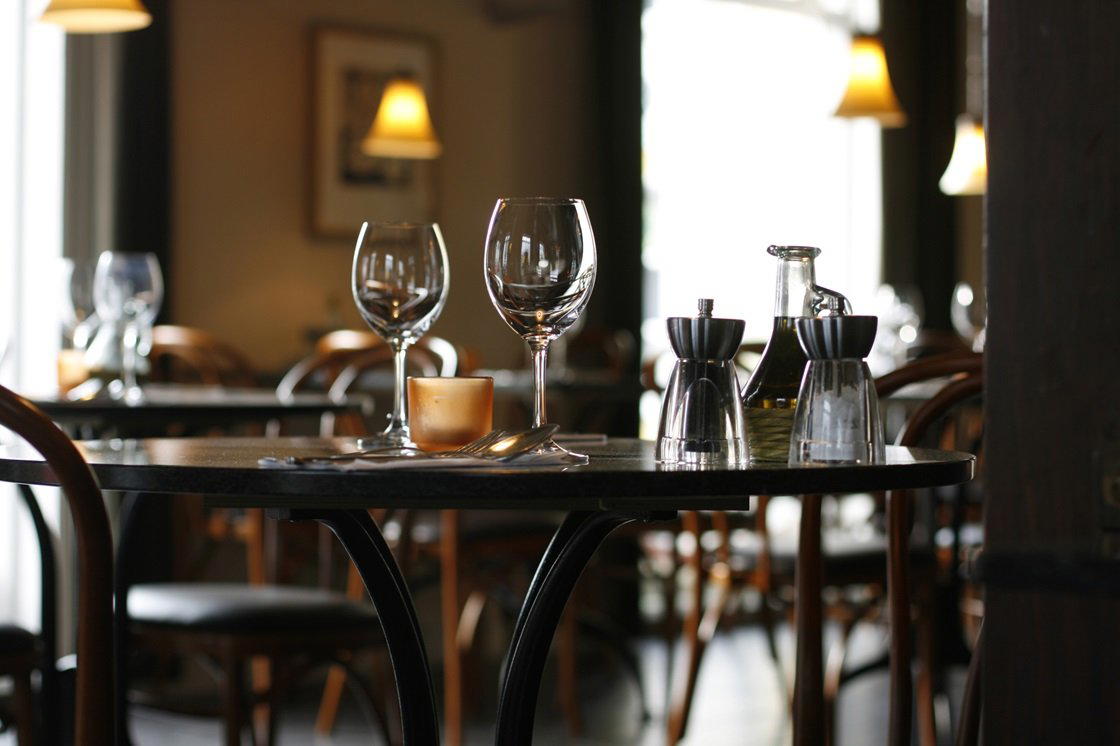
Bars in Taipei
Browse all →
Hotels in Taipei
Browse all →

Wineries in Taipei
Browse all →
At a Glance
- Cozy
- Rustic
- Casual Hangout
- Group Dining
- Standalone
Current opening hours
- Monday
- Closed
- Tuesday
- Closed
- Wednesday
- 11:30 AM–2:30 PM, 5:30–9 PM
- Thursday
- 11:30 AM–2:30 PM, 5:30–9 PM
- Friday
- 11:30 AM–2:30 PM, 5:30–9 PM
- Saturday
- 11:30 AM–2:30 PM, 5:30–9 PM
- Sunday
- 11:30 AM–2:30 PM, 5:30–9 PM
Hours can change for holidays and private events. Last verified .
Cozy atmosphere with Indonesian knickknacks and ornaments imparting ethnic charm in a simple, warm setting.