
A Michelin Bib Gourmand recipient in both 2024 and 2025, Cumi Bali brings Indonesian cooking to a Tras Street shophouse in Tanjong Pagar, where Chef Fiona's menu holds its own in one of Singapore's most competitive dining corridors. The price point sits firmly in accessible territory, making it a practical choice for a milestone meal that doesn't require a special-occasion budget.
Pearl is the En Primeur Club membership app — saves, bookings, and concierge access live there. Same editors, same standards.
- Address
- 50 Tras St, Singapore 078989
- Phone
- +65 6220 6619
- Website
- cumibali.com
- Directions
- Get directions
 Saves & bookings on Pearl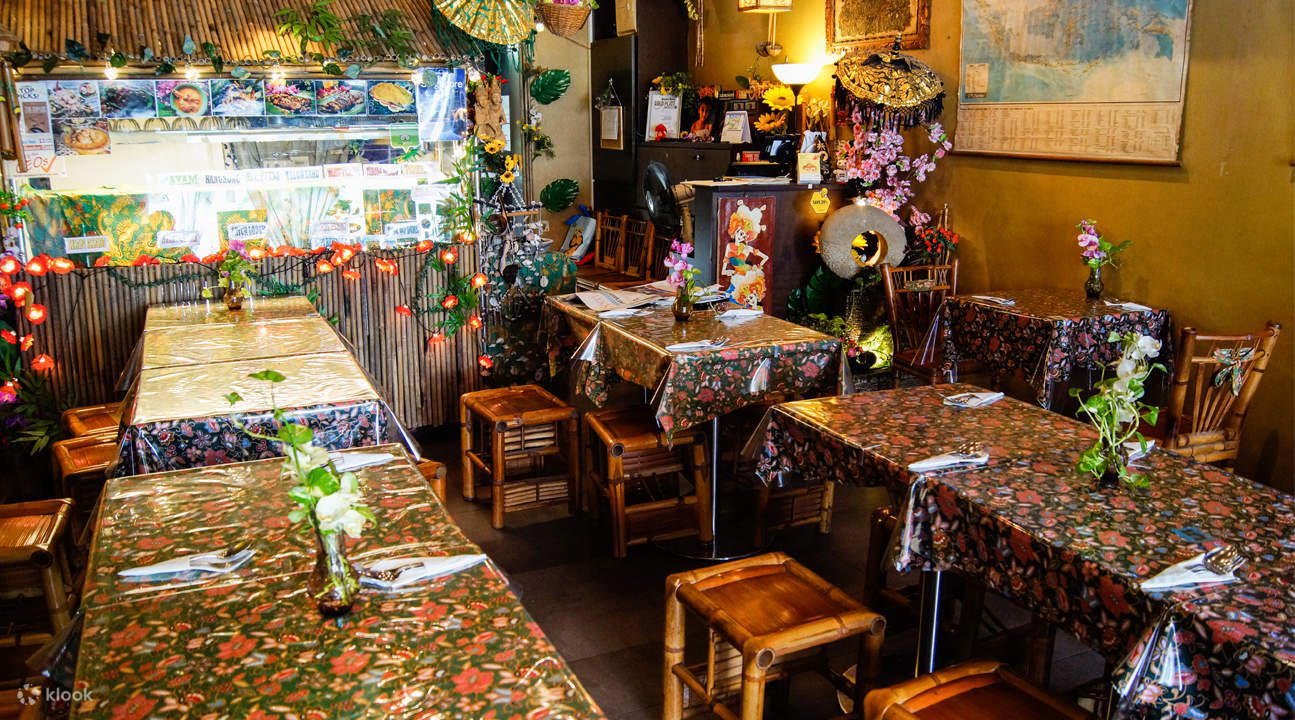
Tanjong Pagar and the Case for Indonesian Cooking at Celebration Price
Tras Street sits inside Tanjong Pagar, a district that has quietly become one of Singapore's most layered dining corridors. Within a few hundred metres you can move from traditional Cantonese to modern European, from ramen counters to wine bars. Against that backdrop, Indonesian cuisine occupies a distinct position: it is simultaneously familiar to much of Singapore's population and consistently underrepresented at the level where Michelin auditors pay attention. Cumi Bali is one of the addresses where that gap closes.
The Bib Gourmand designation is worth unpacking in this context. It signals food of notable quality at a price point the guide considers accessible, which in Singapore's current dining economy means the kitchen is outperforming its bracket. For a celebration meal, that arithmetic matters: you are not paying the $$$ or $$$$ premiums attached to, say, Jaan by Kirk Westaway or Zén, yet you are still eating food that the guide has recognized twice in succession.
The Room Before the Food
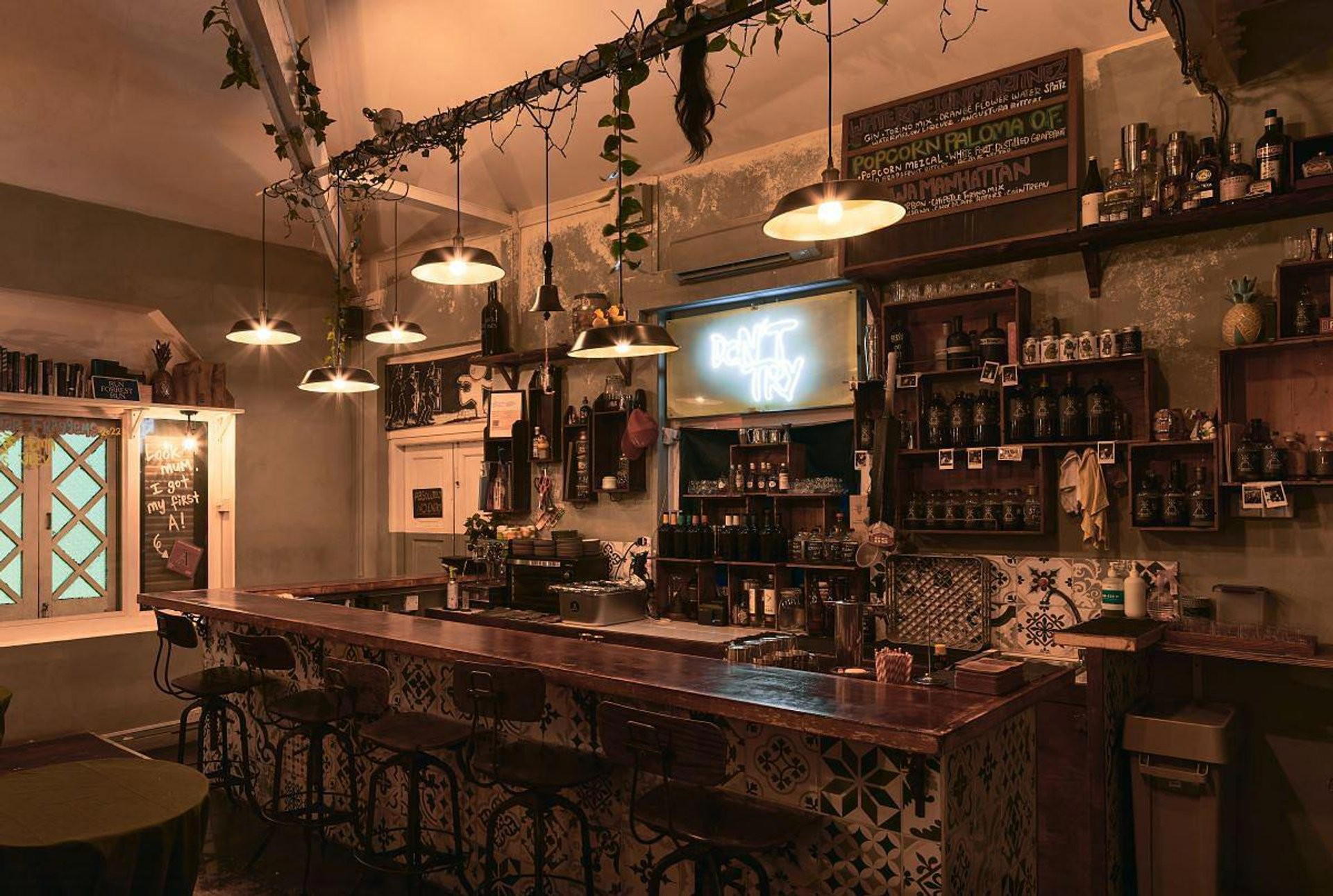
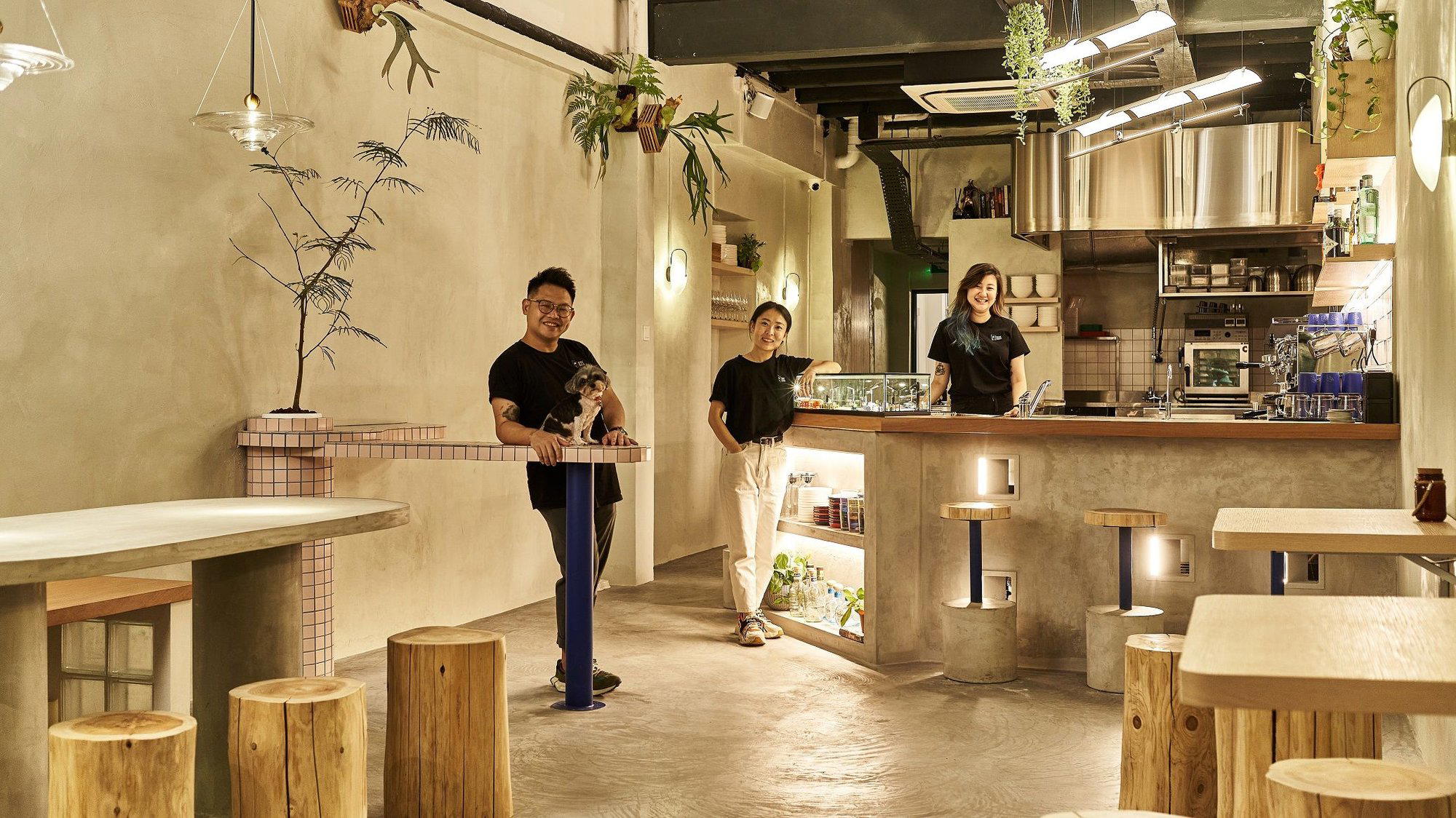
Tanjong Pagar shophouses carry a particular character: narrow frontages, high ceilings, tiled floors that retain the afternoon heat, and a street-level intimacy that larger restaurant formats cannot replicate. Arriving on Tras Street in the early evening, the area is already active, the pre-dinner foot traffic mixing office workers with people who have made a specific reservation. The shophouse format sets an expectation of close quarters and a certain informality, which works for Indonesian cooking.
That format aligns naturally with occasion dining. A birthday, an anniversary, a long-overdue catch-up meal: these are events that benefit from a table set up for sharing rather than individual plating. Indonesian food's architectural logic, where sambal, proteins, and vegetable preparations arrive in relation to one another rather than in sequence, makes the table feel generous without requiring a tasting menu format.
Chef Fiona and the Indonesian Tradition in Singapore
Chef Fiona leads the kitchen at Cumi Bali, and the Indonesian cooking tradition she draws on has deep roots in Singapore. The island's demographic history means Indonesian and Malay cooking have been part of the city's food culture for generations, but the number of venues operating at Michelin recognition level remains small. Tambuah Mas in Orchard represents the longer-established end of that tradition; Cumi Bali sits in a newer, more sharply focused tier.
The name itself gestures toward the geography: cumi is the Indonesian word for squid, and Bali grounds the cooking in a specific regional identity within Indonesia's enormous archipelago. Balinese cuisine differs from Javanese or Sumatran cooking in its spice vocabulary and its relationship to ceremonial food culture. That regional specificity, when it holds, gives Indonesian restaurants a more coherent identity than venues that try to represent the entire archipelago simultaneously.
Across the broader Indonesian dining scene, the question of regional focus versus national representation is one of the defining tensions. Kaum in Jakarta approaches this through an archival lens, documenting dishes from across the archipelago. Nusantara by Locavore in Ubud takes a fine-dining format to the same question. The restaurant works from a tighter, more focused position,
Occasion Dining at the $$ Tier: What That Actually Means
Singapore's restaurant pricing has stretched considerably at the upper end. A tasting menu at Odette or Les Amis now prices against comparable European formats, which is to say it requires a specific kind of occasion commitment. The restaurant's $$ positioning means a table for two can mark a celebration without the financial weight that three- and four-dollar-sign venues carry. That does not diminish the occasion; it redirects the value equation. The Bib Gourmand recognition is precisely the signal that makes this comparison coherent.
For a milestone meal, the practical argument runs as follows. Indonesian shared plates mean you can order broadly, covering multiple preparations across the table. The Tanjong Pagar location means post-dinner options are within walking distance. The shophouse setting has enough character to carry the atmosphere of a special occasion without requiring the formal codes that fine-dining venues impose.
Where Cumi Bali Sits in the Wider Indonesian Dining Scene
Indonesian cooking has been gaining traction across multiple cities simultaneously. Locavore NXT in Ubud operates at the experimental end of the spectrum. Dija Mara in Oceanside and Sate House in Taipei demonstrate the cuisine's reach into markets with no particular geographic proximity to Indonesia. Lucky Indonesia in Hong Kong and Feria in Treviso extend the picture further. Even in Schagen in the Netherlands, Indonesian cooking maintains a presence rooted in colonial-era migration history.
Within that global spread, Singapore remains among the more logical places for Indonesian cooking to achieve recognition. The ingredient supply lines are short, the customer base is culturally familiar with the cuisine, and the Michelin guide covers the market.
Planning a Visit
The restaurant is at 50 Tras Street, Singapore 078989, in the Tanjong Pagar conservation shophouse district, walkable from Tanjong Pagar MRT. The $$ pricing makes it accessible for a celebration that doesn't require advance financial planning, and the informal, shared-plate format suits groups marking an occasion together.
Style and Standing
Comparable venues nearby, for context on price, style, and recognition.
| Venue | Cuisine | Price | Awards | Notes |
|---|---|---|---|---|
| Cumi BaliThis venue — the venue you are viewing | Authentic Indonesian | $$$ | Bib Gourmand | Not listed |
| True Blue Cuisine | Authentic Peranakan | $$$ | Bib Gourmand | BRAS BASAH |
| Indocafé | Authentic Peranakan & Nyonya Cuisine | $$$ | Bib Gourmand | GOODWOOD PARK |
| Whole Earth | Plant-based Peranakan-Thai | $$$ | Bib Gourmand | CHINATOWN |
| Kotuwa | Modern Sri Lankan | $$$ | Michelin Plate | INSTITUTION HILL |
| Belimbing | New-Gen Singaporean | $$$ | Michelin Plate | KAMPONG GLAM |
Recognition history
Dated appearances from independent guides and award organizations, with the underlying list record or original source where available.
Michelin Guide Bib Gourmand
Michelin Guide
Michelin Bib Gourmand
Michelin
Michelin Bib Gourmand
Michelin
Continue exploring
More in Singapore
Restaurants in Singapore
Browse all →
Bars in Singapore
Browse all →


At a Glance
- Cozy
- Elegant
- Rustic
- Group Dining
- Special Occasion
- Family
- Standalone
- Local Sourcing
Current opening hours
- Monday
- 11:30 AM–2:30 PM, 6–9:30 PM
- Tuesday
- 11:30 AM–2:30 PM, 6–9:30 PM
- Wednesday
- 11:30 AM–2:30 PM, 6–9:30 PM
- Thursday
- 11:30 AM–2:30 PM, 6–9:30 PM
- Friday
- 11:30 AM–2:30 PM, 6–9:30 PM
- Saturday
- 11:30 AM–2:30 PM, 6–9:30 PM
- Sunday
- 11:30 AM–2:30 PM, 6–9:30 PM
Hours can change for holidays and private events. Last verified .
Cozy Balinese decor with artefacts, bamboo furnishings, and comfortable atmosphere praised in reviews.