On Côte-des-Neiges, Restaurant Ermitage occupies a stretch of Montreal where neighbourhood dining runs deep and formal pretension runs thin. The room draws regulars who return for consistency rather than spectacle, placing it in a tier of mid-scale Montreal restaurants where the kitchen's relationship to French and Québécois tradition matters more than tasting-menu theatrics. A address worth knowing for those who prefer substance over ceremony.
Pearl is the En Primeur Club membership app — saves, bookings, and concierge access live there. Same editors, same standards.
- Address
- 5024 Chem. de la Côte-des-Neiges, Montréal, QC H3V 1G6, Canada
- Phone
- +15147353886
- Website
- restaurantermitage.com
- Directions
- Get directions
 Saves & bookings on Pearl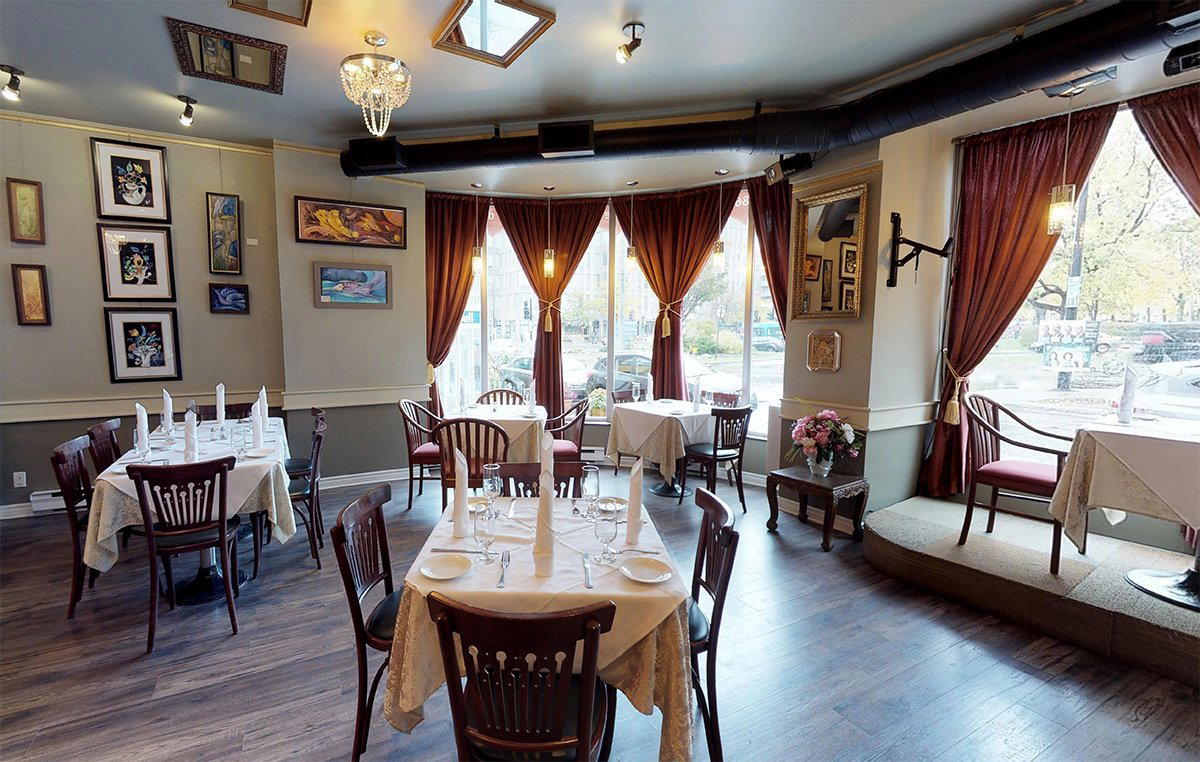
A Street Where Montreal Dines on Its Own Terms
Côte-des-Neiges is not a neighbourhood that performs for visitors. The long artery climbing toward the mountain serves one of Montreal's most densely populated and culturally layered communities, and the restaurants along it tend to reflect that reality: they cook for the people who actually live there, not for the out-of-town reservation rush. Restaurant Ermitage, at 5024 Chemin de la Côte-des-Neiges, sits inside that logic. It is not a destination engineered for discovery; it is a place with a postal code and a regulars list, which in Montreal carries its own form of credibility.
Montreal's dining identity has always split along a particular fault line. On one side sit the grandes tables: Jérôme Ferrer's Europea at the $$$$ tier, the kind of room where the service choreography is as considered as the plate. On the other side sits a longer, quieter tradition of neighbourhood restaurants where French and Québécois technique meet everyday appetite. Ermitage belongs to the second tradition. Understanding where it sits in that broader pattern is more useful than treating it as an isolated curiosity.
The Atmosphere Before the Menu
Chemin de la Côte-des-Neiges has a specific sensory register. The street does not project glamour. The sound outside is transit and foot traffic, not valet engines. Walking toward a restaurant like Ermitage on this stretch, you are already in a different register than you would be approaching a room on Laurier or Saint-Laurent. The building stock along this corridor is functional, and the restaurants that survive here do so on cooking and consistency rather than on room design.
That context shapes what you find inside. Montreal's most durable neighbourhood restaurants tend to favour warmth over minimalism, tablecloths over raw wood, and a certain deliberateness of service that reads as old-fashioned only if you mistake restraint for backwardness. The sensory experience at a room like this is cumulative rather than theatrical: the smell of a kitchen working with butter and stock, the low register of conversation rather than curated playlists, the way a room settles into itself once it fills.
This is a different pleasure than the high-production dining of a room like Mastard or Sabayon, both of which operate in Montreal's more self-consciously modern tier. Ermitage represents the other current in the city's dining life, one that connects more directly to the French bistro tradition that has never fully left Montreal even as the tasting-menu format has expanded.
Where Ermitage Sits in Montreal's Dining Spectrum
Montreal supports a wider range of French-adjacent cooking than most North American cities its size. The French bistro model, which L'Express on Saint-Denis has anchored for decades at the $$ level, runs parallel to a Québécois comfort tradition represented by spots like 3 Pierres 1 Feu and a more cosmopolitan neighbourhood-restaurant culture visible in places like Abu el Zulof. Ermitage occupies a position somewhere inside this spectrum, on a street that reflects the multicultural density of Côte-des-Neiges rather than any single tradition.
The neighbourhood itself is worth framing. Côte-des-Neiges is home to a significant immigrant population, sits adjacent to the Université de Montréal campus, and runs through some of the city's most practically minded residential blocks. A restaurant that survives here over time is doing something right at the level of value, consistency, or community relationship. Those are not glamorous virtues, but they are real ones.
For context on what high-end French cooking looks like elsewhere in the province, Tanière³ in Quebec City represents the ambitious end of Québécois fine dining, while Aux Anciens Canadiens anchors the traditional end. Ermitage sits in neither of those registers. It is a Montreal restaurant in the most functional sense: oriented toward the neighbourhood it inhabits.
Canadian Dining Context and What It Implies
Across Canada, neighbourhood restaurants that operate outside the major destination circuits often carry more genuine character than their profile suggests. AnnaLena in Vancouver has built a reputation precisely by anchoring itself to a specific neighbourhood sensibility rather than chasing broader recognition. Narval in Rimouski operates in a smaller city but with a similar logic. Eigensinn Farm in Singhampton represents the rural end of that same instinct. The pattern is consistent: places that cook for a specific community rather than a rotating tourist audience develop a different kind of reliability.
That pattern holds in Montreal too. Restaurant Ermitage is not competing in that game, and the comparison would be the wrong frame. The right comparison is with other neighbourhood anchors in Montreal: places where the proposition is consistency and familiarity rather than novelty and progression.
Readers building a wider Canada itinerary can look at Restaurant Pearl Morissette in Lincoln, The Pine in Creemore, or Barra Fion in Burlington for the range of what neighbourhood and regional dining looks like outside Montreal's immediate orbit. And for the top tier of New York reference points that Montreal's most ambitious kitchens benchmark against, Le Bernardin and Atomix represent the competitive ceiling.
For a complete map of where Ermitage sits relative to the full Montreal dining picture, see our full Montreal restaurants guide.
Planning a Visit
- Address: 5024 Chemin de la Côte-des-Neiges, Montréal, QC H3V 1G6
- Neighbourhood: Côte-des-Neiges, mid-slope toward the mountain
- Transport: Côte-des-Neiges metro station (Blue Line) is the practical option for those arriving without a car
- Booking: Specific booking method not confirmed; calling ahead is the standard approach for neighbourhood restaurants in this tier
- Hours: Not confirmed; verify directly before visiting
How Restaurant Ermitage Montréal compares with similar nearby venues.
| Venue | Cuisine | Price |
|---|---|---|
| Park Restaurant | Japanese | $$$$ |

At a Glance
- Classic
- Elegant
- Intimate
- Cozy
- Date Night
- Business Dinner
- Group Dining
- Celebration
- Special Occasion
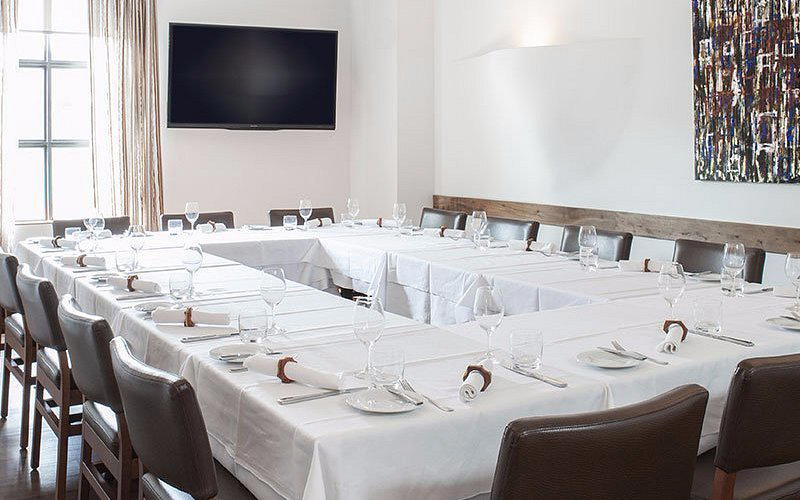
- Private Dining
- Standalone
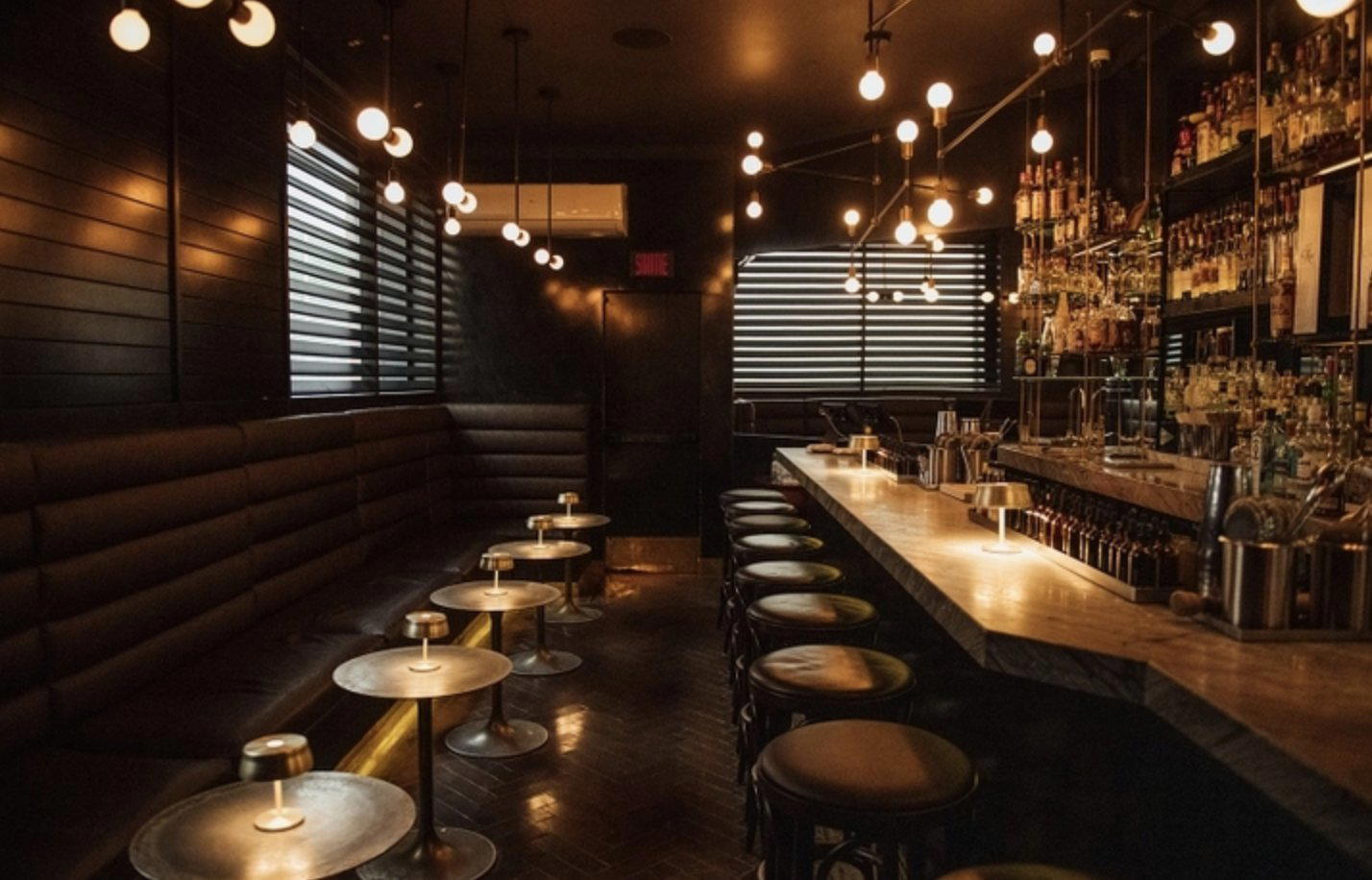
- Craft Cocktails
Current opening hours
- Monday
- Closed
- Tuesday
- 12–3 PM, 6–11 PM
- Wednesday
- 12–3 PM, 6–11 PM
- Thursday
- 12–3 PM, 6–11 PM
- Friday
- 12–3 PM, 6–11 PM
- Saturday
- 2–11 PM
- Sunday
- 2–9 PM
Hours can change for holidays and private events. Last verified .
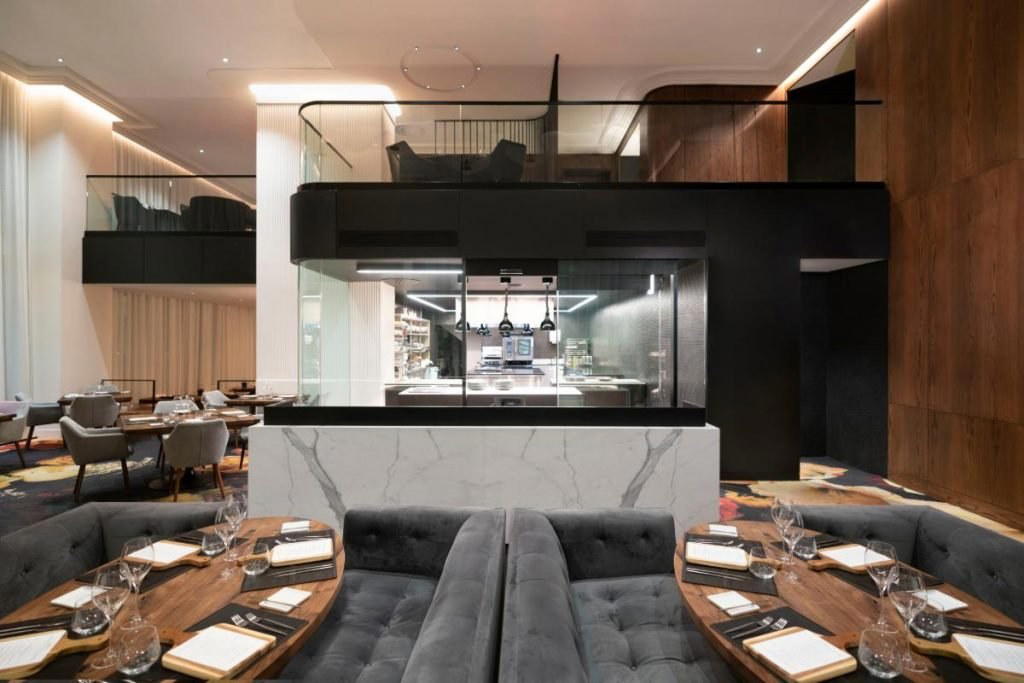
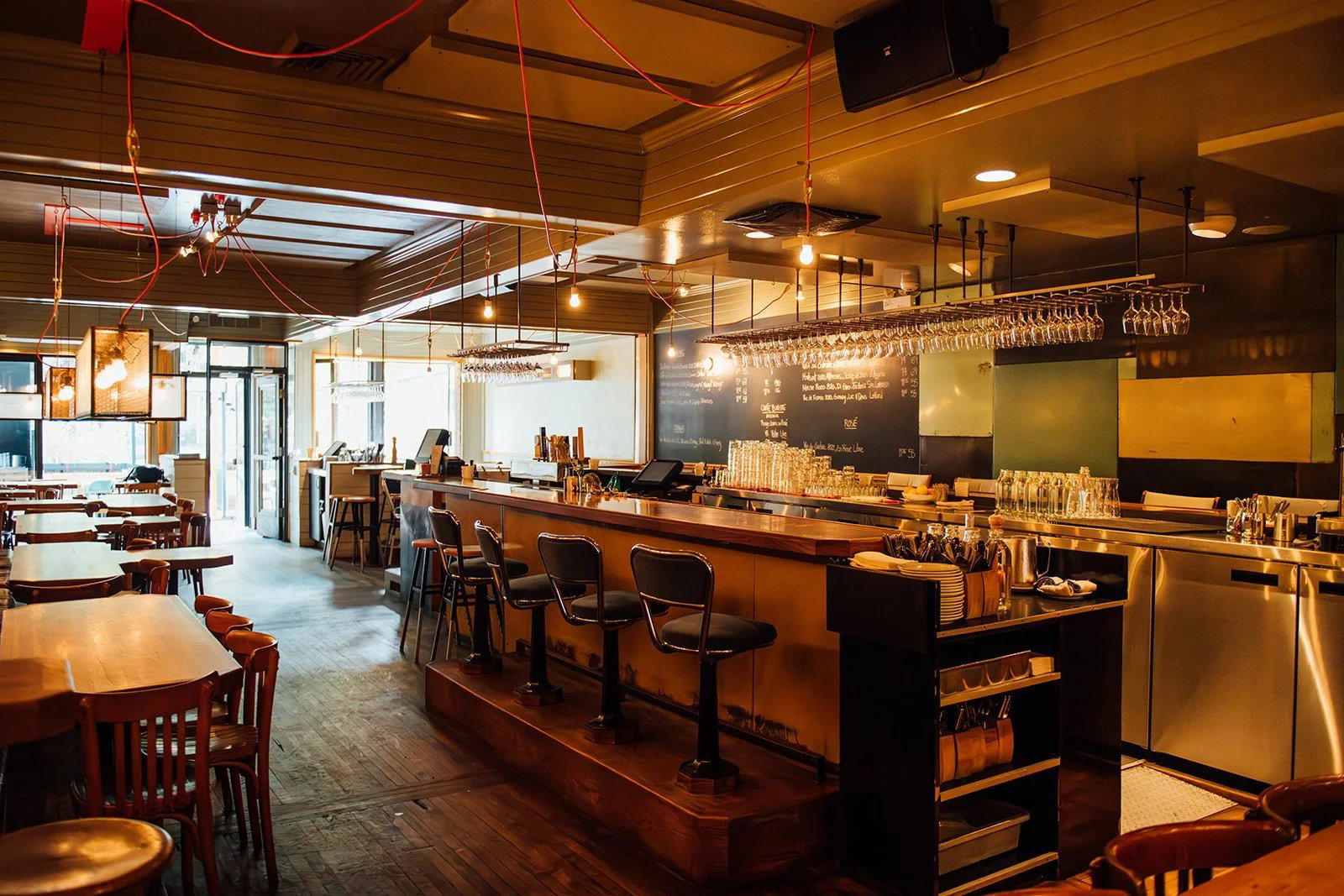
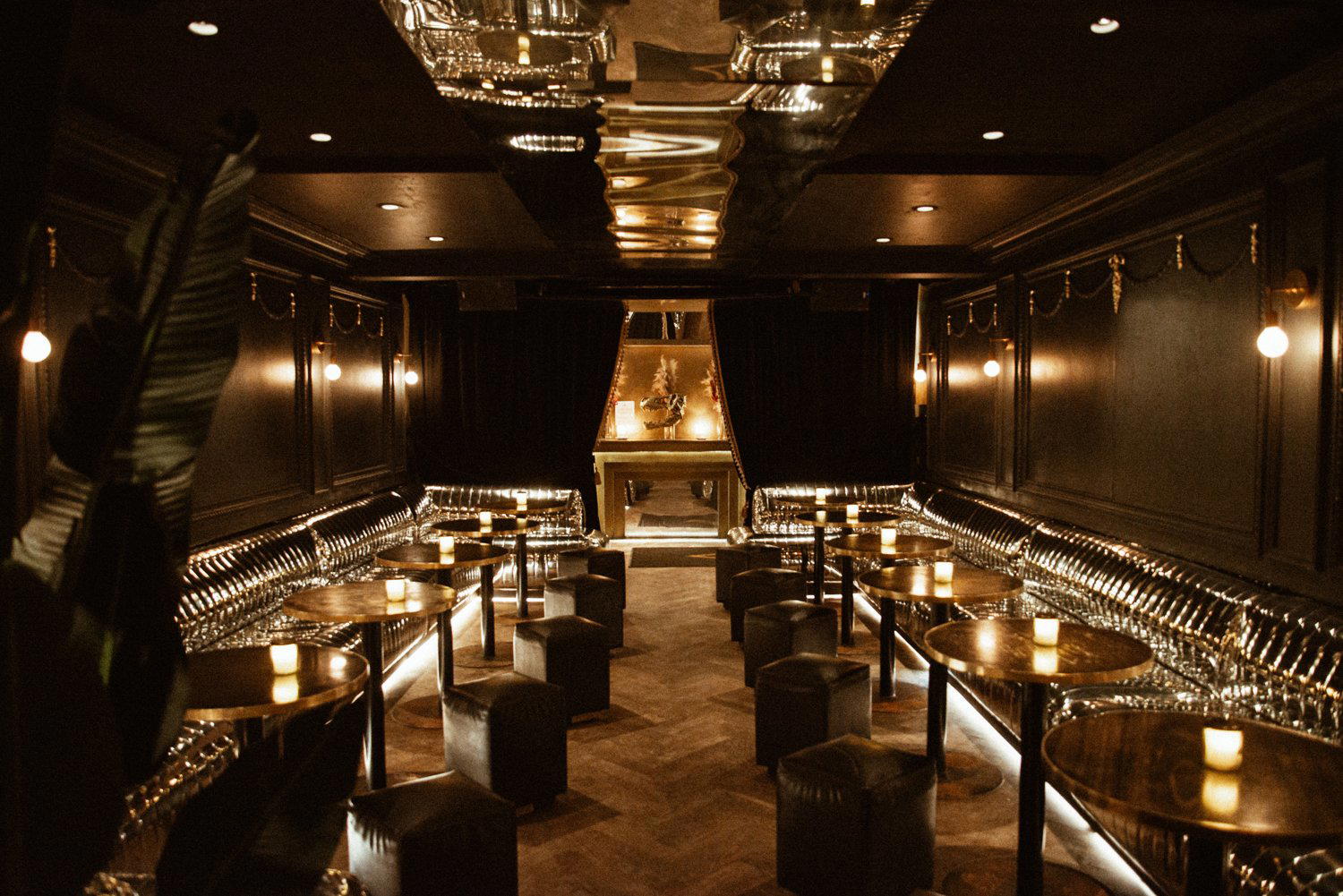
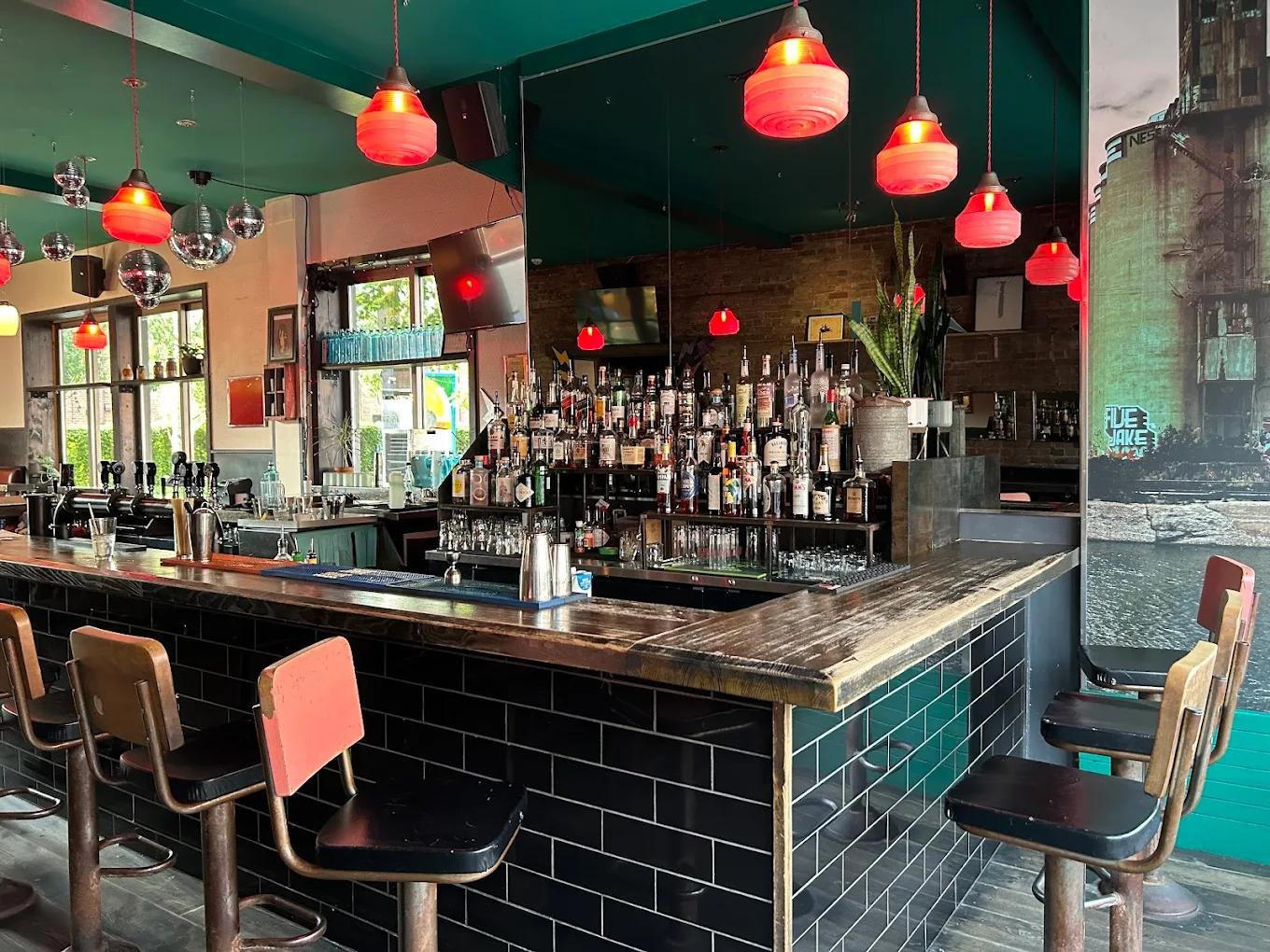
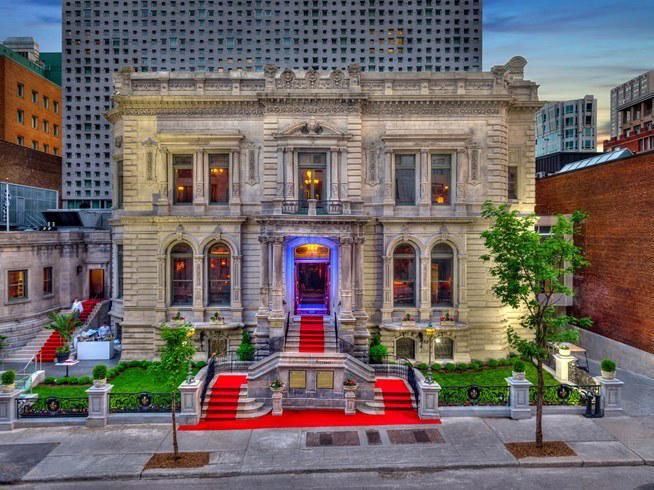
Warm, inviting atmosphere reminiscent of a cozy Russian home with artistic presentation of dishes; refined and elegant with a focus on traditional European aesthetics.
Know Before You Go
- Getting there
- 5024 Chem. de la Côte-des-Neiges, Montréal, QC H3V 1G6, Canada