Sasa occupies a defined position on North Main Street in Walnut Creek, sitting within a dining corridor that has grown more competitive as the East Bay's broader restaurant scene has pushed outward from Oakland. Compared to neighbors like Chateau and Massimo Ristorante, Sasa draws a crowd looking for something with a distinct point of view rather than a familiar format.
Pearl is the En Primeur Club membership app — saves, bookings, and concierge access live there. Same editors, same standards.
- Address
- 1432 N Main St, Walnut Creek, CA 94596
- Phone
- +19255465323
- Website
- sasawc.com
- Directions
- Get directions
 Saves & bookings on Pearl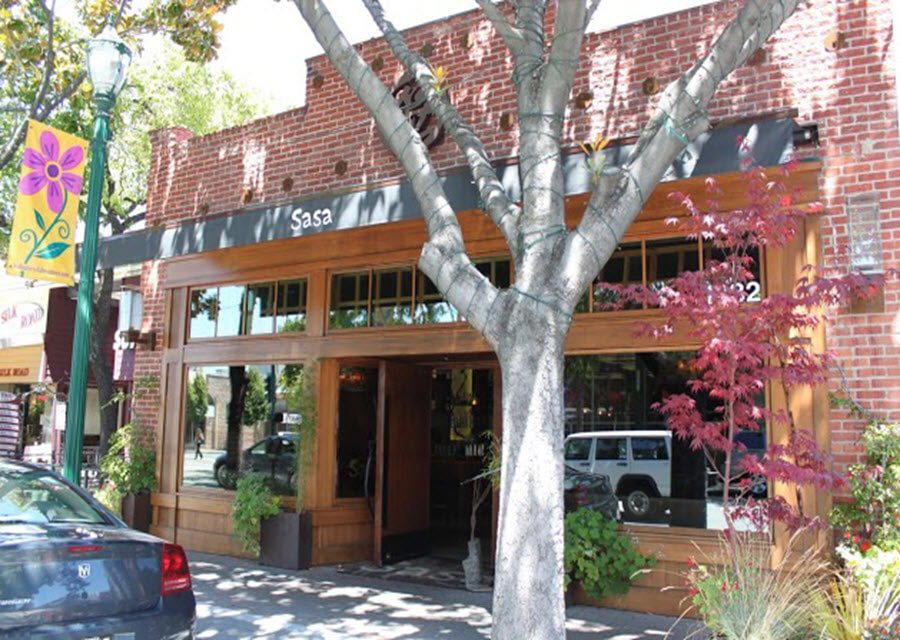
North Main Street and the Shape of Walnut Creek Dining
Walnut Creek's restaurant strip along North Main Street has matured considerably over the past decade, shifting from a corridor of reliable suburban standbys toward a more layered scene that now draws diners who would once have made the longer trip into Oakland or San Francisco without hesitation. The physical environment of this stretch matters: storefronts here tend toward the mid-scale, with enough foot traffic to sustain ambition but enough suburban breathing room to avoid the compressed, shoulder-to-shoulder density of a SoMa or Hayes Valley block. Sasa, at 1432 N Main St, sits within that context — a venue operating in a neighborhood where the dining conversation has genuinely sharpened, and where comparisons to peers like Chateau, LITA, and Massimo Ristorante are now worth making seriously.
The Physical Container: Reading the Space
In any dining market, the design of a room signals the kind of transaction the kitchen intends to conduct. Walnut Creek's more considered restaurants have generally moved away from the high-gloss, high-volume formats that defined earlier waves of suburban dining — the exposed beams and communal tables of the mid-2010s, or the lounge-adjacent layouts meant to blur the line between bar and restaurant. The better rooms here have settled into something more deliberate: spaces where the seating arrangements suggest a kitchen that expects you to pay attention. That shift in interior sensibility is part of what separates the current generation of North Main Street addresses from what came before them, and it's a frame worth applying when you approach Sasa for the first time.
What a room's architecture communicates before a menu arrives is often more diagnostic than any dish description. Counter seating positions the diner as participant; booth configurations imply privacy and occasion; open floor plans either signal confidence or suggest the kitchen isn't the main event. The degree to which Sasa's physical space prioritizes the dining act over ambient spectacle places it in a specific tier of the local market, one more interested in the plate than the photograph. That positioning has become a differentiator in a suburban dining market where the room-as-Instagram-backdrop model still has considerable pull.
Where Sasa Sits in the East Bay Spectrum
The East Bay dining corridor, running roughly from Berkeley through Oakland and out to Walnut Creek, has produced a wide range of formats and ambitions over the past several years. At one end, restaurants like Lazy Bear in San Francisco have built tasting-menu formats around communal seating and theatrical progression. At the other, the casual-but-serious neighborhood spot model has proliferated across the region, drawing on the Bay Area's deep bench of culinary talent. Walnut Creek's better venues occupy a middle ground: more formal than the neighborhood bistro, less operationally complex than a full tasting-menu house, but serious enough that comparisons to destination restaurants become relevant.
It's useful to place that tier alongside some national reference points. Kitchens like Single Thread Farm in Healdsburg or The French Laundry in Napa define the California end of the fine-dining spectrum, highly orchestrated, ingredient-obsessed, with booking windows measured in months. Providence in Los Angeles and Addison in San Diego anchor the Southern California version of that tier. What Walnut Creek's stronger performers offer is something more accessible in format and lead time while still drawing on the same regional-produce ecosystem and technical expectations that define Bay Area dining broadly. Sasa operates within that positioning rather than against it.
Beyond California, the conversation about what serious dining looks like in non-metropolitan markets is relevant here. Blue Hill at Stone Barns in Tarrytown and The Inn at Little Washington in Washington both demonstrate that ambitious kitchens need not anchor themselves to a major urban core. The argument that dining of real interest requires a flight or a long drive into a city center has weakened considerably. Walnut Creek, with venues like Sasa alongside neighbors La Sen Bistro WC and Creek House Dim Sum Restaurant, is part of that broader decentralization.
Within Walnut Creek specifically, the dining options have diversified in ways that make the peer comparisons more instructive. The city now sustains multiple cuisines at a serious level of execution, from the dim sum tradition represented by Creek House Dim Sum Restaurant to the European-inflected formats at Massimo Ristorante. That diversity matters because it signals a dining public willing to move across categories with some sophistication, rather than defaulting to the same two or three reliable formats. For a venue like Sasa, operating in a market with that range means the bar for seriousness is set at a competitive level.
For comparison at the national level, what Atomix in New York City has done for Korean fine dining, repositioning a cuisine within a premium format and earning recognition on its own terms, illustrates a broader principle: that the frame around a cuisine can shift what diners expect from it, and what they're willing to pay for it. Le Bernardin in New York City has done something similar over decades for seafood. The relevant question for any serious suburban restaurant is whether it has a point of view clear enough to be in that kind of conversation, even if the scale is different.
Planning Your Visit
Sasa is located at 1432 N Main St, Walnut Creek, CA 94596, within walking distance of the downtown Walnut Creek BART station, a logistical detail that matters for Bay Area diners who prefer to avoid the parking considerations of a suburban dinner. North Main Street has enough density that the area rewards a walk before or after a meal, particularly given the continued growth of the block's food and beverage offerings. For diners coming from San Francisco or Oakland, the BART connection makes Walnut Creek significantly more accessible than its suburban reputation might suggest. Our full Walnut Creek restaurants guide covers the broader range of the city's dining options and can help situate Sasa within an evening's itinerary.
Continue exploring
More in Walnut Creek
Restaurants in Walnut Creek
Browse all →
Bars in Walnut Creek
Browse all →
Hotels in Walnut Creek
Browse all →

At a Glance
- Trendy
- Lively
- Modern
- Date Night
- Group Dining
- Casual Hangout
- Open Kitchen
- Historic Building
- Sake Program
- Craft Cocktails
- Local Sourcing
Current opening hours
- Monday
- 11:30 AM–3 PM, 5–9 PM
- Tuesday
- 11:30 AM–3 PM, 5–9 PM
- Wednesday
- 11:30 AM–3 PM, 5–9 PM
- Thursday
- 11:30 AM–3 PM, 5–9 PM
- Friday
- 11:30 AM–3 PM, 5–10 PM
- Saturday
- 11:30 AM–3 PM, 4–10 PM
- Sunday
- 11:30 AM–3 PM, 4–9 PM
Hours can change for holidays and private events. Last verified .
Trendy and energetic atmosphere in a beautifully renovated historic space with big screen TVs and a lively izakaya vibe.
Know Before You Go
- Getting there
- 1432 N Main St, Walnut Creek, CA 94596