Massimo Ristorante
Massimo Ristorante occupies a measured position on Locust Street in Walnut Creek, where Italian-American dining traditions carry real weight in the suburban East Bay. The room and pacing signal a restaurant built for occasion dining rather than casual throughput, placing it in a different register from the city's broader casual-Italian options. Reserve a table when you want the meal to be the event.
Pearl is the En Primeur Club membership app — saves, bookings, and concierge access live there. Same editors, same standards.
- Address
- 1604 Locust St, Walnut Creek, CA 94596
- Phone
- +19259321474
- Website
- massimoristorante.com
- Directions
- Get directions
 Saves & bookings on Pearl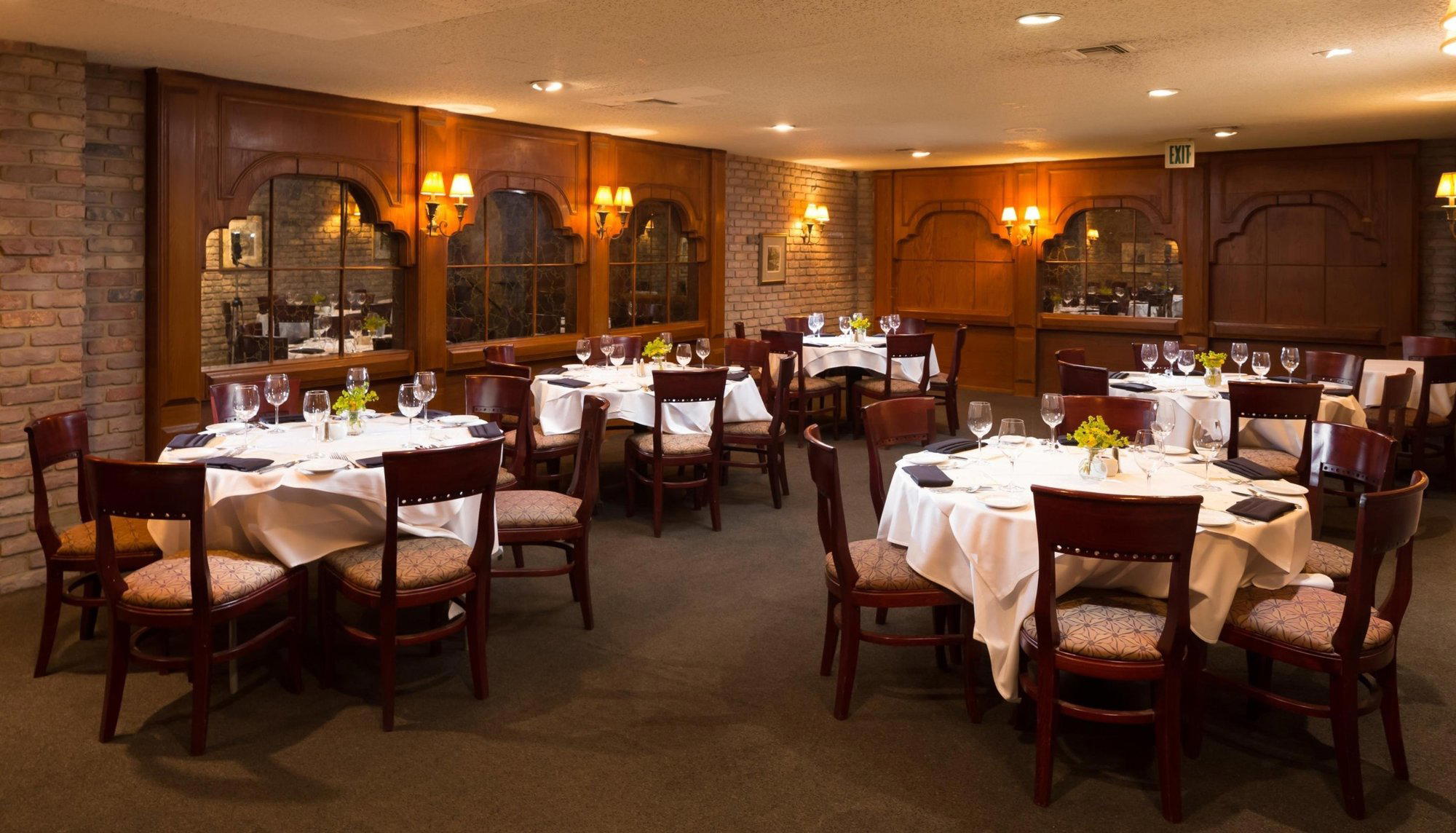
Locust Street After Dark: Setting the Tone
Walnut Creek's dining corridor along Locust Street draws a specific kind of diner: someone who lives in the East Bay, earns well, and would rather not fight San Francisco traffic to eat at a table worth the drive. The street runs a compact stretch of restaurants that span price tiers and traditions, from casual ramen to white-tablecloth European, and Massimo Ristorante at 1604 Locust St positions itself toward the considered end of that range. The architecture of the block is low-rise California commercial, warm in summer evenings, and the approach to a room like Massimo's carries the particular anticipation of a restaurant where dinner is understood to take time.
Italian dining in American suburban contexts tends to split between two poles: the family-style red-sauce house where portions are the point, and the more restrained, European-influenced room where the ritual of the meal matters as much as the food itself. Massimo reads closer to the latter. This distinction shapes everything from pacing to service register, and it is why the restaurant occupies a different competitive position than the broader Walnut Creek casual dining scene, which includes venues like LITA and La Sen Bistro WC.
The Ritual of the Italian Meal
Formal Italian dining, even in its American expression, carries a structural logic that distinguishes it from other European traditions. The progression moves through antipasto, primo, secondo, and dolce, with pacing calibrated to conversation rather than table turnover. At restaurants operating in this register, the server's job is not simply to take orders but to guide tempo, and the table's relationship to the room is allowed to settle rather than being rushed through. This is a different contract between kitchen, floor, and guest than what operates at a high-volume trattoria.
In practice, this means that a dinner at Massimo Ristorante should be understood as a two-to-three-hour commitment, not a stop before another engagement. The East Bay has relatively few restaurants asking that of their guests on a weeknight, which gives Massimo a niche that casual competitors like Original Joe's Walnut Creek or Creek House Dim Sum Restaurant are not filling. The address on Locust Street places it within easy reach of downtown Walnut Creek's parking structures, which simplifies arrival compared to San Francisco counterparts.
Placing Massimo in the Bay Area Occasion-Dining Tier
Across the broader Bay Area, fine dining has concentrated in San Francisco proper and in destination outposts in Napa and Sonoma. The French Laundry in Napa and Single Thread Farm in Healdsburg represent the region's most recognized formal dining propositions, operating at price points and booking windows that make them true occasion events. San Francisco's own ambitious rooms, including Lazy Bear, maintain serious technical ambitions within the city.
The East Bay's relationship to that tier has historically been uneven. Oakland carries more critical attention in recent years, but Walnut Creek has operated somewhat outside the restaurant press's usual circuit. That means a restaurant like Massimo sits in an environment where it can anchor the occasion-dining category locally without needing to compete directly with Michelin-starred rooms. Nationally, the Italian fine-dining tradition Massimo references has distinguished precedents: Le Bernardin in New York City represents the most celebrated European-technique fine dining in the United States, and Italian-American formal dining at its most polished has historical depth across both coasts.
For comparison within the Italian formal register internationally, venues like 8 1/2 Otto e Mezzo Bombana in Hong Kong demonstrate how Italian technique travels globally at the premium end. In the American South, Emeril's in New Orleans shows how a chef-driven dining institution anchors a city's occasion-dining identity across decades. Walnut Creek operates at a different scale and ambition level, but the structural role a restaurant like Massimo plays in its local context follows similar logic.
What the Dining Room Asks of You
Italian formal dining has its own codes, and they are less rigid than French haute cuisine but still meaningful. The expectation is that you engage with the menu across multiple courses rather than ordering a single plate and departing. Wine service, even at a modest level, is part of the rhythm. Bread arrives early and is not incidental. These are not arbitrary conventions; they reflect a view that eating together is a social architecture, not just fuel delivery.
Restaurants that hold to this model in suburban American markets are doing something slightly against the grain of the convenience-first dining culture that dominates the category. For guests who understand the exchange, the slower pace reads as generosity. For those arriving expecting quick turnaround, it can read as inefficiency. Knowing which contract you are signing before you book is worthwhile, and Massimo's address and positioning on Locust Street suggest it operates toward the former.
Other formal-leaning rooms in the broader region that understand this contract include Addison in San Diego and Providence in Los Angeles at the upper end of California fine dining, and Alinea in Chicago at the national level for guests who want to understand what formal American occasion dining looks like across different registers. The contrast is useful: Massimo is not operating in that stratosphere, but it draws on the same underlying dining philosophy that treats the meal as a structured event.
For a full survey of where Massimo fits within the city's restaurant options, see our full Walnut Creek restaurants guide, which maps venues by occasion type and price tier. Within the Locust Street immediate neighborhood, Chateau offers an alternative formal option for guests weighing a French-leaning room against Italian.
Planning Your Visit
Massimo Ristorante is located at 1604 Locust St, Walnut Creek, CA 94596, on a block that anchors the downtown restaurant corridor. Downtown Walnut Creek is BART-accessible from San Francisco and the broader East Bay, making the restaurant reachable without a car for guests comfortable with the Walnut Creek station's short walk to Locust Street. For drivers, downtown parking structures are within a block. Reservations are advisable for weekend evenings, as the occasion-dining tier in Walnut Creek fills predictably on Fridays and Saturdays. Midweek tables tend to be more available and offer a quieter room for guests who prioritize a less crowded experience.
Continue exploring
More in Walnut Creek
Restaurants in Walnut Creek
Browse all →
Bars in Walnut Creek
Browse all →
Hotels in Walnut Creek
Browse all →
At a Glance
- Classic
- Elegant
- Romantic
- Sophisticated
- Date Night
- Business Dinner
- Group Dining
- Celebration
- Special Occasion
- Live Music
- Private Dining
- Terrace
- Standalone
- Extensive Wine List
- Craft Cocktails
- Street Scene
Current opening hours
- Monday
- Closed
- Tuesday
- 11 AM–9 PM
- Wednesday
- 11 AM–9 PM
- Thursday
- 11 AM–9 PM
- Friday
- 11 AM–9:30 PM
- Saturday
- 10:30 AM–9:30 PM
- Sunday
- 10:30 AM–9 PM
Hours can change for holidays and private events. Last verified .
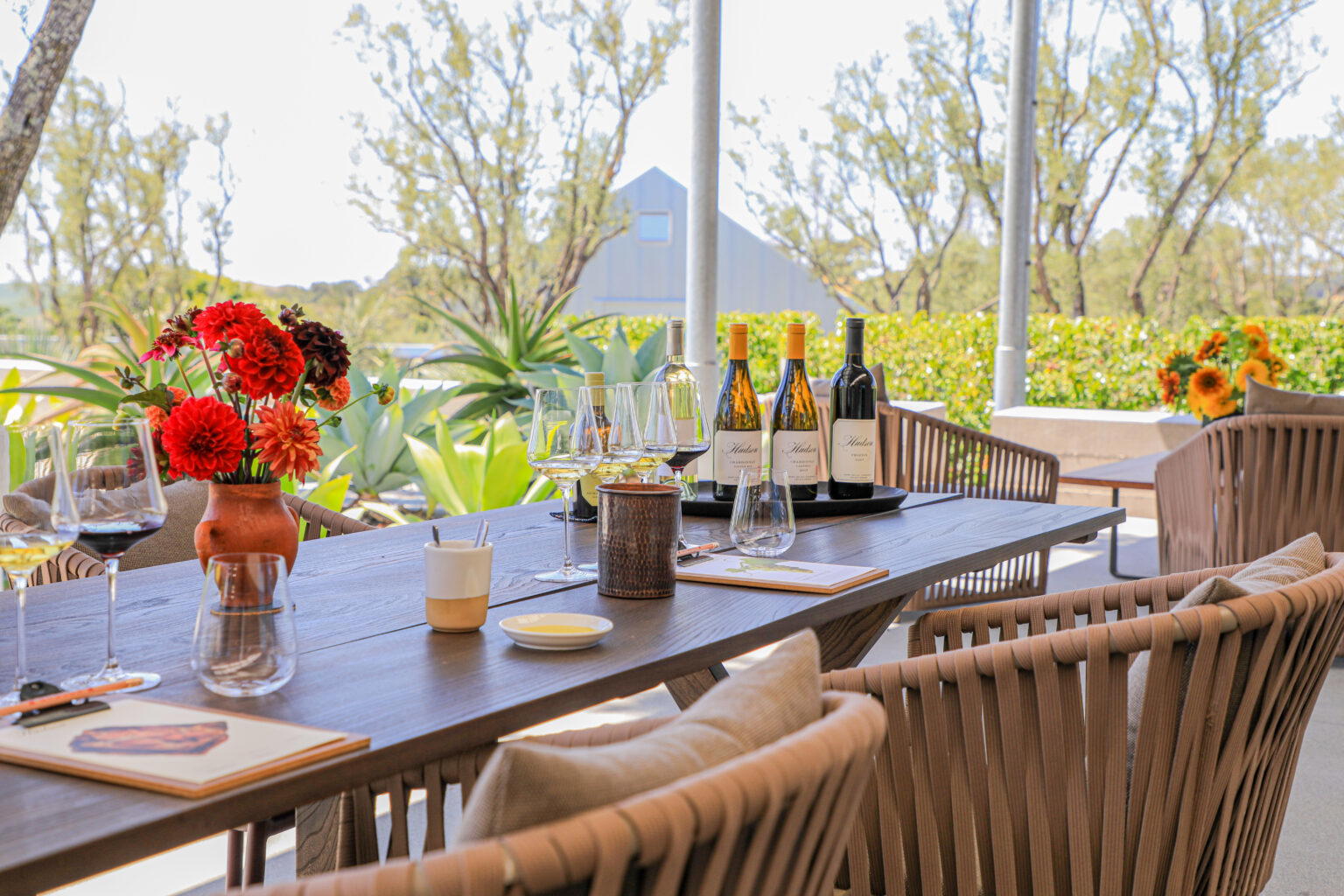
Well-decorated, cozy interior with warm lighting and a grand piano in the evening; outdoor patio is shaded and surrounded by plants for a bright, casual dining experience.
Know Before You Go
- Getting there
- 1604 Locust St, Walnut Creek, CA 94596