Creek House Dim Sum Restaurant
Creek House Dim Sum Restaurant brings the communal tradition of Cantonese yum cha to Walnut Creek's Parkside Drive, where shared bamboo steamers and tea-service rhythms anchor a neighborhood dining culture that remains relatively uncommon in the East Bay suburbs. For Contra Costa diners accustomed to driving into San Francisco's Richmond or Sunset districts for serious dim sum, the address alone is a practical argument.
Pearl is the En Primeur Club membership app — saves, bookings, and concierge access live there. Same editors, same standards.
- Address
- 1291 Parkside Dr, Walnut Creek, CA 94596
- Phone
- (925) 256-6869
- Website
- creekhousedimsum.com
- Directions
- Get directions
 Saves & bookings on Pearl
Dim Sum in the Suburbs: What Creek House Represents for the East Bay
Across the Bay Area, the geography of dim sum has historically been uneven. San Francisco's Richmond District and Chinatown concentrate the most established Cantonese houses, while the East Bay's Oakland Chinatown holds its own dense cluster of yum cha rooms. The suburbs of Contra Costa County occupy a different position: a diffuse population of Chinese-American families and newer arrivals who have historically had to commute toward urban cores for the weekend ritual of shared plates, tea service, and layered carts. Creek House Dim Sum Restaurant on Parkside Drive in Walnut Creek sits inside that gap, serving a community that has long had the appetite but not always the proximity.
That suburban context matters more than it might appear. Dim sum is not simply a meal format; it is a social institution rooted in the Cantonese tradition of yum cha, which translates literally as "drinking tea." The food — dumplings, buns, rice noodle rolls, taro puffs, turnip cakes — is secondary in status to the act of gathering. Extended families occupy large round tables for hours on Sunday mornings, and the cadence of a well-run dim sum room is as choreographed as any formal tasting menu at, say, The French Laundry in Napa or Le Bernardin in New York City, just expressed through collective abundance rather than individual precision.
The Cultural Weight of the Format
Cantonese dim sum traces its peak institutional form to the teahouses of Guangdong province, where travelers and merchants would stop during the day for tea and light accompaniments. By the twentieth century, those light accompaniments had multiplied into the sprawling repertoire now familiar in any major Cantonese diaspora city: har gow (shrimp dumplings with thin, translucent wrappers), siu mai (pork and shrimp open-topped dumplings), cheung fun (silky rice noodle rolls served with sweetened soy), and a rotating selection of baked and fried items that push the format toward pastry territory. The quality signals are specific and unforgiving among practiced diners: har gow wrappers that hold their shape without gumminess, siu mai with enough fat content to steam properly without drying, cheung fun that releases cleanly from the tray.
In the Bay Area's most competitive dim sum rooms, those standards are maintained with real discipline. Whether Creek House operates at that tier, or at the more casual neighborhood level that characterizes most suburban Cantonese restaurants, is a question the available record does not fully resolve. What the address does confirm is that Walnut Creek's dining scene, which spans European-influenced rooms like Chateau and Massimo Ristorante, Italian-American classics at Original Joe's Walnut Creek, and contemporary options at LITA and La Sen Bistro WC, has enough breadth that a dedicated dim sum address fills a category gap rather than competing for the same occasion as its neighbors.
Where Dim Sum Sits in the Broader Dining Conversation
The renewed critical interest in Chinese-American dining, both in its institutional forms and in chef-driven iterations like the Korean-inflected tasting menus at Atomix in New York City, has brought more attention to the standards that define serious Cantonese cooking at scale. Dim sum, with its kitchen-intensive production and high volume, occupies a specific and demanding position: it requires trained dim sum chefs whose craft is largely separate from the wok-centric skills of a Cantonese dinner kitchen. Large Hong Kong-style dim sum operations in the Bay Area typically seat several hundred diners across multiple rooms, running simultaneous service that demands precise timing and a deep bench of specialist cooks.
Creek House on Parkside Drive operates in a different register from those large-format rooms. Its suburban Walnut Creek location implies a dining room scaled to its neighborhood rather than to the regional draw that institutions in Oakland or the Sunset District command. That is not a criticism so much as a positioning note: the venue's reference point is the local family occasion, not the regional pilgrimage. For Walnut Creek residents who use places like Blue Hill at Stone Barns in Tarrytown or Lazy Bear in San Francisco as destination anchors for special occasions, Creek House offers something more routine: a repeatable weekly ritual with lower friction.
Planning Your Visit
Dim sum timing follows conventions that differ from standard restaurant service. Weekend mornings and early afternoons are the traditional peak hours for the format, and any dim sum operation serious about the yum cha tradition will do most of its volume between roughly 10 a.m. and 2 p.m. on Saturdays and Sundays. Arriving closer to opening on weekends generally secures better selection if service follows the cart or tray-rotation model, since high-demand items move quickly in the first hour. Walnut Creek's Parkside Drive location offers parking access typical of suburban commercial strips, which eases one of the friction points that can complicate visits to urban dim sum rooms where parking competes with dense foot traffic. For confirmed hours and current booking options, contacting the venue directly is advisable, as the available public record does not specify operating schedules. For a broader view of where Creek House fits within Walnut Creek's full dining offer, our full Walnut Creek restaurants guide maps the scene across cuisines and price points.
Continue exploring
More in Walnut Creek
Restaurants in Walnut Creek
Browse all →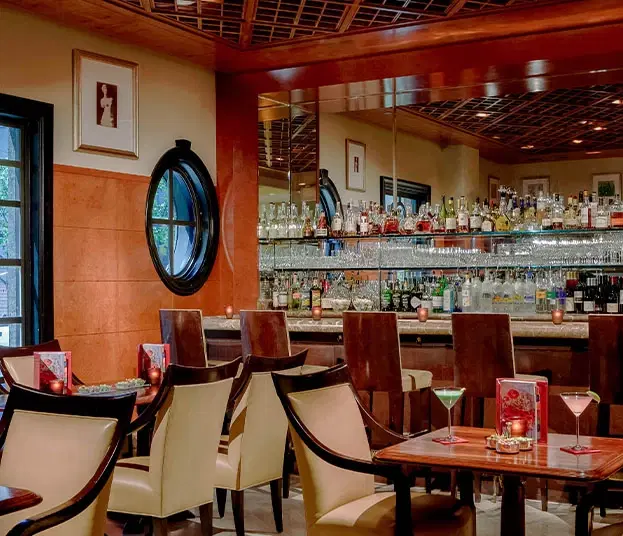
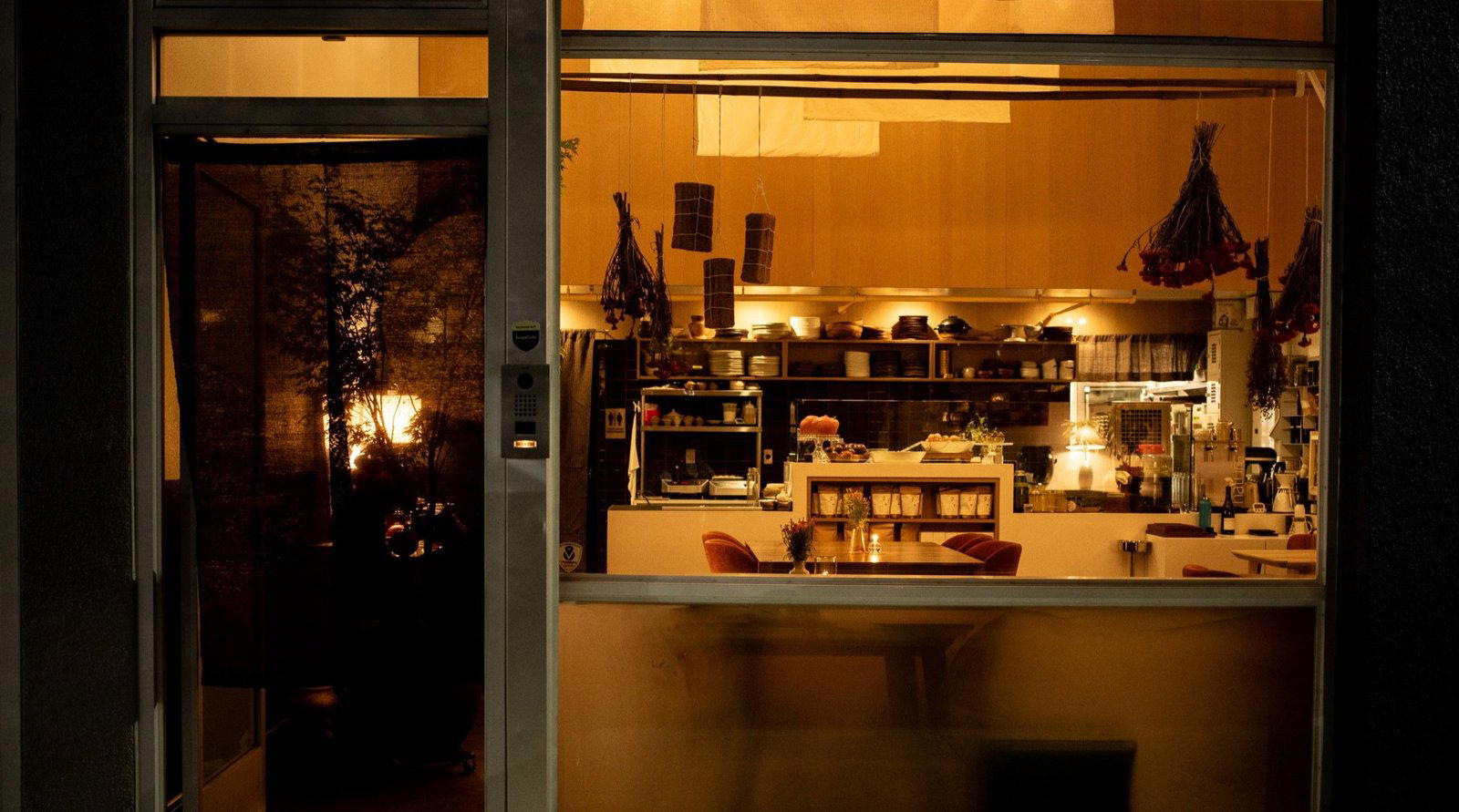
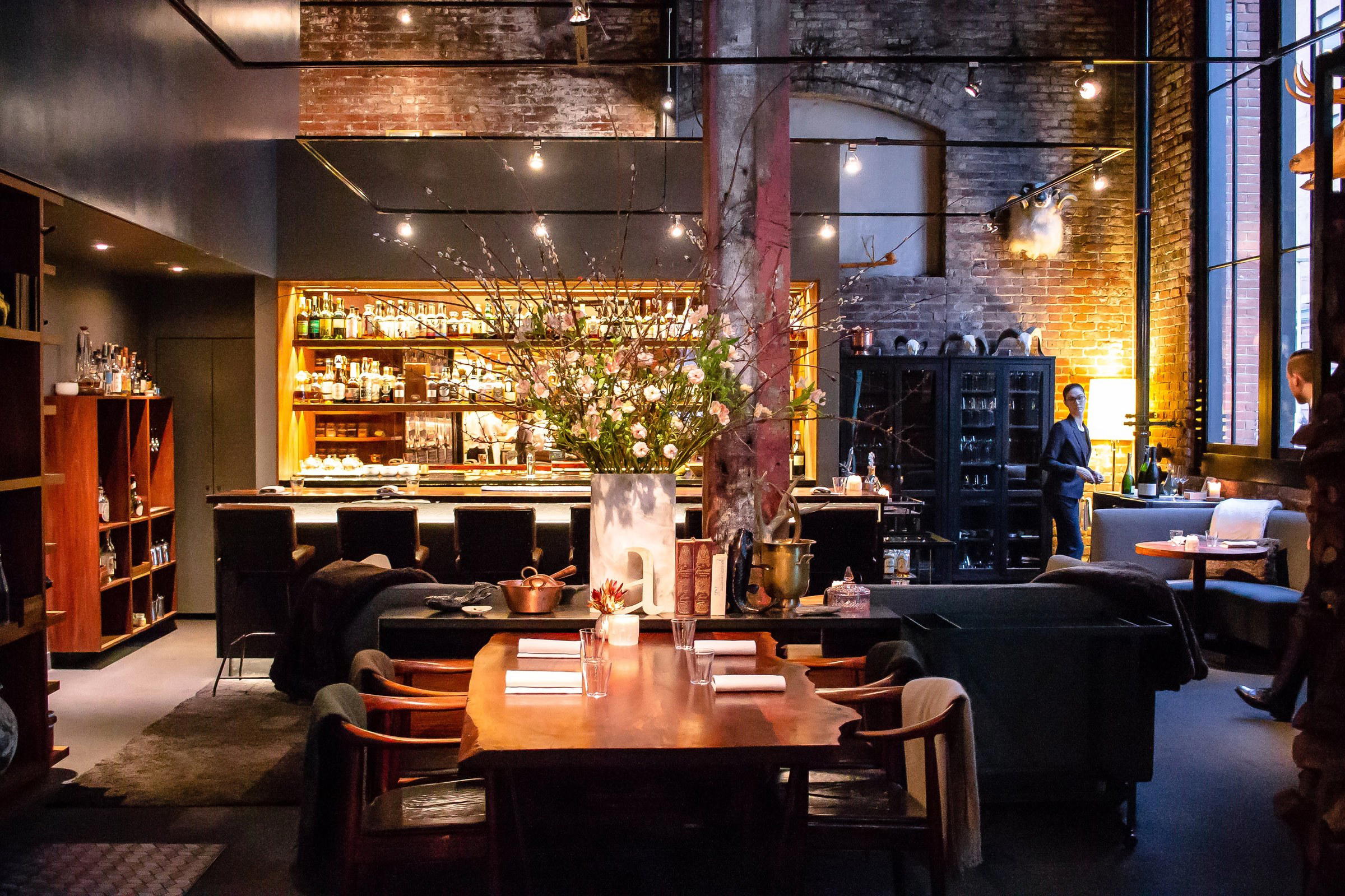
Bars in Walnut Creek
Browse all →
Hotels in Walnut Creek
Browse all →


At a Glance
- Cozy
- Classic
- Family
- Group Dining
- Brunch
- Casual Hangout
- Standalone
Current opening hours
- Monday
- 10 AM–3 PM, 4:30–8:30 PM
- Tuesday
- 10 AM–3 PM, 4:30–8:30 PM
- Wednesday
- 10 AM–3 PM, 4:30–8:30 PM
- Thursday
- 10 AM–3 PM, 4:30–8:30 PM
- Friday
- 10 AM–3 PM, 4:30–9 PM
- Saturday
- 10 AM–3 PM, 4:30–9 PM
- Sunday
- 10 AM–3 PM, 4:30–8:30 PM
Hours can change for holidays and private events. Last verified .
Cozy, casual family-style dining with efficient service; described as a nice, clean space with plenty of natural light and easy staff access.
Know Before You Go
- Getting there
- 1291 Parkside Dr, Walnut Creek, CA 94596