
Sapporo Tsukemen Sapporo Ramen Furaido sits in Toyohira’s ramen circuit with a format that matters in Hokkaido: ramen and tsukemen treated as local comfort food rather than tourist shorthand. Its Tabelog Ramen HOKKAIDO 100 selection in 2024 and 2025 gives it a clear quality signal in a city where noodle shops compete on broth style, portion rhythm, and everyday repeatability.
Pearl is the En Primeur Club membership app — saves, bookings, and concierge access live there. Same editors, same standards.
- Address
- Japan, 〒062-0908 Hokkaido, Sapporo, Toyohira Ward, Toyohira 8 Jo, 9 Chome−3−20 三真ビル
- Phone
- +81 11-598-0028
- Website
- instagram.com
 Saves & bookings on Pearl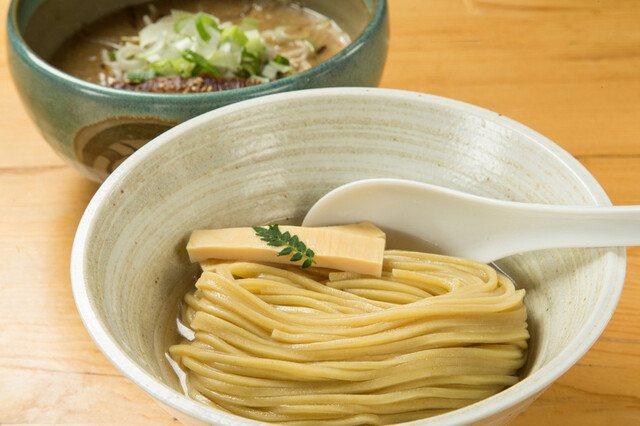
Approaching a Sapporo ramen shop in Toyohira is different from chasing a late-night bowl in Susukino. The mood is residential and lunch-counter: a compact room, counter seating, family tables, and noodles moving steadily from kitchen to tray. Sapporo Tsukemen Sapporo Ramen Furaido belongs to a strand of the city’s noodle culture that values utility and identity together. The point is not ceremony, but a bowl built for Hokkaido appetites and easy to fold into an ordinary week.
Sapporo’s ramen reputation is often reduced outside Japan to miso, butter, corn, and winter weather. That shorthand misses the city’s breadth. Tsukemen, with noodles and dipping broth served separately, changes the pace: texture carries more weight, broth concentration becomes clearer, and the diner controls the ratio bite by bite. In Hokkaido, where ramen shops compete with soup curry, grilled lamb, seafood counters, and bakery culture, serious tsukemen must do more than echo Tokyo trends. It has to make sense as Sapporo food.
Tsukemen gives Sapporo ramen a slower, more deliberate grammar
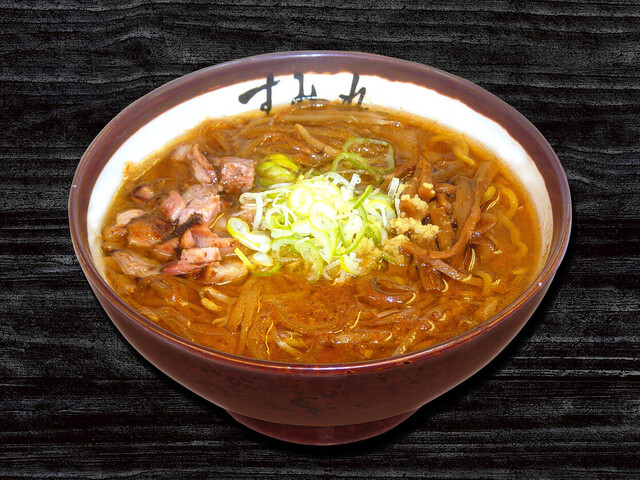
The cultural importance here is format. Ramen is usually judged in one integrated motion: broth, noodle, aroma oil, tare, and topping arrive as a single bowl. Tsukemen separates that logic. The noodles become a standalone measure of chew, temperature, and portion; the dipping soup must carry intensity without exhausting the palate. For travelers who know Sapporo only through classic miso ramen, this is a useful correction. The city’s noodle scene is not static heritage. It absorbs national ramen movements, then tests them against local expectations for warmth, value, and fullness.
Recognition matters in a dense ramen field. Selection for Tabelog Ramen HOKKAIDO 100 in both 2024 and 2025 places the shop inside a curated Hokkaido group, not a casual neighborhood-only category. Its public Tabelog score of 3.64 is not a trophy number alone, but in Japan’s restaurant-rating culture it signals consistent attention beyond convenience dining. For visitors, this is neither a luxury detour nor a generic station bowl.
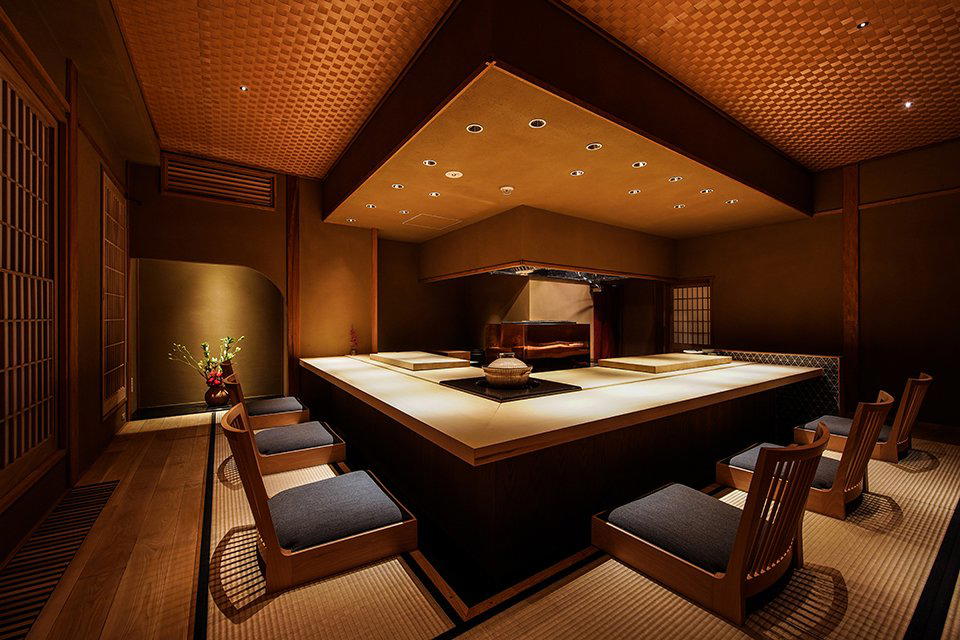
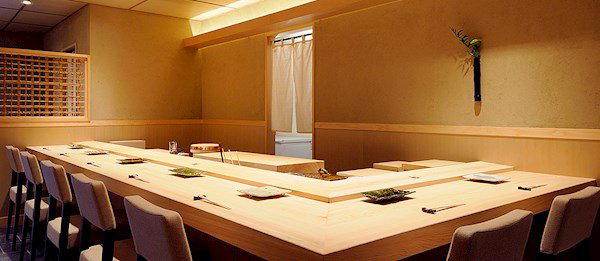
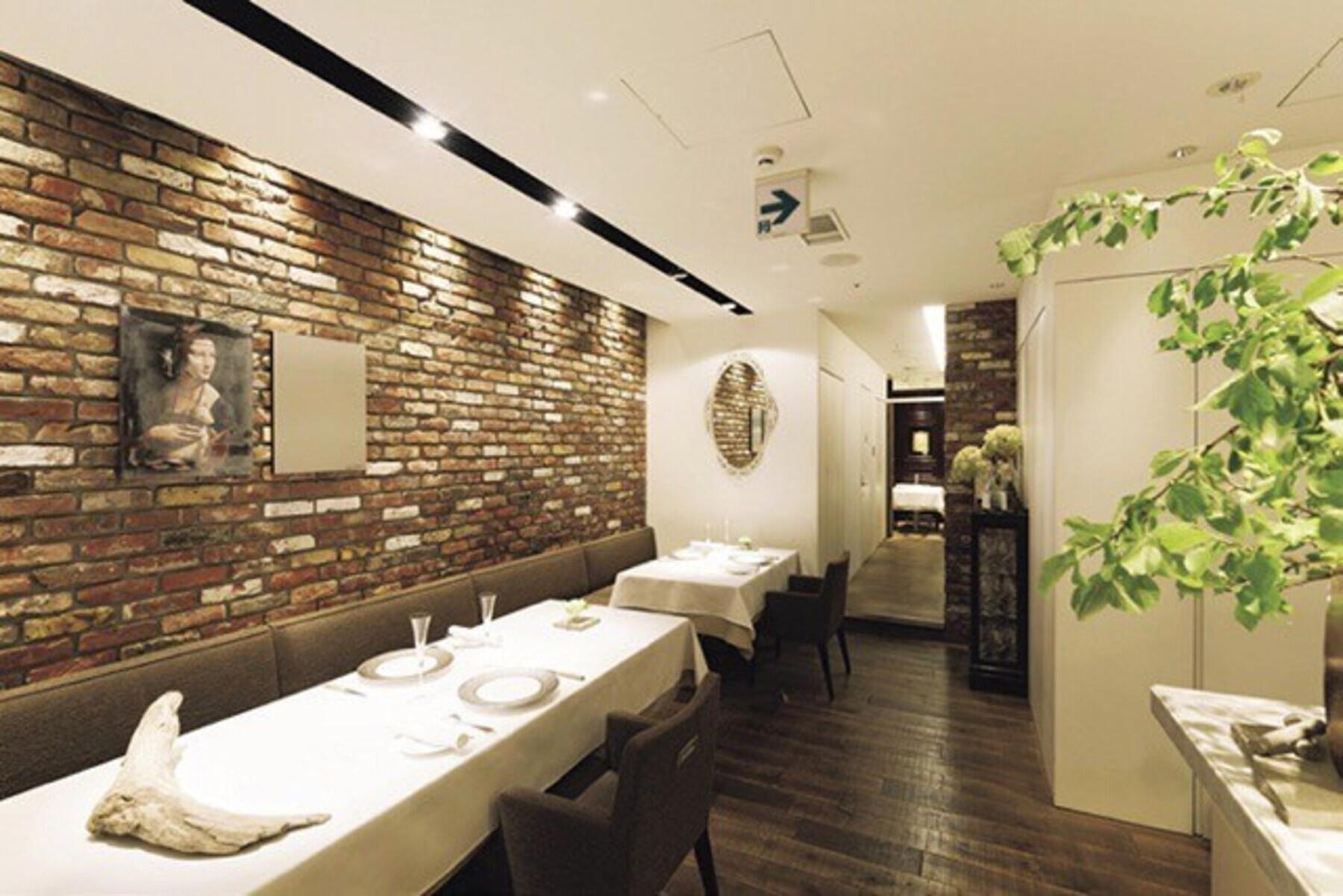
The room reinforces that middle ground. Fifteen seats, split between counter and tables, suit solo diners, pairs, and small groups rather than long meals. Counter ramen has its etiquette: order decisively, eat while the noodles are in condition, and return the seat to the queue. Tables and tatami-style space soften that rhythm for families, important in Sapporo, where ramen is not only post-drinking food. It is lunch, weekend food, school-holiday food, and a cold-weather fallback.
Toyohira puts the bowl outside the visitor's usual Sapporo circuit
Location changes the meal’s reading. Toyohira is not the first dining base for many visitors, which is part of the reason to go. Central Sapporo offers dense convenience; Toyohira asks for a small transit decision and rewards it with a local register. The shop is within walking range of Gakuen-mae and Toyohira Koen stations, making it a practical subway stop rather than a taxi-only excursion. The better ramen day in Sapporo often comes from linking neighborhoods, not treating the city as one Susukino grid.
Comparisons inside Sapporo sharpen the point. Curry specialists such as THIRTY FOUR, European Curry Domon, E-itou curry Hiragishi honten, LOOK-Ka PyPy, and Okami Soup show the city’s parallel comfort-food economy, where casual pricing and high repeat traffic shape the category. Ramen and curry compete for similar moments: solo lunch, quick dinner, a warming meal after a long day outside. Furaido sits on the ramen side, but the broader Toyohira and Sapporo context explains why the format must feel generous without becoming slow.
, Aigues Vives, Ajanta Indo Curry Ten, and Ajanta Sohonke. The broader city stack also includes Our full Sapporo hotels guide, Our full Sapporo bars guide, Our full Sapporo wineries guide, and Our full Sapporo experiences guide.
How to read the experience before ordering
Approach the category before chasing a single dish name. Tsukemen rewards attention to sequence: noodles first as texture, broth second as concentration, then the balance between them. Ramen rewards a faster read, because the bowl changes as noodles sit in hot soup. A shop serving both formats gives mixed groups an advantage: one diner can stay with integrated ramen comfort while another takes the modular tsukemen route.
No chef mythology is needed to explain the appeal. The stronger signal is longevity and category recognition. Open since 2010, the shop has crossed more than a decade of ramen fashion cycles, from heavy seafood-pork dipping broths to lighter regional variations and the spread of specialty noodle counters. In Sapporo, where weather, neighborhood loyalty, and repeat dining matter, that survival carries more weight than a personal origin story.
Planning should stay simple. Reservations are not part of the format, so timing matters more than advance access. The shop is non-smoking, accepts PayPay, does not accept credit cards or electronic money, and offers parking, though the road approach includes a one-way section drivers should treat carefully. For visitors, subway access is cleaner unless the day already points toward Toyohira by car. Families have a clearer case here than at many counter-only ramen rooms, since children are welcomed and strollers are accepted.
For readers building a wider Japan dining file beyond Hokkaido, useful contrasts sit outside Sapporo as well: -Grilled beef Sukiyaki- KAMAKURA TANUKIAN 鎌倉 たぬき庵 in Kamakura. 鮪と炭火焼き うお炭 秋葉原店 in Tokyo.cafe in Osaka.know in Kumamoto, (Shoku) Vietnam in Kawasaki, and [ki:] in Kyoto. Japanese food culture abroad adds another lens through Jōdo Saké Bar in Los Angeles and Onigiri Time in Pasadena.
The editorial case is narrow but persuasive: Sapporo Tsukemen Sapporo Ramen Furaido suits travelers who want the city’s ramen culture without reducing it to postcard miso. It gives tsukemen a Hokkaido address, keeps the format accessible, and sits far enough from the obvious visitor path to feel tied to a working neighborhood rather than a ramen checklist.
A Pricing-First Comparison
Comparable options at the same price tier.
| Venue | Cuisine | Price | Notes |
|---|---|---|---|
| Sapporo Tsukemen Sapporo Ramen FuraidoThis venue — the venue you are viewing | Toyohira, Sapporo tsukemen and ramen | $ | Not listed |
| Menya Suzuran | Not listed | $ | Chūō, Sapporo ramen & soup curry-style ramen |
| MATALE Maruyama ten | Chūō, Hokkaido soup curry | $ | Not listed |
| Gyoza Suguruya | Not listed | $ | Chūō, Gyoza-focused Japanese dumpling bar |
| 鮨処 有馬 | Chūō, Japanese Sweet Shop - Imo Youkan | $ | Not listed |
| Ramen Jiro Sapporo ten | Kita, Jiro-Style Ramen | $ | Not listed |
Recognition history
Dated appearances from independent guides and award organizations, with the underlying list record or original source where available.
Tabelog 100 #91 · No. 91
Tabelog · Tabelog 100 - Ramen - HOKKAIDO - 2025
At a Glance
- Casual
- Lively
- Solo
- Casual Hangout
- After Work
- Late Night
- Family
- Group Dining
- Standalone
Current opening hours
- Monday
- 11 AM–3 PM, 5:30–8:30 PM
- Tuesday
- 11 AM–3 PM, 5:30–8:30 PM
- Wednesday
- 11 AM–3 PM, 5:30–8:30 PM
- Thursday
- 11 AM–3 PM, 5:30–8:30 PM
- Friday
- 11 AM–3 PM, 5:30–8:30 PM
- Saturday
- 11 AM–3 PM, 5:30–8:30 PM
- Sunday
- 11 AM–3 PM, 5:30–8:30 PM
Hours can change for holidays and private events. Last verified .
Casual, brightly lit ramen food-hall stall atmosphere with counter seating and efficient service, set within the modern COCONO SUSUKINO complex directly connected to Susukino Station.