
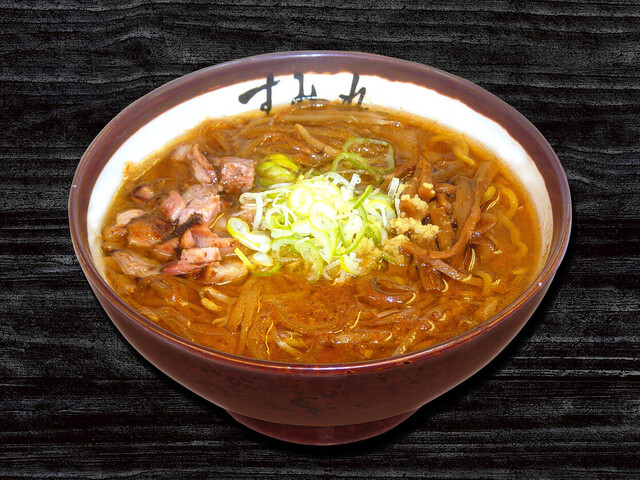
Ramen Jiro Sapporo ten brings the Jiro style into Sapporo’s compact, high-pressure ramen culture: counter-led, portion-conscious, and built around a narrow format rather than a sprawling menu. Its selection for Tabelog Ramen HOKKAIDO “Tabelog 100” in 2024 and 2025 places it among the city’s more closely watched ramen addresses, especially for diners comparing Sapporo’s miso tradition with heavier Tokyo-born bowls.
Pearl is the En Primeur Club membership app — saves, bookings, and concierge access live there. Same editors, same standards.
- Address
- 北海道札幌市北区北6条西8丁目8-11
- Website
- tabelog.com
 Saves & bookings on Pearl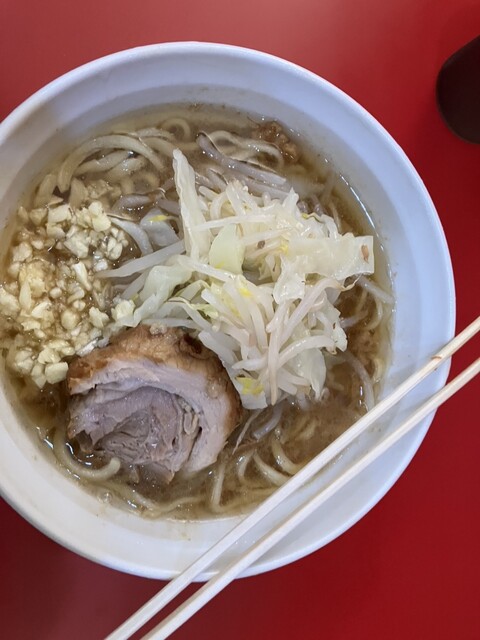
Approaching a serious ramen counter in Sapporo rarely feels ceremonial. The grammar is practical: a queue, a ticket-machine rhythm, a counter that turns quickly, and a room where the bowl matters more than the room. Ramen Jiro Sapporo ten belongs to that direct school of eating, where the format tells the diner what to expect before the first order is placed. This is not Sapporo’s polished seafood-and-miso postcard. It is the city’s appetite for volume, heat, and repetition expressed through a narrow ramen architecture.
Sapporo ramen culture is often reduced to miso, butter, corn, and winter weather, but the city’s current noodle map is wider and more competitive than that shorthand suggests. Tantanmen counters, soup curry specialists, long-running curry houses, and sushi rooms all compete within walking distance of central stations and hotel corridors. For a broader read on that spread, Our full Sapporo restaurants guide is the better starting point; this counter sits in the ramen subset where speed, portion logic, and local reputation carry more weight than décor.
A narrow ramen format in a city known for broader comfort eating
The point of a Jiro-style counter is not menu range. Its appeal comes from restriction: a small set of decisions, a heavy bowl structure, and an audience that understands the etiquette of a counter built for turnover. That makes it useful as a contrast to Sapporo’s other casual staples. Soup curry, represented locally by places such as Soup Curry Hirihiri 2 Go, invites customization across broth, spice, and toppings; curry counters such as [Curry Senmon Ten] Maruyama Kyoju., Ajanta Indo Curry Ten, and Ajanta Sohonke work through a different register of spice and rice. Ramen Jiro Sapporo ten is tighter: ramen as a repeated system rather than a browsing exercise.
That structure matters because Sapporo already has a famous ramen identity. A Jiro counter in this city does not need to imitate local miso orthodoxy to be relevant; it gains interest by showing how imported ramen subcultures take root in Hokkaido’s capital. The selection for Tabelog Ramen HOKKAIDO “Tabelog 100” in both 2024 and 2025 is the trust signal here. It places the shop inside a regional ramen conversation rather than merely inside the national Jiro phenomenon.
Within Sapporo’s lower-priced noodle tier, the comparison is not luxury versus casual. It is discipline versus breadth. 175°DENO Tantanmen Sapporo kitaguchi ten works from the numbing-spice vocabulary of tantanmen, while Jiro-style ramen leans on portion structure and counter rules. Both are casual, both reward solo diners, and both make sense for visitors who want one meal to reveal how Sapporo eats beyond seafood markets and hotel breakfasts.
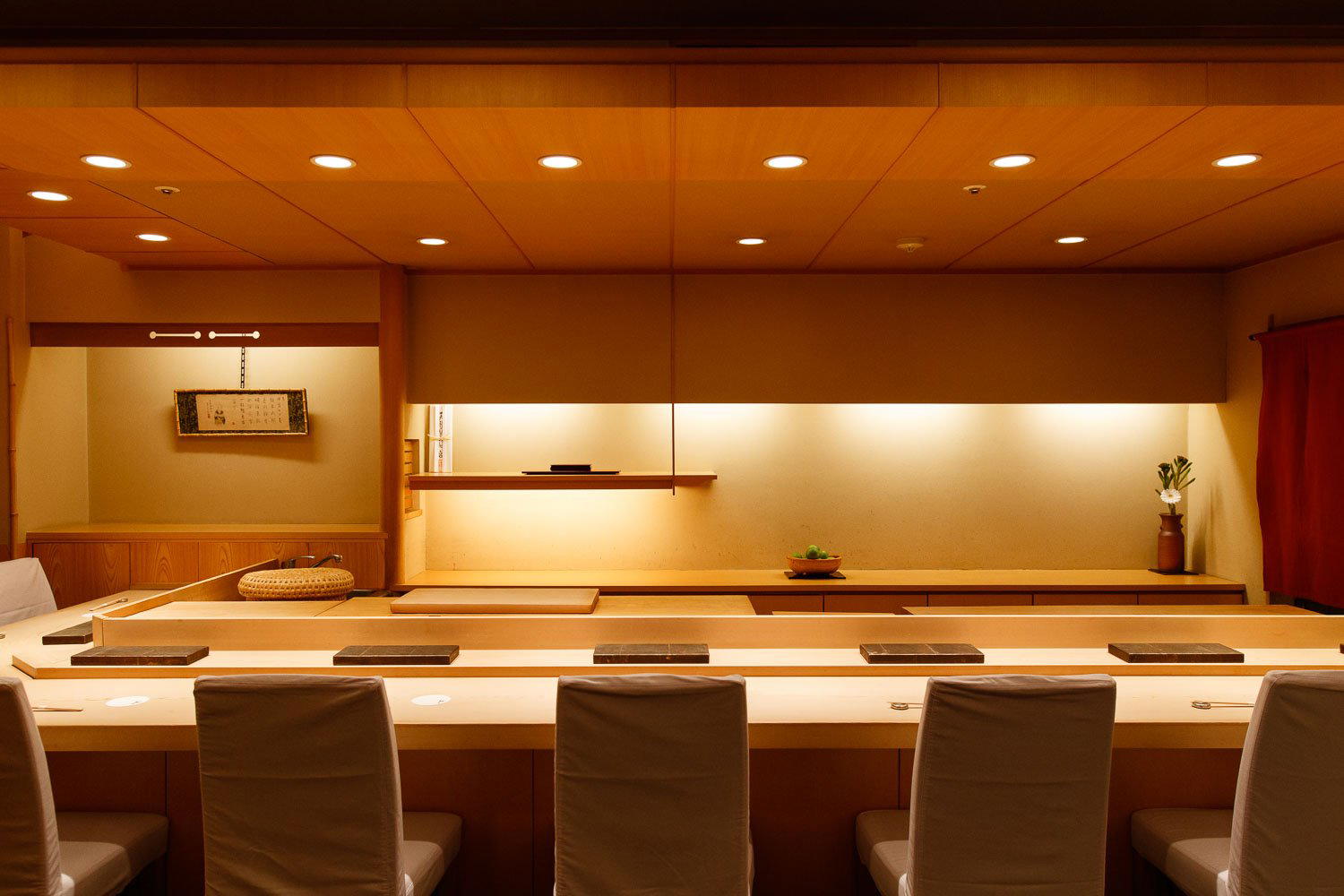
Counter culture, not chef theatre
The useful way to read this address is through the counter, not through biography. There is no need to romanticize a chef narrative when the format is already doing the editorial work. Counter seating compresses the meal into a public sequence: order, wait, receive, eat, leave. That sequence is part of why ramen remains one of Japan’s great urban dining forms. It allows a city to feed office workers, students, visitors, and regulars with little ceremony, while still supporting intense loyalty around minute differences in broth, noodles, toppings, and pacing.
In Sapporo, that compactness carries particular value. The city can feel generous in scale, with broad streets, winter infrastructure, and eating districts that shift from department-store basements to late-night counters. A ramen room near the central transport grid operates differently from a destination dining room: it fits between train arrivals, weather, and the appetite for something direct. Travelers building a wider Sapporo itinerary can pair this kind of stop with the hospitality layer in Our full Sapporo hotels guide, the drinking map in Our full Sapporo bars guide, regional wine context in Our full Sapporo wineries guide, and cultural planning through Our full Sapporo experiences guide.
The award history also clarifies expectations. Tabelog’s Hyakumeiten recognition is not a luxury signal in the Michelin sense; it is more useful as a category signal, especially for genres such as ramen where everyday pricing and specialist devotion overlap. A shop can be inexpensive, physically modest, and still carry meaningful regional weight. That is the Sapporo lesson here: seriousness does not always arrive with tasting menus, linen, or reservation choreography.
Where this bowl fits in a Sapporo eating day
Ramen works differently in a travel schedule from sushi, teppan, or pastry. It is often a decisive single-purpose meal, not an evening’s whole production. A visitor comparing categories might place Sushi Tanabe in the composed, higher-ritual lane, Teppan in a chef-facing cooked format, and Aigues Vives in a bakery-driven coastal detour. The ramen counter asks for less time and more appetite. That is why it can be a sharper cultural read than a more expensive meal: the diner sees how a city eats when it is not performing for visitors.
For EP Club readers crossing Japan, the same logic applies beyond Hokkaido. A counter meal in Sapporo sits on a continuum with everyday-specialist formats elsewhere, from -Grilled beef Sukiyaki- KAMAKURA TANUKIAN 鎌倉 たぬき庵 in Kamakura to. 鮪と炭火焼き うお炭 秋葉原店 in Tokyo.cafe in Osaka.know in Kumamoto, (Shoku) Vietnam in Kawasaki, and [ki:] in Kyoto. The comparison is not about cuisine similarity; it is about how small-format restaurants create clarity through limits.
Internationally, that same appetite for focused formats explains why places such as Jōdo Saké Bar in Los Angeles and Onigiri Time in Pasadena travel well with Japanese food culture without copying a full restaurant template. Ramen Jiro Sapporo ten is rooted in Japan’s counter economy, but its lesson is broader: a narrow menu can say more about a city’s eating habits than a long one. In Sapporo, that makes the bowl less a detour from the local canon than a pointed argument with it.
Comparable Options
Comparable venues for orientation by cuisine and category.
| Venue | Cuisine | Price | Notes |
|---|---|---|---|
| Ramen Jiro Sapporo tenThis venue — the venue you are viewing | Jiro-Style Ramen | $ | Not listed |
| Saera | Japanese kissaten & sandwich shop | $ | Chūō |
| MEDICINEMAN | Sapporo soup curry house | $ | Chūō |
| Okami Soup | Sapporo miso ramen specialty shop | $ | Chūō |
| Sapporo Junren Kita 31 jou ten | Traditional Sapporo ramen | $ | Higashi |
| Mendokoro Maruha BEYOND | Japanese Ramen | $ | Toyohira |
Recognition history
Dated appearances from independent guides and award organizations, with the underlying list record or original source where available.
Tabelog 100 #98 · No. 98
Tabelog · Tabelog 100 - Ramen - HOKKAIDO - 2025
At a Glance
- Well Known
- Energetic
- Classic
- Solo
- After Work
- Casual Hangout
- Standalone
A compact, counter-only ramen shop with a no-frills, high-energy atmosphere focused on fast turnover and serious ramen eating.