Skip to Main Content
← Collection
Crows Nest, Australia

Sapporo Restaurant

LocationCrows Nest, Australia

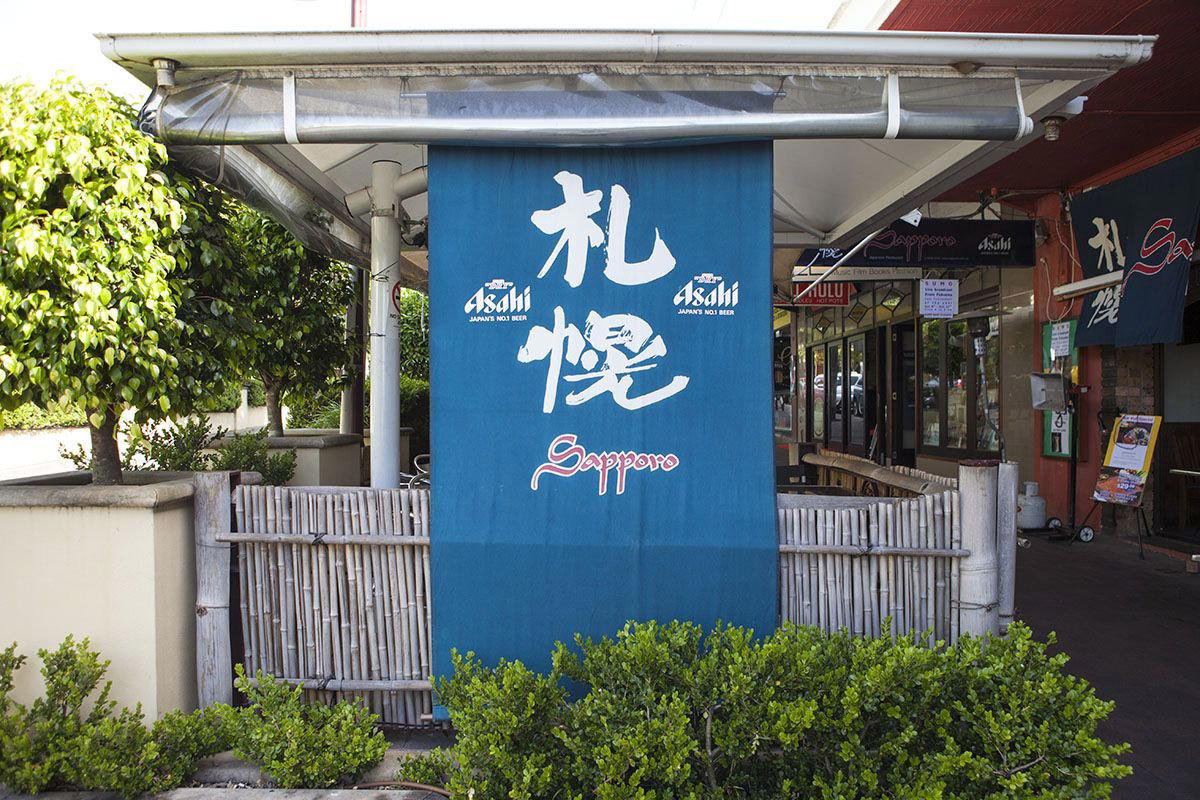
A long-standing Japanese restaurant on Willoughby Road in Crows Nest, Sapporo sits within one of Sydney's most consistently interesting dining strips north of the bridge. The suburb has quietly accumulated a range of kitchens that reward repeat visits, and Sapporo holds its place as a neighbourhood fixture for Japanese cooking in a suburb that rewards those willing to look past the main-drag noise.

Sapporo Restaurant restaurant in Crows Nest, Australia
About

Willoughby Road and the North Shore's Japanese Thread

Crows Nest has never quite attracted the dining press that Surry Hills or Newtown commands, but the stretch of Willoughby Road running through its centre has sustained a concentration of independent restaurants that would hold their own in more fashionable postcodes. Among them, Sapporo Restaurant at number 94 occupies a position that many neighbourhood Japanese restaurants across Sydney aspire to: a settled, familiar presence in a suburb that has come to rely on it. For context on what else the strip offers, our full Crows Nest restaurants guide maps the broader dining picture.

Japanese cuisine in Australian cities has moved through several distinct phases. The early wave of suburban Japanese restaurants through the 1980s and 1990s introduced sushi and teriyaki to neighbourhoods that had little prior reference point. A second wave, concentrated in the 2010s, brought omakase counters, premium wagyu, and Japanese whisky programs to CBD and inner-city venues. What remained, and what suburbs like Crows Nest still hold, is that earlier tier: restaurants where the cooking is grounded in everyday Japanese food culture rather than in the theatre of premium tasting formats. Sapporo sits in that category, serving a suburb where residents want reliable, competent Japanese cooking within walking distance.

Members Only

The shortlist, unlocked.

Hard-to-book tables, cellar releases, and concierge-planned trips.

Get Exclusive Access →

The Cultural Weight of Everyday Japanese Cooking

It is worth understanding what everyday Japanese cooking actually means before dismissing it as a lesser tier. In Japan, the neighbourhood restaurant, the shokudo or the local izakaya, carries as much cultural legitimacy as the kaiseki counter. The discipline required to produce consistently clean miso soup, properly seasoned rice, and well-executed sashimi at volume is not trivial. The casualness of the format conceals real technical requirements. Katsu that arrives with a crust that holds its texture, tempura that doesn't carry excess oil, ramen broth that shows evidence of long extraction: these are not accidental outcomes.

Australian diners have grown more literate about this distinction over the past decade, partly through exposure to venues like Ormeggio at The Spit in Mosman, which, though Italian rather than Japanese, demonstrated what technical seriousness looks like in a suburban waterfront setting north of the bridge. The broader shift in Australian dining expectations, visible at venues from Attica in Melbourne to Rockpool in Sydney, has raised the floor for what neighbourhood restaurants are expected to deliver. Sapporo operates in that raised-floor environment.

Crows Nest as a Dining Suburb

The suburb sits roughly four kilometres north of the Sydney CBD, accessible via the Pacific Highway or, since the opening of the Sydney Metro's Crows Nest station, by direct rail from the city centre. That connectivity has changed the suburb's dining calculus: it is no longer purely a local catchment but draws diners from across the north shore and inner city who can now reach it without a car. For a neighbourhood restaurant, the arrival of reliable public transport links is a meaningful shift in the potential customer base.

The Willoughby Road strip competes quietly with the more publicised dining destinations in the Lower North Shore. Johnny Bird represents the newer end of Crows Nest's dining offer, with a format that speaks to the suburb's changing demographic. Sapporo sits at the other end of that spectrum: established, neighbourhood-facing, consistent. Both have their logic.

For comparison across the broader Australian dining scene, the pattern of reliable neighbourhood specialists holding their ground against trend-driven competition is visible elsewhere: Provenance in Beechworth and Pipit in Pottsville both demonstrate how regional and suburban settings can sustain serious cooking when a restaurant earns genuine local loyalty rather than chasing destination-dining traffic.

What the Japanese Neighbourhood Format Delivers

The category Sapporo occupies is worth examining on its own terms. Japanese neighbourhood restaurants in Australian cities typically offer a broader menu than their premium-format counterparts, covering sushi and sashimi alongside cooked dishes: gyoza, agedashi tofu, yakitori, donburi, and noodle soups. This breadth serves a different dining occasion. Where an omakase counter requires commitment, both temporal and financial, the neighbourhood format accommodates the Tuesday-night dinner, the family meal, the low-key catch-up. It fills a gap that the premium tier deliberately leaves open.

The geography of Sydney's Japanese dining reinforces this. Premium omakase and kaiseki venues cluster in the CBD and Surry Hills. Neighbourhood Japanese restaurants are distributed across the suburbs, and their survival depends on converting the local residential population into regulars. Longevity on a suburban strip is itself a signal: restaurants that don't earn repeat custom don't last.

For those whose dining reference points extend internationally, the neighbourhood Japanese format that Crows Nest venues occupy is closer in spirit to the neighbourhood bistro model that cities like Paris sustain with great conviction, or to the community-facing dining rooms that venues like Lazy Bear in San Francisco consciously push against. Neither model is inherently superior; they serve different functions within a dining ecosystem.

Planning a Visit

Sapporo Restaurant is located at 94 Willoughby Road, Crows Nest NSW 2065. The Crows Nest Metro station, on the Sydney Metro City and Southwest line, places the restaurant within a short walk of direct city connections, making the drive-or-stay calculation direct for Sydney diners. For those exploring broader options in the area before or after, the mix of cuisines on Willoughby Road means the neighbourhood functions well as a dining destination in its own right rather than a single-stop visit. Current hours, booking availability, and contact details are leading confirmed directly with the venue, as this information is subject to change and is not confirmed in the current record.

For readers building a broader NSW or Australian dining itinerary, the EP Club covers a range of venues from Blackwood Pantry in Cronulla to Salt Water Restaurant in Cairns, and further afield to Brae in Birregurra, Botanic in Adelaide, Hentley Farm in Seppeltsfield, Laura at Pt Leo Estate in Merricks, Wills Domain in Yallingup, Aloft in Hobart, and Lizard Island Resort in Lizard Island. For international reference points in the premium category, Le Bernardin in New York City represents the kind of sustained technical excellence that shapes expectations across the global dining conversation.

Frequently Asked Questions

What's the signature dish at Sapporo Restaurant?
Specific dish details for Sapporo are not confirmed in the current record. Japanese neighbourhood restaurants of this type typically anchor their menus around sushi, sashimi, and cooked classics, but confirmed signature dishes should be verified directly with the venue before visiting. The broader Crows Nest dining scene, covered in our Crows Nest guide, provides useful context for what the area's kitchens tend to emphasise.
Do they take walk-ins at Sapporo Restaurant?
Booking policy is not confirmed in the current record. In Sydney's north shore dining suburbs, neighbourhood Japanese restaurants at this price tier generally accommodate walk-ins outside peak Friday and Saturday service windows, but demand varies. Given the suburb's improved metro access, arriving without a reservation on a weekend evening carries more risk than it did several years ago. Confirming directly with the venue is advisable.
What's the standout thing about Sapporo Restaurant?
Longevity on a competitive suburban dining strip is the clearest signal available. Willoughby Road has seen considerable restaurant turnover over the years, and venues that hold their position on that strip do so by earning consistent local custom rather than by riding a trend cycle. Sapporo's continued presence at 94 Willoughby Road speaks to that kind of embedded neighbourhood standing.
Is Sapporo Restaurant good for vegetarians?
Specific menu details are not confirmed in the current record. Japanese cuisine broadly offers meaningful vegetarian options, including agedashi tofu, vegetable tempura, cucumber and avocado-based sushi, and miso-based dishes, but the specific range at Sapporo should be confirmed directly with the restaurant. Sydney's north shore dining scene has become more responsive to dietary requirements over the past decade; venues in the area generally expect the question.
How does Sapporo Restaurant fit into the wider Japanese dining scene on Sydney's north shore?
Sydney's north shore Japanese dining divides broadly between premium omakase and kaiseki-format venues concentrated closer to the CBD or harbourside suburbs, and neighbourhood-format restaurants distributed across the residential suburbs further north. Sapporo occupies the neighbourhood tier in Crows Nest, a suburb that now has direct Metro access from the city centre, making it part of a wider catchment than its postcode alone would suggest. For diners building a north shore itinerary, Ormeggio at The Spit in Mosman represents the premium waterfront end of the same geographic corridor.

Cost Snapshot

These are the closest comparables we have in our database for quick context.

Collector Access

Need a table?

Our members enjoy priority alerts and concierge-led booking support for the world's most difficult tables.

Get Exclusive Access
Members Only

The shortlist, unlocked.

Hard-to-book tables, cellar releases, and concierge-planned trips.

Get Exclusive Access →