Sapori Sardi
Our verdict
Sapori Sardi on Fulham Road brings Sardinian cooking to one of London's more quietly food-serious stretches of SW6. The kitchen draws on island traditions that rarely surface in London's Italian dining scene, where northern and southern mainland cuisines dominate. For those tracking regional specificity in the capital's Italian offer, it represents a distinct point on the map.

The menu
What to order
- Risotto alla sarda
- Malloredus alla campinadese
- Zuppa di fregola al frutti di mare
- Risotto speck porcini e olio tartufato
Sardinian Cooking in a City That Defaults to the Mainland
London's Italian restaurant scene has long been weighted toward the familiar: Neapolitan pizza, Roman pasta, Emilian ragù. The islands, Sardinia especially, occupy a narrow shelf. That narrowness matters, because Sardinian food is not a regional variation on themes you already know. It is a separate culinary tradition, shaped by geography, pastoral economy, and centuries of relative isolation, with its own bread culture, its own cured meats, its own approach to seafood that differs markedly from the Sicilian or Venetian models more commonly imported to Britain. Sapori Sardi at 786 Fulham Road sits inside this thin category, and the category itself is the reason the address carries weight for anyone tracking where London's Italian offer actually reaches.
Fulham Road's Longer Arc
The stretch of Fulham Road through SW6 has spent the last two decades consolidating a reputation built less on headline restaurants and more on the kind of neighbourhood permanence that Michelin-starred rooms in Mayfair cannot replicate. The corridor running from the Munster Village junction toward Parsons Green attracts residents who eat out regularly, know what they are ordering, and return when something works. That audience has supported Italian addresses in this part of London since at least the 1990s, and the dining preferences of the area tend toward substance over spectacle. Sapori Sardi operates in that context, drawing repeat custom from a local base that is unlikely to be swayed by trends originating in Shoreditch.
That geographical positioning separates it from the central London Italian establishments that price against tourist footfall and corporate lunch accounts. The competitive set here is closer to serious neighbourhood dining than to the ££££ bracket occupied by addresses such as CORE by Clare Smyth, Sketch's Lecture Room and Library, or Restaurant Gordon Ramsay. The comparison matters because Fulham's enduring Italian addresses have sustained loyalty precisely by not chasing that upper bracket.
What Sardinian Cuisine Actually Means on the Plate
To understand what Sapori Sardi is offering, it helps to understand what Sardinian food is not. It is not the seafood-first cooking most visitors associate with Italian island dining. Sardinia's interior is pastoral, and the dominant proteins historically are lamb, suckling pig, and cured pork rather than fish. The bread tradition alone marks the island as distinct: pane carasau, the thin, twice-baked flatbread, has no real equivalent on the mainland and functions differently in a meal than either focaccia or ciabatta. Pasta forms like malloreddus, ridged semolina shells often served with sausage ragù and saffron, are Sardinian in origin and largely absent from the London Italian scene outside a handful of specialist addresses.
The wine tradition adds another layer. Sardinia produces Cannonau, a Grenache-based red grown in low-yield, sun-stressed conditions that produces wines of density and age-worthiness rarely replicated elsewhere. Vermentino di Gallura holds DOCG status and occupies a different register from the Pinot Grigio or Soave that populate most London Italian wine lists. For a kitchen working with Sardinian framing, the pairing decisions on the wine list carry the same regional logic as the food, or should.
The Evolution of a Regional Specialist
Regional Italian specialists in London have followed a recognisable trajectory over the past two decades. The early wave arrived in the 1990s and early 2000s, often serving as extensions of Italian immigrant communities rather than destination restaurants. The second wave, gathering pace after 2010, coincided with British diners developing more granular knowledge of Italian geography and a greater appetite for specificity. Addresses that once needed to explain what Sardinian food was could, by the mid-2010s, assume at least partial familiarity among the SW6 dining population.
Sapori Sardi has operated through this shift, and its longevity on Fulham Road is itself a data point. London's restaurant survival rate beyond five years is low. An address that has held the same geographical position through multiple cycles of neighbourhood dining fashion has either adapted or maintained a core offer that its local audience continues to value. For regional specialists, that kind of tenure tends to mean the kitchen has not been tempted to dilute its specificity to appeal to a broader market, which would undermine the reason regulars return.
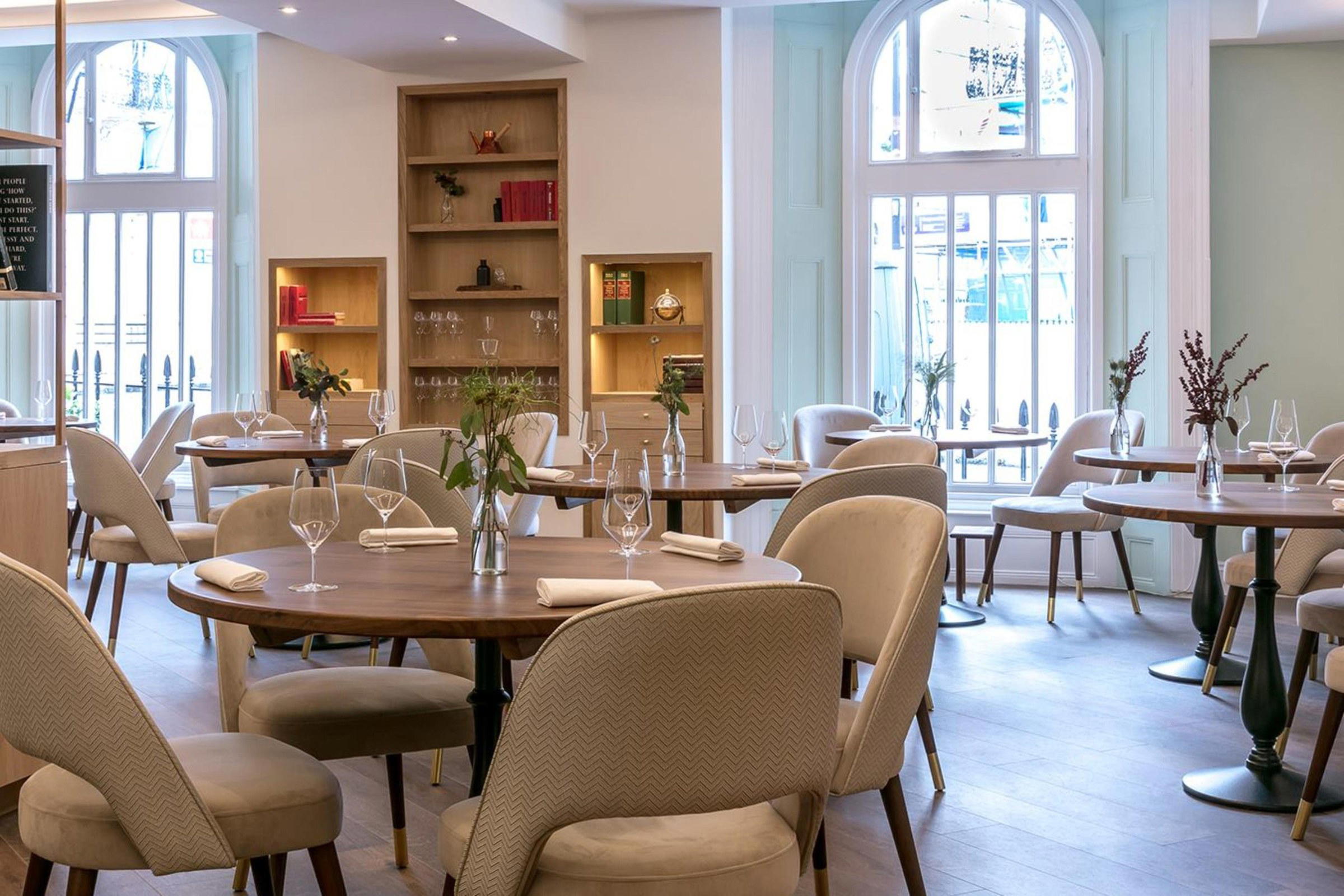
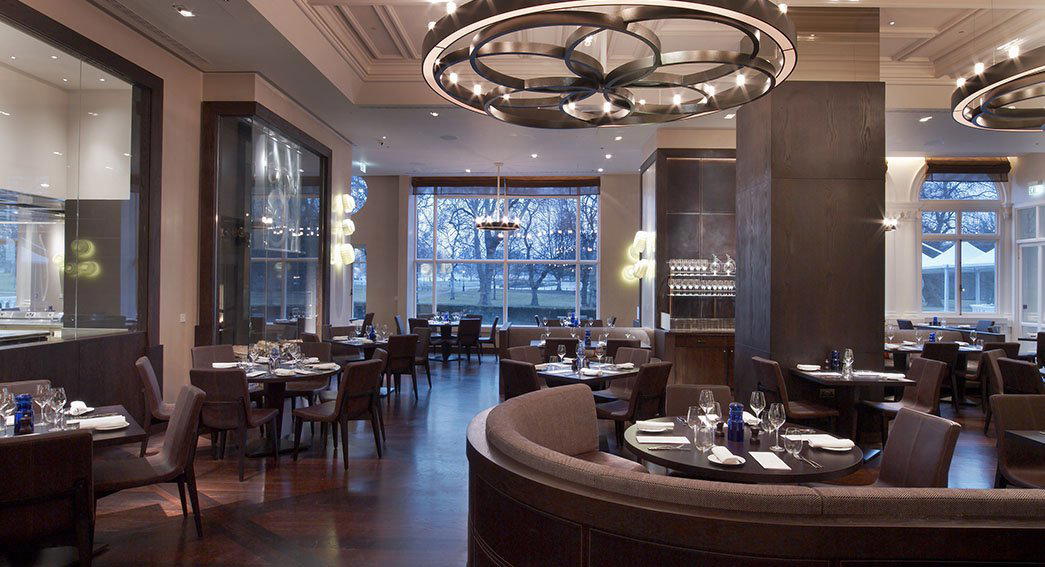
The challenge for regional Italian rooms at this stage is different from the challenge of establishment. The question now is whether the offer has evolved in parallel with rising ingredient sourcing standards and a London dining scene that, at its upper end, sets bars exemplified by addresses like The Ledbury or Dinner by Heston Blumenthal. Sapori Sardi is not in competition with those rooms, but their presence raises the baseline expectation for ingredient quality and kitchen precision across the London dining scene more broadly.
Placing Sapori Sardi in the London Italian Map
London currently supports a small number of addresses with a credible Sardinian claim. The category is narrow enough that direct competitors are fewer than in almost any other Italian regional sub-genre. Sicilian restaurants, Venetian cicchetti bars, and Neapolitan pizza operations all have multiple representatives in central and west London. Sardinian-focused kitchens do not, and that scarcity operates as both a differentiator and a constraint: there is no reference ladder to climb the way there is for, say, London's Neapolitan pizza scene, where critical comparison has driven standards sharply upward over the past decade.
For visitors building a London dining itinerary with regional breadth in mind, Fulham Road's Sardinian option fills a gap that no number of well-funded Mayfair Italian addresses can substitute. The same logic applies to those planning UK-wide trips who might also consider the depth of offer available at L'Enclume in Cartmel, Moor Hall in Aughton, or further afield at Le Manoir aux Quat' Saisons in Great Milton. Regional specificity, whether in British or Italian cooking, is what separates memorable meals from competent ones, and Fulham Road's Sardinian address occupies a position on that basis.
For those building out London across other categories, the city's wider dining and hospitality offer is covered in our full London restaurants guide, alongside hotels, bars, wineries, and experiences.
Planning Your Visit
Sapori Sardi is located at 786 Fulham Road, London, SW6 5SL. Current booking details, hours, and pricing are best confirmed directly with the restaurant before visiting, as these details are subject to change. The Parsons Green and Fulham Broadway tube stations on the District line both sit within walking distance, making the address accessible from central London without requiring a cab.
Quick reference: 786 Fulham Road, SW6 5SL. Nearest tube: Parsons Green or Fulham Broadway (District line). Confirm hours and booking directly with the venue.
Frequently asked questions
What do people recommend at Sapori Sardi?
What is the ideal way to book Sapori Sardi?
What is Sapori Sardi leading at?
Is Sapori Sardi suitable for wine-focused diners interested in Sardinian producers?
Cuisine Context
| Venue | Cuisine | Price | Awards | Notes |
|---|---|---|---|---|
| Sapori SardiThis venue (the venue you are viewing) | Authentic Sardinian & Italian | Not listed | Not listed | Not listed |
| The Ledbury | Modern British Fine Dining | $300–500 | 3 Michelin Stars · World's 50 Best #83 | Modern European, Modern Cuisine |
| Sketch, The Lecture Room and Library | Modern French Fine Dining | $200–300 | 3 Michelin Stars · World's 50 Best #18 | Modern French |
| CORE by Clare Smyth | Modern British Fine Dining | $150–200 | 3 Michelin Stars · World's 50 Best #97 | Modern British |
| Restaurant Gordon Ramsay | French Fine Dining | $200–300 | 3 Michelin Stars · World's 50 Best #13 | Contemporary European, French |
| Dinner by Heston Blumenthal | Historic British Fine Dining | $200–300 | 2 Michelin Stars · World's 50 Best #45 | Modern British, Traditional British |
Continue exploring
More in London
Restaurants in London
All restaurants in London →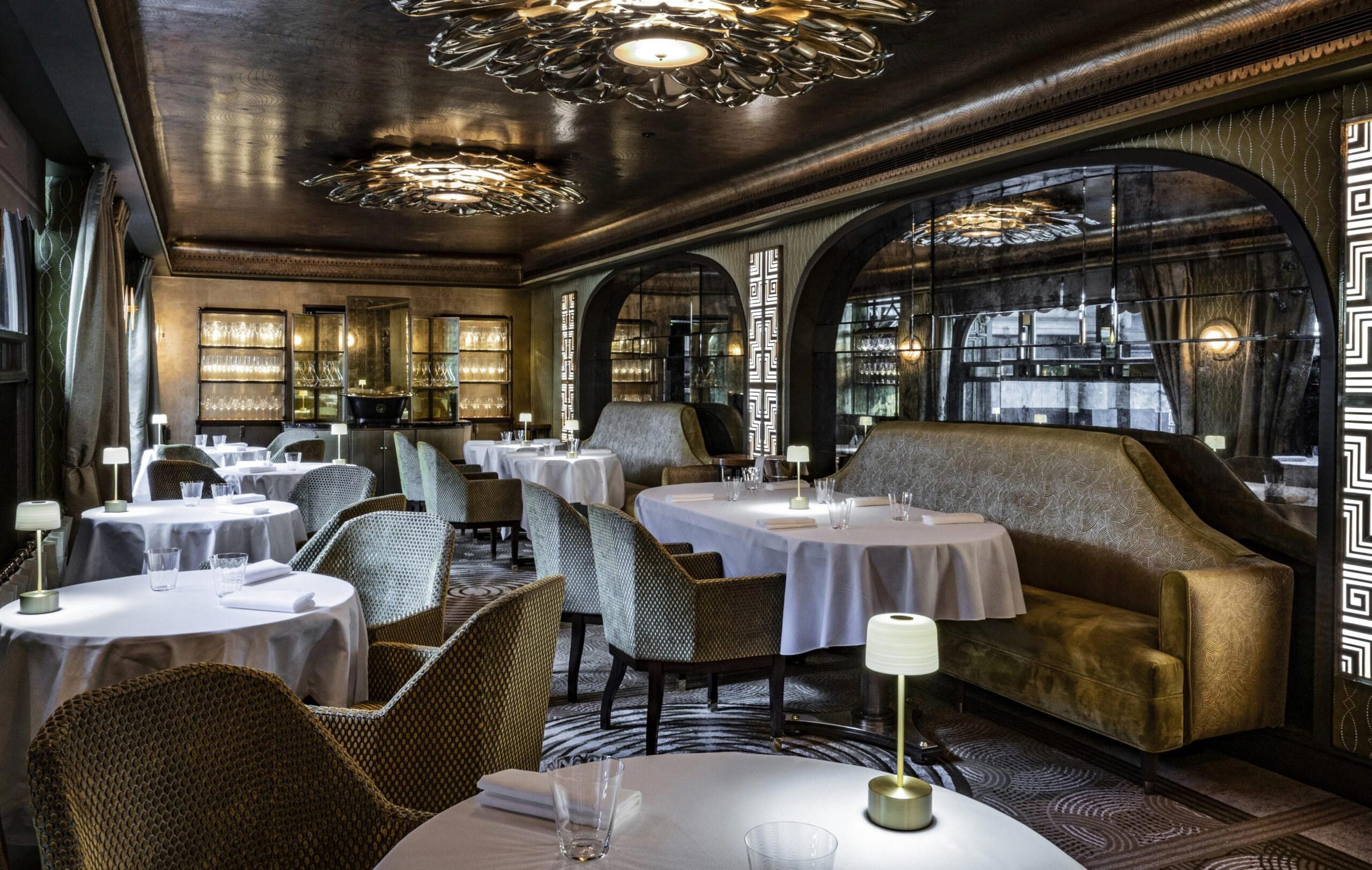
Bars in London
All bars in London →

Details
- Cozy
- Rustic
- Intimate
- Classic
- Date Night
- Special Occasion
- Group Dining
- Family
- Standalone
- Extensive Wine List
- Local Sourcing
- A La Carte
- Wine
- Vegetarian Friendly
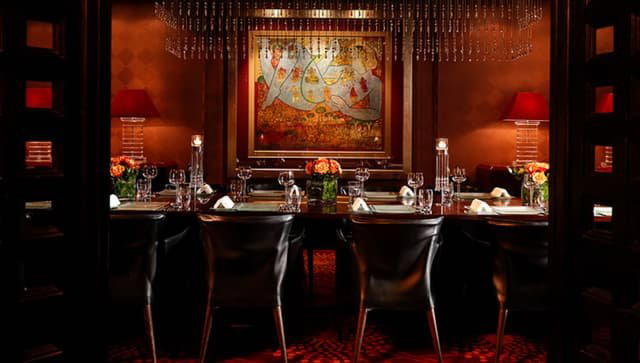
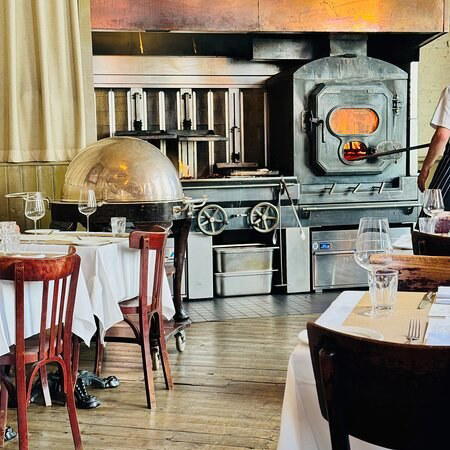
Narrow dining room with rustic Sardinian décor including maps and pictures of the island, tightly packed tables without tablecloths, dim lighting, and eclectic background music.