Vasco and Piero Pavilion
On a narrow Soho side street, Vasco and Piero Pavilion has occupied the same address on D'Arblay Street for decades, making it one of the longer-standing Italian restaurants in a neighbourhood that has cycled through trends at pace. The cooking draws on Umbrian and central Italian traditions at a time when London's Italian dining has largely migrated toward either casual trattoria formats or high-concept tasting menus.
Pearl is the En Primeur Club membership app — saves, bookings, and concierge access live there. Same editors, same standards.
- Address
- 11 D'Arblay St, London W1F 8DT, United Kingdom
- Phone
- +44 20 7437 8774
- Website
- vascosfood.com
- Directions
- Get directions
 Saves & bookings on Pearl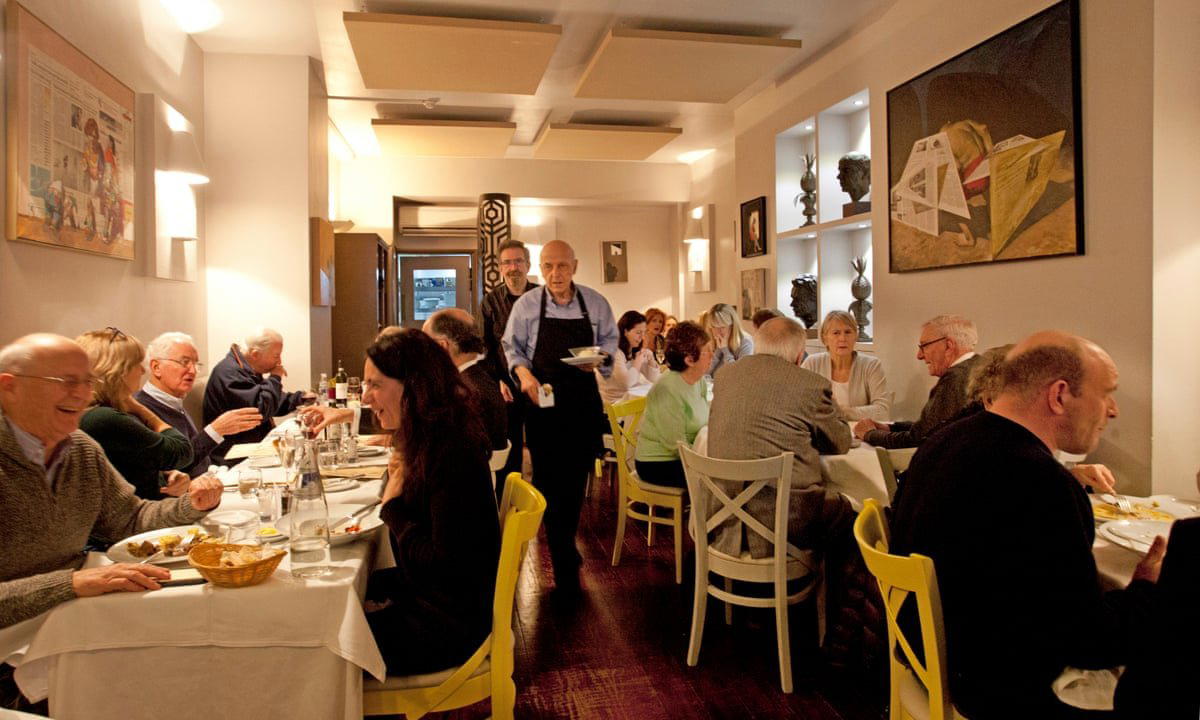
If you eat Italian once in Soho, make it here
Soho has always been London's most restless dining neighbourhood. Restaurants open, reformat, rebrand, and close with a speed that makes longevity its own form of credibility. Against that backdrop, Vasco and Piero Pavilion is a restaurant at 11 D'Arblay St, London W1F 8DT, United Kingdom. It serves traditional Umbrian Italian food and is priced around $50 per person. It has not chased the room's mood but instead held to a specific regional tradition. In a part of the city where Italian cooking now splits between fast-casual pasta counters and high-ticket tasting formats, this restaurant occupies a different register entirely.
The Soho Address and What It Means
D'Arblay Street sits in the western pocket of Soho, a few streets back from the Carnaby axis and within walking distance of the denser restaurant stretch along Beak Street and Lexington Street. The immediate block is quieter than the main Soho arteries, which matters for the kind of restaurant Vasco and Piero Pavilion is. Neighbourhood positioning in Soho often signals format: the louder the street, the more a venue has to perform to the passing trade. A quieter side street tends to attract a more deliberate diner, one who has looked the address up rather than stumbled in.
London's Italian restaurant map has stratified considerably over the past decade. At the leading end, you have multi-course formats with serious wine programs operating at price points comparable to the Michelin-holding Modern British rooms, including addresses like CORE by Clare Smyth, The Ledbury, and Sketch, The Lecture Room and Library, which define the ££££ bracket. Below that, the casual-Italian tier has expanded rapidly, particularly around Soho and Fitzrovia. Vasco and Piero Pavilion fits between these poles: a serious dining room without the ceremony or pricing of the top tier, and without the informality of the casual trattoria end.
Central Italian Cooking in a City That Often Misreads It
Umbrian and broader central Italian cooking is underrepresented in London relative to its quality ceiling. The region's cuisine is not built for spectacle: it works with cured meats, legumes, freshwater fish, truffles when in season, and pasta forms that reward restraint rather than elaboration. London diners more familiar with the Neapolitan or Venetian registers that dominate the city's Italian offering will find the central Italian tradition quieter in presentation but more layered in execution when done well.
This regional specificity is relevant context for how to read the restaurant. The restaurant has maintained its Umbrian and central Italian focus across a period in which London's Italian dining has seen considerable trend pressure, from the wave of Napoli-style pizza venues to the more recent popularity of Roman-inflected pasta formats. Staying regionally coherent over time, in a neighbourhood that rewards novelty, is a meaningful signal about the kitchen's priorities.
For broader context on where this style of cooking sits relative to the contemporary British fine dining scene, the contrast with venues like Dinner by Heston Blumenthal or Restaurant Gordon Ramsay is instructive. Those rooms are engaged in a different conversation, one about British culinary identity or classical French technique. The restaurant is engaged with a narrower, more specific regional argument, and that specificity is precisely the point.
Longevity as a Competitive Signal
In the London restaurant market, where lease pressures, cost inflation, and shifting tastes make survival past a decade genuinely difficult, the long tenure of an address like Vasco and Piero Pavilion on D'Arblay Street carries a particular kind of weight. The restaurant has outlasted multiple waves of Soho dining identity: the brasserie era, the gastro-pub expansion, the rise of small-plates formats, and the current dominance of casual-spend concepts. Each of these cycles has reshaped the surrounding neighbourhood, yet the address has remained legible.
That consistency places it in a comparable set not defined by cuisine type alone but by dining character: rooms where the regulars outnumber the first-timers, where the format has not been redesigned around social media appeal, and where the value proposition is rooted in cooking quality rather than concept novelty. In London, this cohort is smaller than it should be. For reference, the UK fine dining scene rewards this kind of long-form credibility at venues like L'Enclume in Cartmel, Moor Hall in Aughton, and Le Manoir aux Quat' Saisons in Great Milton, though those operate at different price tiers and in country settings. Within London itself, the equivalent of sustained credibility in a central postcode is harder to find and more meaningful when it exists.
Internationally, the durability of a regional-specialist address in a high-traffic city centre has parallels at rooms like Le Bernardin in New York City, where long tenure and cuisine-type consistency have become part of the restaurant's competitive identity, or at Atomix in New York City, which has built credibility through format discipline rather than expansion.
How to Approach a Visit
For visitors to London whose dining itinerary is already oriented toward the higher-spend tier, D'Arblay Street is best understood as the Italian counterpoint to a week dominated by ambitious tasting menus. The room offers a different kind of engagement: more conversational, less orchestrated. Soho's density means the address sits within reasonable range of most central London hotel bases. The full London hotels guide covers the relevant Mayfair and Soho-adjacent properties that make D'Arblay Street walkable.
If the Soho visit extends to day-trip territory, the UK's serious dining rooms outside London, including The Fat Duck in Bray, Gidleigh Park in Chagford, and Hand and Flowers in Marlow, provide the regional contrast that makes London's Italian specialist feel even more precisely positioned.
Booking is recommended.
Recognition, Side-by-Side
Comparable venues nearby, for context on price, style, and recognition.
| Venue | Cuisine | Price | Notes |
|---|---|---|---|
| Vasco and Piero PavilionThis venue — the venue you are viewing | Traditional Umbrian Italian | $$ | Not listed |
| Homeslice Neal's Yard | Wood-Fired Italian Pizza | $$ | St Giles |
| Fifth Element - Italian | Authentic Italian Pasta & Pizza | $$ | Fitzrovia |
| Gourmet Pizza | Authentic Italian Pizza | $$ | River Thames |
| Saporitalia | Authentic Italian Pizzeria | $$ | Notting Hill |
| Bancone Golden Square | Modern Italian Pasta | $$ | Soho |

At a Glance
- Classic
- Cozy
- Intimate
- Date Night
- Pre Theater
- Special Occasion
- Private Dining
- Extensive Wine List
Current opening hours
- Monday
- 12–10 PM
- Tuesday
- 12–10 PM
- Wednesday
- 12–10 PM
- Thursday
- 12–10 PM
- Friday
- 12–10 PM
- Saturday
- 9 AM–5 PM
- Sunday
- Closed
Hours can change for holidays and private events. Last verified .
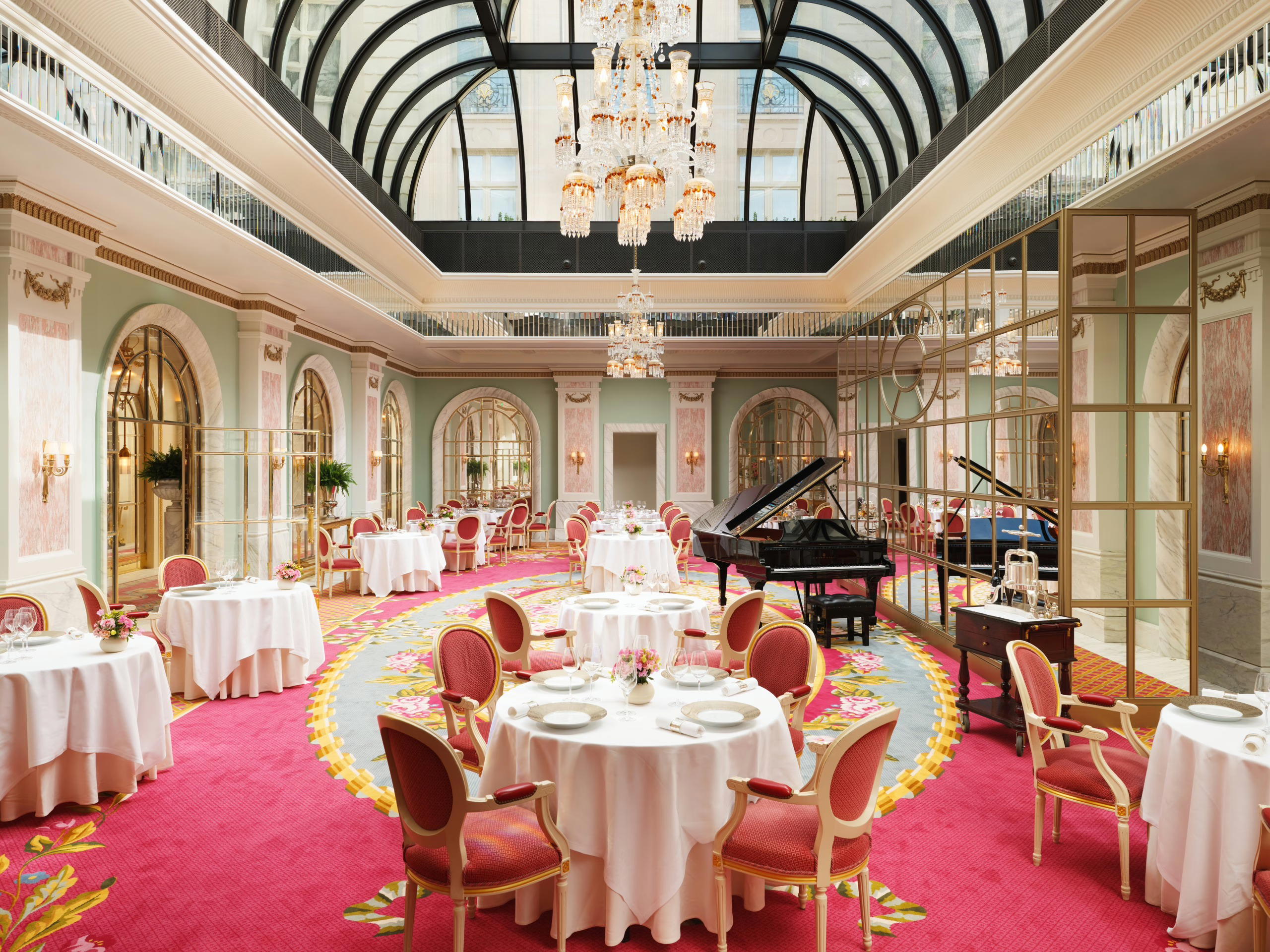
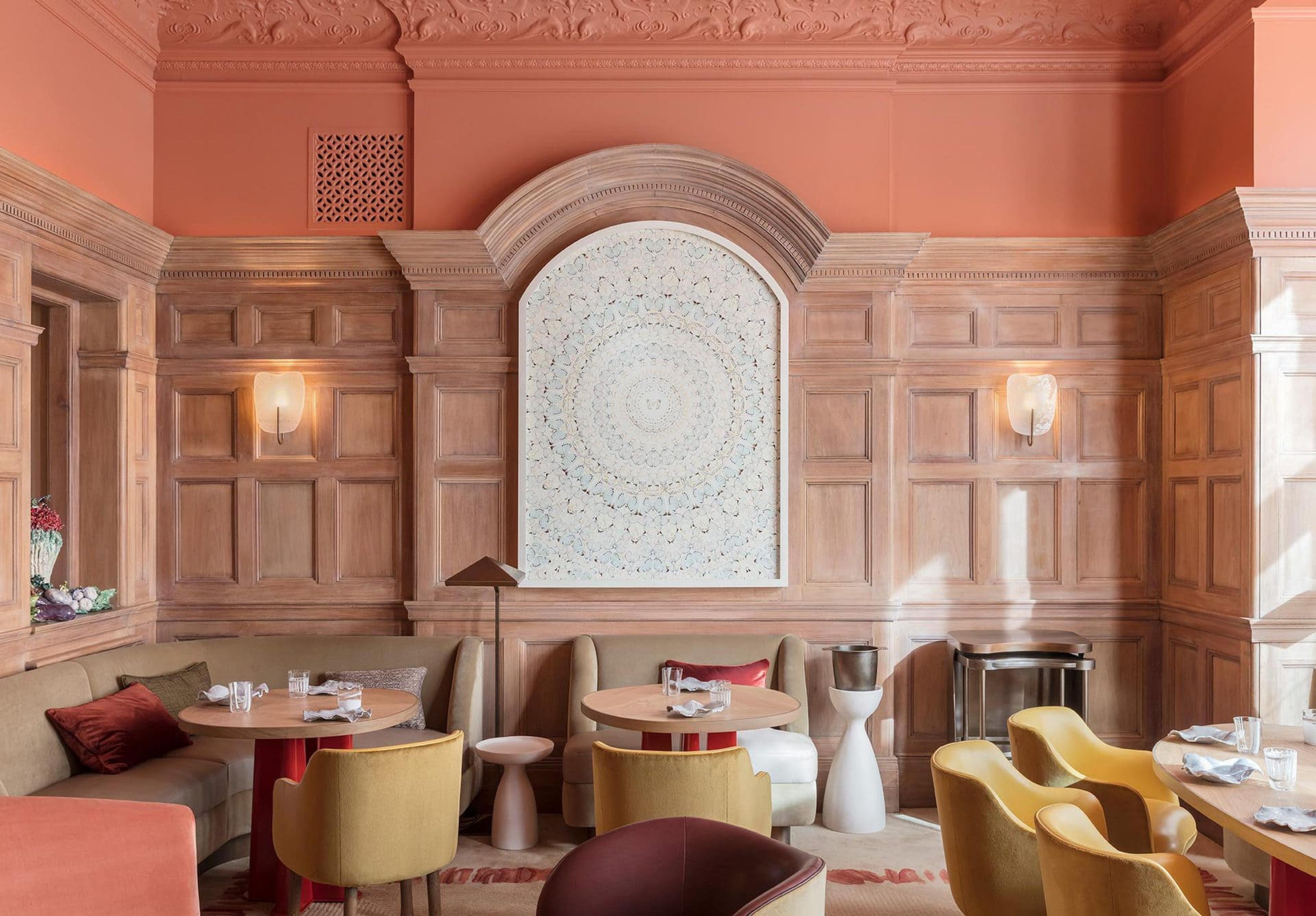
Cozy with white-washed walls, sound-absorbing ceilings for conversational buzz without excessive noise, and a warm, welcoming family atmosphere.