
Tabelog 100 #99
Our verdict
Winter suits Tokyo’s udon culture: warm broth, quick turns, and small rooms where noodle texture matters more than ceremony. Sanuki no Udon Hana wa Saku Shin nakano honten puts a Shin-Nakano address into the Tabelog 100 Udon EAST 2024 conversation, with a low JPY 1,000–1,999 price band and a menu that connects udon, tempura, izakaya habits, and sake.

Pearl is the En Primeur Club membership app, where members save venues, book tables and use the concierge.
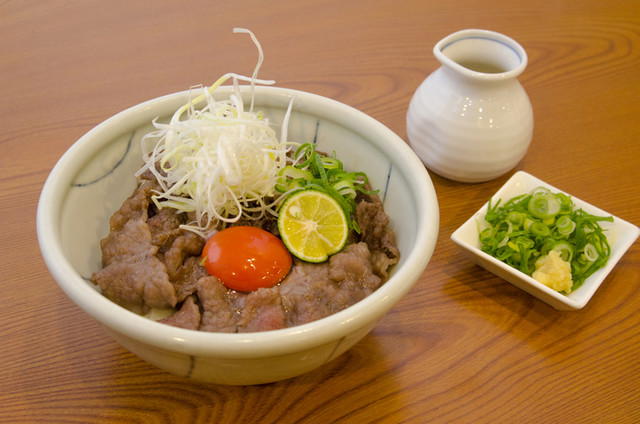
The menu
What to order
- Wagyu beef udon with raw egg yolk
- Tempura udon
- Tokyo-style Sanuki udon
Approaching an udon room in Tokyo offers a different pleasure from a hotel dining room or polished counter. The scale is direct, the pace practical, and the promise in the bowl, not ceremony. Sanuki no Udon Hana wa Saku Shin nakano honten is everyday-special: serious enough for Tabelog Hyakumeiten recognition in 2024, casual enough to stay in the JPY 1,000–1,999 bracket.
Tokyo’s udon scene is not one style under different signs. Sanuki-style udon has its own grammar: wheat, chew, broth, and toppings arranged so the noodle remains the centre of gravity. In a city where premium dining often becomes a reservation sport, the appeal here is the opposite. The format argues for accessible specialization: udon first, with tempura and izakaya touches expanding the meal without turning it into a tasting menu.
Sanuki structure in a Tokyo dining room
Read this restaurant not as a long dish list, but as choices around noodle texture and accompaniment. Sanuki udon is built for contrast: firm wheat noodles against hot or cold preparations, lighter additions against richer options, and tempura as a second rhythm rather than decoration. Udon, izakaya, and tempura categories signal a format that works for a quick lunch, a simple meal, or a longer evening built around small-plate pacing.
That breadth matters in Tokyo. The city balances local eating with destination detours, especially around everyday specialists where regulars and cross-town diners share the same room. A udon shop selected for Tabelog Hyakumeiten in 2024 carries specific weight. The draw is not theatre or skyline dining, but execution in a focused Tokyo format.
The recognition is a category signal rather than a luxury cue. The restaurant is listed with Tabelog Hyakumeiten recognition for 2024 and a Tabelog score of 3.65. In Tokyo terms, that places it in a narrower lane than general Japanese restaurants competing on spectacle. It is judged inside a noodle category, where detail is unforgiving: noodle resilience, broth clarity, topping balance, and speed all count.
What the menu reveals about value in Tokyo
Tokyo can make inexpensive food technically serious without making it precious. A counter bowl, casual specialist, or compact tavern can carry as much editorial interest as a formal course menu. For that spectrum, compare other Tokyo dining rooms across quick meals, visual casual concepts, and grill-and-drink formats. Udon belongs in that ecosystem because it rewards repeat eating, not a single ceremonial visit.
The price band is the central editorial fact. At JPY 1,000–1,999 for both lunch and dinner, the restaurant competes less with Tokyo’s celebratory counters than with serious everyday specialists. That makes the Tabelog Hyakumeiten placement more interesting: the quality signal is not tied to luxury spend. By contrast, Tokyo comparison venues such as Komatsu sit in a different bracket, while Acala naatha operates in another casual lane. One format does not replace another. Tokyo’s dining hierarchy is broad, and noodle shops can earn attention without borrowing fine-dining codes.
Menu breadth also changes how to use the room. The categories suggest a meal that can stay tightly focused on udon or widen with tempura and izakaya-style additions. That flexibility places it outside the hushed-specialist model common to some Tokyo destinations. Technical noodle culture need not be exclusive to formal dining rooms or long, expensive reservations.
How it fits into a Tokyo itinerary
For travellers, Sanuki no Udon Hana wa Saku Shin nakano honten makes sense when the day calls for a focused Tokyo meal rather than hotel-district repetition. Treat it as a low-friction udon stop rather than a half-day project. Because casual specialists can still draw demand, check current opening information before building a route around it.
The practical details in the available listing are straightforward: the venue is categorized as udon, izakaya, and tempura, with both lunch and dinner budgets listed at JPY 1,000–1,999. The phone number is +81-3-6454-1546. These facts describe a Tokyo specialist whose appeal rests on noodle craft, accessible pricing, and a format that can serve both quick and more leisurely meals.
For a broader Tokyo food map, place this stop alongside other category-led addresses rather than only noodle shops: yakitori, casual taverns, tempura-focused meals, and other unnamed Tokyo dining rooms all help shape the city’s everyday range. Tokyo planning often works better by city area and meal type than prestige alone; the same trip might also use broader Tokyo restaurant, hotel, bar, winery, and experience guides.
The wider Japanese and Japanese-adjacent casual canon is useful context. A traveller comparing formats might look generically at udon shops, curry specialists, sake bars, casual cafes, taverns, and quick-service rice or noodle counters in other cities. The through-line is not luxury, but how focused formats travel across places while keeping price, speed, and craft in productive tension.
Frequently asked questions
Is Sanuki no Udon Hana wa Saku Shin nakano honten more mid-range or high-end?
Pricing at Sanuki no Udon Hana wa Saku Shin nakano honten is listed as JPY 1,000 - JPY 1,999 for both lunch and dinner.
Where exactly is Sanuki no Udon Hana wa Saku Shin nakano honten?
Tokyo.
What's the best way to book Sanuki no Udon Hana wa Saku Shin nakano honten?
Use the restaurant’s official channels, or call the listed phone number: +81-3-6454-1546. Check current availability directly before planning around the meal.
What's the standout thing about Sanuki no Udon Hana wa Saku Shin nakano honten?
The clearest credential is Tabelog Hyakumeiten recognition in 2024, alongside a listed Tabelog score of 3.65. It is categorized as udon, izakaya, and tempura, with pricing from JPY 1,000 to JPY 1,999.
What if I have allergies at Sanuki no Udon Hana wa Saku Shin nakano honten?
The menu base includes udon, so wheat may be central, and the venue also lists tempura and izakaya categories. For allergies, check the venue's official channels at +81-3-6454-1546 before booking, since ingredient handling can vary by order.
Peers Worth Knowing
Comparable venues in the metro at similar price points.
| Venue | Cuisine | Price | Awards | Notes |
|---|---|---|---|---|
| Sanuki no Udon Hana wa Saku Shin nakano hontenThis venue (the venue you are viewing) | Sanuki Udon & Tempura | $10–20 | Tabelog 100 #99 | Not listed |
| Acala naatha | Sri Lankan curry restaurant | $10–20 | Tabelog 100 #40 | JPY 3,000 - JPY 3,999 - JPY 999 |
| Komatsu | Traditional Unagi (Eel) Restaurant | $30–50 | Tabelog 100 #82 | JPY 10,000 - JPY 14,999 |
| sanka | Modern French | $50–100 | Michelin Plate | Not listed |
| 松㐂 | Provençal French Bistro | $50–100 | Not listed | Not listed |
| Horumon Jinsei Taro Chan | Yakiniku & horumon (offal) izakaya | $50–100 | Tabelog 100 #35 | JPY 8,000 - JPY 9,999 |
Recognition history
Dated appearances from independent guides and award organizations, with the underlying list record or original source where available.
Tabelog 100 #99 · No. 99
Tabelog · Tabelog 100 - Udon - EAST - 2024
Continue exploring
More in Tokyo
Restaurants in Tokyo
All restaurants in Tokyo →




Bars in Tokyo
All bars in Tokyo →







Details
- Cozy
- Lively
- Classic
- Solo
- Casual Hangout
- After Work
- Family
- Standalone
- A La Carte
- Counter Dining
A small, homely neighborhood udon shop with counter and a few tables, informal service, and a bustling but relaxed atmosphere typical of a local Tokyo noodle-izakaya spot.