Santo Mare
Santo Mare occupies a George Street address in Marylebone, placing it within one of London's most competitive neighbourhoods for seafood-focused dining. The kitchen draws on a sourcing-led approach to coastal ingredients, positioning it in a tier of London restaurants where provenance carries as much weight as technique. For those working through the capital's mid-to-upper dining options, it warrants consideration alongside the broader Marylebone and Mayfair scene.
Pearl is the En Primeur Club membership app — saves, bookings, and concierge access live there. Same editors, same standards.
- Address
- 87-89 George St, London W1U 8AQ, United Kingdom
- Phone
- +442074860377
- Website
- santomare.com
- Directions
- Get directions
 Saves & bookings on Pearl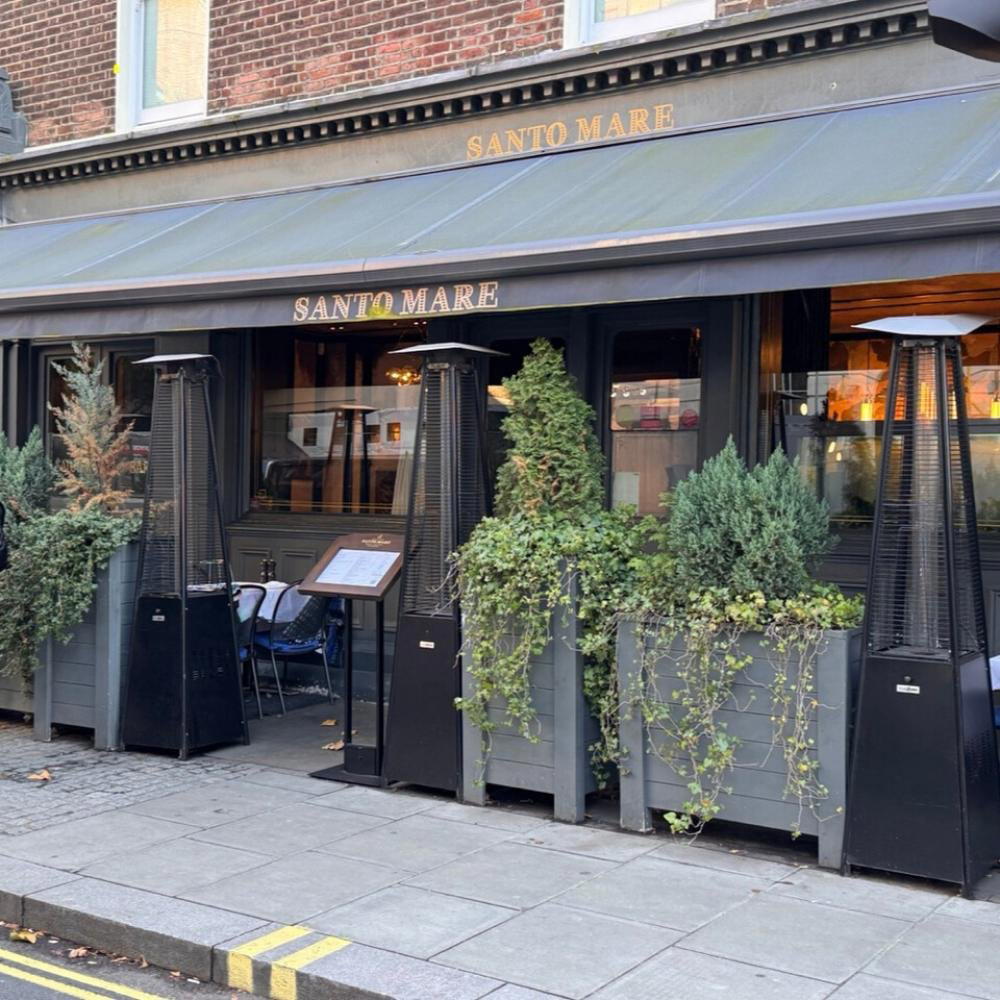
George Street and the Marylebone Seafood Register
Marylebone's restaurant strip along George Street has, over the past decade, settled into a recognisable pattern: independently operated rooms with a specific culinary identity, trading against a backdrop of well-heeled local residents and a West End visitor crowd that knows what it wants. The neighbourhood sits a precise remove from the theatre-district density of Soho and the trophy-restaurant concentration of Mayfair, which gives it room for operators who prioritise a particular ingredient story over spectacle. Santo Mare, at 87-89 George Street, fits that neighbourhood logic. Its name signals the sea, and in London's current dining environment, that signal carries a specific set of expectations around where the fish comes from and how it arrives at the table.
Why Sourcing Defines the Upper Tier of London Seafood
London has never had a shortage of fish restaurants, but the gap between the category's lower and upper registers has widened considerably. At the lower end, fish arrives through the standard wholesale channels that supply hotel kitchens and brasseries across the city. At the upper end, a smaller group of restaurants has committed to direct sourcing relationships: day-boat landings from Cornish and Scottish ports, specific conversations with particular fishermen, and a willingness to let the catch dictate the menu rather than the other way around. This approach is demanding operationally. It requires a kitchen willing to reprice and rewrite based on what actually came off the boat that morning, and a front-of-house team capable of explaining why the plaice on Tuesday is not the same plaice available on Friday.
The restaurants that have built this model most credibly in Britain tend to sit outside London as much as inside it. L'Enclume in Cartmel and Moor Hall in Aughton have made proximity to primary producers a structural advantage, while Waterside Inn in Bray and Le Manoir aux Quat'Saisons in Oxford have used their rural settings to support kitchen gardens and direct supplier networks that urban restaurants have to replicate through logistics. In London, the sourcing argument is harder to make and harder to sustain, which is precisely why the restaurants that make it credibly occupy a distinct position in the market.
The Marylebone Context: Competing on Provenance
The George Street address places Santo Mare within walking distance of some of the capital's most established high-end dining. Sketch, The Lecture Room and Library operates a few streets south in Conduit Street, drawing a crowd for whom the room is as much the point as the plate. The Ledbury anchors the Notting Hill end of this part of west London with a Modern European programme that has held two Michelin stars across multiple inspection cycles. CORE by Clare Smyth in Kensington has built its reputation in part on a sourcing philosophy that treats British produce as the starting point rather than an afterthought.
Against that comparable set, a seafood-focused room on George Street competes on a narrower but potentially more defensible brief. Specialisation in a specific protein category, when backed by genuine sourcing rigour, creates a clarity of identity that broader Modern European programmes sometimes lack. The comparison that matters most is not with the Michelin-starred rooms nearby but with the handful of London restaurants that have made fish provenance their primary editorial statement. Internationally, Le Bernardin in New York City has demonstrated over decades that a seafood-specific identity can sustain a position high on a market, provided the sourcing and technique are treated with equal seriousness.
What the Ingredient-First Model Requires
Running a credible seafood restaurant in a landlocked city requires a set of operational commitments that are easy to announce and difficult to maintain. Day-boat fish from Cornish day-boats or Scottish west-coast landings means working with suppliers who operate on tidal and weather schedules, not restaurant timetables. Shellfish sourced from specific beds in the Hebrides or the west of Ireland carries traceability that matters to a certain type of diner, but it also requires cold-chain logistics that most urban kitchens outsource at the cost of that traceability. The restaurants that have made this work in the UK, from hide and fox in Saltwood on the Kent coast to Gidleigh Park in Chagford on the Dartmoor edge, tend to have geographical proximity working in their favour. London-based operations have to compensate with relationship depth and purchasing discipline.
The culinary traditions that inform this kind of sourcing-led seafood cooking are varied. Italian coastal cooking, particularly from the southern regions, has always treated the fish market as the menu. Spanish Atlantic cooking, from Galicia through the Basque country, has built some of Europe's most rigorous seafood restaurants around exactly this premise. Greek taverna culture, stripped of its tourist-facing version, operates on the same principle: what came off the boat today is what you eat tonight. A London restaurant with a name like Santo Mare is drawing on one or more of these traditions, and the coherence of that reference matters to how the kitchen's choices read.
Placing Santo Mare in the Broader British Dining Map
It is a London address in a neighbourhood that rewards specificity, operating in a category where the gap between the credible and the merely convenient is visible on the plate. The broader map of serious British restaurants includes rooms across the country: Midsummer House in Cambridge, Opheem in Birmingham, Restaurant Andrew Fairlie in Auchterarder, and Hand and Flowers in Marlow each represent a distinct regional argument for cooking that takes its primary materials seriously. In London, rooms like Restaurant Gordon Ramsay and Dinner by Heston Blumenthal have built their reputations on technique and heritage as much as ingredient provenance. The restaurant's positioning, if the sourcing brief holds, is at a different angle to all of them: specific, maritime, and ingredient-first.
For those whose interest in seafood extends across national borders, the comparison with Atomix in New York City is instructive in a different way: Atomix has demonstrated that a tightly defined culinary identity, executed with rigour, can hold a position in a city saturated with high-end options. The lesson translates to London regardless of cuisine.
- Bluefin Tuna Tartare
- Sicilian Red Prawn Carpaccio
- Linguine with Lobster
- Seabass in Salt Crust
- Fritto Misto
- Pasta Nerano
A Credentials Check
Comparable venues nearby, for context on price, style, and recognition.
| Venue | Cuisine | Price | Notes |
|---|---|---|---|
| Santo MareThis venue — the venue you are viewing | Italian Mediterranean Seafood | $$$$ | Not listed |
| The Seas The Sea Chef’s Table Hackney | Modern British Seafood Omakase | $$$$ | Knightsbridge |
| Salmontini | Seafood and Sushi with Smoked Salmon Focus | $$$ | Belgravia |
| Burger & Lobster - West India Quay | Burgers & Lobster | $$$ | Poplar |
| The Promenade | Contemporary European | $$$$ | Mayfair |
| Kouzu | Modern Japanese Fine Dining | $$$$ | Belgravia |
Continue exploring
More in London
Restaurants in London
Browse all →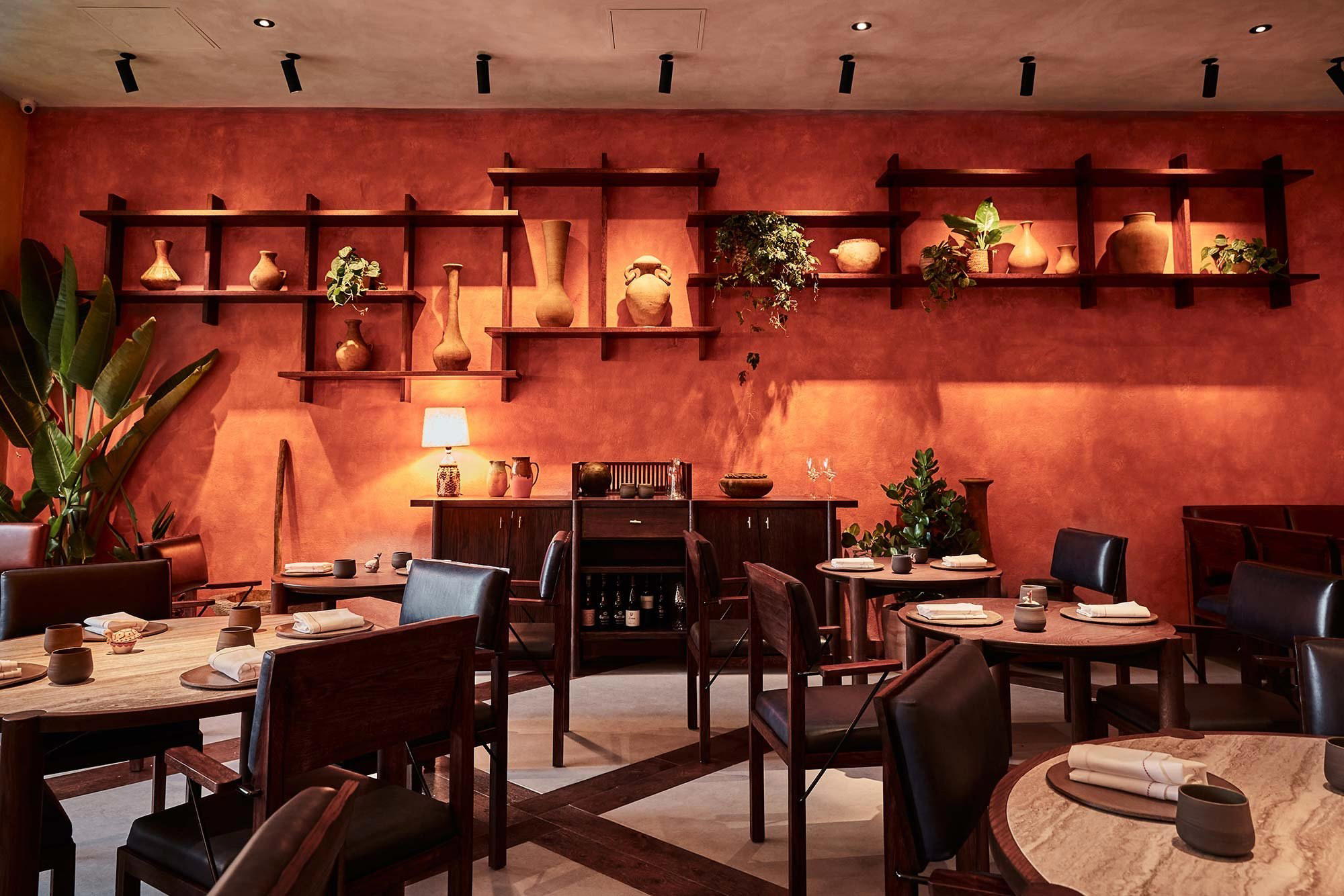
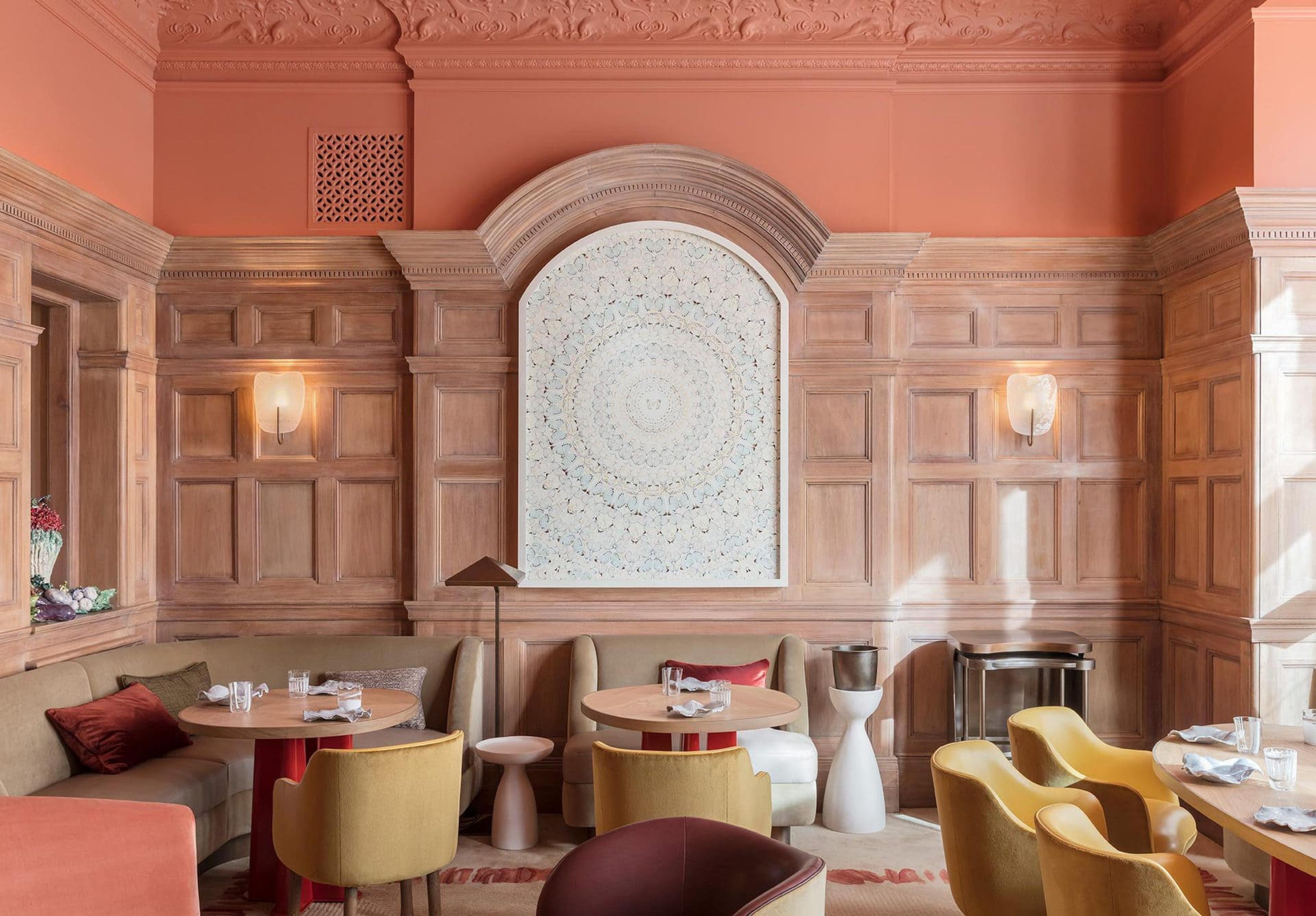
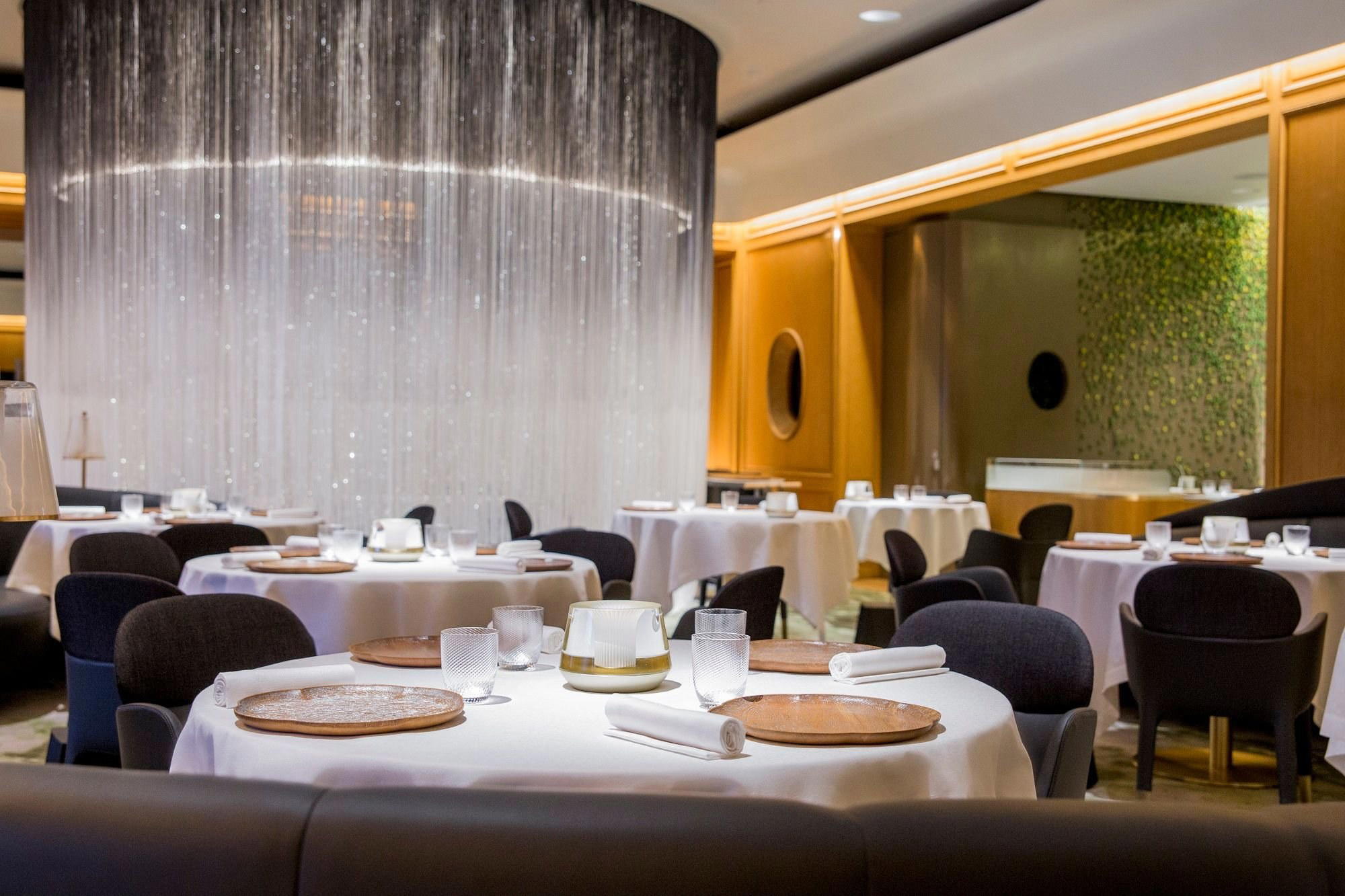
Bars in London
Browse all →
Hotels in London
Browse all →



At a Glance
- Elegant
- Sophisticated
- Intimate
- Scenic
- Date Night
- Business Dinner
- Special Occasion
- Celebration
- Open Kitchen
- Private Dining
- Standalone
- Waterfront
- Extensive Wine List
- Sommelier Led
- Sustainable Seafood
- Local Sourcing
Current opening hours
- Monday
- 12–10:45 PM
- Tuesday
- 12–10:45 PM
- Wednesday
- 12–10:45 PM
- Thursday
- 12–10:45 PM
- Friday
- 12–10:45 PM
- Saturday
- 12–10:45 PM
- Sunday
- 12–10:45 PM
Hours can change for holidays and private events. Last verified .
Mediterranean sanctuary with live lobster tanks and beautifully presented fresh fish on crushed ice, creating an authentic Italian seaside atmosphere.