Kouzu
Kouzu occupies a considered position in London's Japanese fine-dining scene, operating from Grosvenor Gardens in the Belgravia district. The address places it among a comparable set of destination restaurants serving a Westminster and Knightsbridge clientele with high expectations and limited patience for compromise. For those tracking London's engagement with Japanese culinary tradition, Kouzu warrants attention.
- Address
- 21 Grosvenor Gardens, London, SW1 0JW, United Kingdom
- Phone
- (020) 7730 7043
- Website
- kozu.co.uk
- Directions
- Get directions
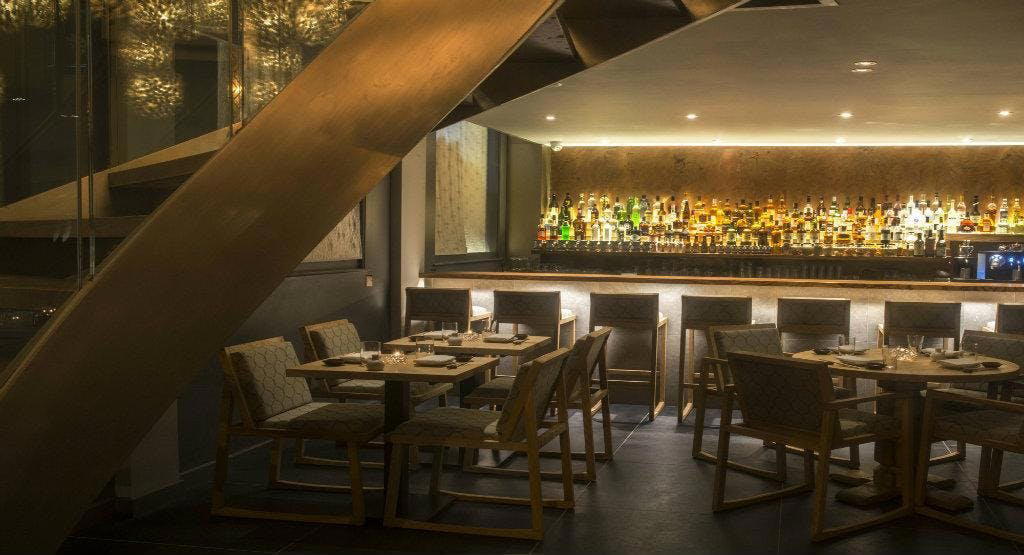
Belgravia's Japanese Fine Dining Tier
London's Japanese restaurant scene has matured considerably over the past two decades, sorting itself into distinct tiers that rarely overlap. At one end sit the high-volume, accessible formats that brought katsu and ramen into mainstream consciousness. At the other end, a smaller cohort of precision-focused Japanese restaurants has carved out a position alongside the city's French and Modern British fine-dining institutions, competing on the same reservation calendars as CORE by Clare Smyth and The Ledbury. Kouzu operates in that upper tier, from an address at 21 Grosvenor Gardens, SW1, the kind of Belgravia postcode that signals intent before a guest has crossed the threshold. Kouzu is a Japanese restaurant in Belgravia, London, with a price tier of 4 and an approximate spend of $75 per person.
This part of London, within walking distance of Victoria and the formal green geometry of Grosvenor Gardens itself, has long attracted restaurants with international aspirations. The neighbourhood clientele overlaps substantially with the diplomatic, financial, and hotel-adjacent crowd that sustains the premium restaurant tier in any major capital. Kouzu's positioning here reflects a deliberate alignment with that demand base rather than the media-driven foot traffic that drives covers elsewhere in the city.
Japanese Cuisine in a City of Competing Traditions
The challenge any serious Japanese restaurant faces in London is a simple one: the city's fine-dining benchmark is set largely by French-lineage kitchens. Restaurant Gordon Ramsay and Sketch, The Lecture Room and Library both hold three Michelin stars and operate with a classical European framework that shapes how critics and guests alike assess fine dining in this city. Japanese restaurants entering that conversation must navigate a different kind of credential: the rigour of the tradition itself, the sourcing of ingredients that are either imported at significant cost or sourced domestically with careful substitution, and the format question of whether to pursue omakase, kaiseki, or a more hybrid approach legible to a Western tasting menu audience.
Globally, particularly compelling recent examples of this conversation happening at altitude are restaurants like Atomix in New York City, which has constructed a format that honours Korean fine-dining rigour while communicating fluently across cultural contexts. The equivalent move in London's Japanese dining space is less well-documented but no less consequential for those paying attention. Le Bernardin in New York City offers a different kind of parallel: a restaurant that has sustained relevance over decades by absolute fidelity to its central discipline. That kind of durability is what distinguishes a serious restaurant from a fashionable one.
Sustainability as Culinary Discipline
In the current moment, the question of how a Japanese restaurant sources its fish is no longer a peripheral ethical concern. It sits at the centre of what it means to cook seriously in this tradition. Japanese cuisine's historic dependence on bluefin tuna, sea urchin, and other high-demand marine species has made the fishing and aquaculture supply chain a front-of-house conversation at any restaurant operating with genuine awareness of where the category is heading.
London's most thoughtful fine-dining kitchens have responded to this shift in a variety of ways. Some have moved toward British-sourced seafood as a primary commitment, finding that the quality of day-boat fish from Cornwall, Scotland, and the South Coast can rival imported alternatives when handled with the same precision. Others have built relationships with specific suppliers whose traceability standards are verifiable rather than asserted. The distinction matters: a supply chain claim printed on a menu and a documented relationship with a named fishery are different things, and experienced guests are increasingly able to tell which is which.
For Japanese restaurants specifically, this creates a structural tension. Certain preparations are defined by specific species: without wild bluefin, the otoro course of a traditional omakase changes fundamentally. Some Tokyo kitchens have resolved this by working with certified sustainable bluefin sources or by redesigning courses around alternative cuts and species that carry comparable textural and flavour weight. The restaurants doing this seriously tend not to advertise it loudly; the evidence is in the sourcing sheets and the seasonal variation in what appears on the counter.
Belgravia's position in this conversation is worth noting. The neighbourhood's clientele is international enough and financially secure enough to absorb the cost premium that responsible sourcing requires. A Japanese restaurant at this address has a commercially viable argument for investing in supply chain integrity in a way that a restaurant in a more cost-sensitive location might not. That commercial logic, when it aligns with genuine culinary commitment, tends to produce particularly durable results.
Placing Kouzu in London's Wider Scene
London's premium restaurant scene in 2024 is simultaneously crowded at the leading and thinned out in the middle. The Michelin three-star tier, currently including CORE by Clare Smyth, Restaurant Gordon Ramsay, Sketch, The Lecture Room and Library, and The Ledbury, is dominated by European formats. Dinner by Heston Blumenthal, with two Michelin stars, represents a different kind of institutional authority built around a conceptual relationship with British culinary history. The Japanese fine-dining tier sits adjacent to these but operates on different credentials, with Tokyo and Kyoto training lineages carrying the weight that a French kitchen education carries in the European tradition.
Beyond London, the broader British fine-dining geography includes restaurants like The Fat Duck in Bray, L'Enclume in Cartmel, and Moor Hall in Aughton, all of which have built national reputations around a sense of place and ingredient sourcing tied to specific landscapes. Gidleigh Park in Chagford, Hand and Flowers in Marlow, and hide and fox in Saltwood each represent the regional fine-dining tier doing its own version of this. A Japanese restaurant in central London operates without that kind of geographic identity claim, which means the discipline of the cooking and the integrity of the sourcing carry more of the argumentative weight.
Planning a Visit
Kouzu is located at 21 Grosvenor Gardens, London, SW1W 0JW, within easy reach of Victoria Station. For those building an itinerary around London's premium dining and hospitality scene,
Advance booking is recommended.
In Context: Similar Options
Comparable venues nearby, for context on price, style, and recognition.
| Venue | Cuisine | Price | Notes |
|---|---|---|---|
| KouzuThis venue — the venue you are viewing | Modern Japanese Fine Dining | $$$$ | Not listed |
| ROKA Aldwych | Contemporary Japanese Robatayaki | $$$$ | Clare Market |
| Kurisu Omakase | Thai-Colombian Fusion Omakase | $$$$ | Brixton |
| Colony Club | Japanese Fusion with Teppanyaki | $$$$ | Mayfair |
| Beaverbrook Townhouse | Modern Japanese Tapasu & Omakase | $$$$ | Knightsbridge |
| OITA Soho | Modern Japanese Izakaya | $$$ | Soho |
Continue exploring
More in London
Restaurants in London
Browse all →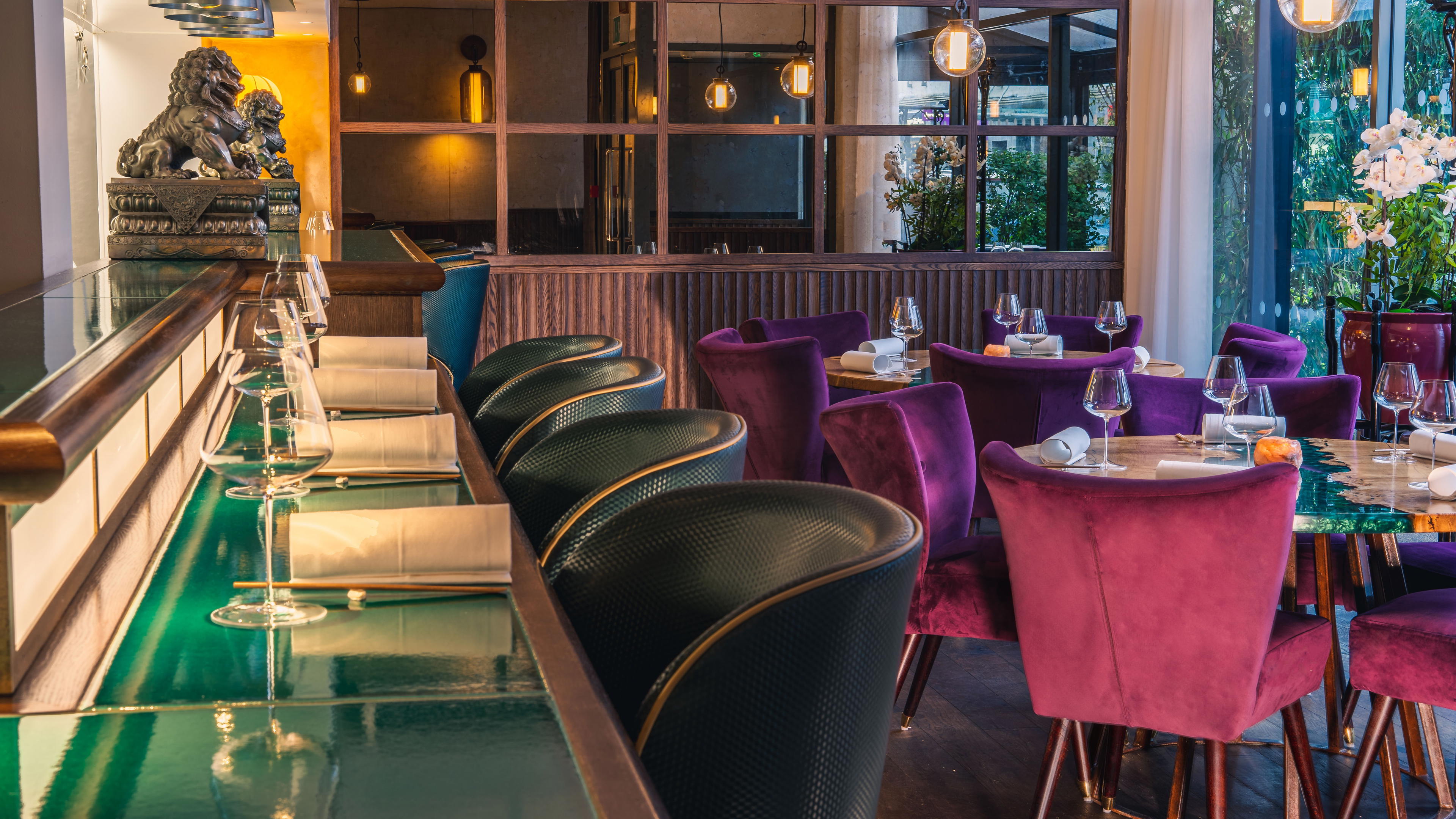
Bars in London
Browse all →
Hotels in London
Browse all →
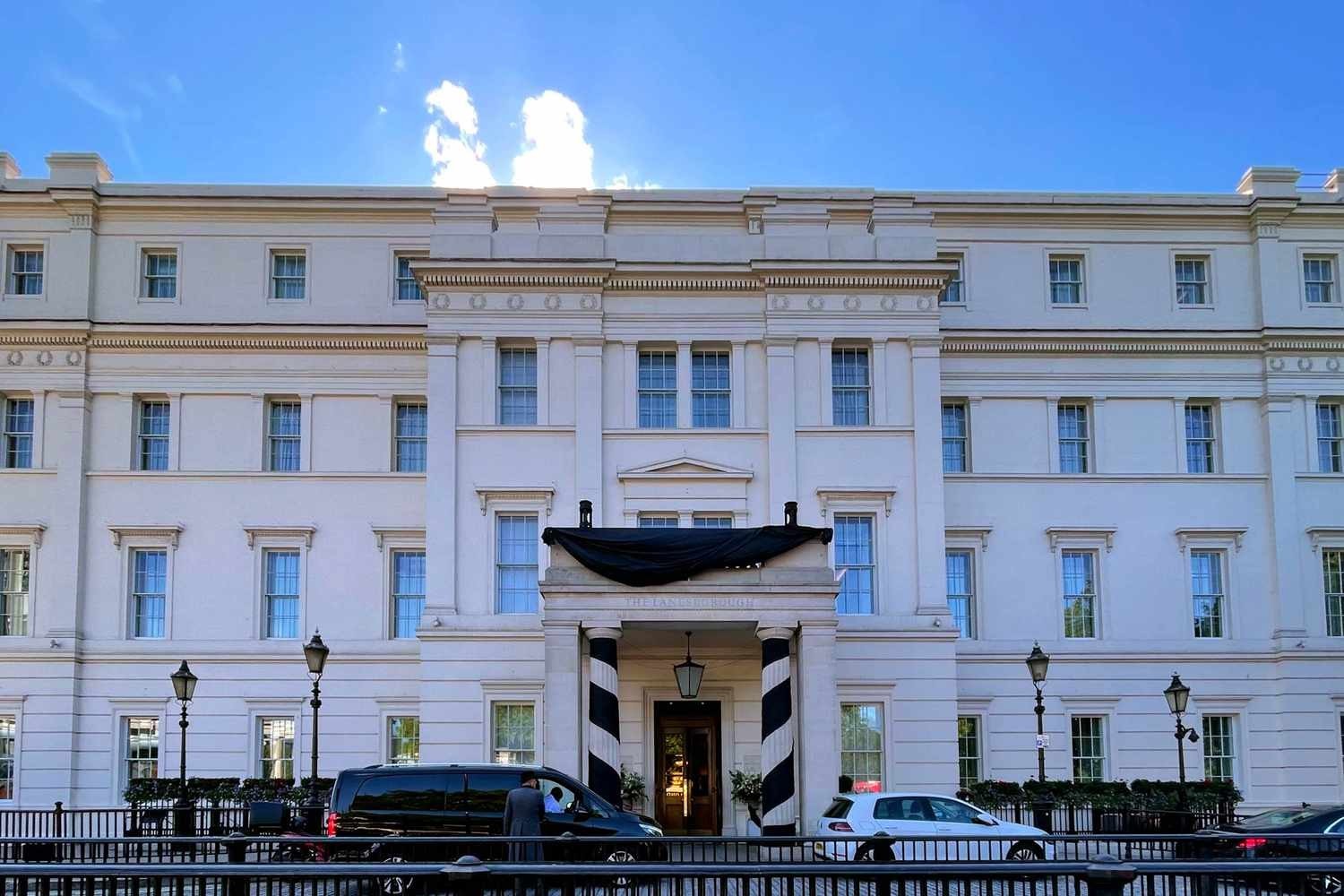
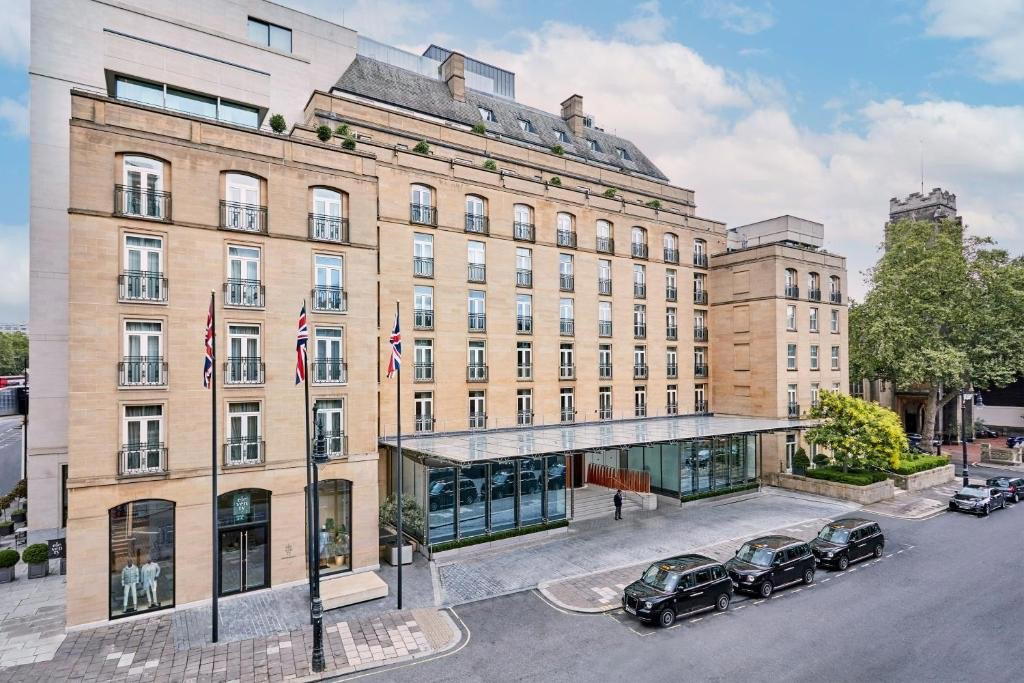
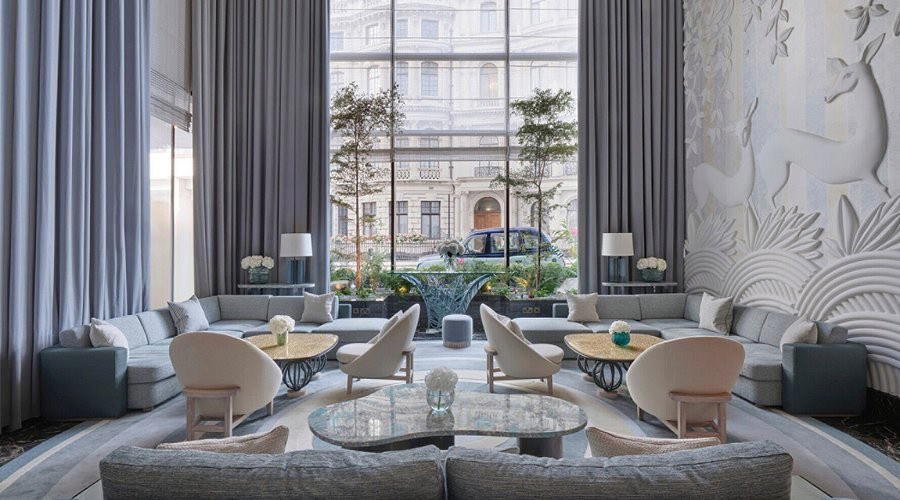
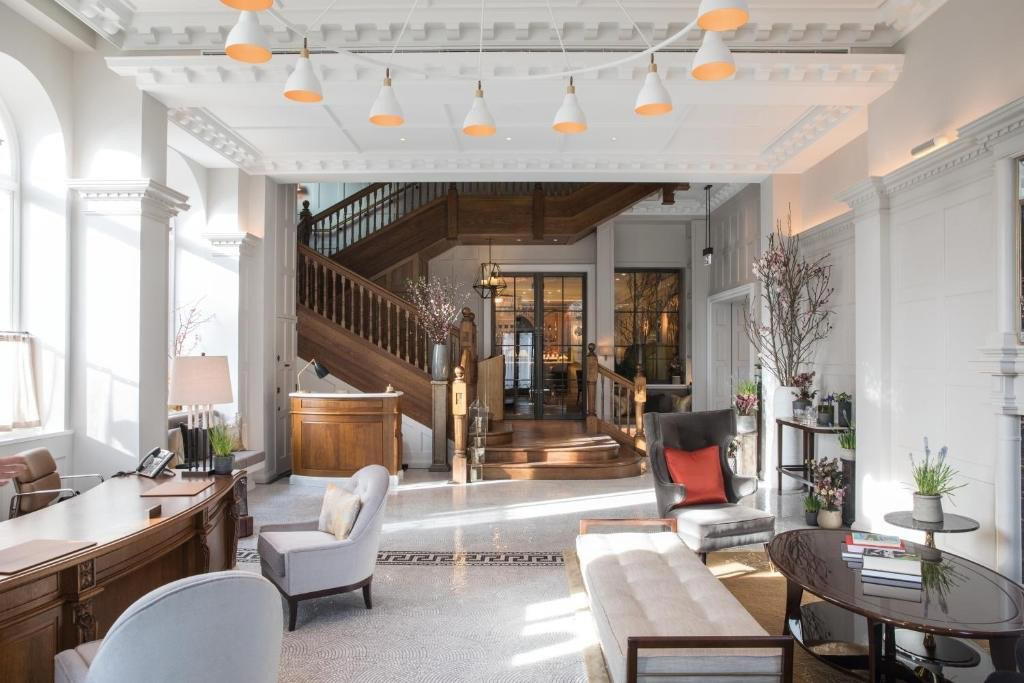



At a Glance
- Elegant
- Sophisticated
- Modern
- Intimate
- Date Night
- Special Occasion
- Business Dinner
- Chefs Counter
- Open Kitchen
- Historic Building
- Sake Program
- Craft Cocktails
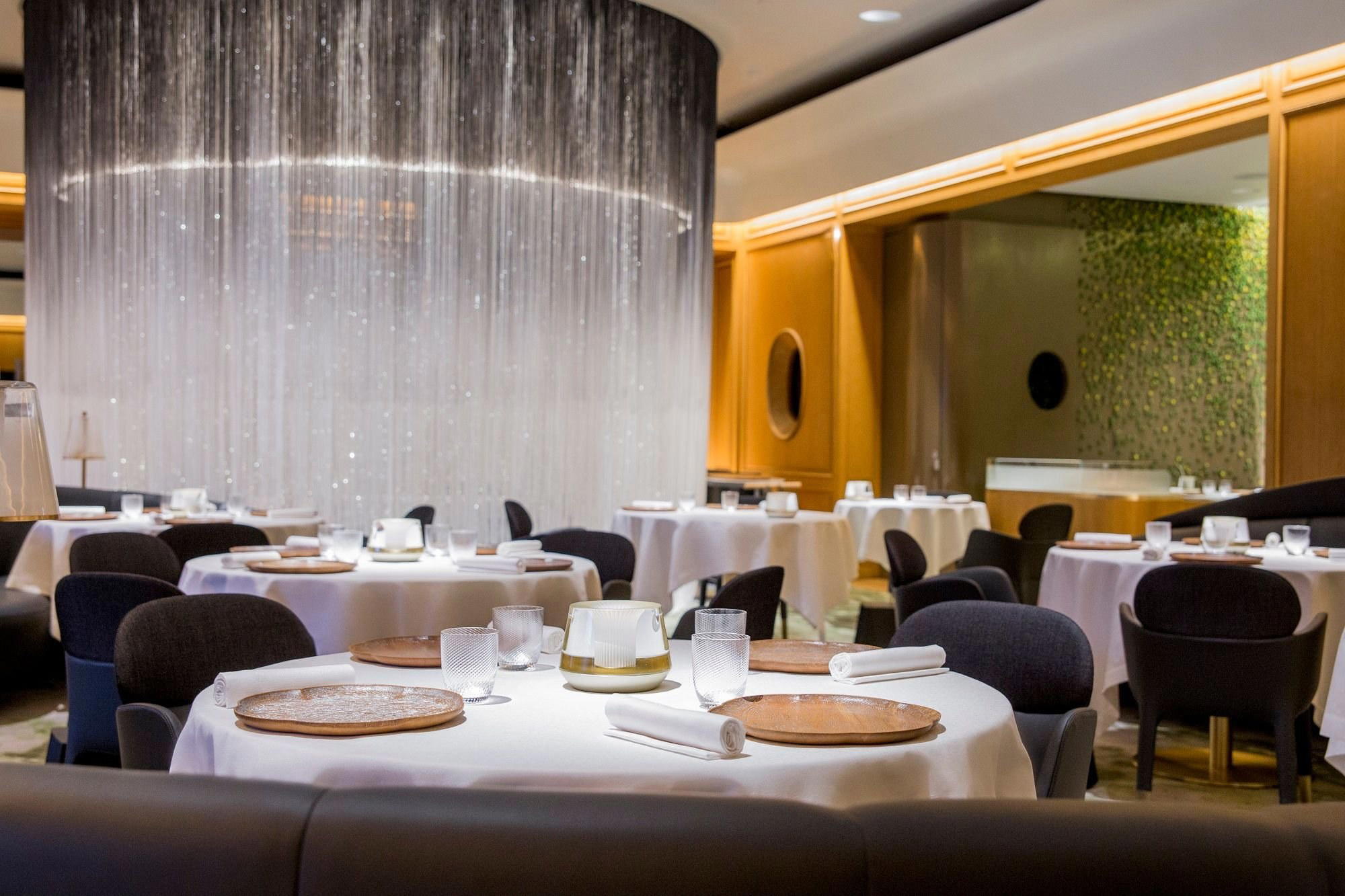
Sophisticated and atmospherically lit with a glowing golden blossom chandelier, relaxing oasis of calm, cozy upstairs dining room.