Santi

On Chawalanok Road in central Ubon Ratchathani, Santi serves Thai-Chinese cooking from an open-air counter where the wok flames and the sound of high-heat stir-frying are as much a part of the meal as what arrives at the table. A Michelin Plate holder in both 2024 and 2025, it sits in the ฿฿ tier and draws regulars for its stir-fried minced pork with olives and deep-fried seabass with homemade spicy sauce.
Pearl is the En Primeur Club membership app — saves, bookings, and concierge access live there. Same editors, same standards.
- Address
- Chawalanok Rd, ตำบล ในเมือง Mueang Ubon Ratchathani District, Ubon Ratchathani 34000, Thailand
- Phone
- +66 81 879 7423
- Website
- facebook.com
- Directions
- Get directions
 Saves & bookings on Pearl
Wok Fire and Open Air: Thai-Chinese Cooking on Chawalanok Road
Approach Santi on Chawalanok Road in central Ubon Ratchathani and the restaurant announces itself before you reach the door. The sound of a wok against high heat carries into the street, and on still evenings the smell of rendered pork fat and scorched aromatics reaches the pavement first. The kitchen operates at the front of the restaurant, in full view of anyone walking past, and the flames that rise during a stir-fry are not incidental theatre, they are the cooking. This is how Thai-Chinese food has been made in provincial Thai cities for generations: at the front, in the open, with the cook and the guest sharing the same air.
That transparency matters for understanding what kind of restaurant Santi is. It occupies the open-air, roadside tier that defines everyday dining in Isan, and it has earned recognition in both 2024 and 2025. The Michelin Plate signals competent, carefully made food, and at the ฿฿ price point Santi sits alongside Ubon Ratchathani venues like Indochine.
Thai-Chinese in the Northeast: A Distinct Culinary Register
Thai-Chinese cooking in provincial cities like Ubon Ratchathani operates as its own distinct register, separate from both Isan's fermented and herb-forward tradition and the elaborate banquet cooking of Bangkok's Chinatown. The cooking style arrived with Teochew and Hokkien migrant communities and adapted over decades to local ingredients and palates. The result tends toward high-heat wok technique, salt-forward seasoning, preserved vegetables, and whole fish preparations that reward patience at the table. It is cooking that responds to fire discipline more than to sauce complexity.
Across Thailand, Thai-Chinese restaurants occupy a consistent structural position: affordable, often family-run, technically demanding in ways that are easy to overlook, and frequently sustained by neighbourhood loyalty over decades. The format is well-represented in the northeast, where Chinese merchant communities settled along river trading routes. Baan Heng in Khon Kaen operates in broadly the same culinary tradition, and Chop Chop Cook Shop in Bangkok represents the more urban, design-conscious end of the same genre. Santi sits closer to the Baan Heng model: unpretentious surroundings, serious wok technique, a menu built on a handful of dishes executed with repetition and consistency.
What the Kitchen Does Well
The cooking at Santi centres on two dishes that have come to define its reputation. The stir-fried minced pork with olives is a study in Teochew-influenced wok cooking: preserved Chinese olives (sometimes called nam prik nai, or pickled olive paste) add a saline, slightly bitter depth that amplifies the smokiness of the wok-charred pork. The combination creates a flavour profile that is simultaneously concentrated and dry, closer to a Fujian-style hash than to anything in the mainstream Thai canon. It is not a subtle dish, and it is not designed to be.
The deep-fried seabass with sweet fish sauce takes a different approach. Whole fish preparations at this price point often sacrifice crust integrity for speed, but the seabass here is said to develop genuinely crispy skin, the kind that resists the sauce rather than absorbing it immediately. The homemade spicy sauce arrives alongside rather than poured over, which preserves the textural contrast between fish and sauce for longer into the meal. The preparation takes additional time, and ordering it requires accepting a longer wait than the stir-fry dishes.
Both dishes reflect a cooking philosophy common across serious Thai-Chinese kitchens: technique over novelty, repetition over rotation. The menu at venues like this does not change with seasons in the way a tasting counter might. The skill accrues in the execution of the same dishes, hundreds of times, over years.
The Seafood Dimension: Freshness at the Front
In the Thai-Chinese restaurant format, the positioning of the kitchen at the front of the house does double duty. It functions as display as much as workspace. At Santi, where whole seabass is a centrepiece dish, that visibility connects to the broader freshness-theatre that characterises the better end of Thai-Chinese seafood cooking. Guests can see what is being prepared, in what condition, and at what heat. There is no black box between the market and the plate.
This transparency is not common across Ubon Ratchathani's full dining range. The city's street food scene, represented by venues like Guay Jub Ubon, operates at an even more open register but tends toward broth-based preparations rather than wok or whole-fish work. The Isan specialists, such as Krua Samchai, work from a different pantry entirely. For seafood cooked at high heat with the kitchen in view, Santi occupies a specific and relatively narrow slot in the city's dining options.
Where Santi Sits in Ubon Ratchathani's Dining Scene
Ubon Ratchathani's restaurant scene rewards some mapping. The city has a concentration of Isan-focused venues, a Vietnamese presence reflecting its proximity to the Lao and Vietnamese border regions (visible at places like Agave and Indochine), and a layer of Thai-Chinese cooking sustained by long-established family restaurants. Santi belongs to that third category and is among the more externally validated examples in the city, based on its consecutive Michelin Plate awards.
Compared to Michelin-recognised Thai cooking at higher price tiers, PRU in Phuket, AKKEE in Pak Kret, or Aeeen in Chiang Mai, Santi makes no claim to the premium tier. Its recognition is for consistent, well-executed cooking at an accessible price point, which is precisely what the Michelin Plate category is designed to document.
For a wider view of dining in Ubon Ratchathani, the full Ubon Ratchathani restaurants guide maps the city's full range, from the traditional Thai cooking of Chomjan to the street-food end of the spectrum. Those visiting for longer will also find the Ubon Ratchathani hotels guide, bars guide, and experiences guide useful for building a fuller itinerary. The wineries guide covers the less obvious end of the city's drink options.
Visitors comparing Thai-Chinese further afield might cross-reference Angeum in Ayutthaya and The Spa in Lamai Beach for regional variation in how Chinese-influenced cooking has taken local root across Thailand.
Planning a Visit
Santi is located on Chawalanok Road in the Mueang Ubon Ratchathani district, within the city centre. Seating is split between inside and roadside, and the open-air format means the experience varies with weather and time of day. Evening visits, when the wok flames are most visible and the street activity peaks, tend to capture the cooking at its most atmospheric. Diners who want the deep-fried seabass should factor in additional preparation time and order it early in the meal. Arriving in person is one reliable approach for this format of restaurant.
What Do Regulars Order at Santi?
Two dishes anchor the regular order at Santi. The stir-fried minced pork with olives is cited for its smoky intensity and the depth that preserved olives contribute to the wok-charred pork. The deep-fried seabass with sweet fish sauce is the more involved preparation, requiring a longer wait, but delivers a crispy exterior that holds against the homemade spicy sauce served alongside it. Both dishes reflect the Teochew-influenced Thai-Chinese cooking tradition and are consistently noted as the dishes that define the restaurant's Michelin Plate recognition for 2024 and 2025.
Cuisine-First Comparison
Comparable venues nearby, for context on price, style, and recognition.
| Venue | Cuisine | Price | Awards | Notes |
|---|---|---|---|---|
| SantiThis venue — the venue you are viewing | Thai-Chinese | $$ | Michelin Plate | Not listed |
| Chomjan | Thai Isan Riverside Seafood | $$ | Michelin Plate | Warin Chamrap District |
| Krua Samchai | Well-known Isan Thai | $$ | Michelin Plate | Nai Mueang |
| View Mun | Authentic Isan Riverside | $$ | Bib Gourmand | Chaeramae |
| Pak Mor Robot | Vietnamese Dumplings & Street Food | $ | Michelin Plate | Mueang Ubon Ratchathani |
| Mok | Modern Thai & Isan | $$ | Bib Gourmand | Nai Mueang |
Recognition history
Dated appearances from independent guides and award organizations, with the underlying list record or original source where available.
Michelin Plate
Michelin
Michelin Plate
Michelin
Michelin Plate
Michelin
Continue exploring
More in Ubon Ratchathani
At a Glance
- Cozy
- Lively
- Casual Hangout
- Family
- Open Kitchen
- Local Sourcing
- Street Scene
Current opening hours
- Monday
- 2–11:30 PM
- Tuesday
- 2–11:30 PM
- Wednesday
- 2–11:30 PM
- Thursday
- 2–11:30 PM
- Friday
- 2–11:30 PM
- Saturday
- 2–11:30 PM
- Sunday
- 2–11:30 PM
Hours can change for holidays and private events. Last verified .
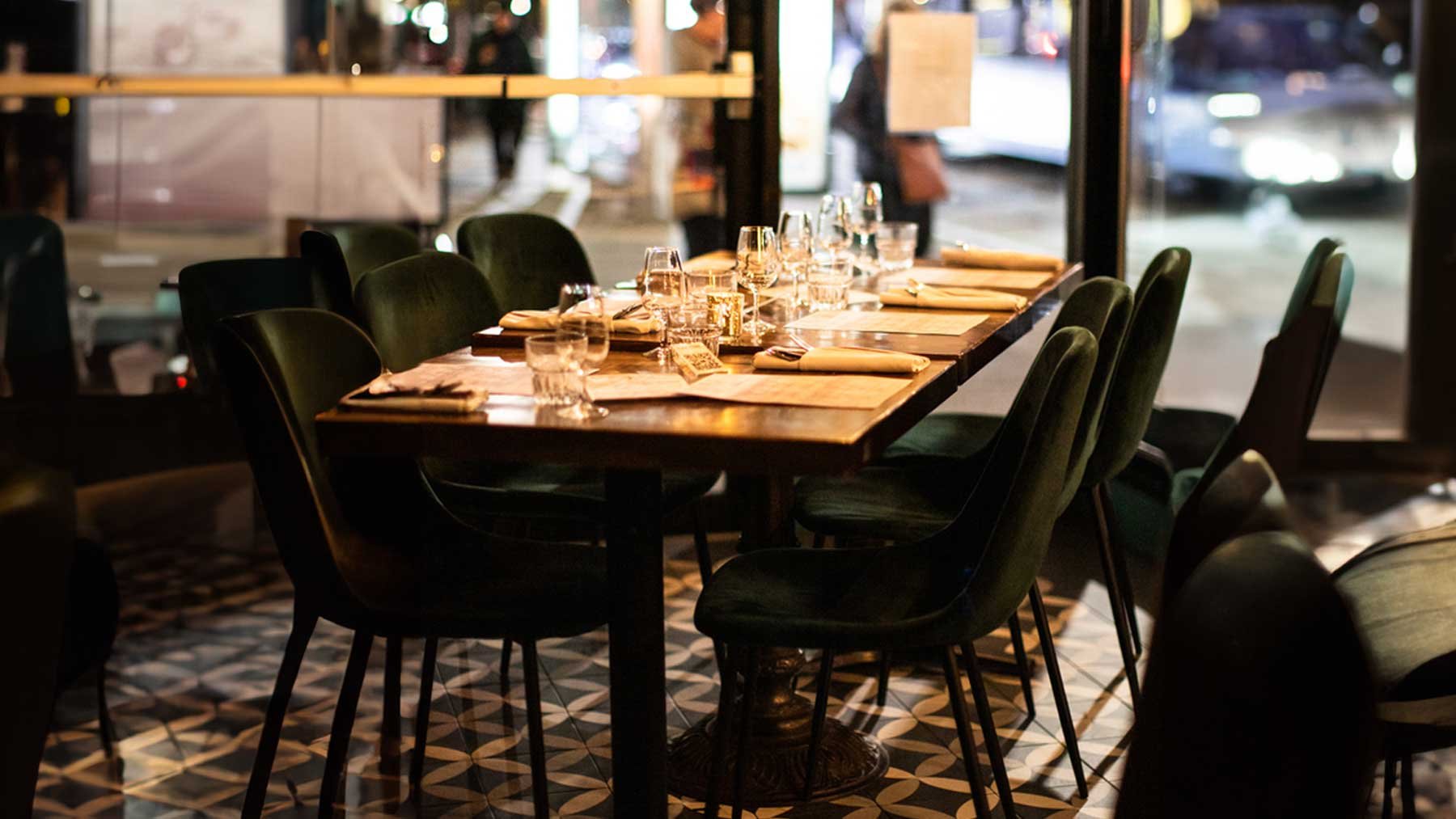
Simple open-air setting with lively roadside seating and the exciting sights and sounds of wok cooking at the front.