Krua Samchai

A Michelin Plate recipient on Phalochai Road, Krua Samchai is one of Ubon Ratchathani's most decorated Isan kitchens, drawing on Mekong and Mun river fish, charcoal-grilled meats, and regional herbs that are difficult to source outside the northeast. At a ฿฿ price point, it represents serious culinary depth relative to what you spend.
Pearl is the En Primeur Club membership app — saves, bookings, and concierge access live there. Same editors, same standards.
- Address
- 282/1 Phalochai Rd, ตำบล ในเมือง Mueang Ubon Ratchathani District, Ubon Ratchathani 34000, Thailand
- Phone
- +66 87 245 5111
- Website
- samchai-group.com
- Directions
- Get directions
 Saves & bookings on Pearl
Two Roosters, One Address
Two ceramic roosters stand at the entrance to Krua Samchai on Phalochai Road, a detail that reads less as decorative whimsy and more as a quiet declaration of regional identity. The rooster is woven through northeastern Thai folklore and market culture, and arriving here you understand immediately that the kitchen is not performing Isan food for outside audiences. It is cooking it for people who know the difference between tiliacora juice added as an afterthought and tiliacora juice used with precision.
Ubon Ratchathani sits at the eastern edge of the Isan plateau, where the Mun River meets the Mekong near the Lao border. That geography is not incidental to what appears on the table. The flavour profile across the region runs sharper and more fermented than central Thai cooking: more pla ra (fermented fish paste), more raw aromatics, more bitter greens that Bangkok kitchens rarely stock. Restaurants here are cooking from a larder that is genuinely local, and at price tier ฿฿, the value arithmetic is different from anything you would encounter in a comparable regional cuisine category in a major city.
What a Michelin Plate Means in This Context
Thailand's Michelin coverage has expanded steadily beyond Bangkok since the Guide first arrived in 2017. The 2025 Michelin Plate awarded to Krua Samchai signals that inspectors found cooking worth the detour in Ubon Ratchathani. For context, a Michelin Plate does not carry the weighted prestige of a star, but it does confirm a baseline of quality that separates a kitchen from the general dining population. In Ubon Ratchathani's Isan restaurant tier, that recognition matters as a cross-referencing signal alongside, which suggests consistent execution rather than a single notable visit.
To see how Michelin-recognised Isan cooking positions across Thailand more broadly, Sorn in Bangkok operates at the starred end of that spectrum, where southern Thai cooking receives its most formal treatment. Aeeen in Chiang Mai and Angeum in Phra Nakhon Si Ayutthaya represent other regional kitchens where Michelin has recognised work outside the capital. Closer to Ubon's culinary territory, Jum Khao in Nakhon Ratchasima and Kai Yang Rabeab in Khon Kaen operate within the same Isan tradition, each anchored to its own river-basin larder and regional herb vocabulary.
The Kitchen's Specific Ingredients
Isan cooking at this level is not primarily about technique as theatre. It is about sourcing and proportion. The fish arriving from the Mekong and Mun rivers carries a texture and flavour profile that farmed freshwater fish cannot replicate: firmer, more mineral, with a faint earthiness that responds well to the aromatic herb mixtures the kitchen uses. The Michelin citation specifically references the chef's herb and spice combinations producing what inspectors described as a powerful aroma, which in Isan terms means the kitchen is likely working with lemongrass, kaffir lime, galangal, and fermented elements in combinations calibrated for the local palate rather than adjusted downward for visitor comfort.
The Isan-style spicy fish maw and bamboo shoot soup, using tiliacora juice, appears in the Michelin record as a dish that demonstrates the kitchen's command of a regional ingredient most Bangkok kitchens do not use at all. Tiliacora triandra, known locally as ya nang, produces a dark green juice extracted by hand from the leaves; it carries a faint bitter note and is used in the northeast as both a flavour component and a thickening agent in bamboo shoot preparations. Its appearance in the soup here is not decorative. It is the structural ingredient that distinguishes an Isan bamboo shoot soup from any other version of the dish.
Charcoal-grilled chicken in this region follows a specific preparation logic: marinated for hours in a mixture that typically includes lemongrass, coriander root, fish sauce, and white pepper, then cooked slowly over moderate charcoal heat to produce the crispy skin the Michelin text describes while keeping the interior from drying. This is not the same category of dish as the rotisserie chicken you would find at a Bangkok hotel buffet. It belongs to a tradition of open-fire cooking that has been practised in the northeast for generations.
Value at This Price Point
At ฿฿ in Ubon Ratchathani, the spend per person lands in a range that in Bangkok would buy a mid-market meal with no particular distinction. Here, it buys river fish sourced from one of Southeast Asia's major waterways, preparations using indigenous herbs that require genuine knowledge to handle correctly, and cooking that has been recognised by Michelin inspectors. That gap between spend and outcome is the sharpest argument for restaurants like Krua Samchai in secondary Thai cities. The overhead structure of a provincial restaurant on Phalochai Road does not carry Bangkok pricing, and the benefit passes directly to the diner.
For comparison within Ubon Ratchathani's Isan segment, Som Tum Jinda operates at the same price tier with a focus on the som tum canon, while View Mun positions itself with river views as part of the proposition. Guay Jub Ubon drops to a single ฿ tier for street-food-format eating. For visitors who want broader Ubon context beyond Isan cuisine, Agave covers Vietnamese and Chomjan offers central Thai in the same city.
Planning Your Visit
The restaurant is located at 282/1 Phalochai Road in the Mueang Ubon Ratchathani District. The restaurant sits within the city's central zone, accessible from the main accommodation strip. No booking method, phone number, or operating hours are listed in verified sources at the time of writing; arriving early in a typical Thai provincial dinner service, around 6pm, reduces the risk of missing popular preparations that sell out. The ฿฿ pricing means a full meal with multiple dishes remains accessible without forward financial planning.
If regional Isan cooking is the primary draw, AKKEE in Pak Kret and PRU in Phuket offer reference points for how regional Thai produce-led cooking is being interpreted elsewhere in the country, though neither operates within the Isan tradition specifically.
Standing Among Peers
Comparable venues nearby, for context on price, style, and recognition.
| Venue | Cuisine | Price | Awards | Notes |
|---|---|---|---|---|
| Krua SamchaiThis venue — the venue you are viewing | Well-known Isan Thai | $$ | Michelin Plate | Not listed |
| Chomjan | Thai Isan Riverside Seafood | $$ | Michelin Plate | Warin Chamrap District |
| Mok | Modern Thai & Isan | $$ | Bib Gourmand | Nai Mueang |
| Samchai Coffee (Thepyothi Road) | Thai Breakfast Cafe | $ | Michelin Plate | Nai Mueang |
| Guay Jub Ubon | Thai Guay Jub Noodles | $ | Michelin Plate | Nai Mueang |
| Santi | Thai-Chinese | $$ | Michelin Plate | Nai Mueang |
Recognition history
Dated appearances from independent guides and award organizations, with the underlying list record or original source where available.
Michelin Plate
Michelin
Michelin Plate
Michelin
Michelin Plate
Michelin
Continue exploring
More in Ubon Ratchathani
At a Glance
- Rustic
- Cozy
- Family
- Group Dining
- Casual Hangout
- Open Kitchen
- Local Sourcing
Current opening hours
- Monday
- 9 AM–4:30 PM
- Tuesday
- 9 AM–4:30 PM
- Wednesday
- 9 AM–4:30 PM
- Thursday
- 9 AM–4:30 PM
- Friday
- 9 AM–4:30 PM
- Saturday
- 9 AM–4:30 PM
- Sunday
- 9 AM–4:30 PM
Hours can change for holidays and private events. Last verified .
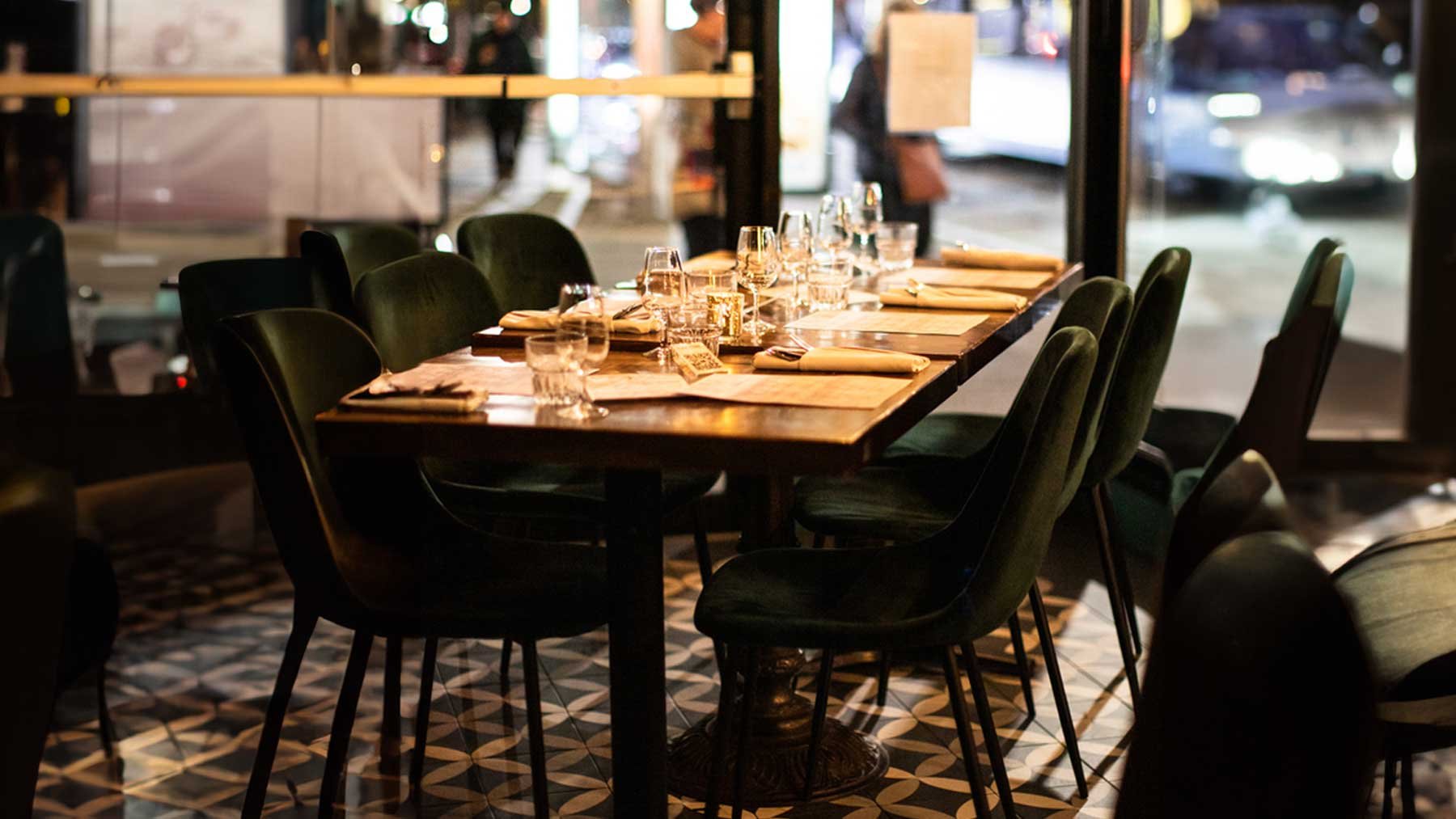
Clean, inviting atmosphere with air conditioning and a warm community vibe.