Indochine

A Michelin Bib Gourmand recipient in consecutive years, Indochine has anchored Vietnamese cooking in Ubon Ratchathani for decades. The family-run kitchen draws on Indochinese influences, grounding dishes in locally sourced ingredients rather than imported shortcuts. At the ฿฿ price tier, it holds a distinct position in a city better known for Isan cooking than for the subtler herb-forward profiles of the Vietnamese table.
Pearl is the En Primeur Club membership app — saves, bookings, and concierge access live there. Same editors, same standards.
- Address
- 170 Rd Sappasit, ตำบล ในเมือง Mueang Ubon Ratchathani District, Ubon Ratchathani 34000, Thailand
- Phone
- +66 45 245 584
- Website
- m.facebook.com
- Directions
- Get directions
 Saves & bookings on Pearl
Where the Mekong's Two Kitchens Meet
Ubon Ratchathani sits at Thailand's eastern edge, close enough to the Mekong that Vietnamese culinary logic has always had a presence here, filtered through decades of cross-border trade and family migration. Most of the city's dining scene runs firmly Isan: fermented fish pastes, grilled meats, raw herb platters, and the assertive chilli heat that defines northeastern Thai cooking. Vietnamese restaurants occupy a smaller, quieter niche within that context, and it is a niche that Indochine has held for longer than most of its peers. The restaurant's Michelin Bib Gourmand listings in 2024 and 2025 confirm what regular diners in Ubon had already established through word of mouth: that this is the address in the city if the Vietnamese table is what you are after.
The Bib Gourmand classification itself is worth pausing on. Michelin awards it to kitchens that deliver quality cooking at accessible prices. For venues in this tier, the judgment is about consistency, ingredient fidelity, and whether the cooking actually represents what it claims to be. Indochine earns that recognition through a Vietnamese menu grounded in locally sourced produce rather than the imported ingredient shortcuts that can flatten the flavour profile of diaspora kitchens. That sourcing choice matters more than it might initially seem: in a region where the market supply runs to Isan herbs, river vegetables, and freshwater fish, a Vietnamese kitchen that adapts intelligently to local produce will taste different from one that merely replicates a fixed menu regardless of what is available.
North and South on a Single Menu
Vietnamese cuisine is not a single tradition. The divide between Hanoi's kitchen and Saigon's is among the more instructive contrasts in Southeast Asian food: northern cooking tends toward restraint, using fewer aromatics, dialling back the sugar, and letting a clean broth or a lightly dressed preparation carry the flavour. Southern cooking amplifies: more sweetness from palm sugar, more chilli, more herb volume on the table, more of the fermented complexity that comes from fish sauce used more generously. A kitchen framing itself around Indochinese influences rather than a single regional tradition is, in effect, holding both registers open simultaneously.
The menu at Indochine is described as embracing a range of influences from across Indochina, which positions it closer to a southern-tilted reading of the Vietnamese table than to a strictly Hanoian one, while retaining the structural discipline that keeps northern-style dishes legible. That breadth is what distinguishes it from a more narrowly defined pho specialist or a kitchen working purely in the Hue tradition. For the diner, it means the menu operates across a wider tonal range: the clean, almost austere character of a northern broth can sit alongside the sweet-savoury depth of a southern-influenced braised preparation. For the kitchen, it demands a greater degree of coherence to prevent the menu from losing its identity. The Bib Gourmand recognition across three consecutive years suggests that coherence holds.
Across town, the dining options sit mostly within different category sets. Mok and Chomjan work the Thai register. Krua Samchai represents the Isan tradition more explicitly. At the street food end, Guay Jub Ubon operates at the ฿ tier with a narrower focus. Indochine's Vietnamese positioning at ฿฿ places it outside those competitive lines entirely. Agave occupies the same price tier but in a different cuisine category, underscoring how distinct Indochine's position in the local dining map actually is.
The Room and the Hours
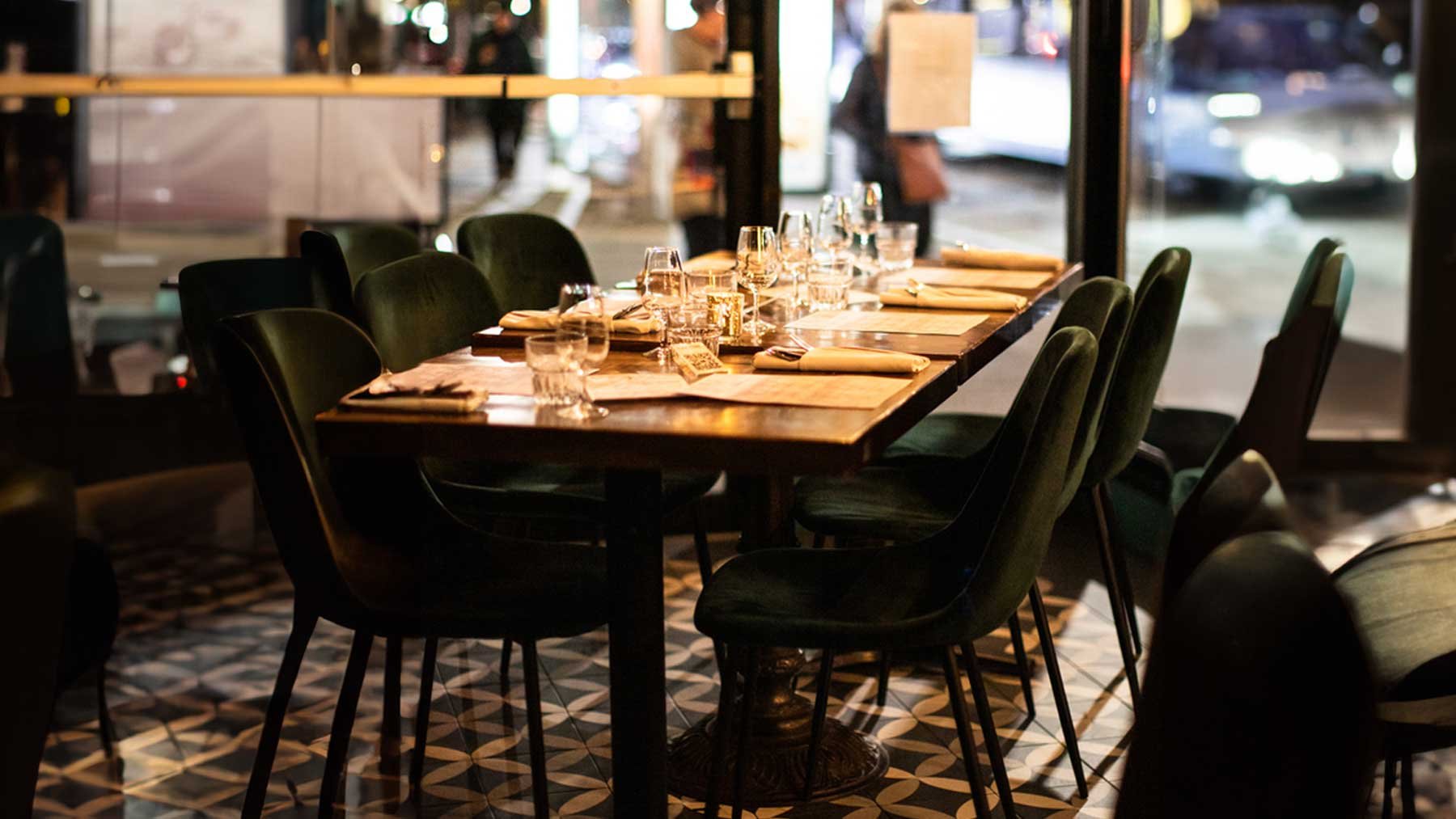
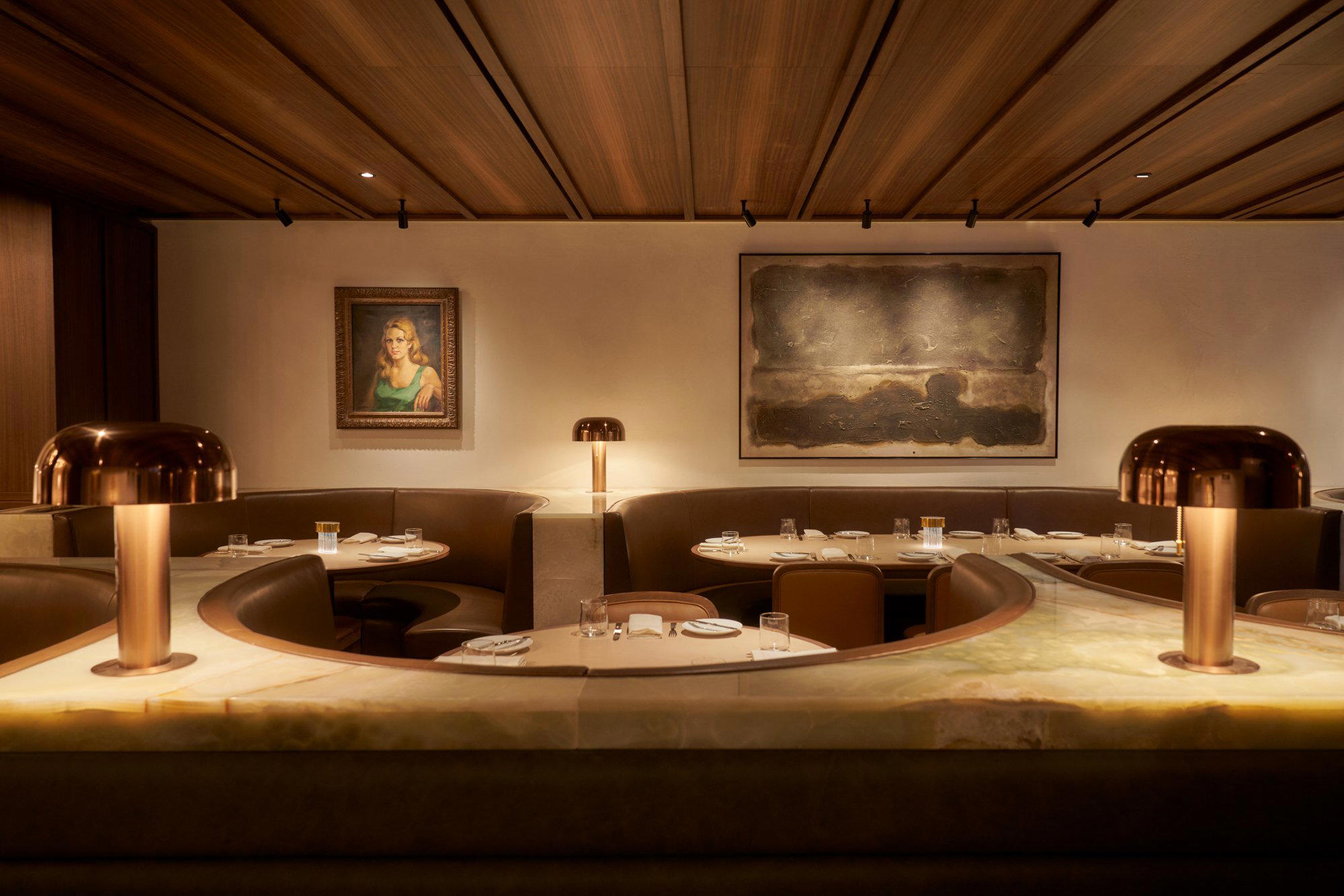
The physical environment at Indochine is built around vintage decor and what the restaurant itself describes as a cosy, unpretentious ambience. In practical terms, that means a room without the theatrical staging that has become common at mid-range restaurants across Thai cities: no concept-driven design gestures, no branded visual identity, no mood lighting calibrated to social media. What the room does offer is the particular ease of a space that has been lived in over decades rather than constructed for a season. Family-run restaurants in this format tend to develop a spatial personality that designed interiors cannot manufacture, an accumulation of small decisions made over time rather than a single art-directed installation.
The opening hours run from 9 am to 8 pm across all seven days of the week. The address is 170 Sappasit Road in the Mueang district.
Ubon Ratchathani in Broader Thai Context
Bib Gourmand listings place Indochine in a category of Thai restaurants that are receiving international recognition beyond Bangkok's concentrated dining scene. Elsewhere in the country, starred and Bib-listed kitchens have emerged in destinations that once sat outside the guide's geographic focus: PRU in Phuket at the starred level, Aeeen in Chiang Mai in a different regional register, and Sorn in Bangkok representing the capital's upper tier. Indochine's Ubon Ratchathani recognition sits within that broader pattern of the guide moving its attention east and north from its Bangkok base.
Vietnamese tradition itself travels widely. Tầm Vị in Hanoi represents the northern register close to its source. Camille in Orlando demonstrates how the cuisine adapts across much greater geographic remove. Indochine in Ubon occupies a middle position: geographically close to Vietnam, operating within a Thai city context, and drawing on Indochinese breadth rather than committing to one regional Vietnamese identity. That positioning is not a dilution of the tradition; it is a legitimate adaptation to the specific cultural and sourcing realities of the northeastern Thai border region.
For comparative Vietnamese reference points elsewhere in the region, AKKEE in Pak Kret, Angeum in Phra Nakhon Si Ayutthaya, and The Spa in Lamai Beach offer additional points of comparison across Thailand's regional dining map.
A Tight Comparison
Comparable venues nearby, for context on price, style, and recognition.
| Venue | Cuisine | Price |
|---|---|---|
| IndochineThis venue — the venue you are viewing | Vietnamese | $$ |
| Agave | Nai Mueang, Vietnamese-Isan Fusion | $$ |
| Samchai Coffee (Thepyothi Road) | Nai Mueang, Thai Breakfast Cafe | $ |
| Santi | Nai Mueang, Thai-Chinese | $$ |
| View Mun | Chaeramae, Authentic Isan Riverside | $$ |
| Krua Samchai | Nai Mueang, Well-known Isan Thai | $$ |
Recognition history
Dated appearances from independent guides and award organizations, with the underlying list record or original source where available.
Michelin Plate
Michelin
Michelin Bib Gourmand
Michelin
Michelin Bib Gourmand
Michelin
Continue exploring
More in Ubon Ratchathani
At a Glance
- Cozy
- Classic
- Rustic
- Intimate
- Casual Hangout
- Group Dining
- Date Night
- Family
- Live Music
- Historic Building
- Standalone
- Local Sourcing
Current opening hours
- Monday
- 9 AM–8 PM
- Tuesday
- 9 AM–8 PM
- Wednesday
- 9 AM–8 PM
- Thursday
- 9 AM–8 PM
- Friday
- 9 AM–8 PM
- Saturday
- 9 AM–8 PM
- Sunday
- 9 AM–8 PM
Hours can change for holidays and private events. Last verified .
Warm and welcoming with vintage decor and old Siam aesthetic; upstairs features a cozy, romantic atmosphere with live piano and singing; downstairs is more casual and open to the street.