
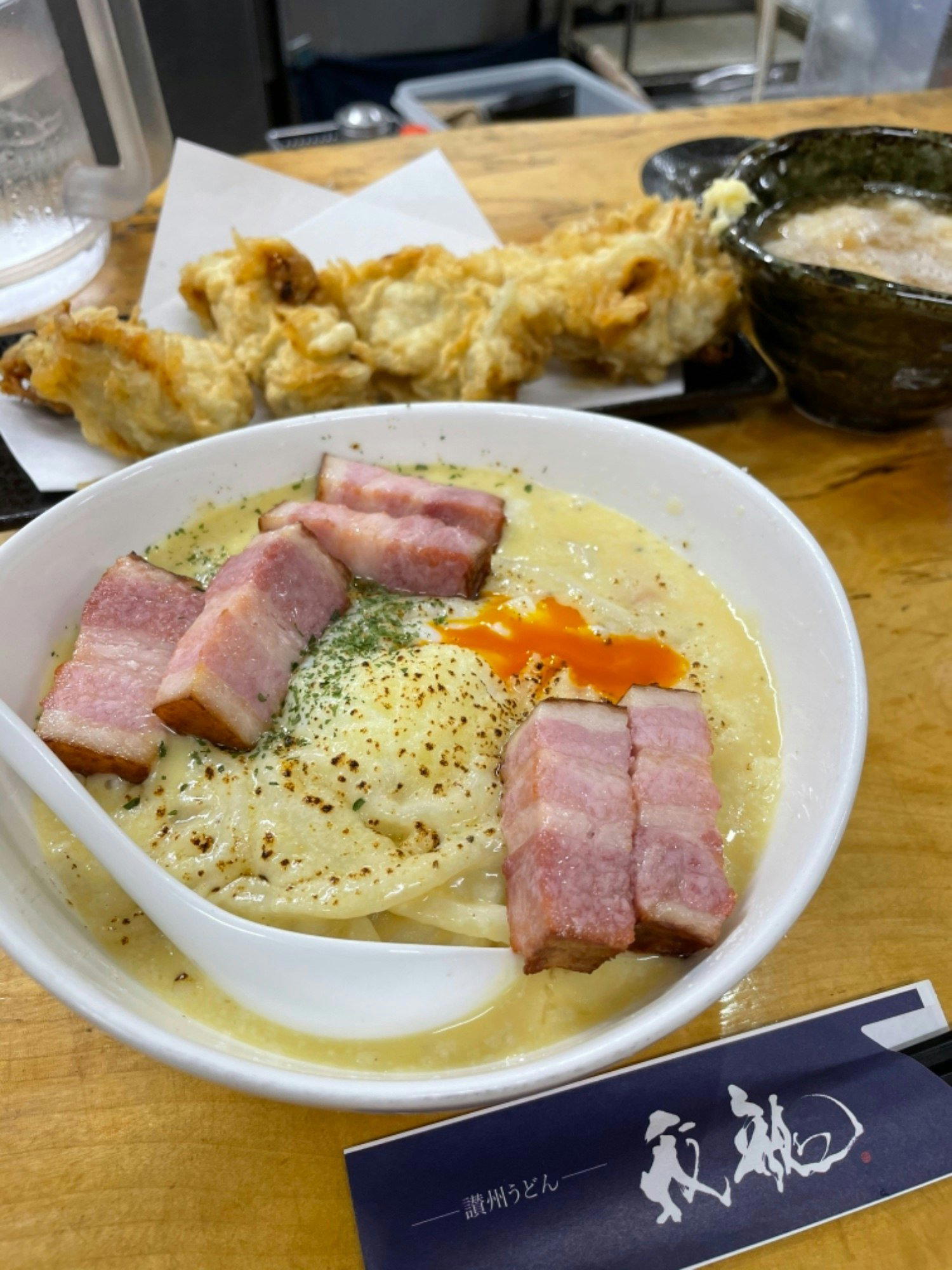
Sanshu Teuchi Udon Garyu brings Nishio’s everyday noodle culture into the national udon conversation, with Tabelog 100 Udon EAST recognition in 2024 and earlier selections across multiple years. The draw is not luxury theatre but a compact, local format built around wheat noodles, curry udon, tempura, and the kind of sourcing logic that makes regional Japanese casual dining worth planning around.
Pearl is the En Primeur Club membership app — saves, bookings, and concierge access live there. Same editors, same standards.
- Address
- Rokutan-60-1 Shimohasumicho, Nishio, Aichi 445-0012, Japan
- Phone
- +81 563-52-3200
- Website
- instagram.com
- Directions
- Get directions
 Saves & bookings on Pearl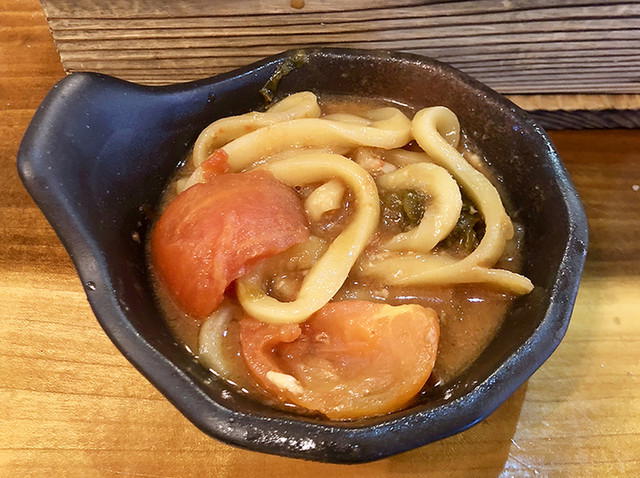
Approaching a serious udon shop in regional Japan rarely feels ceremonial. The cues are practical: a compact room, counter seats, tables, tatami seating, families moving through lunch, solo diners eating with purpose, and a kitchen built for pace rather than performance. In Nishio, that matters. The city is better known to many travellers for matcha and Aichi’s coastal-inland food culture than for destination dining, yet its strongest casual restaurants often work from a clear local equation: inexpensive staple food, short service windows, and ingredients treated with enough care to earn repeat custom before outside attention arrives.
Sanshu Teuchi Udon Garyu belongs to that category. Its national signal is specific rather than inflated: selection for Tabelog 100 Udon EAST in 2024, with earlier Tabelog 100 udon selections listed in 2022, 2020, 2019, 2018, and 2017. For an udon restaurant outside the major tourist circuits, that pattern says more than a single accolade. It places a small Nishio noodle counter inside the competitive eastern-Japan udon conversation, where texture, broth discipline, curry udon, tempura work, and value have to carry the reputation.
Handmade wheat noodles as Nishio's low-key dining argument
Udon is often misunderstood by travellers as a quick filler between sushi counters and kaiseki meals. In Japan, it is also a craft category with regional variations in flour handling, noodle thickness, chew, broth style, and topping restraint. Handmade udon lives or dies on texture. The noodle has to justify its simplicity before the garnish enters the frame.
That is where ingredient sourcing becomes the useful lens. Wheat noodles are unforgiving because the main ingredient has nowhere to hide; the appeal comes from how flour, water, salt, and handling translate into bite. Curry udon adds another test, because the sauce must coat without smothering the noodle. Tempura shifts the meal toward contrast: wheat, oil, vegetable or seafood, and broth meeting in a form that remains casual but technically exposed. The categories listed here, udon, curry udon, and tempura, map neatly onto the old strength of Japanese lunch houses: one core staple, one richer variation, one fried counterpoint.
In Nishio, that format feels especially logical. Aichi is not a city-state dining market where every serious meal announces itself with ceremony. The region rewards places that can serve workers, families, and noodle obsessives in the same room. Compared with Shichirin Yakiniku Tanoshiira, another Nishio address operating in a higher grilled-meat spend bracket, this is a different kind of local intelligence: less about a long evening and more about whether a bowl can hold attention at lunch.
A compact room, counter culture, and the discipline of a short service
The room’s scale shapes the experience as much as the food. Counter seating changes how udon is read: diners see rhythm, not theatre, and the meal stays close to the kitchen’s cadence. Tatami and table seating broaden the audience, which is why this kind of shop can function for solo diners and families without becoming generic. Children are accommodated, and the seating mix keeps the room from feeling like a specialist counter reserved only for enthusiasts.
There is a useful distinction here between rural-adjacent destination dining and urban prestige dining. In Tokyo or Kyoto, technical cooking often arrives wrapped in reservation pressure, tasting-menu choreography, and a price that filters the audience before the meal begins. A Nishio udon shop has to prove itself under different conditions. It has to be legible to regulars, fast enough for midday eating, and consistent enough to survive comparison with hundreds of other noodle addresses across eastern Japan. Tabelog’s 2024 Udon EAST selection places Sanshu Teuchi Udon Garyu in that broader field, but the format remains everyday rather than formal.
For travellers building a Nishio food day, the better approach is to treat this as a regional anchor rather than a detour for novelty. Pairing a noodle lunch with other local stops gives a clearer reading of the city than chasing only high-spend meals. EP Club’s full Nishio restaurants guide is the natural place to compare nearby dining patterns, while Nishio hotels, Nishio bars, Nishio wineries, and Nishio experiences help frame the city beyond a single bowl.
Where it sits in Japan's casual dining spectrum
The value of this address becomes clearer when set against Japan’s wider casual-food hierarchy. Noodle shops such as Jikaseimen Koen Mae and Tsukemen Sha Ikki operate in leaner price territory, while serious sushi such as Sushi Bito Mitoku moves into a completely different spend category. Tamborada, with a higher dinner bracket, belongs to another rhythm again. Within that spread, udon occupies a persuasive middle ground: technically demanding, accessible, and able to express regional taste without asking the diner to commit an entire evening.
That same spectrum appears across EP Club’s broader Japan coverage, from Pizzeria Ocean to -Grilled beef Sukiyaki- KAMAKURA TANUKIAN 鎌倉 たぬき庵 in Kamakura, . 鮪と炭火焼き うお炭 秋葉原店 in Tokyo.cafe in Osaka.know in Kumamoto, (Shoku) Vietnam in Kawasaki, [Curry Senmon Ten] Maruyama Kyoju. in Sapporo, [ki:] in Kyoto, #肉といえば松田 奈良本店 in Kashihara, and 1/3 HAMBURGER FACTORY in Kanazawa. The same Japanese staple-food logic even travels abroad in different forms, as seen at Jōdo Saké Bar in Los Angeles and Onigiri Time in Pasadena: humble formats become serious when sourcing, repetition, and technique are treated as the main event.
The editorial case for Sanshu Teuchi Udon Garyu is therefore not that it turns udon into fine dining. It does something more useful for a traveller in Nishio: it shows how a small-format noodle shop can carry regional credibility, national category recognition, and daily usefulness at once. That is the kind of meal that explains a city without overexplaining itself.
A Quick Peer Check
Comparable venues by cuisine and price in the same metro.
| Venue | Cuisine | Price | Notes |
|---|---|---|---|
| Sanshu Teuchi Udon Garyu | Traditional Japanese Udon Shop | $ | Nishio |
| Shichirin Yakiniku Tanoshiira | Traditional Japanese Yakiniku with Shichirin Charcoal Grill | $$$ | Nishio |
| Pizzeria Ocean | Beachfront Organic Pizza & Italian | $$ | Terabecho, Nishio |
| 利尻富士町レストハウス | Japanese Lakeside Seafood | $ | 利尻富士町 |
| Tanikawa Beikokuten | Sanuki Udon | $ | Manno-cho, Nakatado-gun |
| Mingei Chadokoro Fukatsuya | Traditional Japanese Tea House | $ | Fukuyama City |
Recognition history
Dated appearances from independent guides and award organizations, with the underlying list record or original source where available.
Tabelog 100 #77 · No. 77
Tabelog · Tabelog 100 - Udon - EAST - 2024

At a Glance
- Solo
- Casual Hangout
- After Work
- Standalone
Current opening hours
- Monday
- 11 AM–2:30 PM
- Tuesday
- 11 AM–2:30 PM
- Wednesday
- 11 AM–2:30 PM
- Thursday
- 11 AM–2:30 PM
- Friday
- 11 AM–2:30 PM
- Saturday
- 11 AM–2:30 PM
- Sunday
- 11 AM–2:30 PM
Hours can change for holidays and private events. Last verified .