San Antonio Winery
A Century of Winemaking Inside a City That Forgot It Had One Los Angeles is not, in most conversations about American wine, the first city that comes to mind. The Napa Valley gets the prestige allocation; Sonoma gets the pastoral romance. Yet...
 Discover on Pearl
Pearl is the En Primeur Club membership app — saves, bookings, and concierge access live there. Same editors, same standards.
- Address
- 737 Lamar St, Los Angeles, CA 90031
- Phone
- (323) 223-1401
- Website
- sanantoniowinery.com
A Century of Winemaking Inside a City That Forgot It Had One
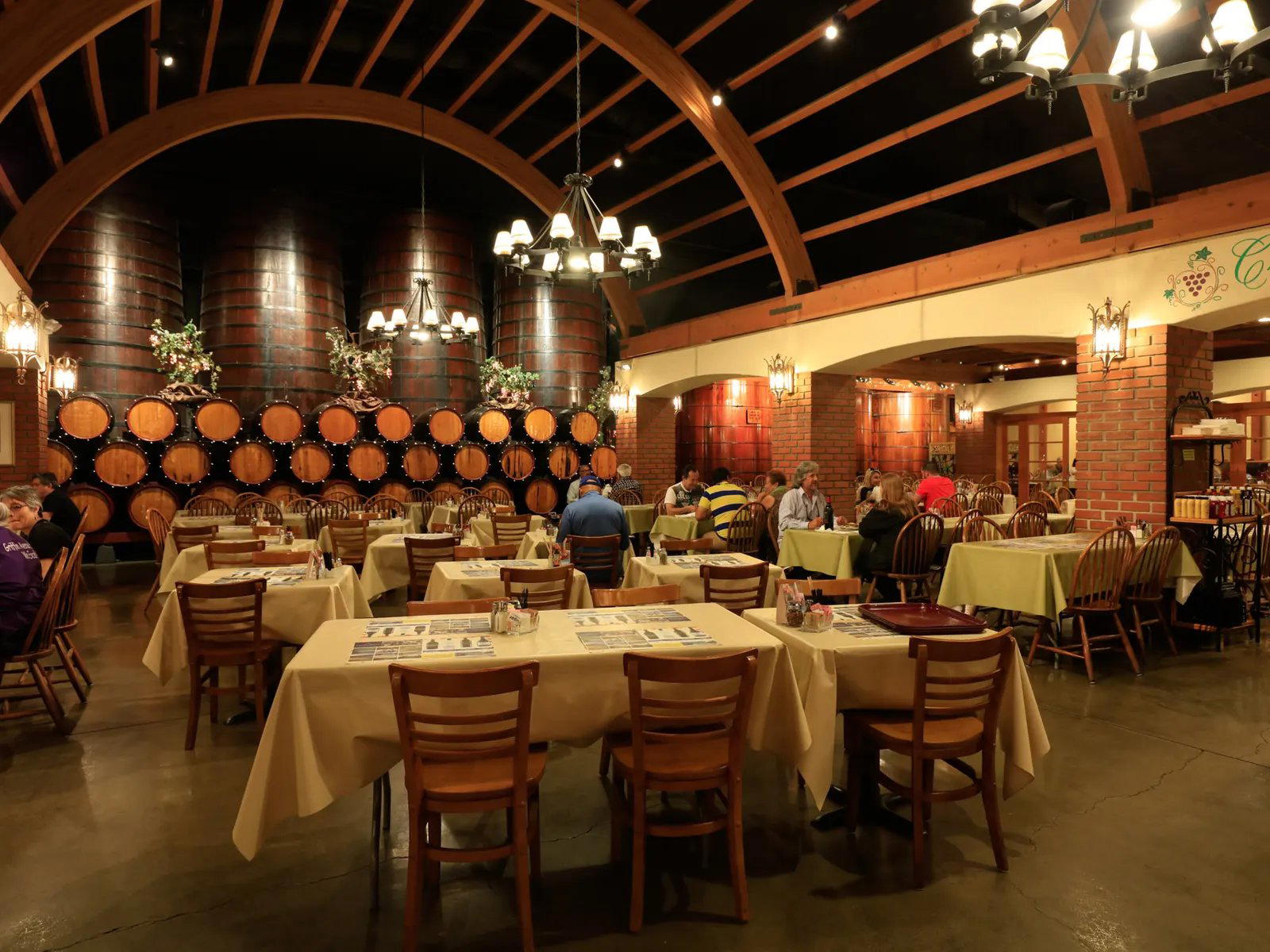
Los Angeles is not, in most conversations about American wine, the first city that comes to mind. The Napa Valley gets the prestige allocation; Sonoma gets the pastoral romance. Yet the Lincoln Heights neighborhood of Los Angeles has been home to a working winery since 1917, a fact that repositions the city in the American wine story by more than a century. San Antonio Winery occupies that unusual position: an urban production facility that predates Prohibition, survived it under a sacramental wine exemption, and has continued operating on the same site through every subsequent transformation of the surrounding neighborhood.
That kind of institutional continuity is rare in any American city, and in Los Angeles, where reinvention is structural, it is close to singular. The building itself carries the visual weight of that history. The original mission-revival structures, brick courtyard, and barrel-aging facilities are not museum recreations; they are the working infrastructure of an ongoing winery, and they sit in one of the city's most industrial corridors, bounded by the Los Angeles River and the rail yards that once made this area the logistical core of Southern California commerce.
The Cultural Roots of California's Urban Winery Tradition
California's winemaking identity was built largely by Italian immigrant families in the late nineteenth and early twentieth centuries, many of whom settled in urban areas before land acquisition in rural valleys became viable. San Antonio's founding in 1917 places it inside that tradition, at a moment when Los Angeles still had a functioning agricultural fringe and when Italian-American communities in Lincoln Heights maintained wine as a domestic and cultural staple rather than a luxury category.
The sacramental wine exemption under Prohibition, which allowed the winery to continue producing for religious use, was not unique to this property, but surviving that period as a continuous operation, rather than shutting down and reopening later, shaped what the winery became afterward. Wineries that resumed operations post-Repeal in 1933 often had to rebuild equipment, relationships, and distribution from scratch. A facility that maintained production through the 1920s held a structural advantage that compounded over the following decades.
This broader pattern of Italian-American immigrant winemaking shaping California's early wine culture is visible at several historic producers across the state, but few of those producers operate within a major metropolitan area today. The urban context at Lincoln Heights makes San Antonio Winery an artifact not just of California wine history but of Los Angeles urban history specifically.
Where This Fits in the Los Angeles Wine and Dining Scene
Los Angeles's premium restaurant scene has developed substantially over the past two decades, and its most recognized addresses now operate at price points and technical ambitions that place them alongside comparable venues in New York, Chicago, and San Francisco. Providence holds two Michelin stars for its contemporary seafood work. Kato has built a reputation for New Taiwanese cuisine at the highest tier. Somni operates in the molecular and progressive space. Hayato represents the city's serious Japanese kaiseki strand, and Osteria Mozza anchors the Italian-American fine dining conversation downtown.
San Antonio Winery does not compete in that tier by price or format. Its significance is historical and cultural rather than gastronomically competitive with the current wave of chef-driven destination restaurants. But within the Los Angeles context, it functions as a reference point: a place where the city's relationship with wine and with Italian-American food culture is physically legible in a way that no contemporary opening can replicate. For visitors building an itinerary across Los Angeles, understanding that reference point adds dimension to how the city's current dining scene is read.
The contrast with California's wine country establishments is instructive. The French Laundry in Napa and Single Thread Farm in Healdsburg represent the farm-estate model of California fine dining, where geography and agricultural sourcing are the primary credentials. Lazy Bear in San Francisco represents the communal tasting menu format that has become common in West Coast cities. San Antonio Winery is operating in a different register entirely, one where longevity and urban rootedness replace seasonality and chef-driven programming as the central proposition.
American Winery Longevity in Comparative Context
In the American wine landscape, wineries that have operated continuously for more than a century occupy a small category. Most historic producers on the East Coast were disrupted by Prohibition in ways that broke operational continuity. California producers that survived through sacramental or medicinal exemptions form a specific subset of that history. San Antonio's founding year of 1917 and its uninterrupted operation through Prohibition and the Depression era places it in a comparable set defined more by institutional endurance than by stylistic influence on contemporary winemaking.
This is a meaningful distinction. The wineries shaping today's critical conversation around California wine, particularly those producing restrained Pinot Noir and Chardonnay with Burgundian reference points, represent a relatively recent wave. Historic urban producers like San Antonio Winery are in a separate conversation about accessibility, volume production, and the preservation of a pre-modern California wine identity. Both conversations are legitimate; they simply address different questions about what California wine is and has been.
For reference, Addison in San Diego and Bacchanalia in Atlanta represent the kind of destination dining that has emerged in American cities outside the traditional coastal fine dining centers. Le Bernardin in New York City, Alinea in Chicago, and Atomix in New York City define the eastern fine dining tier. Blue Hill at Stone Barns in Tarrytown and The Inn at Little Washington represent destination properties built around specific agricultural or regional identities. Emeril's in New Orleans and 8½ Otto e Mezzo Bombana in Hong Kong show how Italian-influenced dining translates across very different cultural contexts. San Antonio Winery's Italian-American founding story connects to that broader lineage in Los Angeles specifically.
Planning a Visit
San Antonio Winery is located in the Lincoln Heights neighborhood of Los Angeles, adjacent to the Los Angeles River and within a short drive of downtown. As a winery with a long-established retail and hospitality operation, it typically offers tastings, tours of the historic facility, and on-site dining. Visitors should verify current hours, tasting formats, reservation requirements, and pricing directly with the winery before arriving. Conditions at heritage venues with on-site production can change seasonally, and opening hours for retail and dining components sometimes differ.
How It Stacks Up
Comparable venues nearby, for context on price, style, and recognition.
| Venue | Cuisine | Price | Awards | Notes |
|---|---|---|---|---|
| San Antonio WineryThis venue — the venue you are viewing | Traditional Italian Trattoria | $$ | , | |
| Smeraldi's | Italian Mediterranean Steakhouse | $$ | , | Financial District |
| Osteria La Buca | Classic Italian Osteria | $$ | , | Larchmont |
| Stella Barra Pizzeria & Wine Bar | Modern Artisanal Pizza | $$ | , | Hollywood |
| Cheebo | Italian-American Trattoria with Organic Focus | $$ | , | Hollywood |
| Antonio's Pizzeria and Italian Restaurant | Classic Italian Pizzeria | $$ | , | Sherman Oaks |
Continue exploring
More in Los Angeles
Restaurants in Los Angeles
Browse all →
Bars in Los Angeles
Browse all →

Hotels in Los Angeles
Browse all →
Wineries in Los Angeles
Browse all →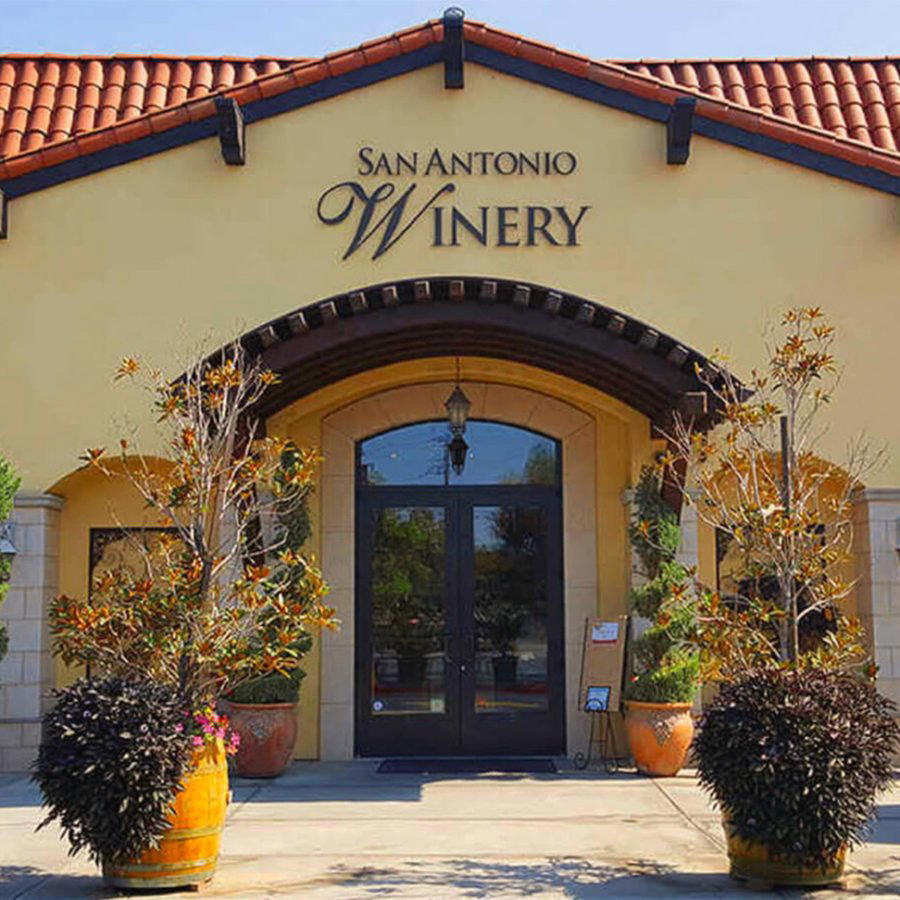
At a Glance
- Classic
- Iconic
- Cozy
- Elegant
- Family
- Group Dining
- Celebration
- Date Night
- Special Occasion
- Historic Building
- Wine Cellar
- Live Music
- Private Dining
- Open Kitchen
- Extensive Wine List
- Sommelier Led
- Local Sourcing
Warm, inviting atmosphere with historic charm blending traditional Italian hospitality with California wine country elegance; features live music and a rotating weekly visual menu.