Half Cut Market

On the cusp of Islington and Camden along York Way, Half Cut Market operates as a neighbourhood restaurant, wine bar, and wine shop in one compact address. The format suits a casual evening built around a considered bottle and simple food, with the kind of local ease that formal dining rooms rarely achieve. For N7 residents or anyone passing through, it fills a gap that most London postcodes would welcome.
Pearl is the En Primeur Club membership app — saves, bookings, and concierge access live there. Same editors, same standards.
- Address
- 396 York Wy, London N7 9LW, United Kingdom
- Phone
- 020 7916 3568
- Website
- halfcut.world
- Directions
- Get directions
 Saves & bookings on Pearl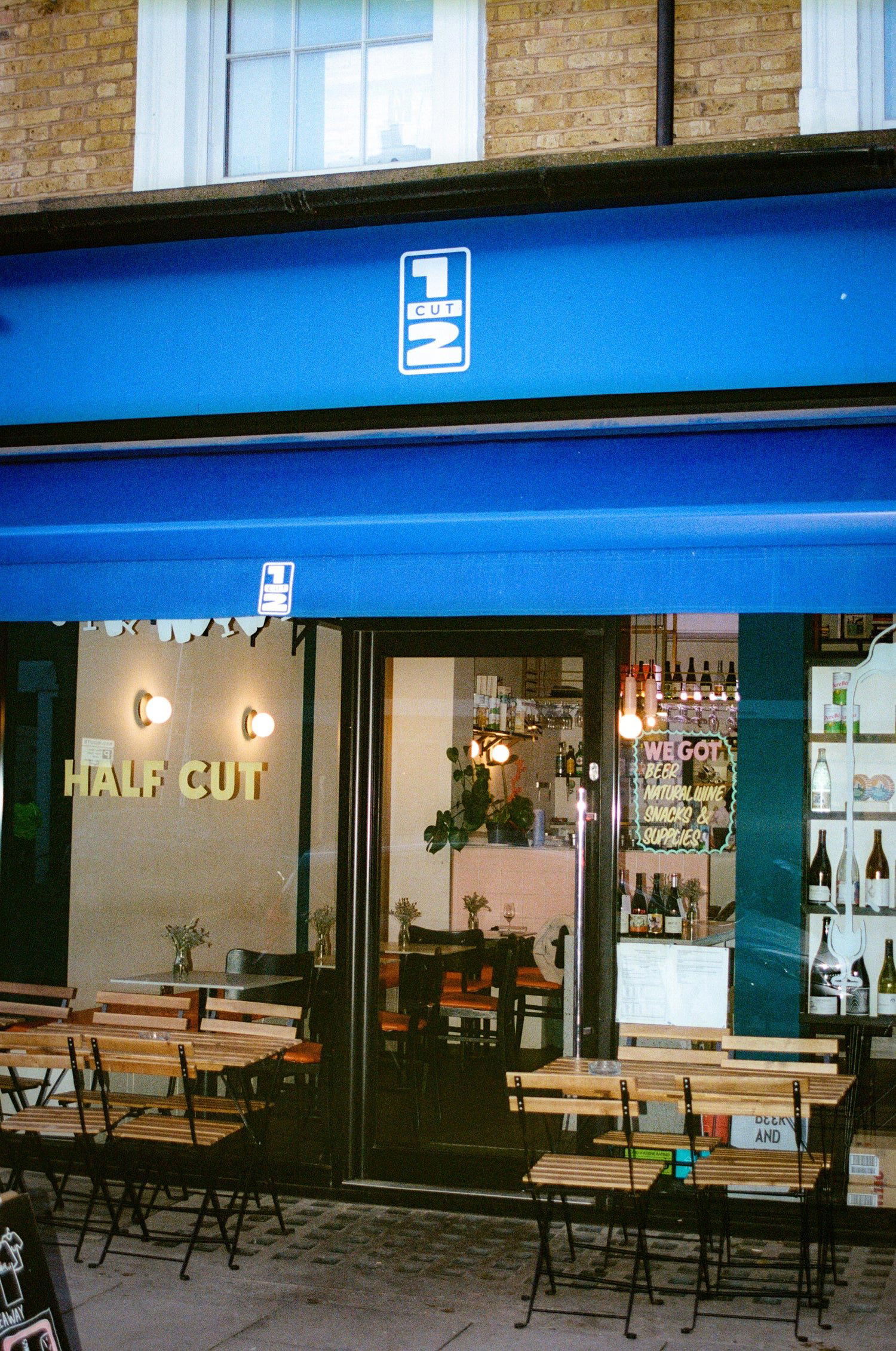
Where York Way Changes Tone
Half Cut Market is a restaurant in London serving Modern European Small Plates, with. Industrial units gave way to studios, then cafes, then places with actual wine lists. Half Cut Market sits at 396 York Way, N7 9LW, on the boundary where Camden's postal district bleeds into Islington's, and the venue's format reflects that in-between quality: neither a destination dining room nor a pure off-licence, but something that draws from both categories without fully belonging to either.
London has developed a recognisable model for this kind of place. The neighbourhood wine bar with a food offering and a retail shelf has proliferated since around 2017, with examples appearing across Hackney, Peckham, and Bermondsey before the format made inroads further north. What distinguishes the better operators in this cohort is editorial selection on the bottle list and enough credibility in the kitchen to make the food worth ordering rather than treating as something to absorb the wine. Half Cut Market fits that operational description and sits in a part of London where the local competition for this specific format is thinner than it would be south of the river.
The Triple Format and What It Means for How You Use It
Running a restaurant, wine bar, and wine shop from the same address is a structural decision that shapes every aspect of how an evening unfolds. The retail component means the wine list is, in effect, the shop inventory, and that tends to push operators toward a more genuinely considered selection: bottles have to justify shelf space commercially as well as make sense on a table. The leading examples of this model in London use the shop as a signal of seriousness, treating it as a declaration of what the team actually believes in rather than a secondary revenue stream bolted onto a bar.
For the diner, the practical implication is that you can often buy what you drank to take home, which changes the way you approach the list. You're less likely to order conservatively when a bottle you enjoy has a direct path into your bag at the end of the night. It also tends to compress the formality of the interaction between staff and customer: wine retail requires explanation, not performance, and that conversational register carries over into the bar and dining room.
The food component in venues of this type usually anchors itself to produce-driven simplicity. The logic is consistent across the format: when the wine is the primary editorial commitment, the kitchen tends to build plates that support rather than compete. Ingredient sourcing becomes the kitchen's version of curation, with the same selection discipline that applies to the bottle list applied to what arrives on the plate. Seasonal produce, supplier relationships, and restraint in execution tend to define this tier of London neighbourhood eating, where the city's broader restaurant scene has shifted decisively toward provenance as the primary signal of quality.
N7 in Context: What This Part of London Lacks and Provides
Islington's dining reputation is built largely around Upper Street and its surroundings, a corridor that has accommodated everything from mid-market chains to tasting menu rooms. The northern end of the borough, where N7 runs up toward Holloway, has historically offered less. Residents who want a serious bottle without commuting to Highbury Corner or crossing into Kentish Town have had limited options. This is the gap the restaurant occupies, and it's a meaningful one: the catchment around York Way includes a population that eats well and thinks about wine, without the concentration of options available a mile south or east.
Camden's contribution to this story is different. The borough has a long history of independent food and drink trading, but its centre of gravity tends toward the market end of things rather than the considered-neighbourhood-restaurant end. The venues that do well on this particular axis, sitting between Camden's independent energy and Islington's appetite for quality, tend to be the ones that resist both the pressure to scale and the pressure to formalise. The restaurant's combined format is well-suited to that positioning.
For visitors exploring London's restaurant options or building a longer itinerary that includes hotels, bars, and experiences across the city, the restaurant represents a different register from the formal end of London dining. Places like CORE by Clare Smyth, The Ledbury, Ikoyi, The Clove Club, and Alain Ducasse at The Dorchester define the high-structure, high-investment end of the city's dining offer. The restaurant operates at the opposite end of that spectrum in terms of formality, not quality of intention. The two registers serve different needs and rarely compete for the same evening.
Further afield, the UK's destination dining circuit includes rooms like Waterside Inn in Bray, Moor Hall in Aughton, L'Enclume in Cartmel, Gidleigh Park in Chagford, Hand and Flowers in Marlow, and Hide and Fox in Saltwood. Internationally, Le Bernardin in New York City and Emeril's in New Orleans represent the kind of formal institution that anchors a city's dining reputation over decades. The restaurant is not in competition with any of these, and that's precisely the point: a neighbourhood that can rely on a good local wine bar is better served than one that has to travel to find it.
Planning the Visit
The restaurant is at 396 York Way, N7 9LW, accessible from Caledonian Road tube station on the Piccadilly line or from King's Cross St. Pancras a short distance south. Given the triple format of restaurant, bar, and shop, the visit can be structured around a meal, a glass and a plate, or a browse that ends in a bottle to take away. The combination of those options in a single compact address is the practical case for the place.
Comparable Venues
Comparable venues nearby, for context on price, style, and recognition.
| Venue | Cuisine | Price | Notes |
|---|---|---|---|
| Half Cut MarketThis venue — the venue you are viewing | Modern European Small Plates | $$$ | Not listed |
| Naughty Piglets | Modern European Small Plates | $$$ | Tulse Hill |
| One Lombard Street | Modern European Brasserie | $$$ | Cheapside |
| Crispin at Studio Voltaire | Modern European Bistro | $$$ | Clapham |
| Rita’s | Modern American | $$$ | Soho |
| Smith’s of Smithfield | British Steakhouse | $$$ | Farringdon |
Recognition history
Dated appearances from independent guides and award organizations, with the underlying list record or original source where available.
Star Wine List
Star Wine List
Continue exploring
More in London
Restaurants in London
Browse all →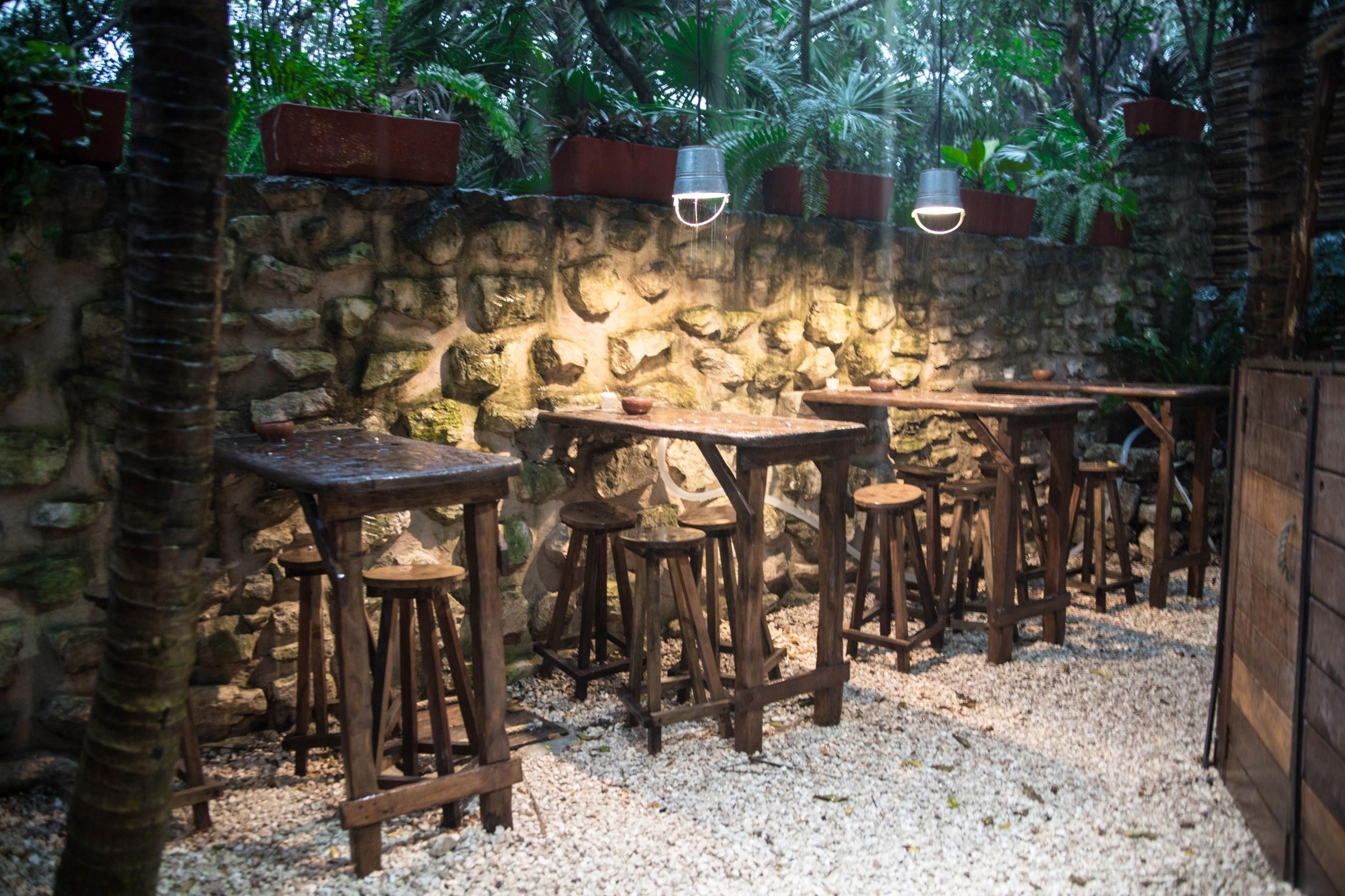
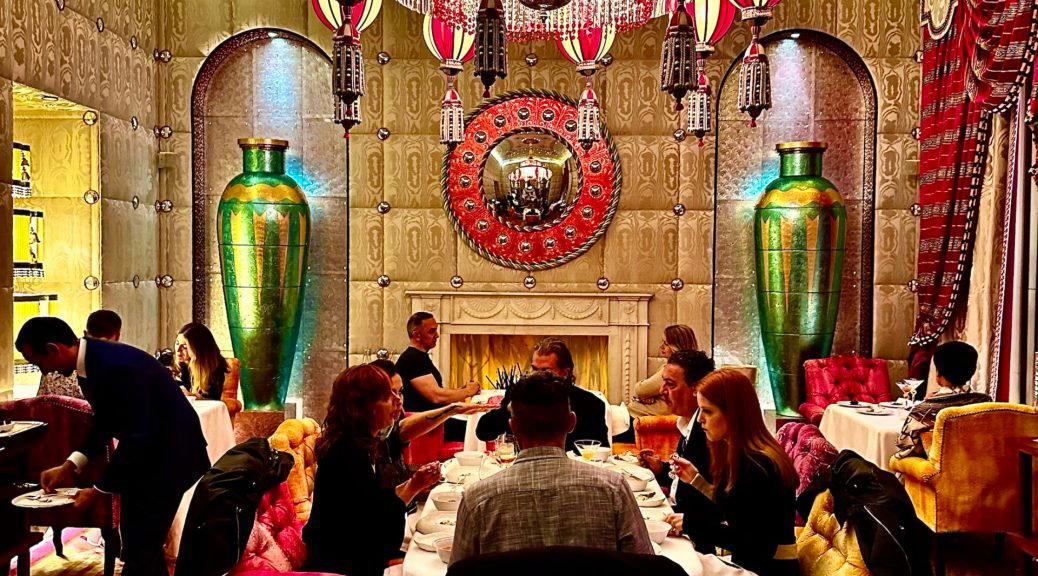
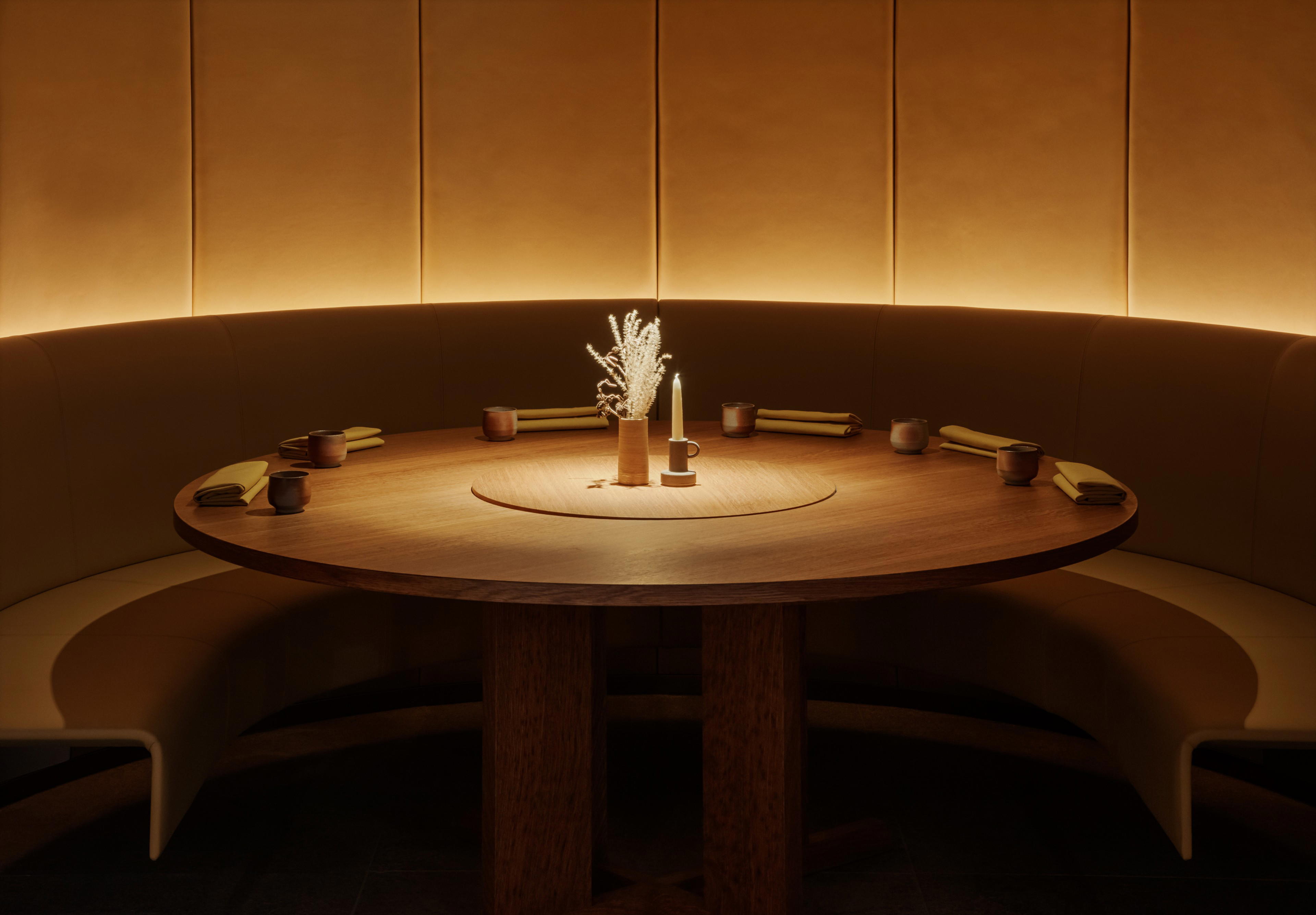
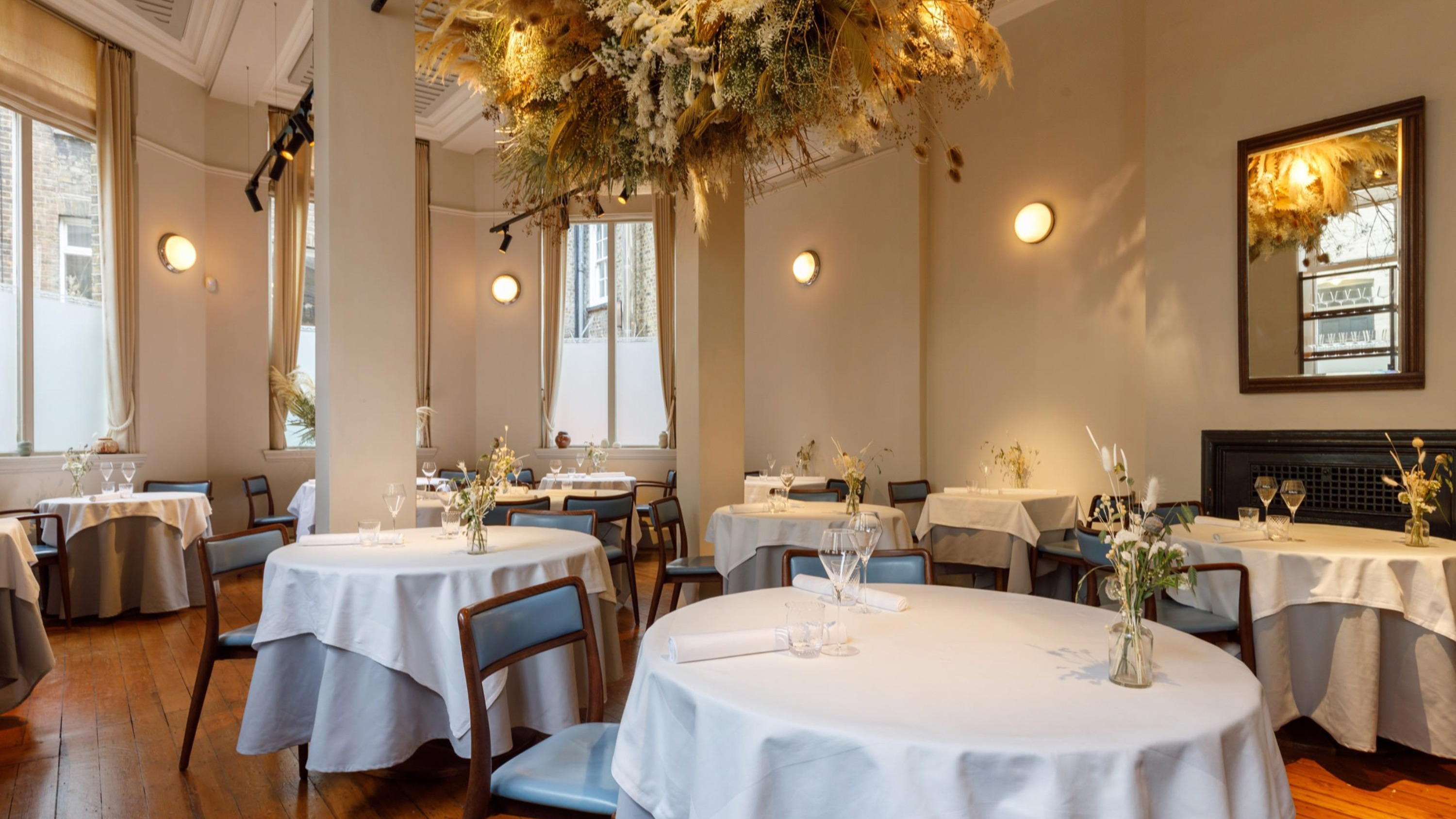
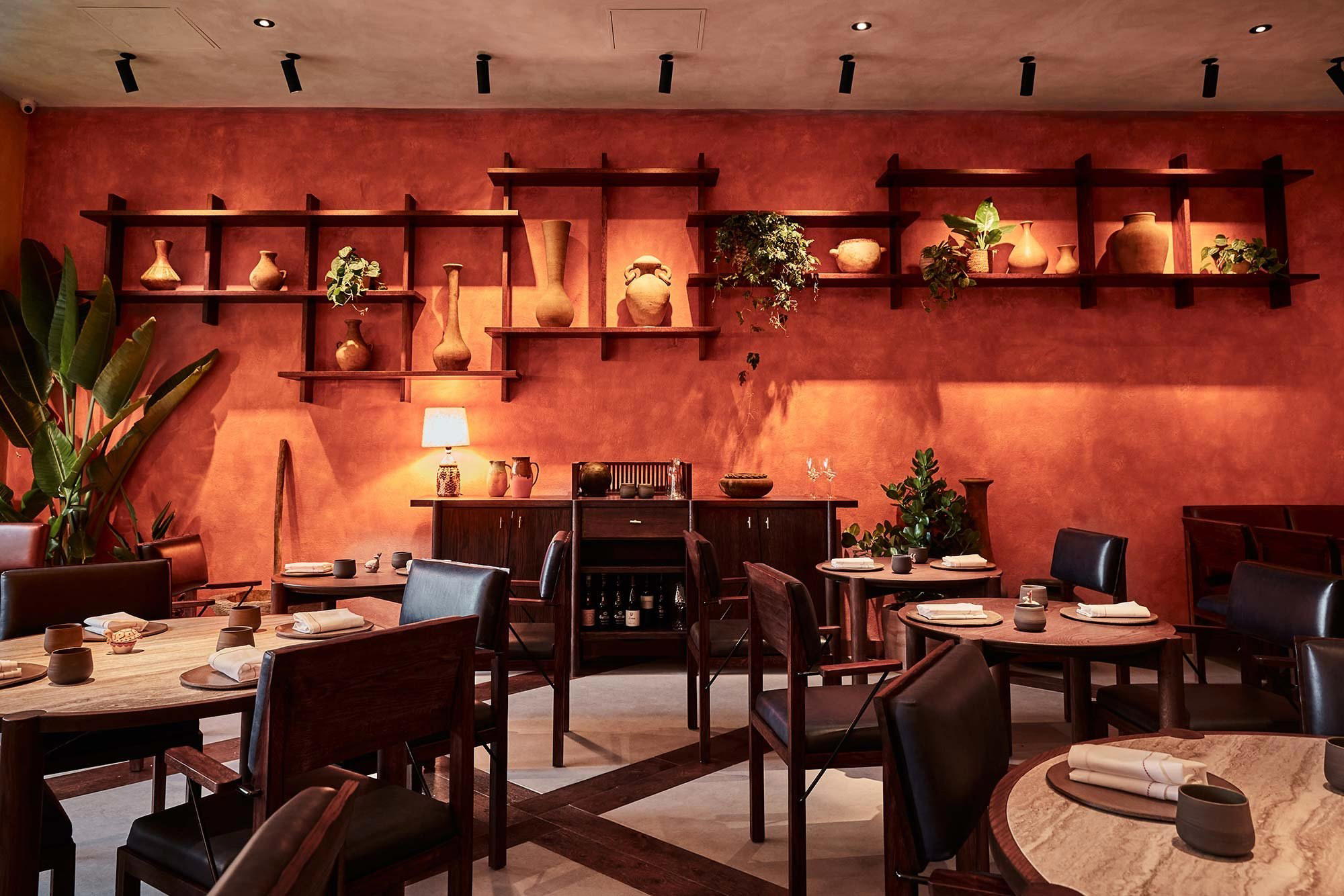
Bars in London
Browse all →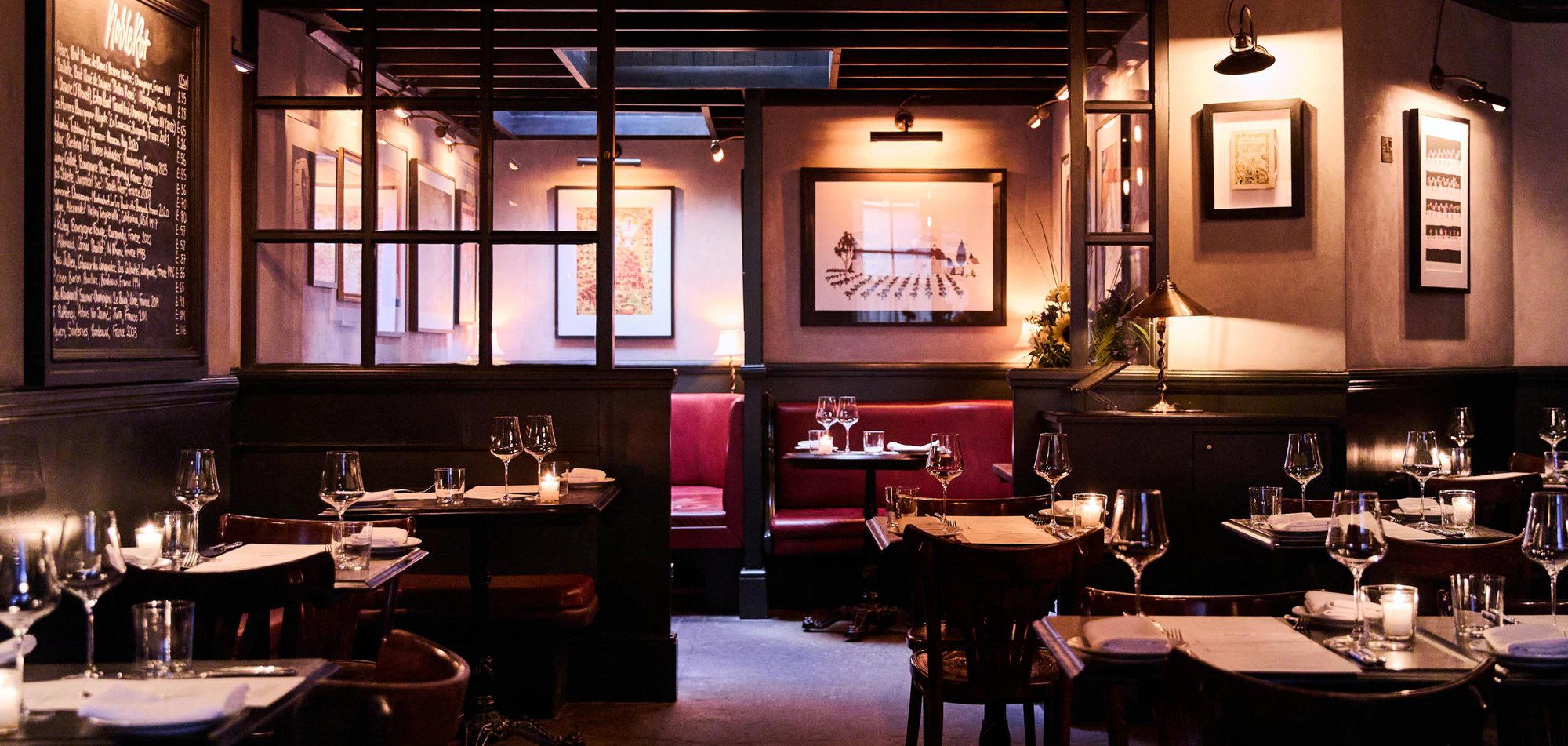
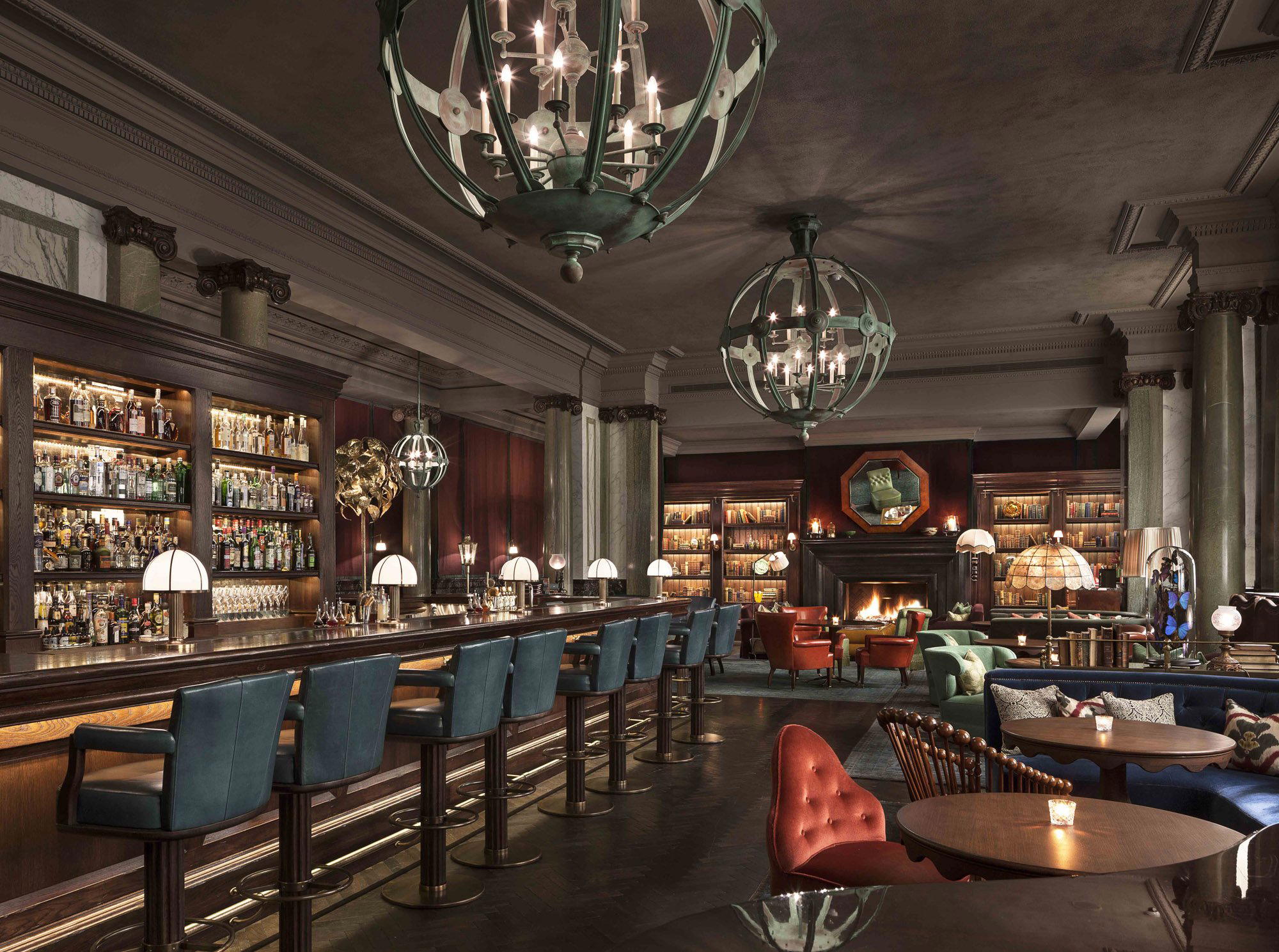
Hotels in London
Browse all →

At a Glance
- Lively
- Trendy
- Cozy
- Date Night
- Group Dining
- Casual Hangout
- Open Kitchen
- Natural Wine
- Extensive Wine List
Current opening hours
- Monday
- Closed
- Tuesday
- 5–11 PM
- Wednesday
- 5–11 PM
- Thursday
- 5–11 PM
- Friday
- 4–11 PM
- Saturday
- 4–11 PM
- Sunday
- Closed
Hours can change for holidays and private events. Last verified .