
Tabelog 100 #14
Our verdict
Sakaba Watanabe places Kawaguchi’s izakaya culture in a more drinks-literate register, pairing tavern cooking with serious attention to sake, shochu, wine, and cocktails. Its Tabelog 100 Izakaya EAST 2025 selection and sommelier service signal a room built for adults who care as much about what is poured as what comes from the kitchen.

Pearl is the En Primeur Club membership app, where members save venues, book tables and use the concierge.
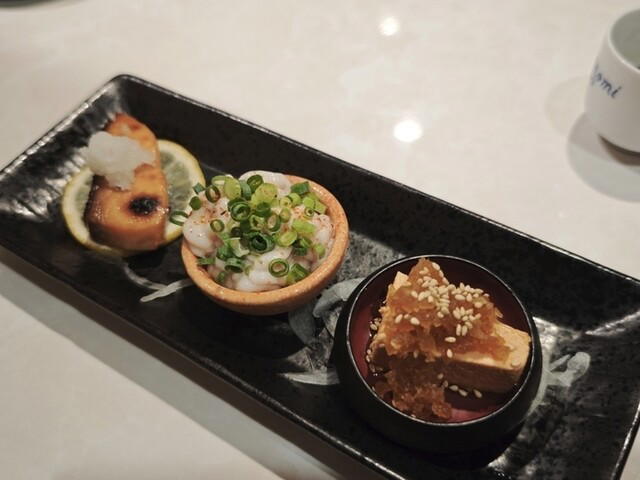
In Kawaguchi, the izakaya format shifts tone. The familiar cues remain: shared plates, poured drinks, and a room built for conversation rather than ceremony. But this is not simply the loose after-work tavern where food trails beer. Kawaguchi’s stronger dining addresses often sit just outside Tokyo’s glare, and Sakaba Watanabe uses that advantage well, working the serious end of the izakaya spectrum, where sake, wine, and pacing matter.
For travellers who know Japan through sushi counters, ramen queues, and kaiseki rooms, the distinction helps. Izakaya dining is less formal, but just as revealing. A good izakaya tests range: shared dishes, drinks, and the way a table settles into the evening must make sense together. The better rooms need no single signature plate; they build authority through editing and through food that survives the informality of shared dining.
A Kawaguchi izakaya where the drinks list changes the meal
In Kawaguchi, izakaya often compete on familiarity and price. This room operates in a narrower bracket. Its Tabelog Hyakumeiten 2025 recognition places it within a curated group rather than the mass of neighbourhood taverns, and its listed categories tell the larger story: izakaya, Japanese sake bar, and wine bar. That combination matters because it suggests a meal shaped by pairing logic, not a drinks menu bolted onto food.
Sake remains the natural anchor for izakaya cooking because it handles salt, smoke, fermentation, and umami with less friction than many wines. Wine gives guests acidity, tannin, or aromatic lift alongside Japanese cooking. In an izakaya, that drinking culture is not decoration; it changes how the table orders, especially as the meal moves between smaller plates and richer moments.
The quality angle is less about luxury than coherence. Izakaya kitchens depend on dishes that can be served smoothly, shared easily, and repeated through a night without losing control. At a more serious address, the margin for error narrows. The food needs to feel considered rather than incidental, and pairings need breadth to meet the kitchen halfway. Sakaba Watanabe’s public positioning around sake, wine, and izakaya dining points to the modern pattern: the tavern where the drinks program carries as much weight as conviviality.
Why Kawaguchi changes the value calculation
Kawaguchi is close enough to central Tokyo for an easy evening detour, but its dining scene does not behave like the capital’s most heavily scrutinised restaurant zones. The pressure differs. Instead of international trophy hunting, the city rewards places that build local frequency and regional credibility. A Tabelog Hyakumeiten izakaya here therefore reads differently from the same recognition in central Tokyo: it marks a venue that has moved beyond neighbourhood utility without abandoning the informality that gives izakaya dining its force.
The local comparison set clarifies the choice. Kawaguchi has casual sweet and pastry stops such as Chandoiseau and Chandoiseau Glacier Chocolatier, plus everyday dining represented by Eikichi. Those addresses serve different daytime, dessert, or casual needs. Sakaba Watanabe belongs to another evening tier, aimed at a longer meal where drinks shape the order and the table likely stays through several rounds.
That difference is not just spending. It is the kind of night being planned. A lower-priced noodle or curry stop solves hunger. A drinks-led izakaya solves pacing: a first pour, lighter plates, a second direction in the glass, a shift toward richer cooking, and flexibility for a group with mixed appetites. This is where the better izakaya tradition excels, allowing a meal to be assembled rather than submitted to a fixed fine-dining script.
For readers mapping the wider area, our full Kawaguchi restaurants guide is the natural starting point, with adjacent planning in our full Kawaguchi hotels guide, our full Kawaguchi bars guide, our full Kawaguchi wineries guide, and our full Kawaguchi experiences guide. Nearby and broader Japan references can also calibrate style and spend through other dining in Kawaguchi and beyond, without changing the essential read on Sakaba Watanabe: this is an izakaya to plan around rather than a generic stop-in.
The adult izakaya format, not a family fallback
The format is compact and adult-facing in feel, better suited to friends, colleagues, and drink-focused dinners than to a broad family meal. That is partly because the appeal lies in how the table moves: ordering, drinking, adjusting, and letting the evening develop through shared plates. For travellers, the useful planning point is not ceremony but rhythm.
The restaurant’s Tabelog Hyakumeiten 2025 selection gives its local reputation an external marker. The Tabelog score of 3.64 is notable in context; on that platform, especially in categories crowded with casual venues, numbers in this band usually indicate more than passing approval. The listed dinner budget of JPY 8,000 - JPY 9,999 also places it above a casual neighbourhood drinking den while keeping it outside the language of luxury dining.
The practical read is clear. This is not a spontaneous fallback after sightseeing with children, nor a temple of hushed ceremony. It is Kawaguchi’s serious tavern choice for guests who want Japanese drinking culture with stronger food ambition and a broader sake-and-wine frame. For contrast across formats, EP Club’s wider directory includes many kinds of casual, specialist, and destination dining. Those comparisons underline the point: a good izakaya is defined not by rarity or theatre, but by how confidently it connects product, pour, and appetite.
Frequently asked questions
Does Sakaba Watanabe work for a family meal?
It is not a family-first room. The venue is best read as an adult-facing izakaya in Kawaguchi, geared to drinking, shared plates, and a longer evening rhythm.
What is the atmosphere like at Sakaba Watanabe?
Expect a serious izakaya with a drinks identity built around sake and wine. Its Tabelog Hyakumeiten 2025 selection gives it clear local standing in Kawaguchi.
Is Sakaba Watanabe more mid-range or high-end?
Pricing at Sakaba Watanabe is listed as JPY 8,000 - JPY 9,999.
What part of town is Sakaba Watanabe in?
Kawaguchi.
What's the best way to book Sakaba Watanabe?
Use the listed phone number, +81-48-256-3100, or check the booking options on the relevant restaurant listing before you go.
What is Sakaba Watanabe known for?
Sakaba Watanabe is known as a Tabelog Hyakumeiten 2025 izakaya in Kawaguchi, with listed categories of izakaya, Japanese sake bar, and wine bar. The dinner range sits at JPY 8,000 - JPY 9,999, which places it above casual neighborhood drinking dens.
Comparable Spots, Quickly
Comparable venues by cuisine and price in the same metro.
| Venue | Cuisine | Price | Awards | Notes |
|---|---|---|---|---|
| Sakaba WatanabeThis venue (the venue you are viewing) | Japanese Izakaya & Sake Bar | $50–100 | Tabelog 100 #14 | Not listed |
| レストラン カム | Garden-to-Table French | $150–200 | Tabelog 100 #96 · We're Smart World 4 Radishes | Higashikawaguchi |
| Menya Eita | Japanese Tsukemen / Ramen | $1–10 | Tabelog 100 #85 | Shiba |
| 樋山 | Japanese Beef Bowl | $1–10 | Not listed | Kawaguchi |
| らーめん かねかつ | Authentic Japanese Ramen | $10–20 | Not listed | Iizuka |
| Chandoiseau | French Pâtisserie & Chocolaterie | Not listed | Tabelog 100 #8 | Kawaguchi |
Recognition history
Dated appearances from independent guides and award organizations, with the underlying list record or original source where available.
Tabelog 100 #14 · No. 14
Tabelog · Tabelog 100 - Izakaya - EAST - 2025
Continue exploring
More in Kawaguchi
Restaurants in Kawaguchi
All restaurants in Kawaguchi →
Bars in Kawaguchi
Browse all →


Sakaba Watanabe
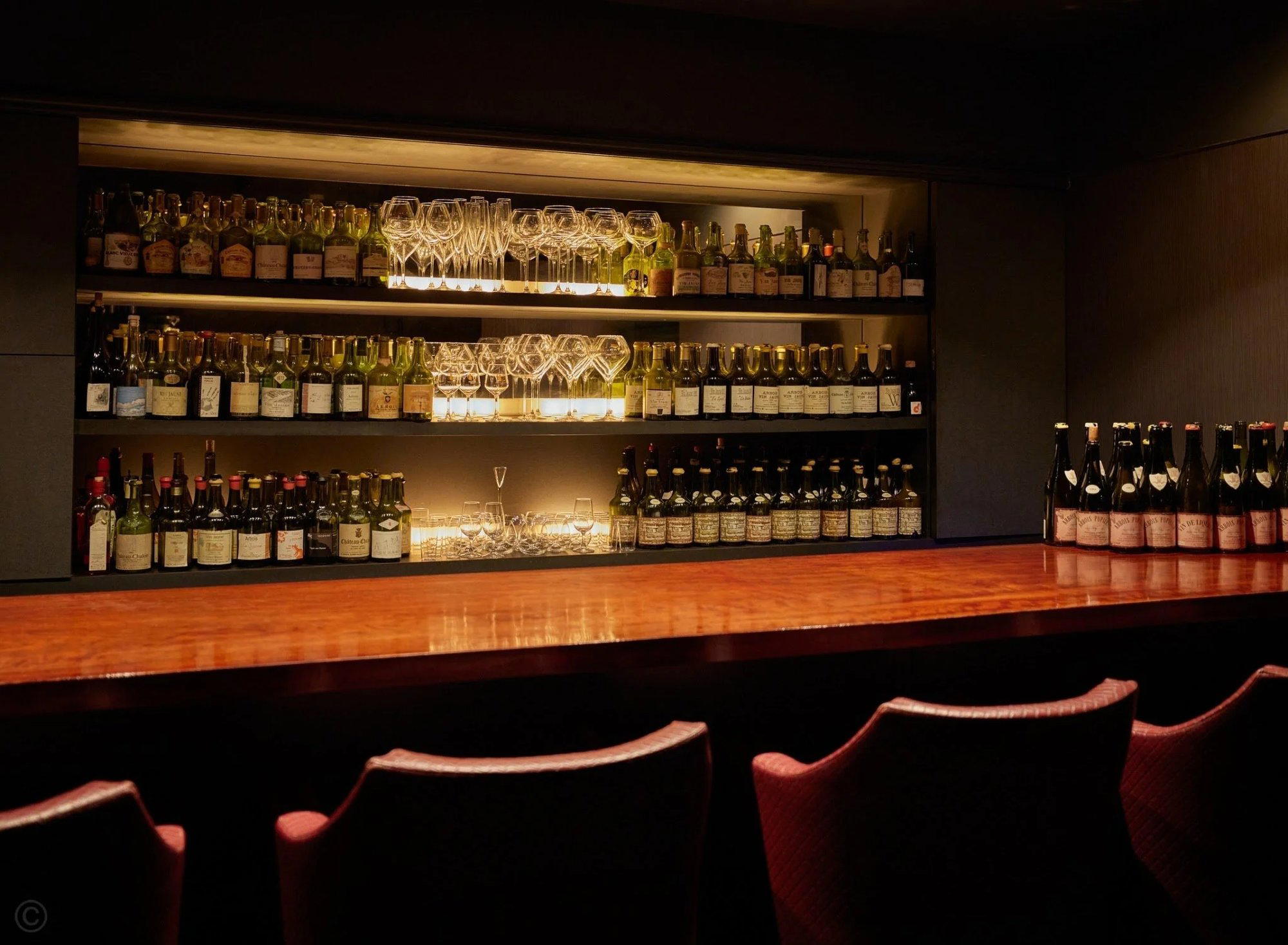
The wine
- Wine program
- Deep wine list
- Extensive wine list
- Sommelier-led
- Sake program
- Craft cocktails
Details
- Lively
- Cozy
- Intimate
- Energetic
- After Work
- Group Dining
- Casual Hangout
- Date Night
- Solo
- Special Occasion
- Standalone
- Wine Cellar
- Sake Program
- Sommelier Led
- Extensive Wine List
- Craft Cocktails
- A La Carte
- Set Menu
- Small Plates
- Counter Dining
- Sake
- Wine
- Cocktails
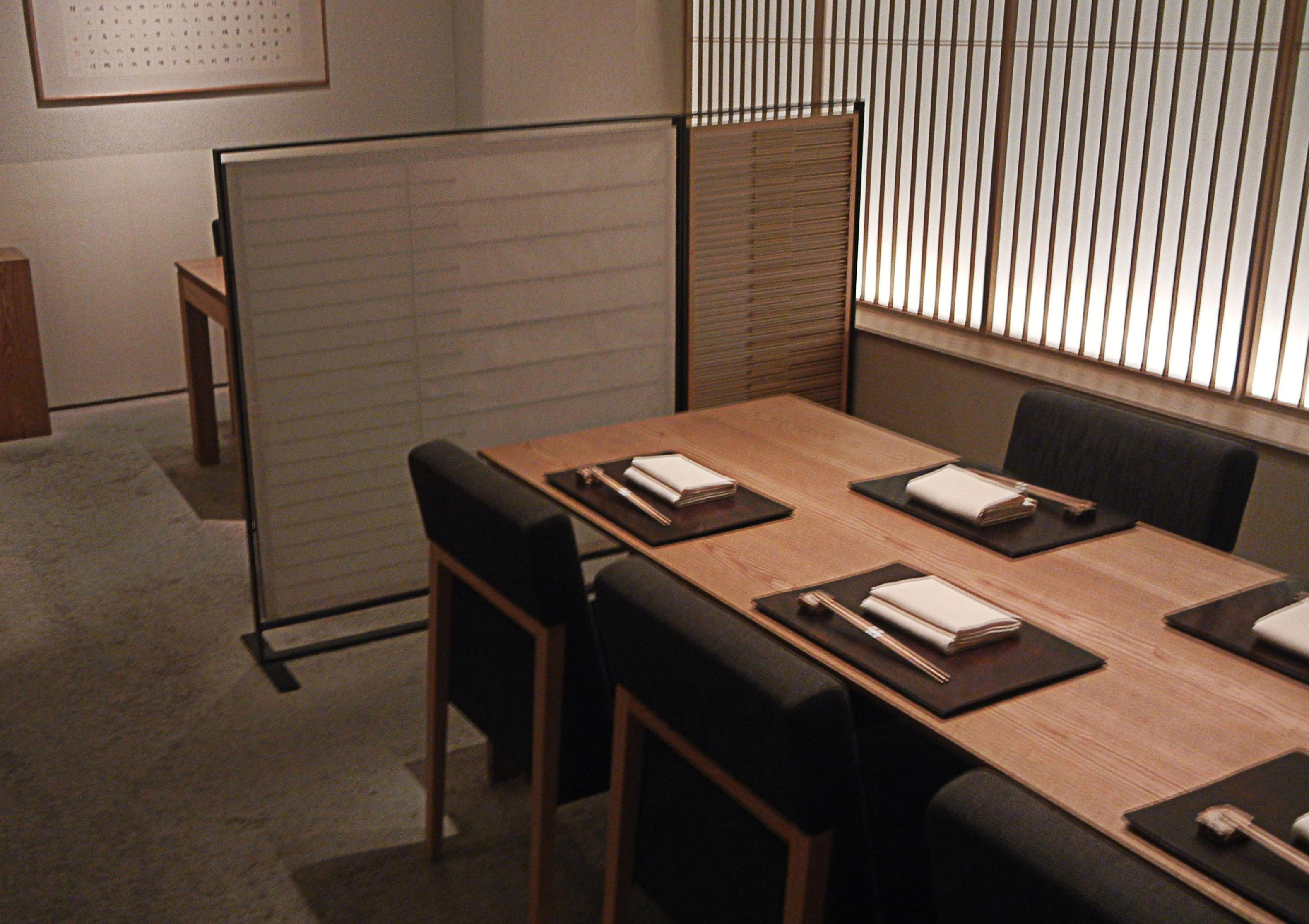
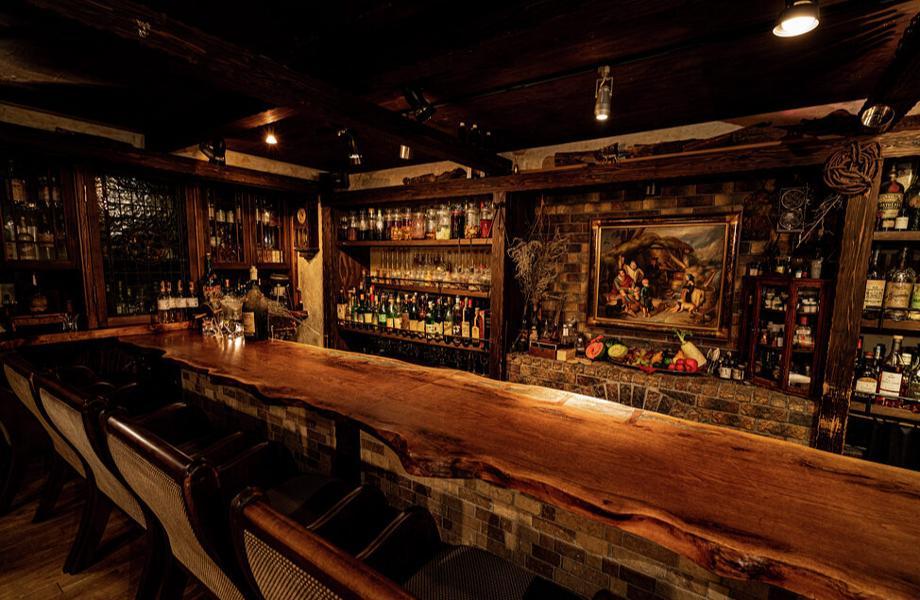
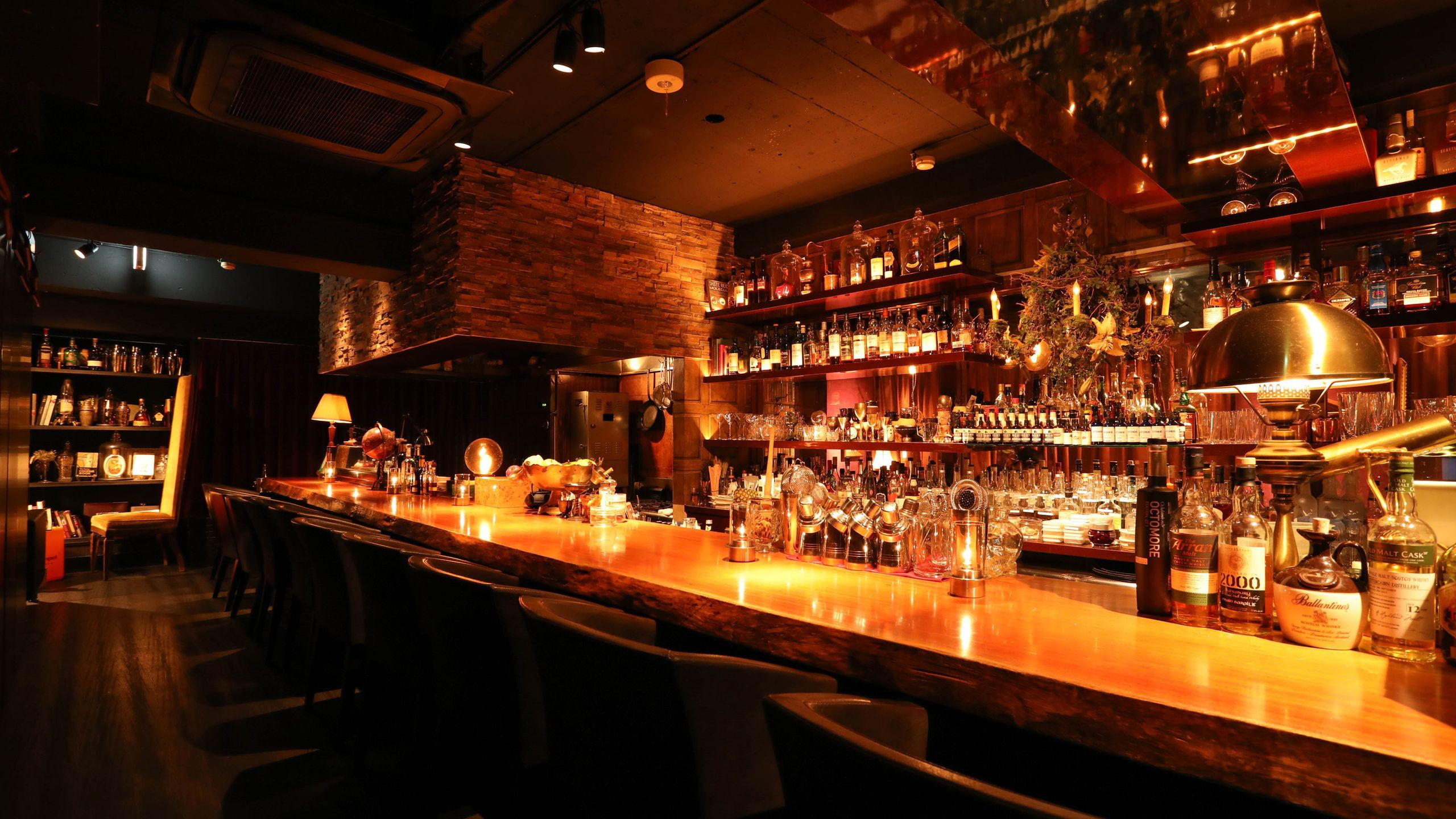
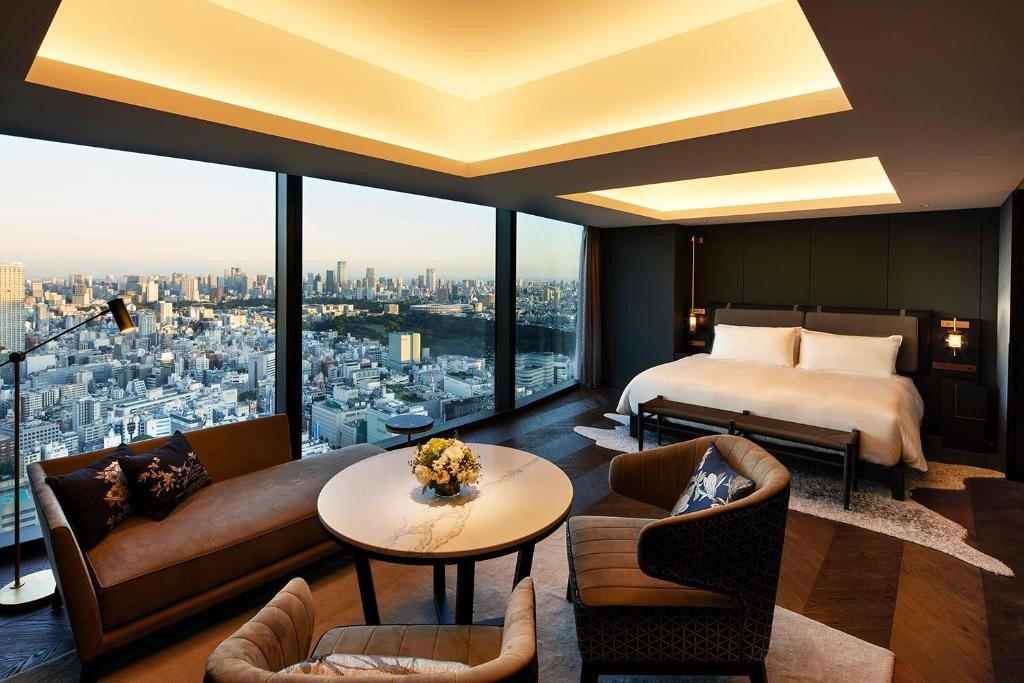
A small basement izakaya with counter seating and a cozy, lively atmosphere, popular with adults for after‑work drinking; lighting and decor appear warm and simple rather than flashy, focusing attention on drinks and food rather than design spectacle.