Saint John Ale House
Saint John Ale House occupies a prime position at Market Square, putting it at the intersection of the city's waterfront and its working food culture. The kitchen draws on New Brunswick's notable larder, from Bay of Fundy seafood to regional produce, and serves it in a setting that reads as genuinely local rather than tourist-facing. For visitors orienting themselves in Atlantic Canada's dining scene, it earns a place on the shortlist.
Pearl is the En Primeur Club membership app — saves, bookings, and concierge access live there. Same editors, same standards.
- Address
- 1 Market Square, Saint John, NB E2L 4Z6, Canada
- Phone
- +1 506 657 2337
- Website
- saintjohnalehouse.com
 Saves & bookings on Pearl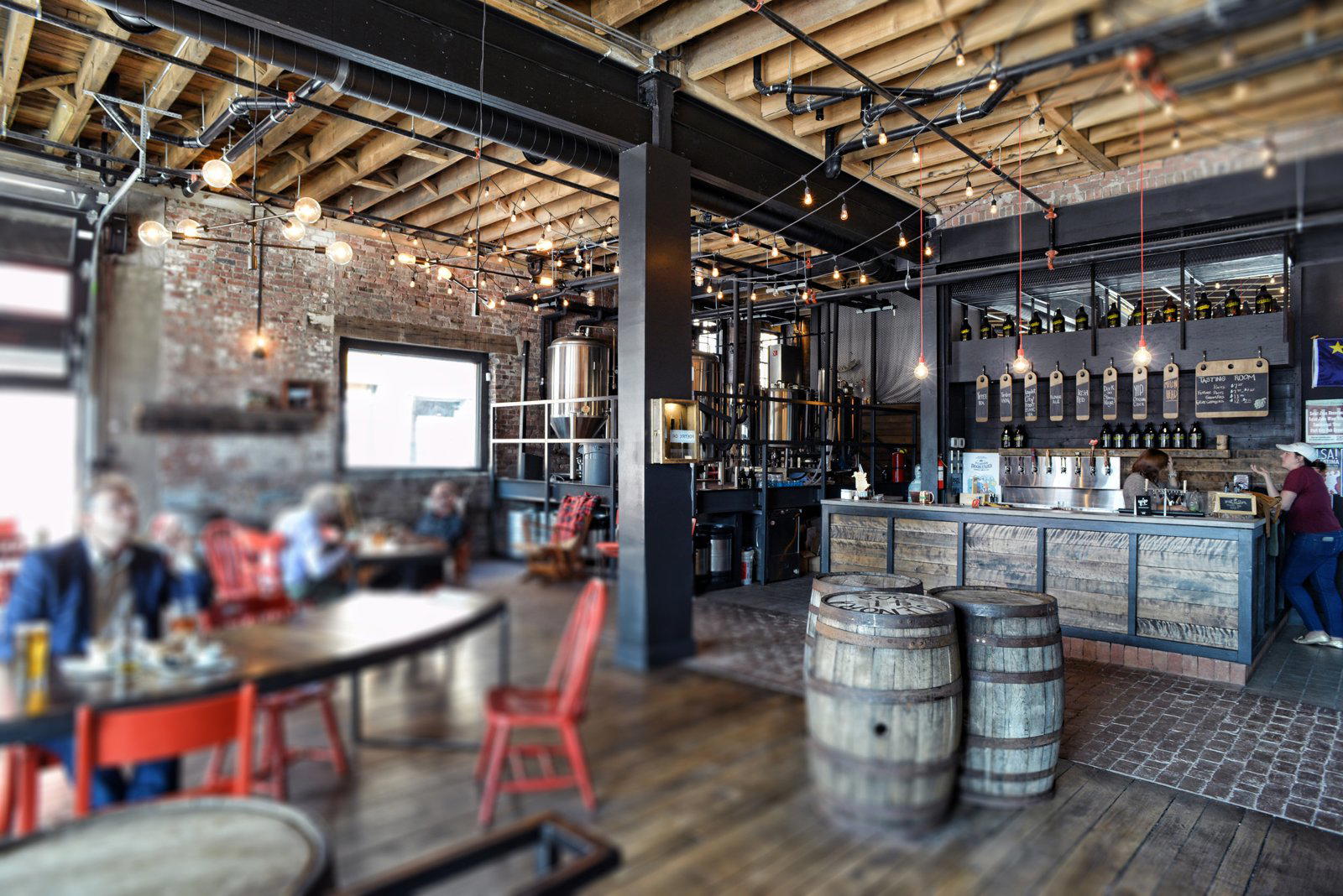
Where the Waterfront Meets the Larder
Market Square in Saint John has always functioned as a hinge point between the city's working port heritage and its appetite for public life. The building sits at the edge of the harbour, and on overcast Maritime days the light through the windows carries that particular flat-grey quality that belongs to the Bay of Fundy and nowhere else. Saint John Ale House occupies this address at 1 Market Square.
Saint John itself is an underappreciated entry point into Atlantic Canada's food culture. Saint John has a dining identity shaped by proximity to the Bay of Fundy, the Saint John River valley, and the agricultural communities of southern New Brunswick. That geography is not incidental. It is the raw material that defines what good cooking here can aspire to.
Ingredient Geography: Why New Brunswick's Larder Is the Story
Sourcing matters most when assessing a restaurant in this corner of Canada. New Brunswick sits at the convergence of Atlantic seafood abundance and inland agricultural productivity, a combination that most coastal provinces cannot claim with equal credibility on both sides. The Bay of Fundy, with its dramatic tidal range reaching up to 16 metres in some passages, produces shellfish, lobster, and finfish under conditions that affect flavour in measurable ways. Cold, highly oxygenated water and tidal nutrient cycling create shellfish with a density and salinity that distinguishes them from warmer-water equivalents.
That logic also appears at restaurants like Catch22 Lobster Bar in Moncton and, on a grander production scale, the kitchen philosophy at Fogo Island Inn Dining Room in Joe Batt's Arm. In Saint John, a restaurant at the waterfront edge of Market Square operates with the same geographic logic, even if the format and price point are different. The question is always how directly the kitchen translates its regional advantage into the plate.
New Brunswick's inland agriculture adds a second tier to that larder. The Saint John River valley produces potatoes of genuine culinary distinction, and regional farms supply root vegetables, berries, and grains that give the province a cold-climate pantry comparable in some respects to what Quebec's chefs have long championed. When Narval in Rimouski or Tanière³ in Quebec City builds tasting menus around hyper-local sourcing, they are drawing on the same Atlantic-region agricultural logic that applies equally to New Brunswick's leading kitchens.
The Ale House Format and What It Signals
The ale house format has a specific set of expectations in Canadian cities: generous portions, a beer program with regional depth, and a kitchen that prioritises comfort and familiarity over technical ambition. In Atlantic Canada, this format often intersects productively with local sourcing because the regional seafood supply chain is well-developed and restaurants in the middle price tier can access the same Bay of Fundy catch as higher-end establishments.
This positions Saint John Ale House in a different competitive register than the tasting-menu operators that define the upper end of Canadian fine dining, venues like Alo in Toronto, Eigensinn Farm in Singhampton, or Restaurant Pearl Morissette in Lincoln. It is closer in spirit to Cafe Brio in Victoria or AnnaLena in Vancouver: restaurants that take regional sourcing seriously without imposing tasting-menu formality on the experience. The ale house model, done well, is a legitimate vehicle for that kind of cooking. It reaches more of the city than a fine-dining room does, and in a port city with a working-class food culture, that accessibility is part of the point.
The Market Square address also matters for logistics. Saint John's downtown grid is compact, and Market Square functions as the city's most recognisable public gathering point, connecting the waterfront to the City Market, which is itself one of the oldest farmers' markets in Canada, operating since 1876. A restaurant at this intersection draws from both tourist traffic and local patronage, and the leading operators in that position manage to serve both without compromising for either. For nearby comparison within the Saint John dining scene, Urban Deli represents a different format at a similar address tier.
Atlantic Canada's Dining Context
Atlantic Canada's restaurant scene has historically received less national editorial coverage than Toronto, Vancouver, or Montreal, which creates an information gap rather than a quality gap. The region's leading kitchens operate within genuine constraints: smaller populations, shorter growing seasons, and thinner hospitality infrastructure. But the raw material advantage is substantial, and the gap between what the region produces and what it is credited for in national food conversations has been narrowing.
Restaurants in mid-sized Atlantic cities occupy a specific role in that story. They are not destination restaurants in the way that Le Bernardin in New York City or Lazy Bear in San Francisco attract international pilgrims, but they are the kitchens that most visitors to Saint John will actually eat in, and they carry the practical burden of representing the region's food identity. A waterfront ale house that sources well and cooks without pretension does more to communicate what Atlantic Canada tastes like than a formal tasting menu accessible to a fraction of the dining public.
For those building a broader picture of Canadian regional cooking, our full Saint John restaurants guide maps the city's dining options across price points and formats. Elsewhere in Atlantic Canada, Chafe's Landing Restaurant in Division No 1 and Busters Barbeque in Kenora illustrate how regional identity translates into food in different parts of the country. The comparison is worth making because it sharpens what is specific to New Brunswick's maritime cooking tradition versus broader Canadian patterns.
For reference, Jérôme Ferrer - Europea in Montreal and Cat's Fish and Chips in Ottawa show how seafood-forward restaurants in other Canadian cities interpret similar raw materials through different culinary lenses.
Planning a Visit
Saint John Ale House sits at 1 Market Square, within walking distance of the city's main downtown hotels and directly adjacent to the waterfront boardwalk. The Market Square complex is accessible year-round, though the waterfront experience is substantially different in summer versus the Maritime winter. For visitors travelling from outside New Brunswick, Saint John Airport handles direct connections from Toronto and Montreal, and the city is approximately one hour by road from the New Brunswick-Maine border crossing at St. Stephen.
A Quick Peer Check
Comparable venues nearby, for context on price, style, and recognition.
| Venue | Cuisine | Price | Notes |
|---|---|---|---|
| Saint John Ale HouseThis venue — the venue you are viewing | Progressive Pub with Local New Brunswick Fare | $$ | Not listed |
| Urban Deli | American Deli | $$ | Uptown Saint John |
| Chica’s Chicken | Nashville hot chicken shop | $$ | Whitby |
| Ric's Lounge & Grill | American Steakhouse & Grill | $ | Sunridge/North East |
| Mosaic Bar & Grille | Creative West Coast | $$ | Downtown |
| Urban Crave | Global Street Food Fusion | $$ | Toronto Pearson International Airport |
At a Glance
- Lively
- Scenic
- Rustic
- Energetic
- Casual Hangout
- Group Dining
- After Work
- Late Night
- Live Music
- Waterfront
- Standalone
- Beer Program
- Craft Cocktails
- Farm To Table
- Local Sourcing
- Waterfront
Current opening hours
- Monday
- 11:30 AM–10 PM
- Tuesday
- 11:30 AM–10 PM
- Wednesday
- 11:30 AM–10 PM
- Thursday
- 11:30 AM–10 PM
- Friday
- 11:30 AM–11 PM
- Saturday
- 11:30 AM–11 PM
- Sunday
- 11:30 AM–10 PM
Hours can change for holidays and private events. Last verified .
Lively and entertaining atmosphere with a big summer patio overlooking the waterfront; casual pub setting with craft beer focus and live entertainment.