Sai Jai Thai
Our verdict
On O'Farrell Street in the Tenderloin, Sai Jai Thai has built the kind of loyalty that only comes from consistency over years. The regulars here know what they want before they sit down, and the kitchen delivers it without theatre or detour. For those tracing San Francisco's Thai dining scene below the fine-dining tier, this address keeps coming up.

Pearl is the En Primeur Club membership app, where members save venues, book tables and use the concierge.
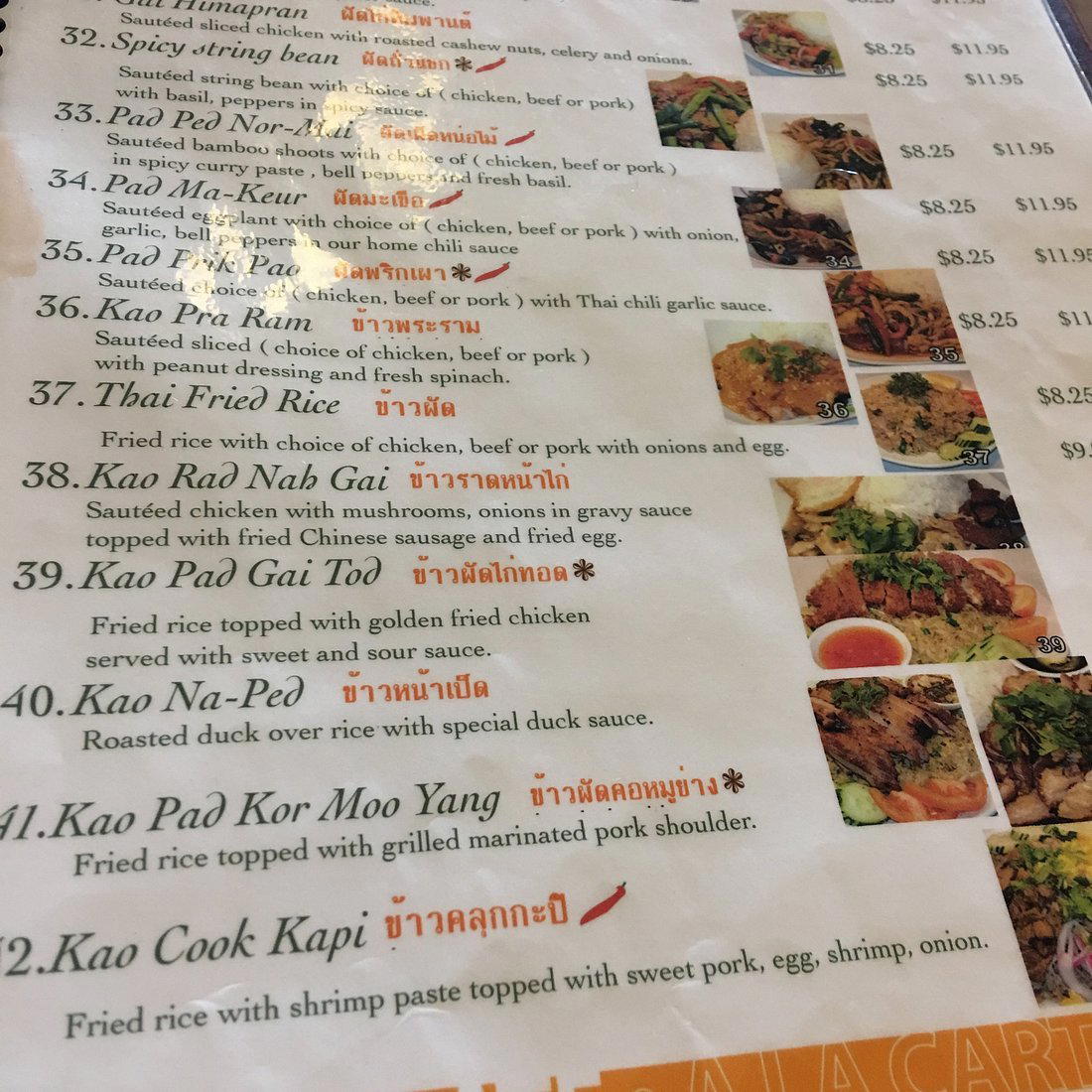
The menu
What to order
- BBQ Pork Shoulder Fried Rice
- Kor Moo Yang (Grilled Pork Shoulder)
- Pad Thai
- Yen Ta Fo
What the Regulars Already Know
The Tenderloin is not a neighbourhood San Francisco's dining press tends to celebrate. Its blocks around O'Farrell and Larkin host a density of Southeast Asian kitchens that serve working communities rather than destination diners, and the result is a tier of Thai cooking largely invisible to the expense-account circuit. Sai Jai Thai at 771 O'Farrell Street sits inside this pattern: a spot that accumulates loyalty through repetition rather than reviews, where the same faces return on the same nights because the kitchen has earned that habit.
This kind of restaurant is increasingly rare in San Francisco, where rising rents and labour costs have pushed neighbourhood-anchored kitchens toward either closure or reinvention as something more legible to reservation platforms and food media. The survivors tend to be places with a clear, practised identity and a customer base that doesn't need to be sold anything. Sai Jai Thai appears to be one of those survivors.
The Scene on O'Farrell
The Tenderloin's Thai and Southeast Asian dining corridor operates differently from the polished dining rooms you encounter at Lazy Bear or Atelier Crenn. There are no tasting menus, no wine pairings coordinated by a sommelier, no PR-managed opening nights. The format is direct: a room, a menu, a kitchen that has cooked these dishes long enough to do them without thinking. The neighbourhood itself is unglamorous by design, which is part of what keeps operations like this functional. Lower-profile streets support lower overhead, and lower overhead supports consistency in cooking that doesn't need to chase trends to survive.
San Francisco's Thai dining scene spans a wider range than most visitors encounter. At one end sit the contemporary interpretations that lean into California produce and modern plating conventions. At the other sit the Tenderloin kitchens, which tend to cook closer to regional Thai traditions without the translation layer that makes food accessible to audiences unfamiliar with the source material. The regulars at a place like Sai Jai Thai are not there for an introduction to Thai cuisine; they're there because the version served here matches what they want.
Who Comes Back and Why
The editorial angle on a restaurant like this is not the menu as printed. It is the menu as understood by the people who return weekly. In Thai restaurants with long-standing local followings, there is almost always a gap between the laminated card and the practical ordering knowledge carried by regulars. Certain dishes reward familiarity: the ones that require adjustments the kitchen will make without being asked, the preparations that vary by season or supply, the off-menu items that circulate among people who have been coming long enough to know to ask.
This dynamic is not unique to Thai cooking, but it is particularly pronounced in neighbourhood restaurants where the kitchen-to-customer relationship has had years to develop. The regulars at Sai Jai Thai are not passive consumers of a fixed product. They are participants in a small economy of preference and trust that the kitchen sustains by remaining consistent enough to anchor around. That consistency, in a city where restaurant turnover is constant, carries its own credential.
San Francisco's higher-profile dining addresses, including Benu, Quince, and Saison, compete in a different register entirely, measured against peers like Le Bernardin in New York City, Alinea in Chicago, or The French Laundry in Napa. Sai Jai Thai is not in that conversation, nor does it need to be. Its competitive set is the cluster of Tenderloin Thai kitchens serving a community that has its own hierarchy of preference, distinct from what earns Michelin recognition or placement on national lists alongside Providence in Los Angeles, Addison in San Diego, or Blue Hill at Stone Barns in Tarrytown.
Thai Cooking in the Tenderloin Context
Thai cuisine in the United States has followed a familiar arc: early adoption as an accessible, affordable category, followed by a slow fragmentation into tiers ranging from fast-casual to chef-driven contemporary formats. The middle tier, represented by neighbourhood restaurants with settled menus and long tenures, has been compressed from both sides. The Tenderloin retains a concentration of this middle tier, partly because the neighbourhood's economics have been less susceptible to the gentrification pressures that restructured dining in SoMa, Hayes Valley, and the Mission over the past two decades.
Within that context, a restaurant at the 771 O'Farrell address is serving a function that goes beyond individual meals. It is part of the infrastructure of a neighbourhood that depends on affordable, reliable cooking within walking distance. That civic role doesn't translate to awards or editorial coverage, but it does translate to the kind of durability that most destination restaurants, for all their recognition, cannot match. For a broader picture of where Sai Jai Thai sits within San Francisco's full dining range, see our full San Francisco restaurants guide.
The broader American fine-dining tier, represented by venues like Emeril's in New Orleans, Bacchanalia in Atlanta, The Inn at Little Washington, Atomix in New York City, or 8 1/2 Otto e Mezzo Bombana in Hong Kong, operates by rules of capital and ambition that have nothing to do with what makes a Tenderloin Thai kitchen worth knowing. The comparison is instructive mainly because it clarifies what Sai Jai Thai is not trying to be, and why that matters to the people who depend on it.
Planning Your Visit
The Tenderloin requires a degree of situational awareness that some visitors find off-putting; O'Farrell Street between Larkin and Hyde runs through one of the city's more challenging pedestrian environments, particularly in the evening. This is not a reason to avoid the area, but it is a reason to arrive with clear intent rather than wandering. Public transit access is direct from downtown, and parking is available in the surrounding blocks, though the neighbourhood's geography rewards directness over exploration.
Given the limited publicly available data on Sai Jai Thai's current hours, booking method, and operational details, arriving early in the service window is the practical default for first-time visitors. Regulars will already know the timing; newcomers are better served by a conservative approach. Walk-in availability at neighbourhood Thai restaurants in this tier is typically higher than at reservation-dependent formats, but there are no guarantees on busy evenings.
Quick reference: Sai Jai Thai, 771 O'Farrell St, San Francisco, CA 94109.
Frequently asked questions
What part of town is Sai Jai Thai in?
Sai Jai Thai is located at 771 O'Farrell St, San Francisco, CA 94109, San Francisco.
Is Sai Jai Thai part of San Francisco's broader Thai dining scene, and how does it compare to Thai restaurants in other neighbourhoods?
Sai Jai Thai at 771 O'Farrell St operates within the Tenderloin's established Southeast Asian corridor, which functions quite differently from Thai restaurants in the Richmond or Mission districts. Where those neighbourhoods have seen Thai cooking shift toward modernised or fusion formats, the Tenderloin corridor has largely retained a neighbourhood-diner character. That makes Sai Jai Thai more representative of the earlier, less self-conscious phase of Thai dining in San Francisco.
What's the best thing to order at Sai Jai Thai?
The honest answer here is to ask the staff directly what came in fresh that day. In Tenderloin Thai kitchens operating at this price point and volume, the dishes that regulars return for are rarely the ones printed largest on the menu. Ordering off-script, or requesting what the kitchen is running as a daily special, tends to surface the more considered cooking.
What's the best way to book Sai Jai Thai?
No website or phone number is publicly listed for Sai Jai Thai at 771 O'Farrell St. Walking in is the most reliable approach, and many Tenderloin Thai spots in this corridor operate on a first-come basis rather than a reservations system. Arriving early in the dinner window typically secures a table without a wait.
What makes Sai Jai Thai worth seeking out?
Sai Jai Thai sits inside the Tenderloin's dense Southeast Asian dining corridor, a stretch of O'Farrell and its cross streets that represents one of San Francisco's least-covered concentrations of Thai cooking. The neighbourhood context matters: these are kitchens cooking for a regular local clientele, not a tourist or expense-account crowd, which tends to keep the cooking grounded. That dynamic is increasingly rare in San Francisco's dining scene.
How does Sai Jai Thai handle allergies?
No formal allergy policy is documented for Sai Jai Thai. Thai cooking commonly involves fish sauce, shrimp paste, peanuts, and shellfish-based stocks, so guests with serious allergies should communicate requirements directly with staff before ordering. Smaller Thai kitchens in the Tenderloin corridor typically accommodate adjustments when asked clearly.
Is a meal at Sai Jai Thai worth the investment?
Tenderloin Thai restaurants on O'Farrell generally price at the lower end of San Francisco dining, making this a low-stakes visit by the city's standards. The value case is less about price-to-plate ratio and more about accessing a style of Thai cooking that operates outside the polished, reworked formats you find at higher-profile SF addresses. Whether that registers as worth the trip depends on what you are looking for.
Cuisine Context
Comparable venues nearby, for context on price, style, and recognition.
| Venue | Cuisine | Price | Notes |
|---|---|---|---|
| Sai Jai ThaiThis venue (the venue you are viewing) | Authentic Thai Comfort Food | $20–30 | Not listed |
| King of Thai Noodle House | Thai Noodle House | $10–20 | Financial District/South Beach |
| Lao Table | Laotian & Thai Fusion | $30–50 | Financial District/South Beach |
| BANGKOK STREET Thai Street Food | Thai Street Food | $20–30 | Pacific Heights |
| La Cumbre Taqueria SF | Mission-Style Taqueria | $10–20 | Mission |
| Moonlight Cafe | American Breakfast & Cafe | $10–20 | Bernal Heights |
Continue exploring
More in San Francisco
Restaurants in San Francisco
All restaurants in San Francisco →
Bars in San Francisco
All bars in San Francisco →

Details
- Casual
- Cozy
- Casual Hangout
- Group Dining
- After Work
- Standalone
- Local Sourcing
- A La Carte
- Vegetarian Friendly
- Vegan Options
Current opening hours
- Monday
- 11 AM–9 PM
- Tuesday
- 11 AM–9 PM
- Wednesday
- Closed
- Thursday
- 11 AM–9 PM
- Friday
- 11 AM–9 PM
- Saturday
- 11 AM–9 PM
- Sunday
- 11 AM–9 PM
Hours can change for holidays and private events. Hours as of .
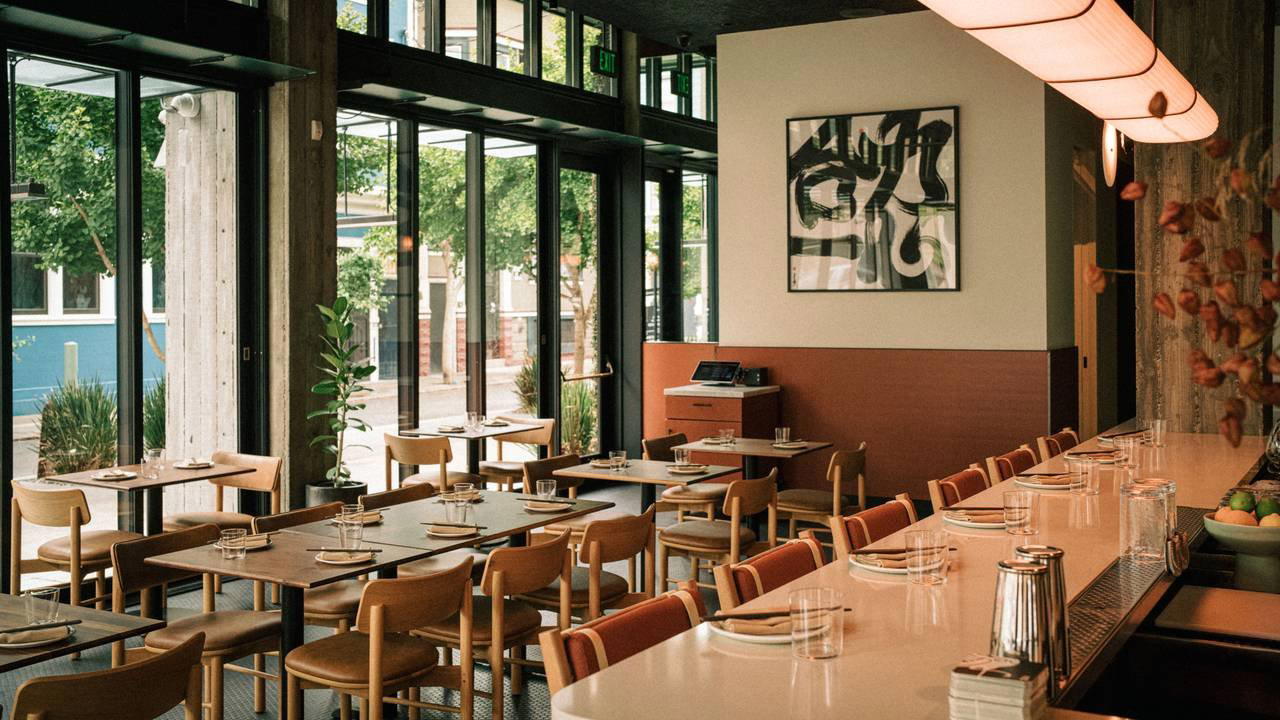
Casual neighborhood Thai spot with a warm, unpretentious atmosphere reflecting its Tenderloin location and focus on homemade comfort food.