
A Michelin Plate-recognised Japanese address on Rue Casimir Delavigne, Sagan operates in the quieter register of the 6th arrondissement's dining scene, where technique-forward cooking meets a mid-range price point rarely found at this level of Michelin recognition. Consecutive Plate awards in 2024 and 2025 confirm sustained consistency within Paris's competitive Japanese restaurant tier.
Pearl is the En Primeur Club membership app — saves, bookings, and concierge access live there. Same editors, same standards.
- Address
- 8 Rue Casimir Delavigne, 75006 Paris, France
- Phone
- +33 6 69 37 82 19
- Website
- saganparis.fr
- Directions
- Get directions
 Saves & bookings on Pearl
Japanese Dining in the 6th: Where Sagan Sits in the Paris Picture
Paris has hosted serious Japanese cooking since at least the 1980s, when a first wave of Japanese chefs arrived trailing classical French training and began folding both traditions together. That exchange has never fully resolved itself, and the city now supports several distinct Japanese restaurant tiers: grand omakase counters targeting the same price bracket as three-star French houses, mid-range neighbourhood addresses that import Japanese precision without the ceremony, and hybrid Franco-Japanese kitchens doing something altogether harder to classify. Sagan, at 8 Rue Casimir Delavigne in the 6th arrondissement, is a Modern Japanese Izakaya in Paris, where a €€ price point and back-to-back Michelin Plate recognitions in 2024 and 2025 signal consistent technique at an accessible level. Within Paris's Japanese scene, that combination is less common than it sounds: Michelin attention at this price tier tends to indicate a kitchen running with discipline rather than relying on luxury ingredients to carry the plate.
The 6th arrondissement itself contributes context worth noting. The neighbourhood sits between Saint-Germain-des-Prés and the Luxembourg Gardens, an area historically associated with literary cafés and established French bistros rather than Japanese cooking. Japanese restaurants in this part of Paris tend to serve a local clientele of residents and office workers rather than the tourist-heavy crowds of the 1st and 8th, which shapes both the tone of service and the expectation around formality. The contrast with, say, the high-ceremony counters clustered near the Champs-Élysées corridor is considerable. For comparison, L'Abysse au Pavillon Ledoyen operates at the opposite end of the price and ceremony spectrum within Paris's Japanese-influenced dining, as does the contemporary omakase model at Sushi Yoshinaga.
Reading the Meal as a Sequence
The meal often works best as a sequence: what order the kitchen imposes on flavour, temperature, and texture, and whether that sequence holds together as a coherent argument. Japanese cooking traditions, from kaiseki through to the more austere frameworks of tea-ceremony cuisine, are built around sequencing as a form of communication. The meal's arc matters as much as any individual dish.
At a Michelin Plate level in Paris, the expectation is that a kitchen understands this structure even if it does not enforce a strict multi-course format. Plate recognition in the Michelin system signals that inspectors have found cooking worthy of attention without awarding a star, which in practical terms means the food is consistently prepared and the kitchen demonstrates genuine care. A Plate at €€ pricing is a practical proposition for the diner who wants rigorous Japanese technique without committing to a long ceremonial evening.
Among Paris addresses where the tasting structure and Japanese framework are taken seriously at a comparable level, Chakaiseki Akiyoshi offers one direct reference point, drawing on tea-ceremony kaiseki traditions. Hakuba represents a different inflection within the same general neighbourhood, while Abri Soba handles a more ingredient-focused, less ceremonial Japanese format further north. Each addresses a different moment in how Paris has absorbed and reinterpreted Japanese cooking since those first arrivals in the 1980s.
Paris's Japanese Restaurant Tier: The Broader Pattern
The pattern Paris follows with Japanese restaurants is not entirely unlike what Tokyo itself does with French cooking: a genuine absorption of the source tradition, followed by a local inflection that becomes its own thing over time. Where Tokyo's French restaurants have often produced something tighter and more disciplined than many French originals, Paris's Japanese restaurants have frequently become more expressive and ingredient-plural than their counterparts in Japan. Whether that is an improvement or a dilution depends on what you came looking for.
The Michelin framework in Paris applies to Japanese restaurants with the same criteria it uses elsewhere, which means that classical French values around sauce, technique, and service infrastructure are implicitly in the room even when the food on the plate is entirely Japanese in orientation. This is one reason why particularly interesting Japanese restaurants in Paris carry Plate recognition rather than stars: the cooking may be technically strong on its own terms while operating outside the implicit French framework that the star system quietly favours. Tokyo offers a useful counter-reference here. Addresses like Myojaku and Azabu Kadowaki demonstrate what the same Michelin system produces when Japanese restaurants are evaluated in their native context, where the framework assumptions run differently.
For readers building a broader picture of French fine dining before or after a meal at Sagan, the regional anchors are worth keeping in mind. Mirazur in Menton, Flocons de Sel in Megève, Troisgros in Ouches, Paul Bocuse in Collonges-au-Mont-d'Or, Bras in Laguiole, and Auberge de l'Ill in Illhaeusern map the range and regional spread of French haute cuisine, against which Paris's Japanese addresses operate as a distinct and increasingly confident parallel track.
Google Reviews and What They Signal
A score in this range over a meaningful review count typically reflects consistent execution and a kitchen that has found its register and held it. It aligns with the Michelin Plate recognition in suggesting a restaurant that does what it does reliably, which in a city with as many Japanese options as Paris is itself a form of editorial argument.
Know Before You Go
- Address: 8 Rue Casimir Delavigne, 75006 Paris, France
- Cuisine: Japanese
- Price range: €€€
- Awards: Michelin Plate 2024 and 2025 7 (174 reviews)
- Neighbourhood: 6th arrondissement
- Booking: Advance reservation recommended
- Hours: Mon: Closed; Tue: 6:30–10:30 PM; Wed: 6:30–10:30 PM; Thu: 12–2 PM, 6:30–10:30 PM; Fri: 12–2 PM, 6:30–10:30 PM; Sat: 12–2 PM, 6:30–10:30 PM; Sun: Closed
Planning Your Time in Paris
Sagan is one address within a city that supports dozens of serious Japanese restaurants across multiple price tiers. For a complete picture of where to eat, drink, and stay, see our full Paris restaurants guide, our full Paris hotels guide, our full Paris bars guide, our full Paris wineries guide, and our full Paris experiences guide.
Compact Comparison
Comparable venues nearby, for context on price, style, and recognition.
| Venue | Cuisine | Price | Notes |
|---|---|---|---|
| SaganThis venue — the venue you are viewing | Odéon, Modern Japanese Izakaya | $$$ | Not listed |
| Shu | Not listed | $$$ | Saint-Germain-des-Prés, Authentic Japanese Kushiage |
| Bon Kushikatsu | Not listed | $$$$ | 11th Arr. - Popincourt, Osaka-Style Kushikatsu |
| Koji | Issy-les-Moulineaux, Japanese Teppanyaki | $$$$ | Not listed |
| Pianovins | Not listed | $$$ | 11th arrondissement, Modern French Bistro |
| Rooster | Batignolles, Modern French Bistro | $$$ | Not listed |
Recognition history
Dated appearances from independent guides and award organizations, with the underlying list record or original source where available.
Michelin Plate
Michelin
Michelin Plate
Michelin
Michelin Plate
Michelin
Continue exploring
More in Paris
Restaurants in Paris
Browse all →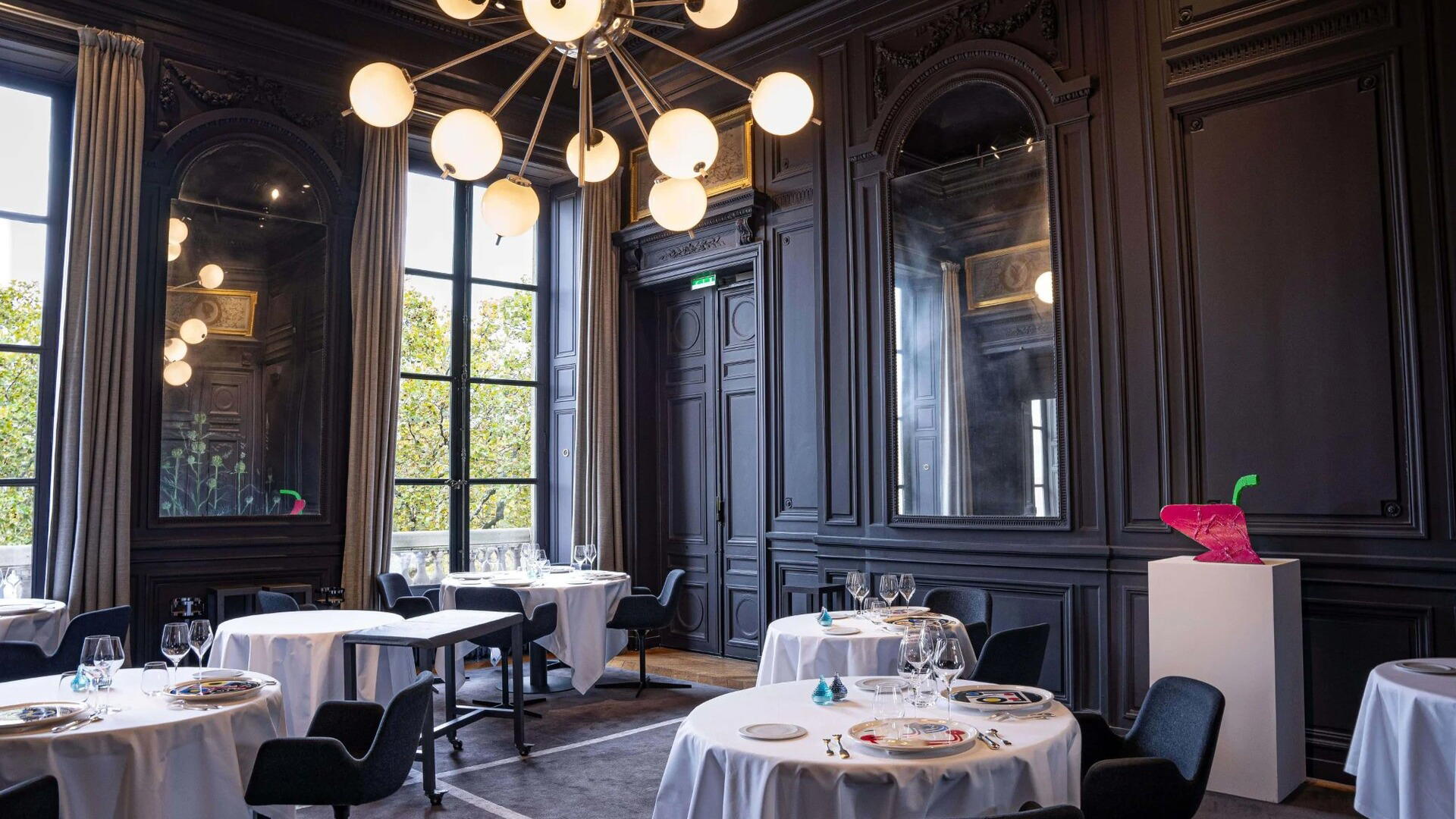
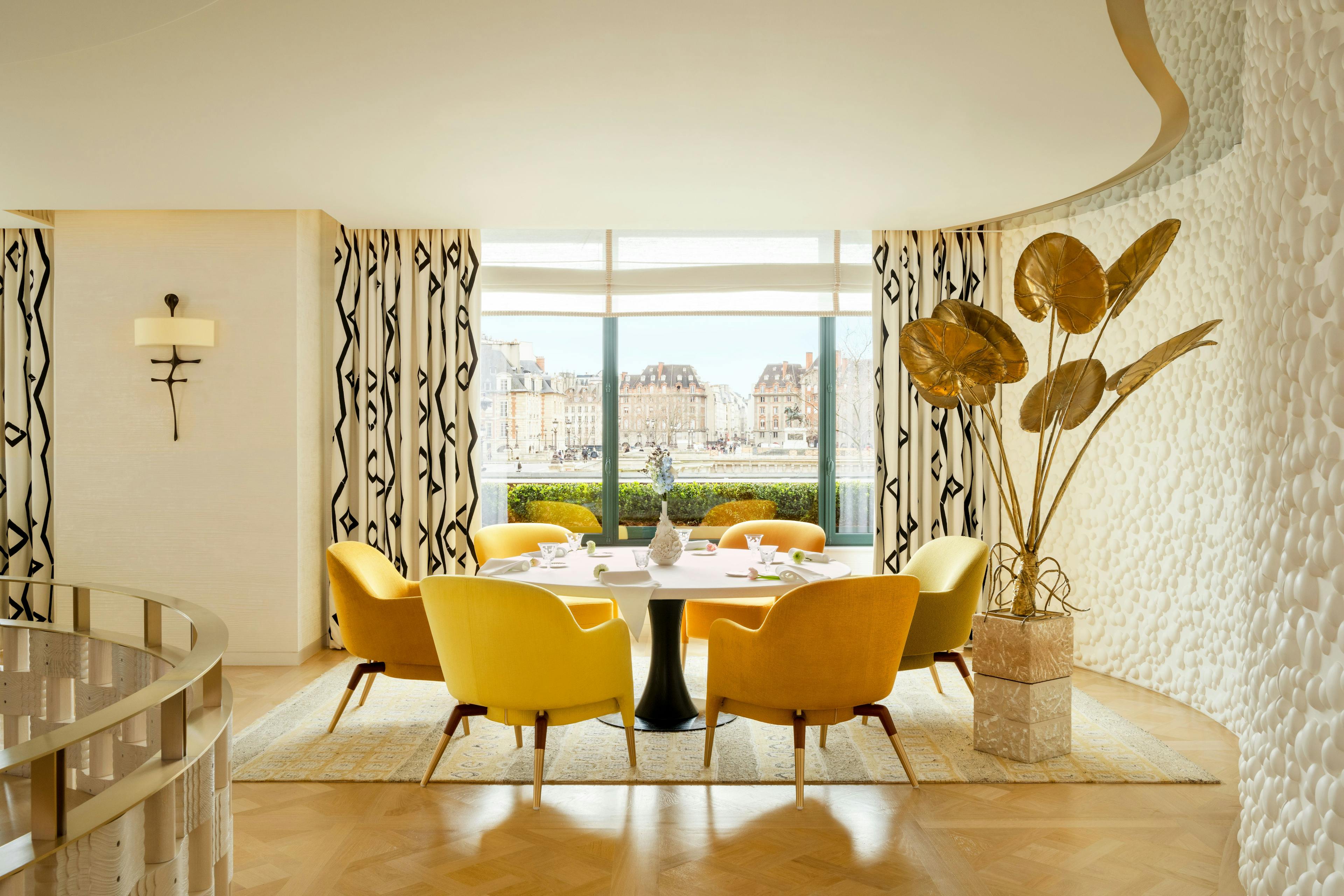
Bars in Paris
Browse all →
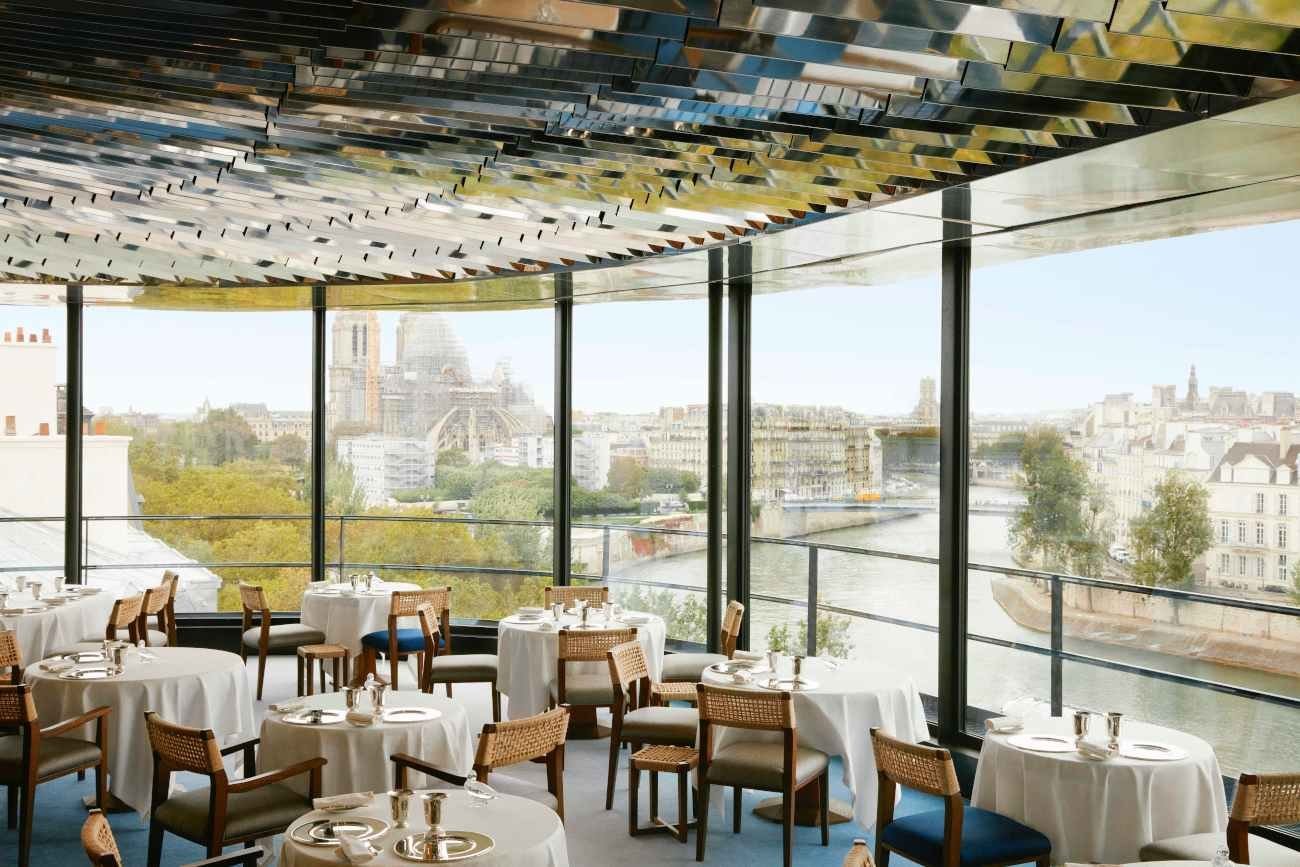
Hotels in Paris
Browse all →



At a Glance
- Cozy
- Intimate
- Minimalist
- Modern
- Date Night
- Solo
- Casual Hangout
- Open Kitchen
- Extensive Wine List
Current opening hours
- Monday
- Closed
- Tuesday
- 6:30–10:30 PM
- Wednesday
- 6:30–10:30 PM
- Thursday
- 12–2 PM, 6:30–10:30 PM
- Friday
- 12–2 PM, 6:30–10:30 PM
- Saturday
- 12–2 PM, 6:30–10:30 PM
- Sunday
- Closed
Hours can change for holidays and private events. Last verified .
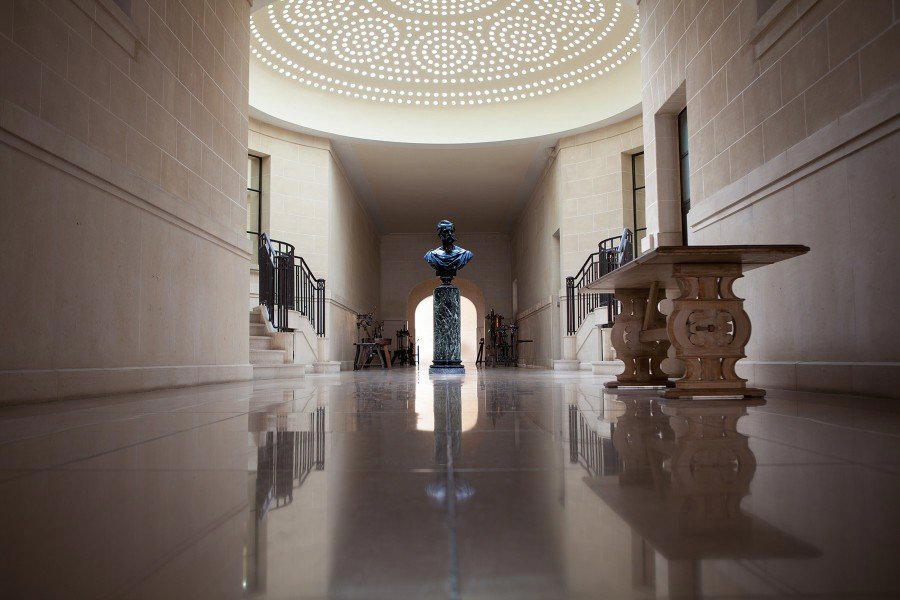
Hushed, cozy interior with exposed stone walls, dark cherry wooden counter, warm lighting, and monastic calm.