


Hakuba Paris places Japanese multi-course discipline inside the Louvre-side dining circuit, with Takuya Watanabe’s name giving the room immediate seriousness among the city’s high-end Japanese addresses. Its recognition from Michelin, La Liste and Opinionated About Dining puts it in the narrow Paris tier where kaiseki structure, French luxury expectations and counter-level precision meet.
Pearl is the En Primeur Club membership app — saves, bookings, and concierge access live there. Same editors, same standards.
- Address
- 8 Quai du Louvre, 75001 Paris, France
- Phone
- +33 1 79 35 51 20
- Website
- chevalblanc.com
- Directions
- Get directions
 Saves & bookings on Pearl
In Paris, the approach to Hakuba carries a particular city tension: urban atmosphere outside, controlled quiet inside, and a dining culture that asks guests to slow down rather than scan a long à la carte menu. The city often favours grand gestures, but serious Japanese dining in Paris can also move in the opposite direction. The signal is restraint: course order, temperature, pacing, negative space on the plate, and service that treats silence as part of the composition.
Japanese restaurants in Paris now occupy distinct lanes: luxury-counter sushi, polished Japanese rooms, izakaya-adjacent addresses for repeat weekday use, and a smaller group built around seasonal, composed dining. Hakuba belongs to the more formal end of that field. Its point is not simply Japanese food in Paris, but the translation of a Japanese table into a city already fluent in tasting-menu ceremony, wine service and long-form dining.
Japanese discipline in a city trained by dégustation menus
Japanese fine dining can be misunderstood in Europe when reduced to delicacy or minimalism. At its strongest, the experience is structural more than decorative: a meal progresses through rhythm, temperature, season and proportion, each course carrying a role rather than competing for attention. Paris gives that format a receptive audience because French fine dining has long trained guests to read sequence, sauce, texture and service choreography. The difference is emphasis. A French dégustation often builds through richness and technical display; Japanese restraint more often makes the interval between elements matter.
Hakuba’s associations are significant without turning the story into biography. Paris already has a deep Japanese culinary class, from casual specialists to omakase counters and more formal rooms, but Hakuba sits in the serious end of the conversation. Recognition followed quickly: La Liste Top Restaurants scored the restaurant at 92.5 points in 2025 and 92 points in 2026, while Opinionated About Dining ranked it #286 in Europe for 2025. Michelin moved the restaurant from a Plate in 2024 to a starred listing in 2025, a useful marker of how fast the room entered the city’s fine-dining map.
The competitive set matters because Paris is not short of Japanese luxury. Jin and Sushi Yoshinaga speak to the high-end sushi lane, Ogata brings a broader Japanese cultural frame, and Marie Akaneya sits in a different Japanese premium category. Hakuba’s distinction is format discipline: not a sushi counter first, not only a glossy Japanese room, and not a casual specialist address. Its appeal sits in the composed arc, where the measure is coherence rather than one trophy dish.
Paris Japanese dining has moved beyond novelty
For years, Japanese dining in Paris was often discussed through technique: knife work, sourcing, rice, broth, grill, tempura batter. That still matters, but the sharper shift is confidence. The city no longer treats Japanese fine dining as an imported category needing explanation. Diners now sort restaurants by subgenre and mood: casual specialists, more formal Japanese registers, polished international rooms, and skewered frying culture at Bon Kushikatsu. Other Paris dining rooms can be useful comparisons for readers thinking specifically about ceremony, formality and Japanese tradition.
Hakuba enters that field at the luxury end, but the useful question is not whether it is expensive or decorated; it is what kind of evening it suits. This is for diners who want the meal to unfold as a composed sequence, not those building dinner around a favourite roll, large platter, or chef’s-table performance. The reward is cumulative control: how a serious Japanese meal can make small adjustments feel consequential, especially in Paris, where the audience is used to long meals but not always Japanese restraint.
The Paris location sharpens the contrast. The city can flatten restaurants into occasion dining, with setting doing too much work. Here, the stronger read is category placement. The room belongs with Paris addresses where Japanese craft is treated as a complete dining system rather than a stylistic overlay. For travellers building a trip around food, that matters more than proximity to any monument.
Who should choose it, and how to frame the evening
Hakuba is best read as a composed Japanese Paris dinner for guests who already enjoy structured meals. The format favours attention: pacing, quiet shifts in preparation, and the cumulative effect of courses rather than a single centrepiece. Diners seeking a loose, social Japanese night may prefer the city’s more casual specialists; diners comparing Paris’s luxury Japanese rooms should place this closer to the formal, seasonal side of the spectrum.
The awards trail gives a practical clue. La Liste’s scores and the OAD European ranking show the restaurant being measured against serious international dining rooms, not just neighbourhood Japanese options. Michelin recognition adds mainstream visibility. Those signals do not guarantee a specific pleasure, but they clarify expectations: precision, ceremony, and a level of ambition aligned with the city’s high-end Japanese dining tier.
For broader planning, use our full Paris restaurants guide to place Hakuba beside the city’s French tasting menus, Japanese counters and specialist rooms. Travellers pairing dinner with a stay can cross-check our full Paris hotels guide, while aperitif and late-evening planning sits better in our full Paris bars guide. The wider city index also covers our full Paris wineries guide and our full Paris experiences guide, useful for travellers treating the city as a multi-day cultural itinerary rather than a single dinner booking.
Readers comparing Japanese dining beyond Paris can map the category outward through other serious dining rooms in major international cities. Within France, the broader restaurant file ranges across regional destinations and resort towns as well as Paris. The point is not sameness; it is calibration. Hakuba Paris belongs to the end of the map where a meal is judged by sequence, discipline and cultural translation, rather than abundance or novelty.
A Quick Peer Check
Nearby venues at a similar price tier for orientation.
| Venue | Cuisine | Price | Awards | Notes |
|---|---|---|---|---|
| HakubaThis venue — the venue you are viewing | Japanese Kaiseki-Sushi Omakase | $$$$ | Michelin 2 Star | Not listed |
| Le Jules Verne | Modern French Fine Dining | $$$$ | Michelin 2 Star | Gros-Caillou |
| L'Orangerie | Modern French Pescatarian Fine Dining | $$$$ | Michelin 2 Star | Île Saint-Louis |
| Marsan par Hélène Darroze | Modern French Fine Dining | $$$$ | Michelin 2 Star | Notre-Dame-des-Champs |
| Blanc | Modern French Fine Dining | $$$$ | Michelin 2 Star | Paris central |
| Les Ambassadeurs | Classic French Bistro | $$$$ | World's 50 Best #45 | Faubourg Saint-Honoré |
Recognition history
Dated appearances from independent guides and award organizations, with the underlying list record or original source where available.
La Liste Top Restaurants
La Liste
Michelin 2 Stars
Michelin
Opinionated About Dining Top Restaurants in Europe Highly Recommended
Opinionated About Dining
La Liste Top Restaurants
La Liste
Michelin 1 Star
Michelin
Opinionated About Dining Top Restaurants in Europe Ranked #286
Opinionated About Dining
Michelin Plate
Michelin
Continue exploring
More in Paris
Restaurants in Paris
Browse all →
Bars in Paris
Browse all →
Hotels in Paris
Browse all →



At a Glance
- Elegant
- Intimate
- Sophisticated
- Minimalist
- Date Night
- Special Occasion
- Business Dinner
- Chefs Counter
- Open Kitchen
- Hotel Restaurant
- Extensive Wine List
- Sake Program
- Sommelier Led
Current opening hours
- Monday
- Closed
- Tuesday
- 6:30–9:30 PM
- Wednesday
- 6:30–9:30 PM
- Thursday
- 6:30–9:30 PM
- Friday
- 6:30–9:30 PM
- Saturday
- 6:30–9:30 PM
- Sunday
- Closed
Hours can change for holidays and private events. Last verified .
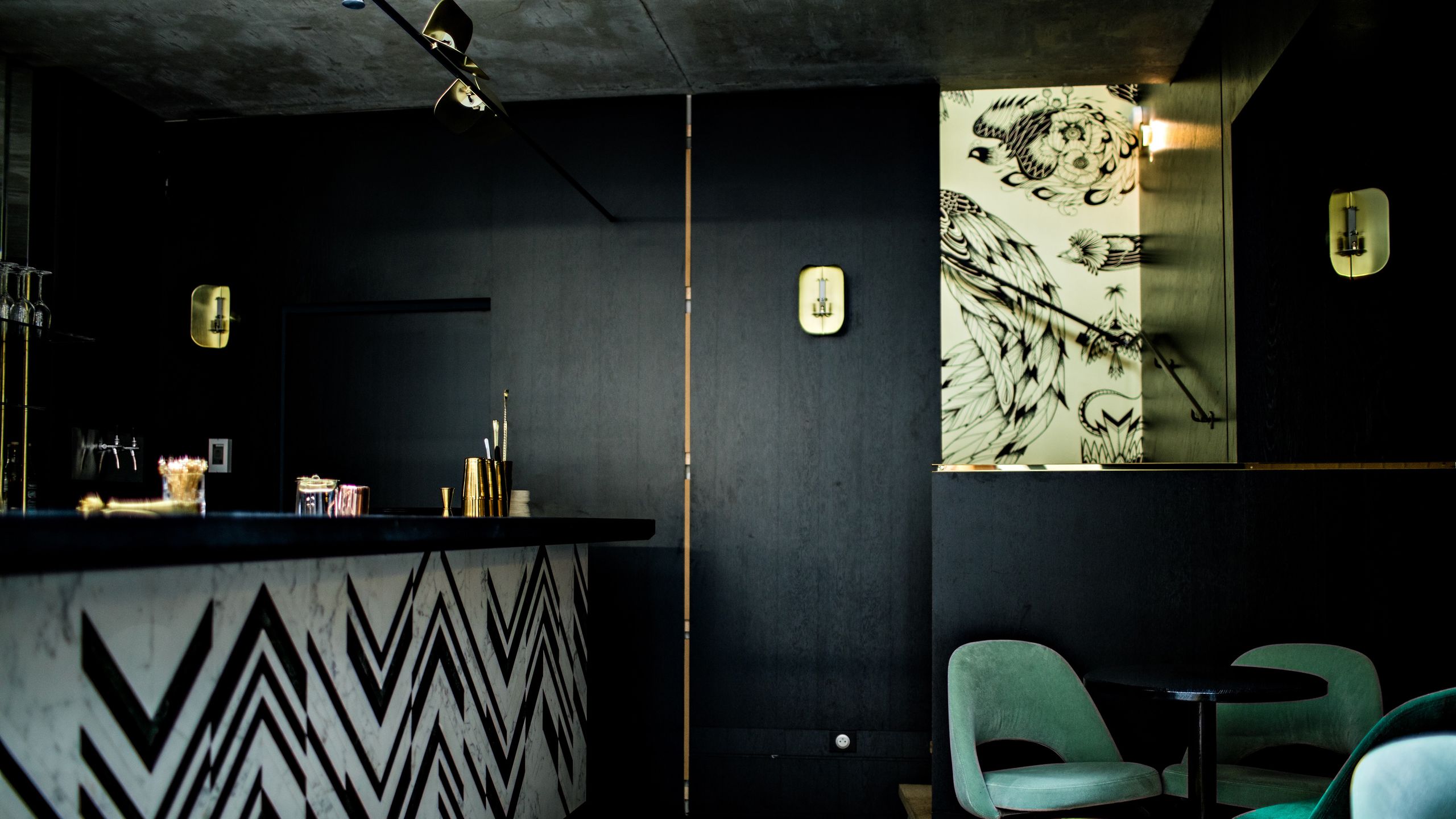
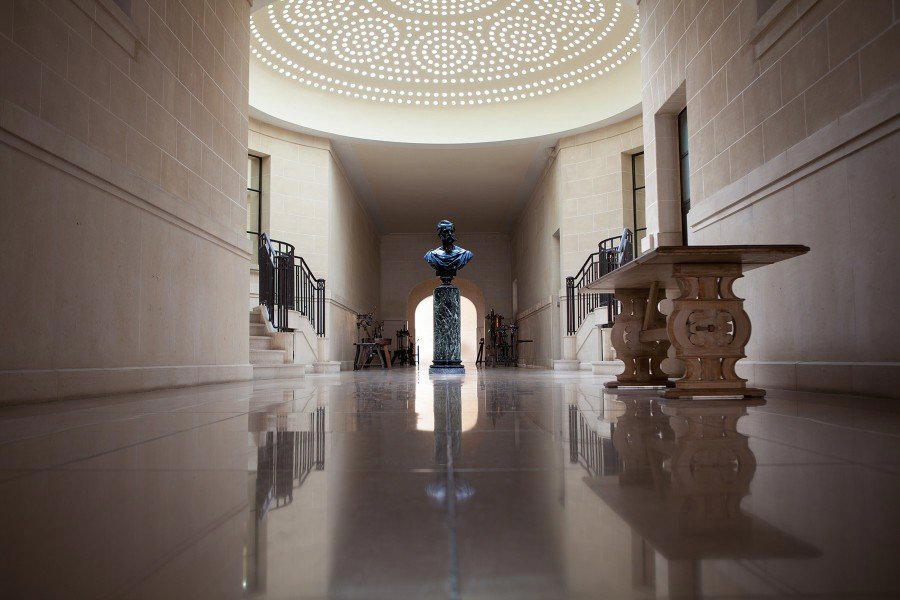
Dimmed lighting, sober minimalist decor with dark woods evoking Japanese forest, serene and contemplative atmosphere focused on the culinary performance at the counter.