
A Michelin Plate holder in Paris's 17th arrondissement for two consecutive years, Rooster on Rue Cardinet brings modern cuisine to a neighbourhood more often associated with residential calm than destination dining. It occupies the thoughtful, mid-premium tier of the Paris dining scene, where cooking ambition and ethical sourcing increasingly define the conversation.
Pearl is the En Primeur Club membership app — saves, bookings, and concierge access live there. Same editors, same standards.
- Address
- 137 Rue Cardinet, 75017 Paris, France
- Phone
- +33 1 45 79 91 48
- Website
- rooster-restaurant.com
- Directions
- Get directions
 Saves & bookings on Pearl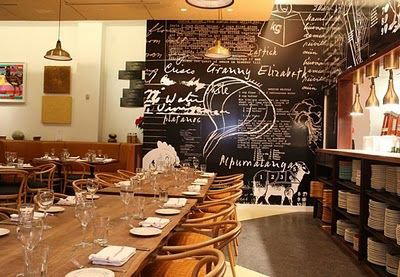
The 17th and the Rise of Neighbourhood Modern Cuisine
Paris's dining geography has always favoured certain postcodes. The 8th arrondissement houses the grand €€€€ addresses, the Alléno-level rooms at Pavillon Ledoyen, the Four Seasons kitchens at Le Cinq, where price and ceremony are part of the proposition. But over the past decade, a quieter shift has redistributed serious cooking into residential arrondissements where rents are lower, neighbourhood loyalty runs deep, and chefs can operate with less theatrical pressure. The 17th is one of those zones, and Rue Cardinet, running north through Batignolles, has accumulated a collection of addresses that reward the walk from the Métro.
Rooster, at number 137, sits inside this pattern. That distinction matters more than it used to. The Plate, reintroduced by Michelin in 2016 to recognise kitchens producing good food without the full star criteria, has become a useful signal in a city where the mid-premium tier is crowded and differentiation is hard to read from the outside.
Where Rooster Sits in the Paris Mid-Premium Field
At €€€ pricing, Rooster occupies the band below the city's starred establishments but above the casual neighbourhood bistro. In Paris, that middle tier is where interesting cooking decisions get made. The constraints of the €€€ price point demand that sourcing be selective rather than exhaustive, that menus move with the market, and that every course justify its place without the safety net of luxury ingredients as a shorthand for quality. Venues like Accents Table Bourse and Anona operate in comparable territory, each using the structural limitations of the price tier to push more disciplined, ingredient-led menus.
9 across 1,422 reviews is an unusually consistent signal for a Paris restaurant at this level. The city's dining public is not generous with five-star ratings; the cultural expectation of critical engagement in French food culture tends to compress scores across the board. Sustaining a 4.9 over more than a thousand reviews suggests that the gap between expectation and execution is consistently small, which is a harder thing to maintain than a single strong season.
Sustainability as Craft: The Ethical Sourcing Turn in Modern Paris Kitchens
Modern cuisine as a category has evolved its own internal language around sustainability, but in Paris specifically, that evolution has followed a distinct trajectory. The French kitchen's historic relationship with terroir, seasonal rotation, and whole-animal cooking gave it a structural head start on sustainability conversations that were still being invented in other food cultures. What changed in the 2010s and 2020s was the formalisation of that instinct: sourcing became a stated position rather than a background assumption, waste reduction became a menu discipline rather than a cost management tool, and producers gained visible credit alongside the chef.
Restaurants operating in the €€€ modern cuisine tier of Paris, which is exactly where Rooster sits, have been among the more active participants in this shift. The economics help explain why: without the budget for luxury ingredients as a structural crutch, kitchens in this bracket tend to develop tighter relationships with a smaller set of suppliers, using more of each delivery and building menus around what those producers can actually provide in a given week. That approach aligns naturally with waste reduction and ethical sourcing, not as a marketing position, but as a practical operating logic.
Across the French culinary tradition more broadly, this thinking connects to a lineage of kitchens that have treated environmental responsibility as part of craft. Bras in Laguiole has documented its relationship with the Aubrac plateau for decades. Flocons de Sel in Megève uses alpine proximity as both a sourcing and an identity framework. Even at the three-star level, Mirazur in Menton has integrated biodynamic calendar thinking into its menu rotation. These are not isolated cases; they represent a shift in what French fine dining considers part of the job. Rooster, operating within this broader conversation, belongs to the generation of Paris kitchens where these questions are already baked into the kitchen's operating assumptions rather than treated as a separate programme.
Internationally, the modern cuisine category has produced particularly documented sustainability kitchens. Frantzén in Stockholm and its extension FZN by Björn Frantzén in Dubai have both built sourcing visibility into their guest experience. The difference in Paris is that the conversation is filtered through a tradition that was already close to its producers before the sustainability label existed.
The Batignolles Context
Rue Cardinet runs through the Batignolles quarter, a neighbourhood whose dining character has shifted over the past fifteen years from local-service cafés to a more deliberate mix of wine bars, produce-focused kitchens, and a handful of restaurants with cooking ambitions that exceed their immediate surroundings. The area's market culture, centred on the Marché Batignolles on Boulevard des Batignolles, has historically kept producer relationships close and seasonal awareness high among local restaurants. Rooster operates in a neighbourhood where the sourcing conversation is not new; the market has been holding it for years.
That geographic context is worth noting for visitors calibrating Paris dining across multiple arrondissements. The 17th does not deliver the density of the 6th or the spectacle of the 8th, but Batignolles specifically offers a more legible version of neighbourhood Paris: fewer tourists, a clientele with strong repeat habits, and restaurants that earn loyalty over time rather than through single-visit destination dining. Comparable neighbourhood address dynamics play out at Amâlia in other parts of the city, and at Auberge de Montfleury further from the centre. The logic is consistent: depth of local engagement tends to produce more honest cooking.
For visitors building a multi-night Paris dining itinerary, the 17th addition makes particular sense alongside a broader programme. Our full Paris restaurants guide maps the city's dining options by arrondissement and tier. Rooster's Michelin Plate status and €€€ price point place it as a dinner that delivers serious cooking without the ceremonial weight or advance booking pressure of the city's starred rooms. For the rest of a Paris stay, our full Paris hotels guide, bars guide, wineries guide, and experiences guide cover the full itinerary.
Planning Your Visit
Rooster is located at 137 Rue Cardinet, 75017 Paris. The nearest Métro stops are Malesherbes (line 3) and Brochant (line 13), both within a short walk. Booking ahead is advisable, particularly for evening sittings midweek and all weekend slots.
Quick reference: 137 Rue Cardinet, 75017 Paris | Modern French Bistro | €€€ | Google 4.9 (1,422 reviews)
Recognition, Side-by-Side
Comparable venues nearby, for context on price, style, and recognition.
| Venue | Cuisine | Price | Awards | Notes |
|---|---|---|---|---|
| RoosterThis venue — the venue you are viewing | Modern French Bistro | $$$ | Michelin Plate | Not listed |
| Bistrot Marloe | Classic French Bistro | $$$ | Michelin Plate | 8th Arrondissement |
| 24 - Le Restaurant | Modern French Bistro | $$$ | Michelin Plate | 8th Arr. - Élysée |
| Anicia, table nature | Modern French Bistro with Haute-Loire Terroir | $$$ | Michelin Plate | 6th arrondissement |
| LAVA - Cuisine & Vin | Modern French Flame-Grilled Bistro | $$$ | Michelin Plate | Latin Quarter |
| Phébé | Traditional French Bistro | $$$ | Michelin Plate | 17th arrondissement (Plaine de Monceaux) |
Recognition history
Dated appearances from independent guides and award organizations, with the underlying list record or original source where available.
Michelin Plate
Michelin
Michelin Plate
Michelin
Michelin Plate
Michelin
Continue exploring
More in Paris
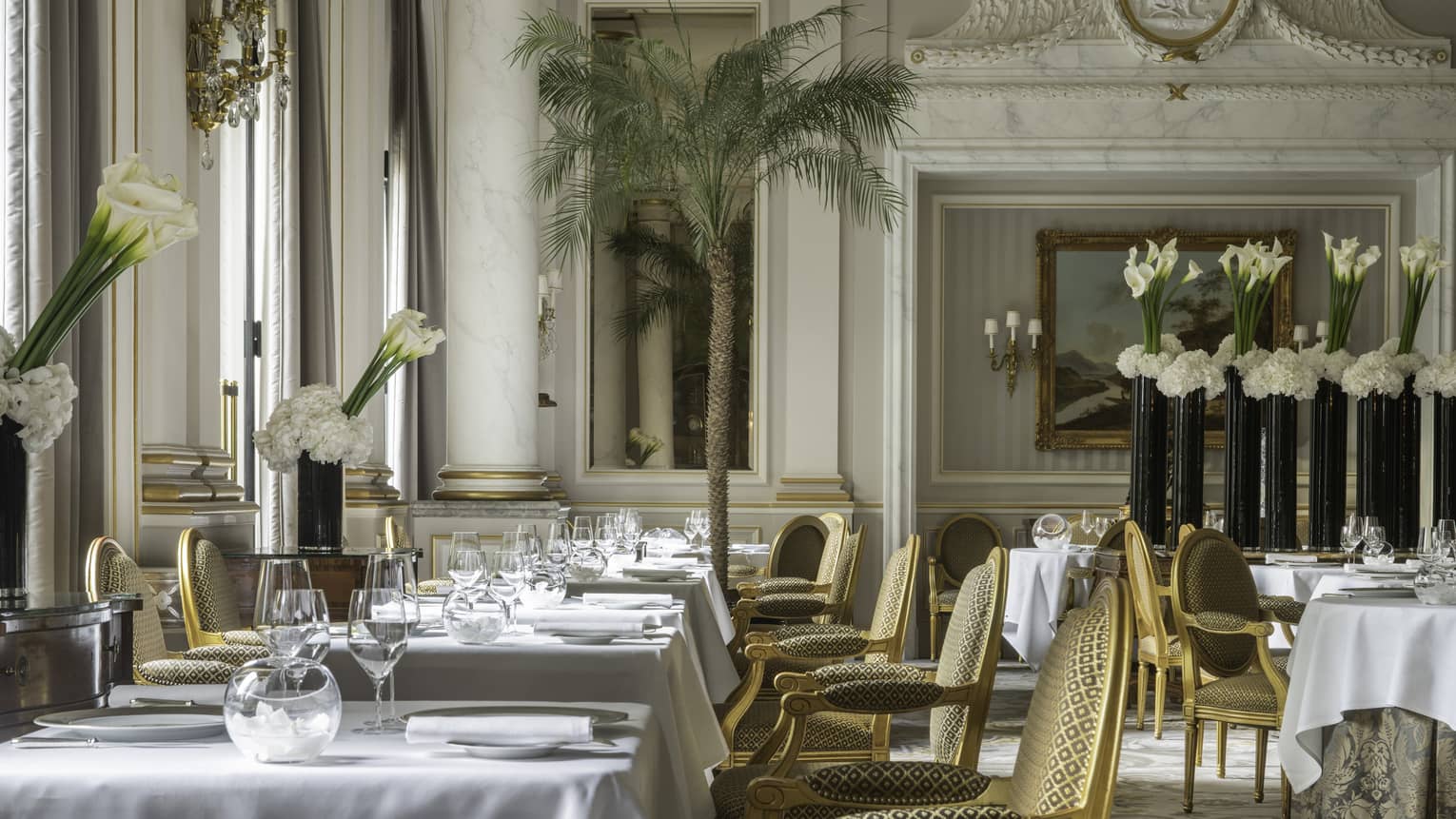
Restaurants in Paris
Browse all →
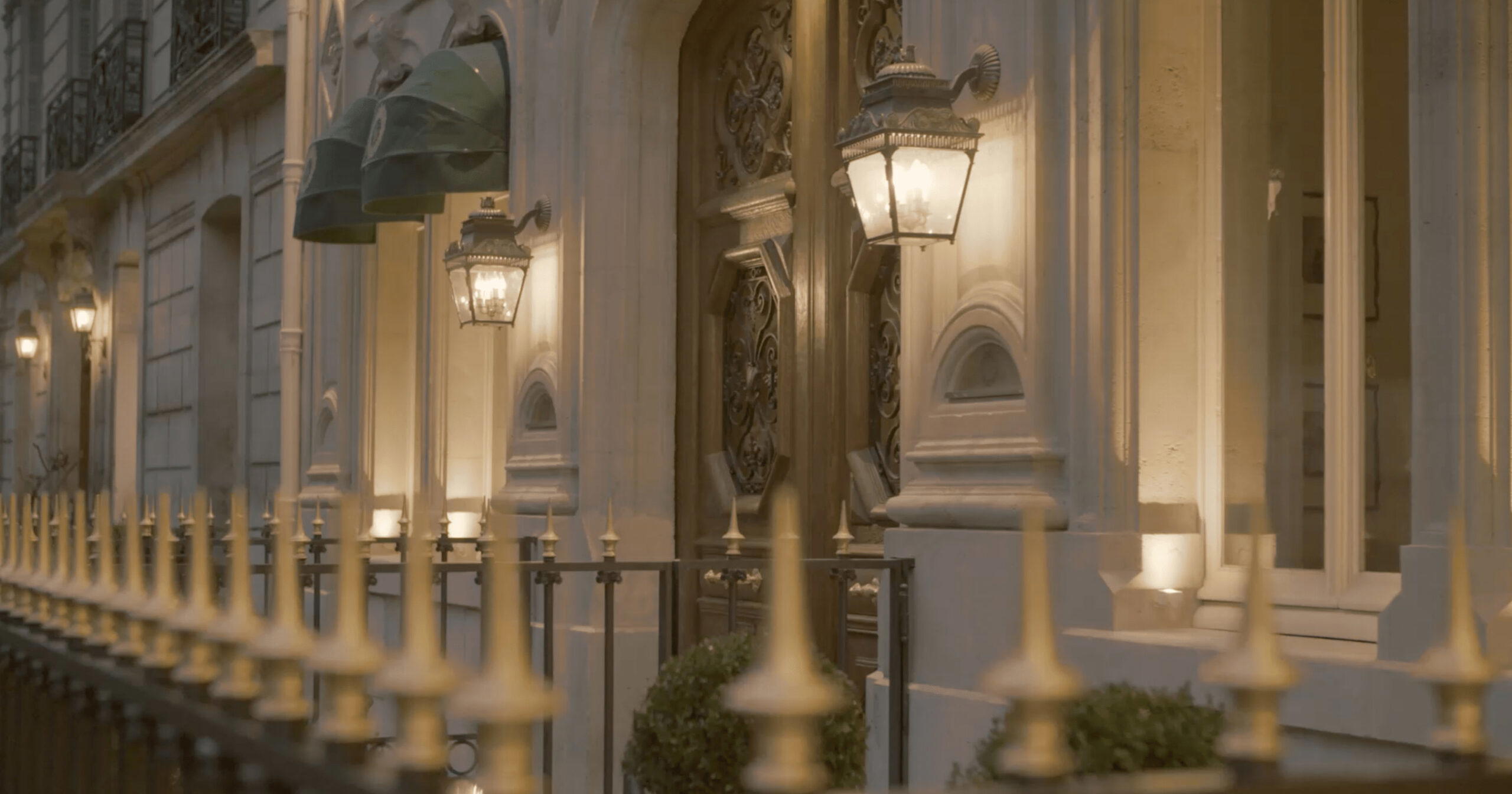
Bars in Paris
Browse all →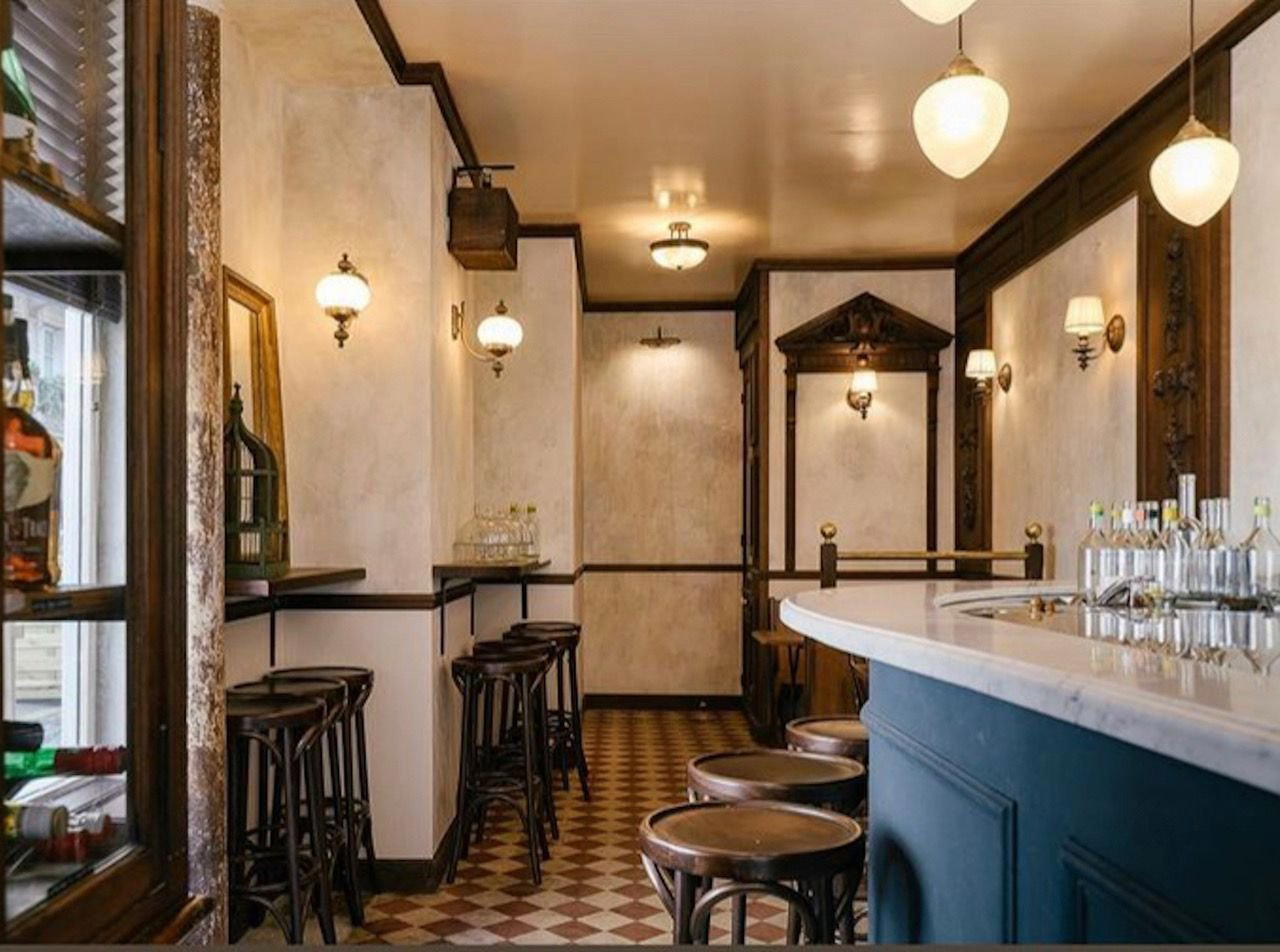
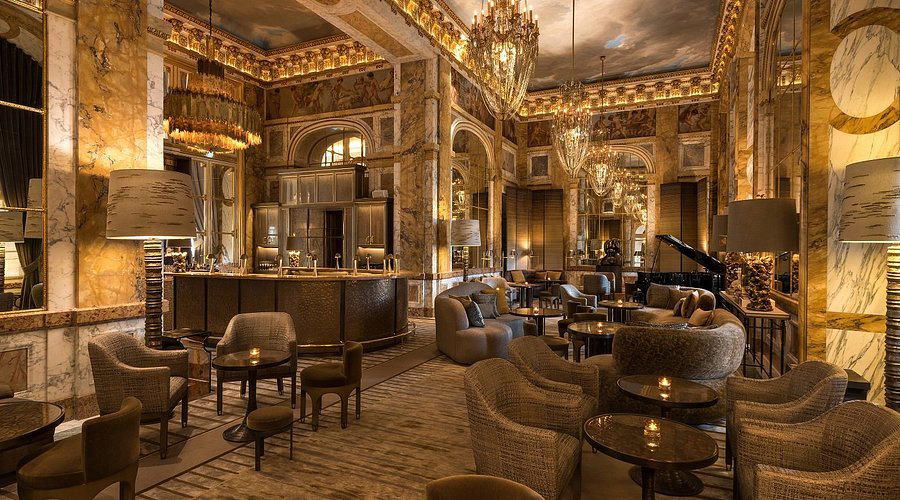
Hotels in Paris
Browse all →



At a Glance
- Cozy
- Modern
- Elegant
- Intimate
- Date Night
- Business Dinner
- Special Occasion
- Open Kitchen
- Extensive Wine List
Current opening hours
- Monday
- 12:15–1:45 PM, 7:15–9:45 PM
- Tuesday
- 12:15–1:45 PM, 7:15–9:45 PM
- Wednesday
- 12:15–1:45 PM, 7:15–9:45 PM
- Thursday
- 12:15–1:45 PM, 7:15–9:45 PM
- Friday
- 12:15–1:45 PM, 7:15–9:45 PM
- Saturday
- 7:30–9:30 PM
- Sunday
- Closed
Hours can change for holidays and private events. Last verified .
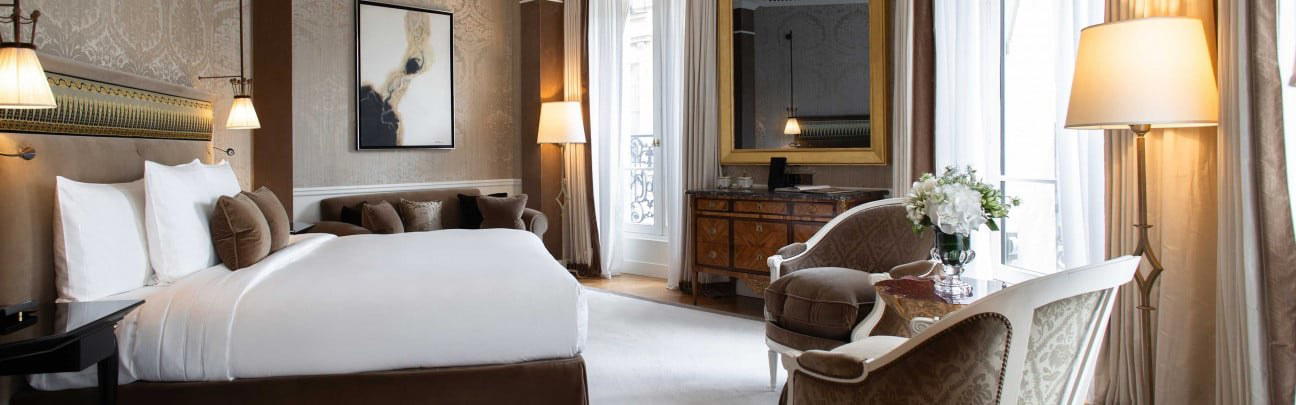
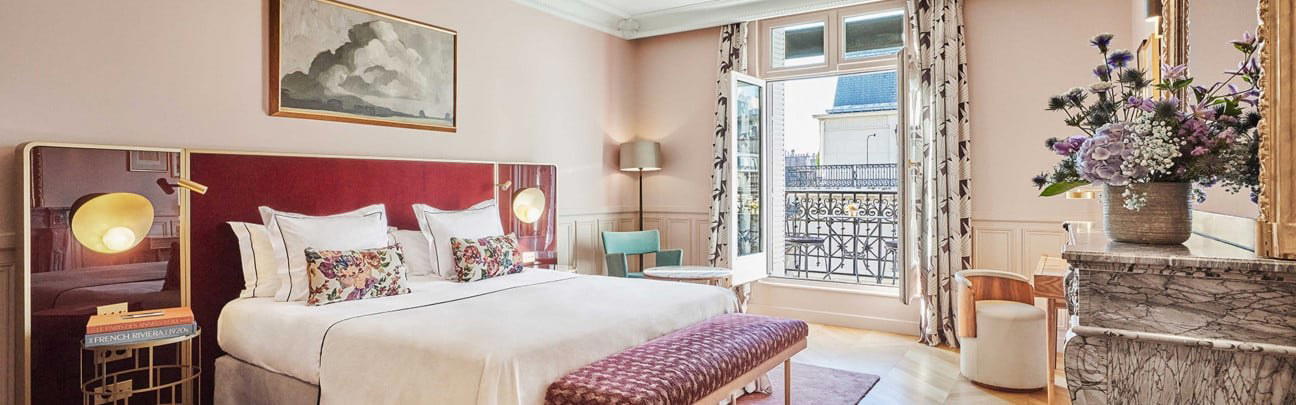
Cozy and inviting with hipster-inflected Brooklyn-meets-Provence chic, featuring retro lighting, Scandinavian furniture, and warm professional service.