




Sushi Yoshinaga earned two Michelin stars in 2025, rising from one star the year prior, making it one of the faster-climbing Japanese counters in Paris. Chef Tomoyuki Yoshinaga works the counter in the 2nd arrondissement, where live preparation and direct chef-to-guest interaction define the format. La Liste placed it in its Notable category with 77 points in 2026.
Pearl is the En Primeur Club membership app — saves, bookings, and concierge access live there. Same editors, same standards.
- Address
- 27 Rue du 4 septembre, 75002 Paris, France
- Phone
- +33 7 57 81 46 46
- Website
- sushiyoshinaga.com
- Directions
- Get directions
 Saves & bookings on Pearl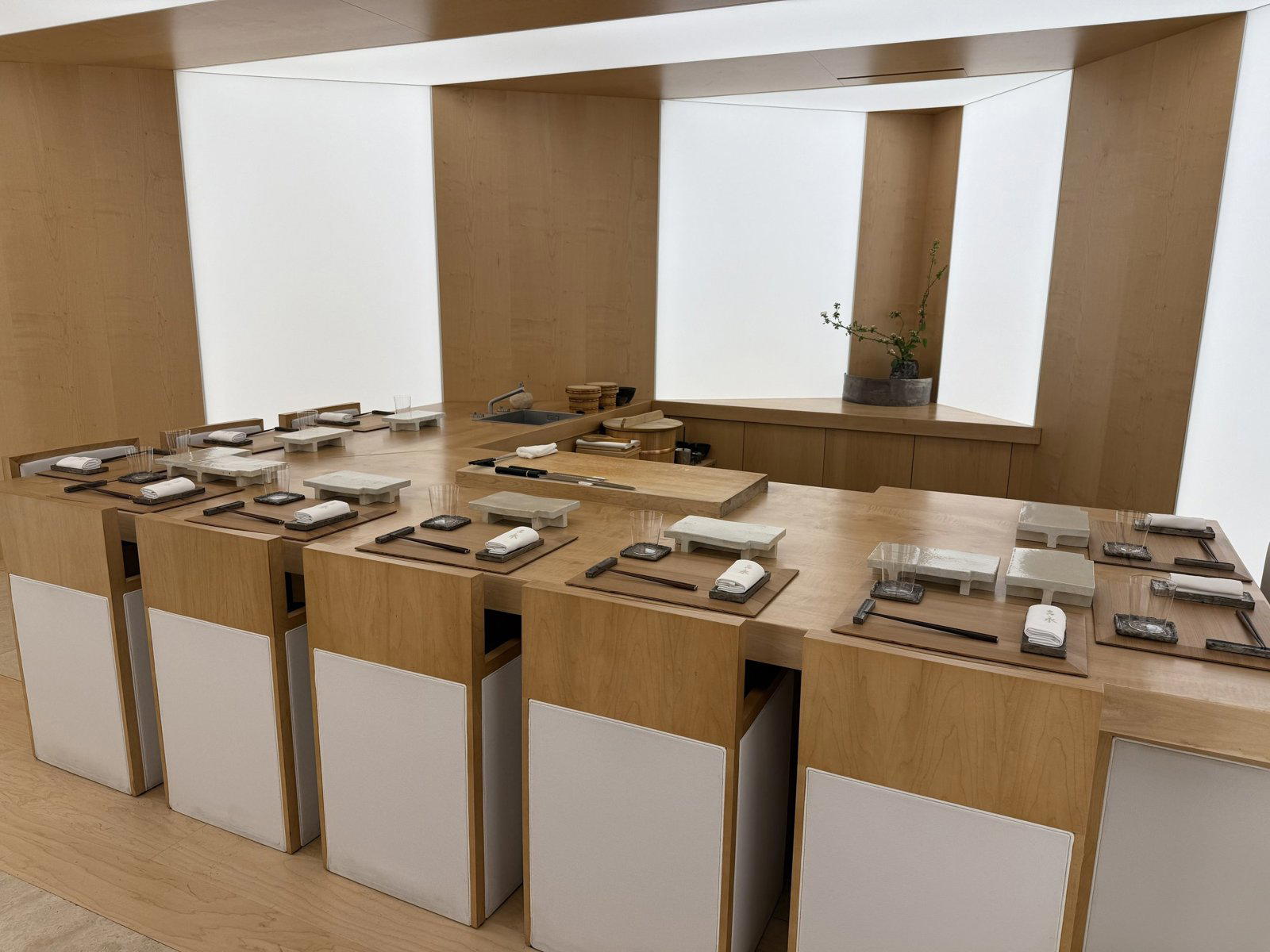
Paris and the Omakase Counter: How the City's Japanese Scene Arrived Here
Paris has been building a credible Japanese fine-dining tier for over two decades, but the last four years have seen the pace accelerate. A cluster of counter-format restaurants, several now holding Michelin recognition, has shifted the conversation from novelty to genuine critical weight. Within that grouping, Sushi Yoshinaga, on Rue du 4 Septembre in the 2nd arrondissement, made one of the more notable moves in recent memory: two Michelin stars in 2025. That kind of sequential recognition rarely happens by accident, and it tells you something about how Paris is now assessing Japanese counter dining against international benchmarks, not just local ones.
The address puts the restaurant inside the Bourse district, a neighbourhood better known for finance than gastronomy but increasingly a destination for precisely this kind of specialist, format-led dining. Guests arriving from the Opéra quarter or from the Marais find themselves in a stretch that lacks the theatrical setting of, say, the 8th arrondissement's grand-hotel restaurants, but that plainness is part of the point. The attention is meant to be on what happens at the counter.
The Counter as Stage: Live Preparation and the Logic of Omakase
Japanese counter dining in Paris occupies a specific place in the city's broader restaurant hierarchy. Where the leading tables at places like L'Abysse au Pavillon Ledoyen deliver Japanese-inflected fine dining through a French architectural frame, the omakase counter format operates differently. The chef's position is central and visible. Preparation is not hidden behind kitchen doors but performed in direct sightline of the guest. Every cut, every brushstroke of nikiri soy, every hand-formed nigiri is part of the encounter.
This is not theatre in the decorative sense. It is a functional transparency that changes how a meal is experienced. The guest watches the sequencing decisions being made in real time: which fish comes next, how long a piece rests before being served, when temperature contrast is being deliberately introduced. The format demands a different kind of attention from the diner than a conventional tasting menu, and it rewards that attention with a level of intimacy between preparation and consumption that a brigade-style kitchen cannot replicate.
At the two-star level, this counter dynamic takes on additional pressure. The benchmarks shift. Paris diners with access to comparable counters in Tokyo, at restaurants like Myojaku or Azabu Kadowaki, bring those reference points with them. The ingredients, the sourcing, the precision of each form decision are measured against a global standard, not a local one. Holding two stars in this context is a claim that the counter at Rue du 4 Septembre operates within that international comparable set.
Chef Tomoyuki Yoshinaga and What the Trajectory Signals
Chef Tomoyuki Yoshinaga's trajectory signals a counter defined by technical precision and consistency. What matters about Chef Tomoyuki Yoshinaga, for a reader making a booking decision, is what his professional trajectory implies about the counter's technical orientation and competitive positioning. A Paris-based Japanese chef earning sequential Michelin recognition in consecutive years is demonstrating consistency under close inspector scrutiny, which in the omakase format means the standard of each individual piece of nigiri, the temperature and texture calibration, and the coherence of the sequence as a whole.
Paris has other Japanese restaurants worth serious attention. Chakaiseki Akiyoshi approaches Japanese fine dining through the kaiseki tradition rather than the sushi counter format. Hakuba and Aida each operate within different registers of Japanese cooking. Abri Soba takes a completely different position, focused on the precision craft of a single noodle tradition. Sushi Yoshinaga's positioning within this grouping is as the city's clearest example of the high-commitment omakase counter at two-star level.
Paris in the Broader Frame: Where This Counter Sits Against the City's Leading Tables
The €€€€ price range places Sushi Yoshinaga in the same spending tier as Paris's most recognised French restaurants. At about $330 per person, it sits firmly in the highest pricing bracket. Contemporaries like Flocons de Sel in Megève, Mirazur in Menton, or Troisgros - Le Bois sans Feuilles operate within France's most scrutinised fine-dining tier. So do the Paris institutions: Paul Bocuse - L'Auberge du Pont de Collonges, Bras in Laguiole, and Auberge de l'Ill in Illhaeusern represent the deep roots of the French tradition against which any serious table in the country is ultimately measured.
The fact that a Japanese counter in the 2nd arrondissement now prices and competes at the same level as that tradition is itself a statement about how Paris's fine-dining market has evolved. A decade ago, the city's upper-tier Japanese restaurants occupied a respected but secondary bracket. Today, Michelin's 2025 decision to award Sushi Yoshinaga two stars signals a different assessment: this is not Japanese food evaluated against French criteria but Japanese craft evaluated against the highest craft standards available, full stop.
Seasonal Timing and When to Book
Paris fine dining has pronounced seasonal rhythms. Autumn and early winter, roughly October through December, represent peak demand across the city's upper-tier tables, driven by conference season, the return of Parisian residents from August holidays, and an influx of international visitors timing trips around the cultural calendar. This pressure is most acute at counter-format restaurants, where seat counts are inherently limited and availability does not scale the way a larger dining room's does.
Arriving in Paris in late winter or early spring, by contrast, often opens up slightly more flexibility in booking windows, though at a counter with the restaurant's current recognition profile, advance planning remains essential regardless of season. The general rule for two-star Paris omakase: treat booking the same way you would for Tokyo's most sought-after counters, because the competitive set has effectively become the same.
Know Before You Go
Address: 27 Rue du 4 Septembre, 75002 Paris, France
Cuisine: Japanese (Omakase / Sushi Counter)
Price range: €€€€
Michelin recognition: Two stars (2025); one star (2024)
La Liste 2026: 77 points, Notable category
9 (159 reviews)
Booking: Reservation essential
Hours: Tue to Sat, 7 PM to 12 AM; Mon and Sun closed
What Regulars Order
The omakase format means the choice of what to order is, by design, the chef's. Regulars at a counter operating at this level are not selecting from a menu; they are deferring to the sequence Tomoyuki Yoshinaga has built for a given service. What distinguishes repeat visits at a two-star sushi counter is typically the variation within that sequence: how the chef responds to seasonal availability, how the ratio of lighter white-fleshed fish to richer, aged cuts shifts across the year, and how the pacing of the meal changes depending on the number of seats in service that evening. Guests who return frequently report the counter as the constant, and the fish as the variable that makes each sitting distinct. Given the awards trajectory and the 4.9 rating across more than 130 reviews, the consistency of that variable appears to be the point on which the restaurant's reputation rests.
Comparable Options
Comparable venues nearby, for context on price, style, and recognition.
| Venue | Cuisine | Price | Notes |
|---|---|---|---|
| Sushi YoshinagaThis venue — the venue you are viewing | Modern Omakase Sushi | $$$$ | Not listed |
| Hakuba | Japanese Kaiseki-Sushi Omakase | $$$$ | 1st arrondissement |
| Marsan par Hélène Darroze | Modern French Fine Dining | $$$$ | Notre-Dame-des-Champs |
| Les Ambassadeurs | Classic French Bistro | $$$$ | Faubourg Saint-Honoré |
| La Scène | Modern French Fine Dining | $$$$ | 8e arrondissement |
| Blanc | Modern French Fine Dining | $$$$ | Paris central |
Recognition history
Dated appearances from independent guides and award organizations, with the underlying list record or original source where available.
La Liste Top Restaurants
La Liste
Michelin 2 Stars
Michelin
Opinionated About Dining Newly Added European Restaurants
Opinionated About Dining
Opinionated About Dining Top Restaurants in Europe Recommended
Opinionated About Dining
Opinionated About Dining Top New Restaurants in Europe Ranked #19
Opinionated About Dining
Gault & Millau Remarkable Restaurant
Gault & Millau
Michelin 2 Stars
Michelin
The Best Chef One Knife
The Best Chef
Michelin 1 Star
Michelin
Continue exploring
More in Paris
Restaurants in Paris
Browse all →
Bars in Paris
Browse all →
Hotels in Paris
Browse all →
At a Glance
- Intimate
- Elegant
- Sophisticated
- Minimalist
- Date Night
- Special Occasion
- Chefs Counter
- Sake Program
Current opening hours
- Monday
- Closed
- Tuesday
- 7 PM–12 AM
- Wednesday
- 7 PM–12 AM
- Thursday
- 7 PM–12 AM
- Friday
- 7 PM–12 AM
- Saturday
- 7 PM–12 AM
- Sunday
- Closed
Hours can change for holidays and private events. Last verified .
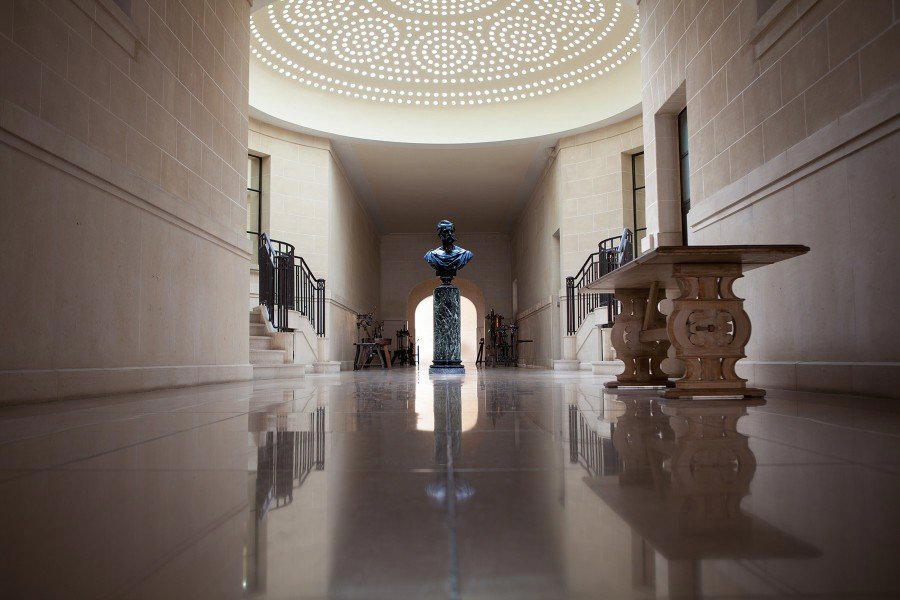
Soft lighting in a small upstairs counter room with maple wood paneling, Japanese ceramics, and a bright start that dims for the meal, creating an intimate and precise culinary performance space.