
Michelin Plate · Forbes 4-Star
Our verdict
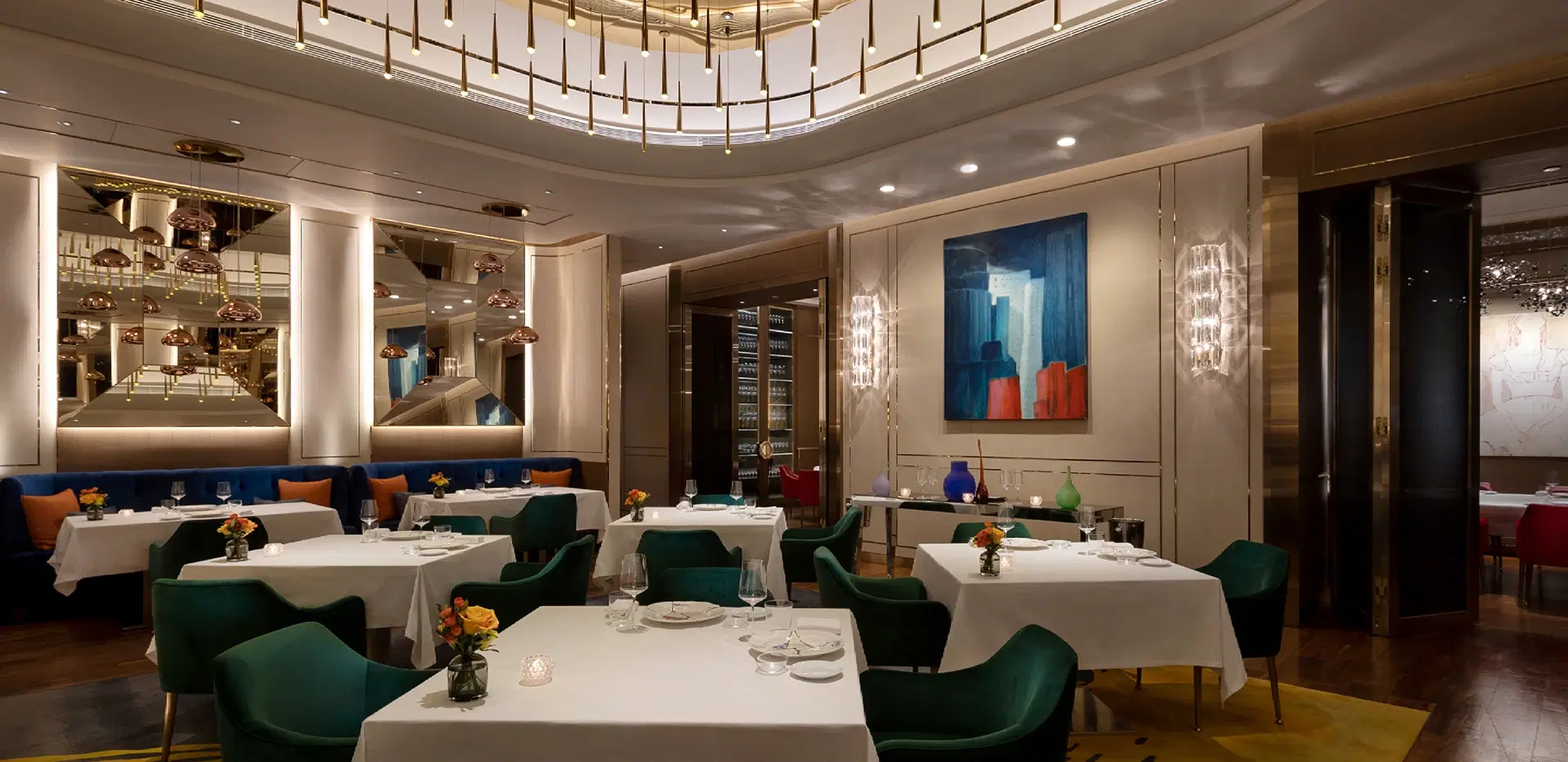
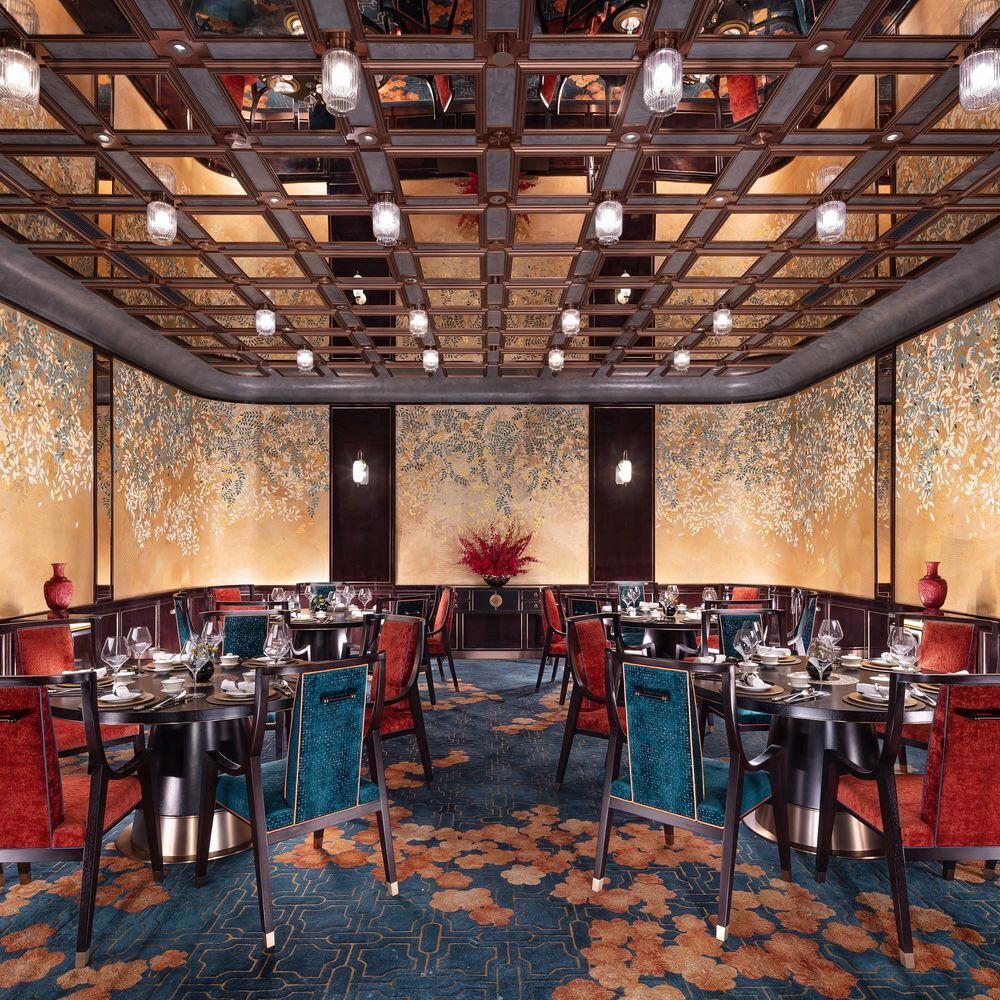
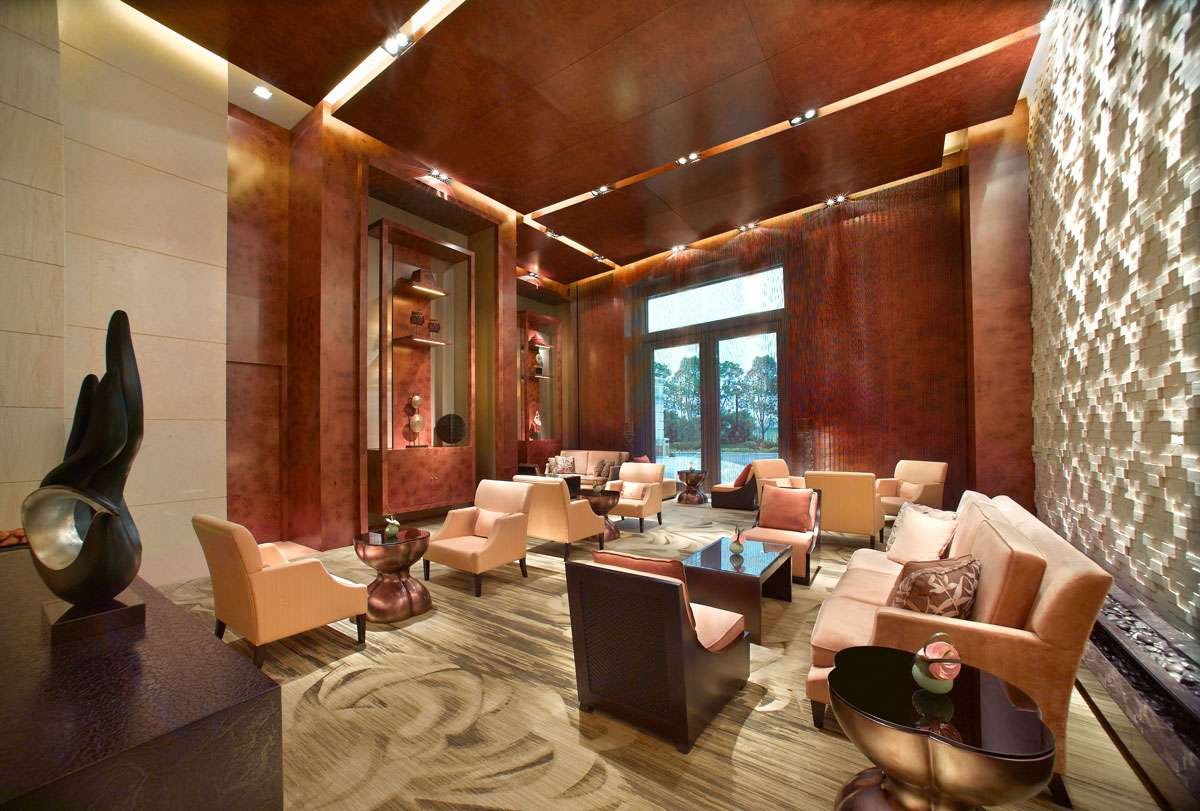
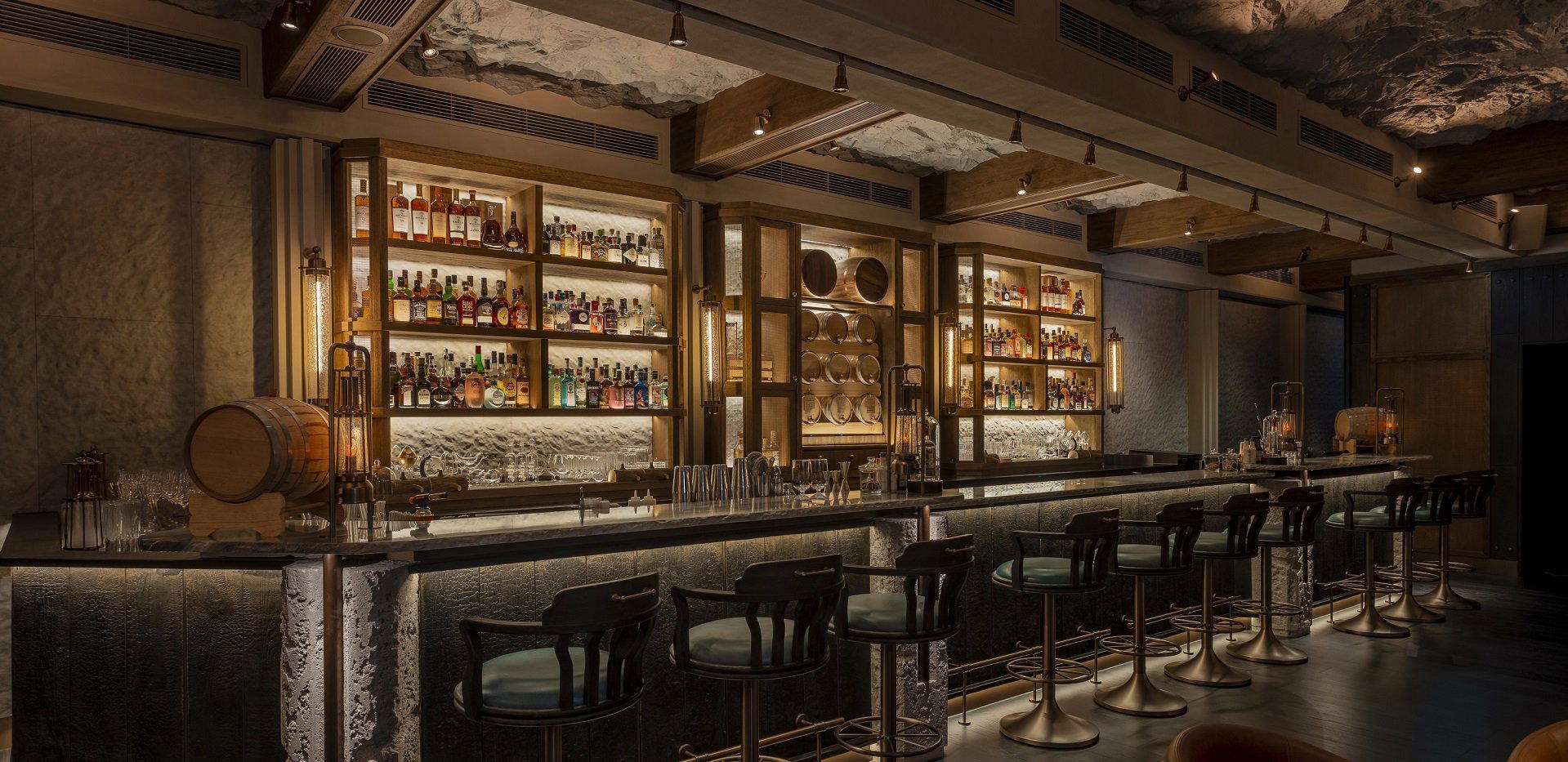
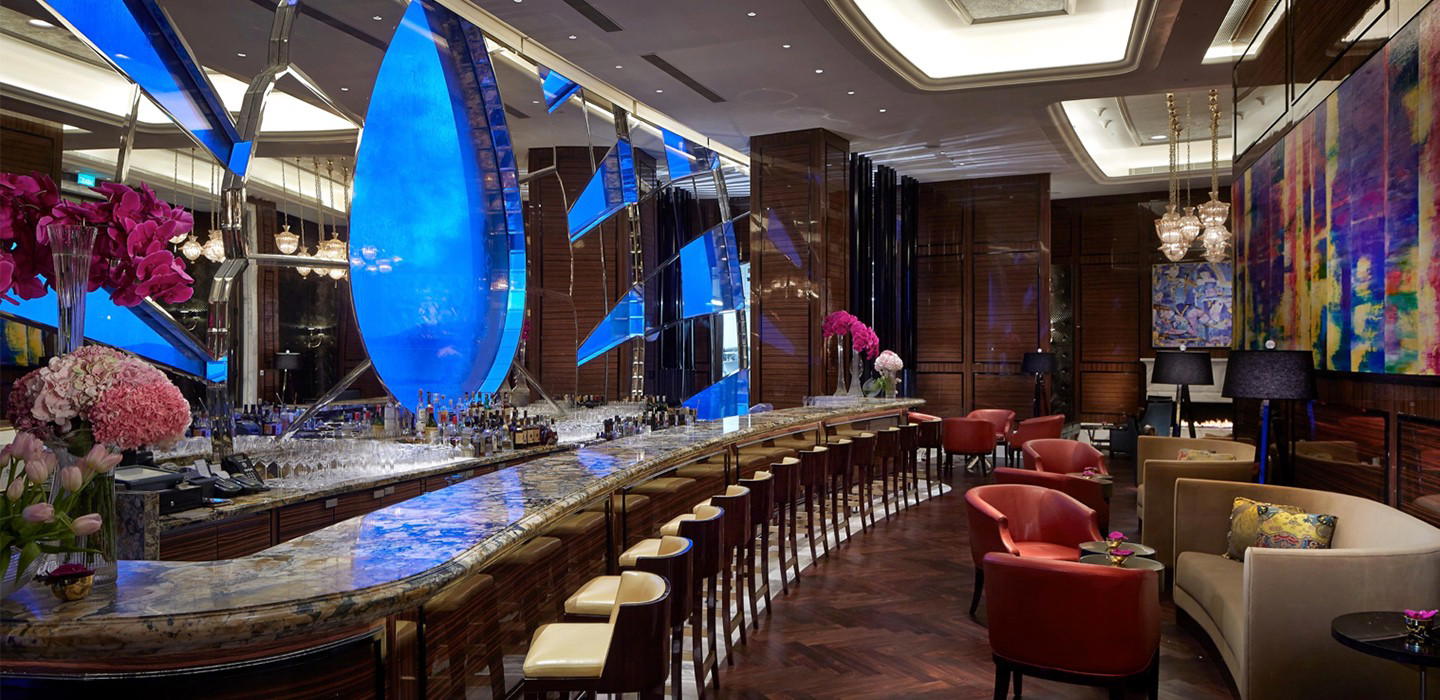
Saffron sits on the 31st floor of Banyan Tree Macau, bringing Thai cooking to a city whose fine-dining scene skews heavily Cantonese and French. A 2025 Michelin Plate recognises the kitchen's commitment to fresh herbs, springy noodles, and complex broths. At mid-range pricing, it occupies a rare niche in Macau's hotel-restaurant circuit: serious Southeast Asian food at altitude, without the grand-tasting-menu formality of its neighbours.

Pearl is the En Primeur Club membership app, where members save venues, book tables and use the concierge.
The menu
What to order
- Tom Yum soup
- Green Chicken Curry
- Pomelo Salad
- Lobster Pad Thai
Thai Cooking at Altitude in a Cantonese City
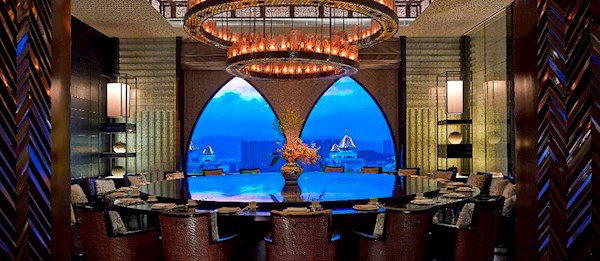
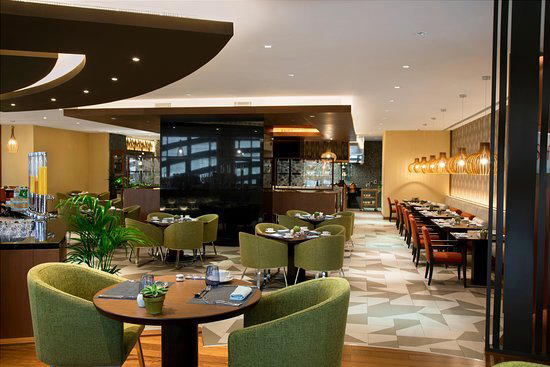
Macau's dining scene has long been organised around two gravitational poles: Cantonese tradition, represented by institutions like Jade Dragon and Chef Tam's Seasons, and European fine dining, anchored by rooms like Robuchon au Dôme and Alain Ducasse at Morpheus. Southeast Asian cuisine, despite the region's proximity, has been conspicuously thin on the ground at the upper end of the market. Saffron, on the 31st floor of Banyan Tree Macau, addresses that gap directly. The elevator opens onto a space where the city's dense skyline sits at eye level through the windows, and the kitchen's aromatic register, lemongrass, kaffir lime, galangal, arrives before you've been seated.
That combination of physical elevation and culinary specificity is not incidental. Hotel restaurants at this height in Macau tend to trade in spectacle: French tasting menus, Cantonese prestige cooking, wine lists priced for the casino circuit. Saffron's decision to plant Thai cuisine at 31 floors up says something about the confidence required to hold a regional Southeast Asian identity in that competitive context. The 2025 Michelin Plate, awarded in recognition of the kitchen's authentic approach to fresh herbs, noodles, and layered broths, suggests the room earns that positioning.
What the Menu Architecture Reveals
Thai restaurant menus, at their most functional, organise around four structural elements: soups and curries as the thermal core; salads and larb as the acidic counterpoint; grilled and fried proteins as the centre of the table; and noodle dishes as the filling foundation. The Michelin evaluators who noted springy noodles, fresh herbs, and complex broths as defining features are effectively reading that architecture accurately. These are not decorative details; they are signals about where the kitchen's energy is concentrated.
Complex broths, in particular, are labour-intensive to do correctly. A proper tom kha or tom yum is not a matter of reconstituted paste and stock; it requires aromatics added in sequence, balanced against fish sauce and palm sugar, with a finish that sits at the intersection of sour, salty, and heat without one element dominating. The fact that the Michelin note calls out broths specifically suggests the kitchen is working from that kind of technical foundation, rather than the shortcut version that passes in lower-stakes Thai restaurants across the city.
Noodle work tells a parallel story. Springy texture in Thai noodle dishes, whether pad thai, pad see ew, or a boat noodle broth, depends on wok temperature, timing, and sourcing of the noodles themselves. It is one of those benchmarks that separates kitchens running at high volume with low ingredient control from those operating with tighter discipline. At a mid-range price point (Saffron sits in the $$ tier, modest by the standards of a hotel tower that shares its address with Macau's luxury resort circuit), that level of attention to the fundamentals is not guaranteed. Here, it appears to be the baseline.
For comparison, the Thai restaurants consistently recognised at the highest level in Bangkok, including Nahm and Samrub Samrub Thai, share an emphasis on structural authenticity over presentation-led modernism. Saffron's Michelin recognition places it in that broader tradition of restaurants where the measure of success is the integrity of the dish, not its reformulation.
Saffron in Macau's Wider Dining Context
To understand what Saffron's position in the market actually means, it helps to map the broader field. Macau's hotel dining has become increasingly specialist: Aji operates in the Nikkei space at the top of the price register; Five Foot Road holds the Sichuan corner at a comparable mid-range price to Saffron; and Feng Wei Ju covers Hunan-Sichuan territory at a similar tier. What this reveals is that mid-range hotel dining in Macau has become a zone where regional specificity, rather than generic pan-Asian coverage, is the competitive strategy. Saffron's Thai focus fits that pattern.
What separates Thai cuisine from those other regional categories in this context is the herb-forward, aromatics-driven nature of the cooking, which creates a sensory profile immediately distinguishable from Sichuan heat or Cantonese restraint. A table at Saffron produces a different olfactory and flavour experience than anywhere else in the building's dining circuit, and probably anywhere else in Macau's hotel tower cluster. That distinctiveness is the restaurant's clearest competitive asset.
Visitors comparing notes on Macau's dining scene across Chinese cities might also reference how regional cuisine plays out elsewhere: Xin Rong Ji in Beijing, 102 House in Shanghai, Ru Yuan in Hangzhou, Xin Rong Ji in Chengdu, Imperial Treasure Fine Chinese Cuisine in Guangzhou, and Dai Yuet Heen in Nanjing all illustrate how hotel dining across the region increasingly commits to a specific regional identity rather than attempting breadth. Saffron's Thai singularity is part of that wider shift.
The Rating and What It Tells You
Guests who arrive tend to arrive on purpose, which tends to produce more considered assessments than a high-turnover dining room generates.
The 2025 Michelin Plate is the stronger signal. A Plate recognises cooking that is good without rising to Bib Gourmand or star level, but in Macau's context, where the Michelin guide covers a dense concentration of international restaurants competing within a small geographic footprint, a Plate is a meaningful quality floor. It places Saffron in the same recognisable quality tier as other noted restaurants in the city without implying the ceremony or pricing of a starred room. For a restaurant in the $$ bracket, that alignment between price and critical recognition is notable.
Planning Your Visit
Saffron is located at 31/F, Banyan Tree Macau, on Estrada da Baia de Nossa Senhora da Esperanca. The hotel sits in the Cotai area, accessible from either the Venetian or the main Cotai resort cluster. As a hotel restaurant, it is advisable to contact Banyan Tree Macau directly to check current hours and reservation availability, as operating schedules in hotel dining rooms can shift seasonally. The mid-range pricing makes it one of the more accessible restaurants in a tower where the full dining circuit skews toward the higher end of Macau's market. For anyone spending time across the wider dining scene, our full Macau restaurants guide covers the city's broader range, and The Mews is worth noting for a different register. Separate guides cover Macau hotels, Macau bars, Macau wineries, and Macau experiences for those building out a fuller itinerary.
Frequently asked questions
Where exactly is Saffron?
Saffron is located at 31/F, Banyan Tree Macau s/n, Estrada da Baia de Nossa Senhora da Esperanca, Macao, Macau.
What's the price range at Saffron?
Pricing at Saffron is listed as $$.
Has Saffron won any awards?
Saffron has received recognition including: Fresh herbs, springy noodles, complex broths, authentic Thai food awaits at Saffron.; Michelin Plate (2025).
What do regulars order at Saffron?
Saffron's Michelin Plate recognition in 2025 was tied specifically to its fresh herbs, springy noodles, and complex broths, the elements reviewers consistently cite as the kitchen's anchors. Those three components point toward the soup and curry end of a Thai menu, which is where the cooking typically has the most to say. Salads and larb round out the visit for those ordering across multiple courses.
How would you describe the cuisine at Saffron?
Can I walk in to Saffron?
Saffron sits on the 31st floor of Banyan Tree Macau in Cotai, a hotel-restaurant setting where walk-ins are possible during quieter periods but carry risk on weekends and during peak gaming-resort seasons. Contacting the Banyan Tree Macau directly is the most reliable way to confirm availability before making the trip up.
Style and Standing
| Venue | Cuisine | Price | Awards | Notes |
|---|---|---|---|---|
| SaffronThis venue (the venue you are viewing) | Contemporary Thai Cuisine | $50–100 | Michelin Plate · Forbes 4-Star | Not listed |
| Aji | Asian Bistronomy (Nikkei Fusion) | $50–100 | 1 Michelin Star · Wine Spectator Best of Award of Excellence | Nikkei, Innovative |
| Ying | Modern Cantonese Fine Dining | Not listed | 1 Michelin Star · La Liste Top Restaurants | Cantonese |
| Five Foot Road | Modern Sichuan Fine Dining | Not listed | 1 Michelin Star · La Liste Top Restaurants | Sichuan |
| Robuchon au Dôme | Contemporary French Fine Dining | $150–200 | 3 Michelin Stars · La Liste Top Restaurants | French Contemporary |
| Feng Wei Ju | Refined Hunan & Sichuan Chinese | Not listed | 2 Michelin Stars · La Liste Top Restaurants | Hunan-Sichuan, Hunanese |
Recognition history
Dated appearances from independent guides and award organizations, with the underlying list record or original source where available.
Michelin Plate
Michelin
Forbes 4-Star
Forbes
Full recognition history (3 entries)
Michelin Plate
Michelin