
Michelin Plate
Our verdict
Unique on Rua de Fernão Mendes Pinto in Taipa is a xiao long bao specialist, serving seven made-to-order varieties from classic pork to cheese and black truffle. Current 2026 Michelin and local sources list it open at the Taipa address with phone +853 2822 0456.

Pearl is the En Primeur Club membership app, where members save venues, book tables and use the concierge.
The menu
What to order
- Xiao long bao
The Dumpling Counter in Context
Xiao long bao occupy a specific, seriously contested position in Chinese dumpling culture. The Shanghai soup dumpling, at its core a pork-and-gelatin construction pleated into a thin wrapper, has migrated steadily across Chinese-speaking cities over the past two decades. Taipei gave it Din Tai Fung and a global franchise model. Hong Kong absorbed it into dim sum menus where Cantonese sensibility quietly adjusted the seasoning. Macau, sitting at the confluence of those two influences and its own Sino-Portuguese food history, has developed a smaller but genuinely local market for the form. Unique, operating from a ground-floor shophouse unit in the Taipa on Rua de Fernão Mendes Pinto, represents the specialist end of that local market: a focused dumpling counter rather than a broad Chinese-kitchen generalist.
The street itself runs through a residential and light-commercial quarter removed from the casino corridors and high-visibility hotel dining that defines Macau's premium food identity. That distance from the resort strip is relevant context. Macau's fine-dining scene is heavily concentrated in the integrated resorts, where Jade Dragon (Cantonese) and Chef Tam's Seasons (Cantonese) operate under Michelin scrutiny, and where Robuchon au Dôme (French Contemporary) and Alain Ducasse at Morpheus (French Contemporary) anchor the French-contemporary bracket. Unique sits in a different tier entirely, one where the measure is whether the dumplings are made well and served hot, not whether the room has a sommelier.
Seven Varieties and What They Say About the Form
The recorded offering at Unique is seven varieties of xiao long bao, made to order. That number is worth pausing on. A single-variety xiao long bao counter signals purism; seven varieties signals deliberate range. The lineup spans the traditional pork filling at one end and reaches through to novelty inclusions like cheese and black truffle at the other. This spectrum appears across Shanghai-influenced dumpling houses in greater China, particularly in markets where younger diners have grown up alongside international ingredient culture and expect modern interpretations alongside orthodox versions.
Technical execution described in the available record centres on the pleating, which is specifically noted as clean, and the soup content, which holds. Both markers are meaningful. Pleating is the visible quality signal in any xiao long bao operation: a well-trained kitchen produces consistent folds at consistent speed; a poorly trained one shows in uneven skins and lost soup. The recommendation to add chili oil is a practical flavour note that reflects how the dumplings are actually eaten in the room, not as an abstract tasting suggestion. For visitors comparing approaches, the Hunanese heat registered at Feng Wei Ju (Hunan-Sichuan, Hunanese) operates in a different register entirely, but both venues share an interest in chilli as a primary flavour tool.
The Xiao Long Bao Tradition in a Broader Chinese Dining Frame
Understanding Unique's position requires a brief account of where xiao long bao sits in Chinese culinary geography. The dumpling originated in the Jiangnan region, with Nanxiang in Shanghai's Jiading district holding the clearest claim to the form's development in the nineteenth century. The wrapper is thinner than most northern dumplings, the filling wetter, and the cooking method exclusively steam-based. The soup inside is produced by including a solid pork-skin gelatin in the raw filling, which liquefies during steaming. This is not a technique that tolerates short cuts: the gelatin ratio, wrapper thickness, steaming time, and resting period before service all interact. A venue offering seven varieties made to order is committing to a kitchen that can hold those variables across different fillings simultaneously.
Across mainland China, the xiao long bao specialist model has found traction in cities with strong Shanghainese heritage. Venues like 102 House in Shanghai and Ru Yuan in Hangzhou operate in the soup-dumpling tradition's home territory, where the benchmark is set by accumulated local memory. Macau lacks that depth of Shanghainese heritage, which means specialists here are building a local audience for a form that competes with the dominant Cantonese dim sum culture. For comparison of how premium Chinese cuisine operates elsewhere in the region, Imperial Treasure Fine Chinese Cuisine in Guangzhou and Dai Yuet Heen in Nanjing show the range of what Chinese fine dining looks like at different price and formality levels.
Current Location
Unique now operates in Taipa at 60 Rua de Fernão Mendes Pinto. Michelin lists the restaurant in its 2026 Macau Guide, and the restaurant's own Instagram lists phone +853 2822 0456. Contact the restaurant directly for current booking or walk-in details.
For Macau dining more broadly, the EP Club maintains current guides across categories: our full Macau restaurants guide covers the full spectrum from resort fine dining to neighbourhood specialists, our full Macau hotels guide addresses where to stay relative to each dining district, and our full Macau bars guide, our full Macau wineries guide, and our full Macau experiences guide complete the picture for longer visits. For context on how dumpling and noodle specialists operate in other Chinese cities, Xin Rong Ji (Xinyuan South Road) in Beijing and Xin Rong Ji in Chengdu represent the premium end of the tradition-focused Chinese restaurant in those cities.
Frequently asked questions
Where is Unique in Macau?
Unique is located at 60 Rua de Fernão Mendes Pinto, Taipa, Macau, Macau.
Is Unique award-winning?
Unique has received recognition including: Seven varieties of xiao long bao are available, ranging from the traditional pork filling to novelties like cheese and black truffle. The nicely pleated soupy dumplings are made to order and taste eve….
What should I eat at Unique?
The seven-variety xiao long bao menu is the reason to visit. The traditional pork filling is the baseline, and the novelty options including cheese and black truffle are made to order alongside it.
Do I need a reservation for Unique?
Given the shophouse format and neighbourhood-level positioning on Rua de Fernão Mendes Pinto, walk-in is the most likely entry model, though Michelin says the restaurant manages its own bookings; contact +853 2822 0456 directly before visiting.
What's Unique best at?
The range runs from traditional pork to black truffle and cheese, which is a broader spread than most comparable Macau operations where the form typically appears as a single house version.
Is Unique allergy-friendly?
With no phone number or website currently listed, pre-visit confirmation is not possible through standard channels, so guests with specific dietary requirements should plan accordingly and verify directly when the venue reopens.
How does Unique's xiao long bao range compare to what is typical at Macau dumpling counters?
Seven varieties at a single-focus counter is a notably wider offering than the Macau norm, where xiao long bao typically appear as one item within a broader Cantonese or dim sum menu. At Unique, on Rua de Fernão Mendes Pinto, the form is the entire programme, with fillings spanning the traditional pork baseline through to black truffle and cheese. That specialisation, combined with made-to-order production, positions it closer to a Shanghai-rooted XLB specialist than a general dumpling house.
Price Lens
Comparable venues nearby, for context on price, style, and recognition.
| Venue | Cuisine | Price | Awards | Notes |
|---|---|---|---|---|
| UniqueThis venue (the venue you are viewing) | Modern Xiao Long Bao | Not listed | Michelin Plate | Not listed |
| Fontana | International Buffet | $50–100 | Wine Spectator Best of Award of Excellence | Cotai, International Buffet |
| Ngao Kei Ka Lei Chon (Macau) | Cantonese Noodle Shop | $10–20 | Michelin Plate | Santo António, Cantonese Noodle Shop |
| Blossom Palaces | Modern Peking Duck & Cantonese Fine Dining | Not listed | Not listed | Cotai, Modern Peking Duck & Cantonese Fine Dining |
| Vista 38 | Modern Sichuan Fine Dining | $150–200 | Not listed | Cotai Strip, Modern Sichuan Fine Dining |
| Wynn Palace Hotel - Chef Tam Season’s | Modern Seasonal Cantonese | $200–300 | Star Wine List | Cotai, Modern Seasonal Cantonese |
Recognition history
Dated appearances from independent guides and award organizations, with the underlying list record or original source where available.
Michelin Plate
Michelin
Unique
Featured Guides
Continue exploring
More in Macau
Restaurants in Macau
All restaurants in Macau →
Bars in Macau
All bars in Macau →
Details
- Elegant
- Modern
- Sophisticated
- Casual Hangout
- Group Dining
- A La Carte
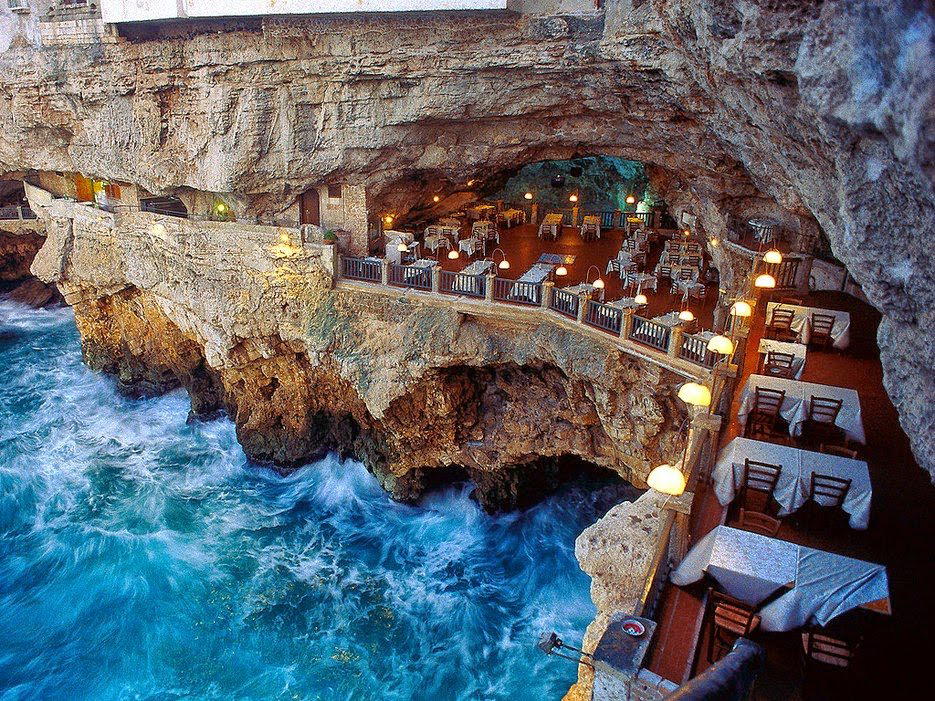
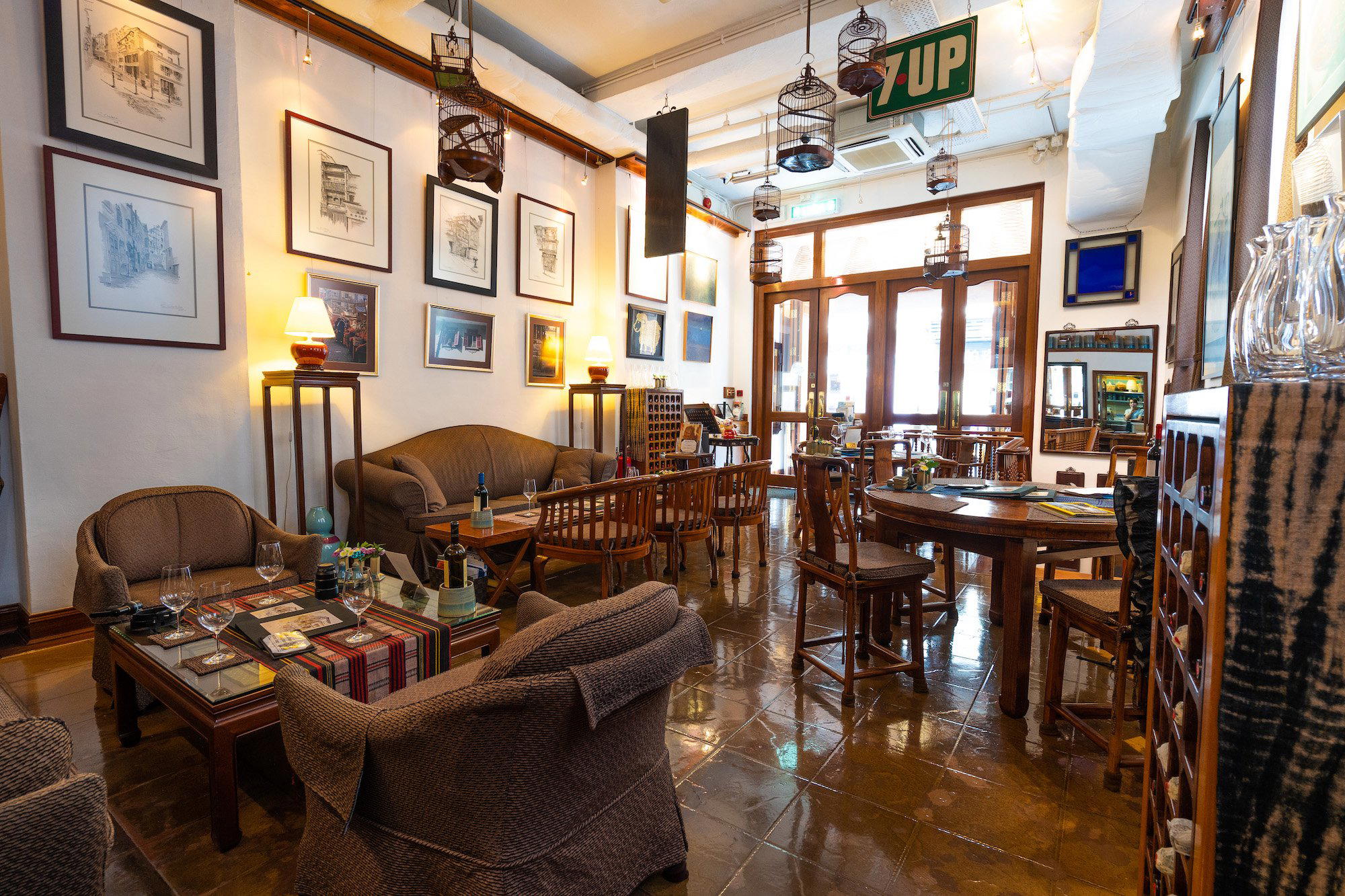
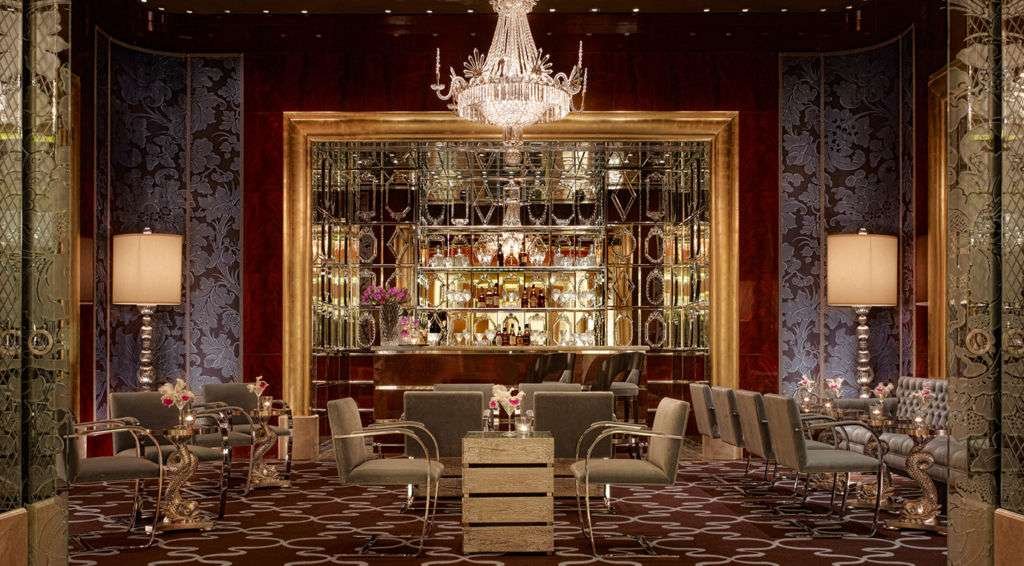
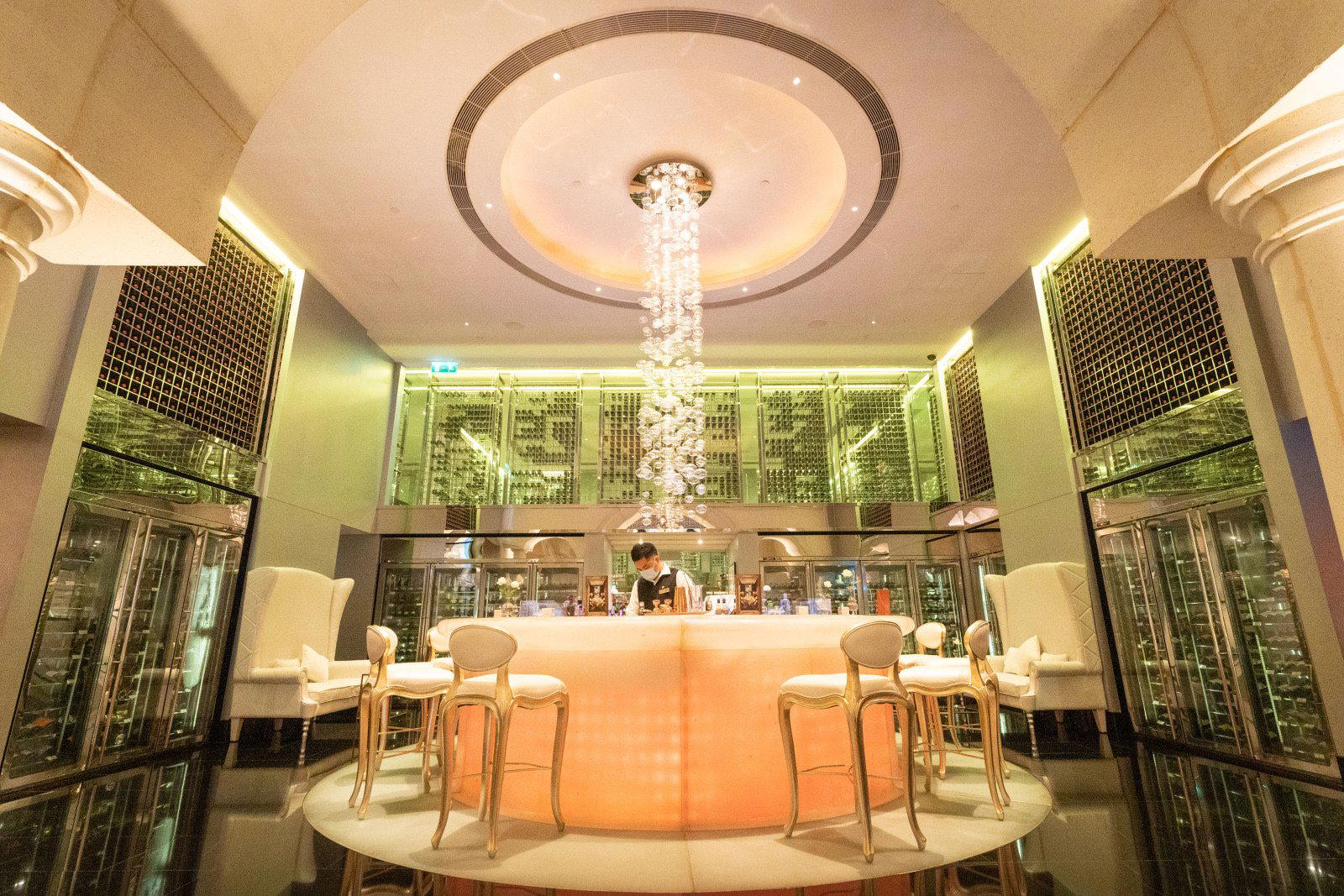
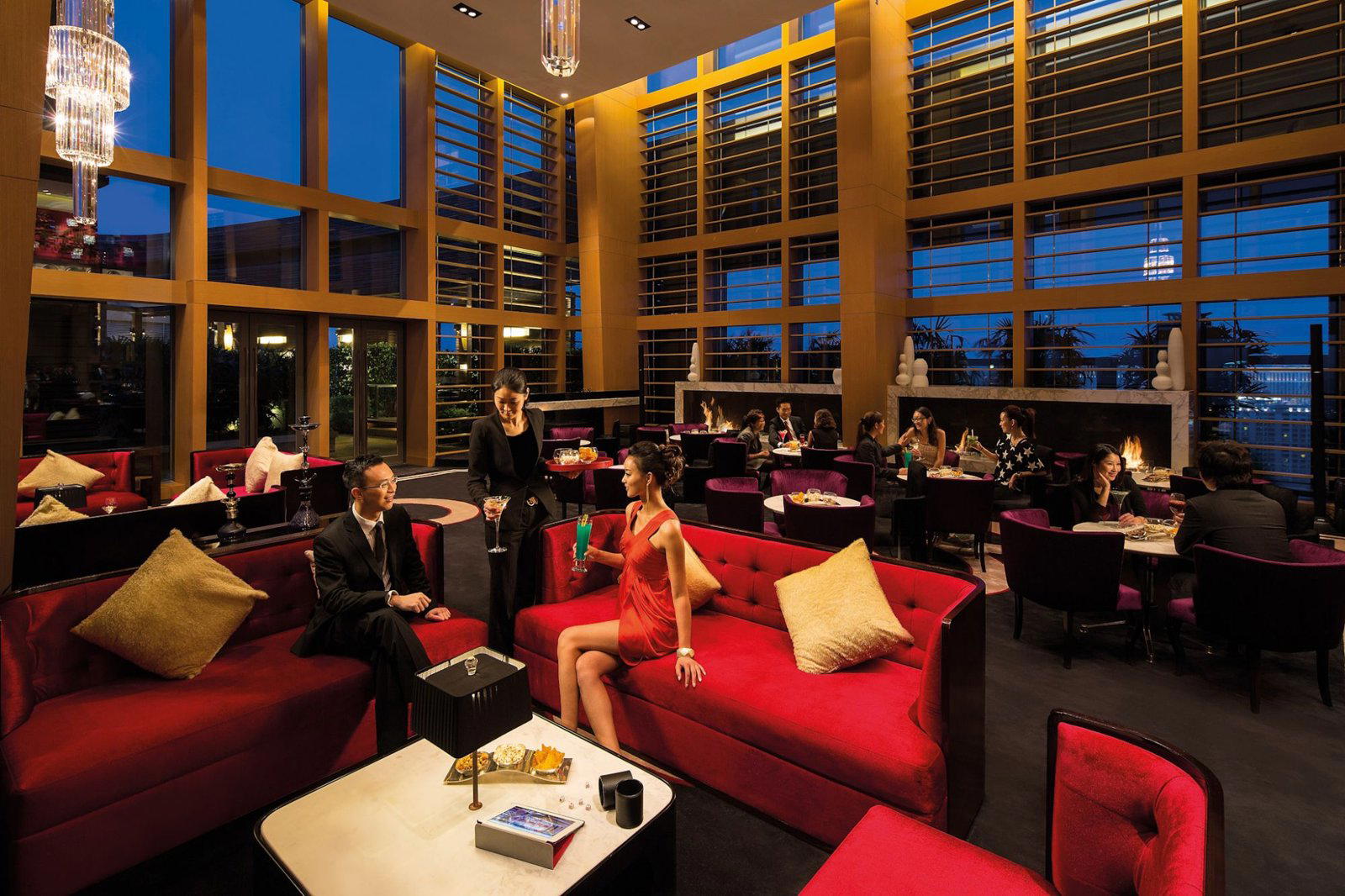
Modern dining space with contemporary design focused on the dumpling experience.