
Tabelog 100
Our verdict
Saera belongs to Sapporo’s practical kissaten tradition: coffee-shop rhythms, sandwiches and café service rather than ceremony. Its Tabelog 100 Kissaten 2022 selection, 41-seat room, counter seating and Odori location put it in a useful bracket for travelers who want a low-friction, ingredient-led daytime meal in central Sapporo.

Pearl is the En Primeur Club membership app — saves, bookings, and concierge access live there. Same editors, same standards.
The menu
What to order
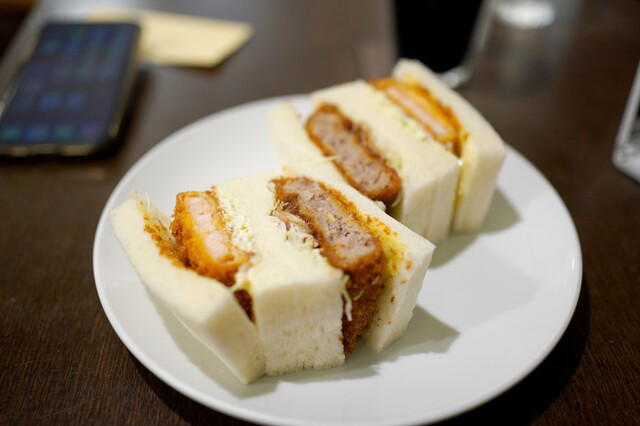
- Red king crab salad sandwich
- Fruit sandwich with whipped cream and fresh fruit
- Shrimp katsu sandwich
- Smoked chicken sandwich
Daytime dining in Sapporo has its own grammar: compact rooms, coffee-shop routines and practical stops for people who know what they came to eat. Saera fits it: a kissaten-café in Sapporo, where the appeal is not spectacle but the Japanese coffee-shop idea of an orderly, affordable meal built around familiar ingredients.
That matters because Sapporo’s food reputation often points to ramen, soup curry, seafood and dairy-rich sweets. Kissaten do different daytime work: sandwiches, coffee-shop pacing and a room suited to a low-drama meal without tasting-menu planning. Saera’s selection for Tabelog 100 Kissaten 2022 places it in a national conversation about Japanese coffee shops, not just a local café search.
Sandwiches, coffee-shop discipline and Hokkaido's ingredient logic
Hokkaido dining is shaped by supply as much as style. The island’s dairy, wheat, potatoes, corn and cold-water seafood give even casual food a context different from Tokyo or Osaka. Saera is not automatically a sourcing manifesto without named producer details, but its category benefits from regional expectations: bread, butter, cream, vegetables and seafood carry local meaning here in a way they rarely do where cafés are mostly aesthetic propositions.
The listed categories, kissa, sandwich and café, mark a hybrid Japan does well. Kissaten culture is older and more rule-bound than the contemporary specialty-coffee café: table turnover is not the only measure, and food often sits beside coffee rather than underneath it. Sandwiches here are about assembly, freshness and proportion more than novelty. In a city where weather can shape the rhythm of the day, that format has real utility.
Saera’s recognition separates it from the huge middle of casual cafés. Tabelog’s Kissaten 100 list is not a Michelin-style fine-dining award; it signals that a coffee-shop format has enough consistency and local attention to register beyond its immediate setting. The point is not luxury, but modest-format discipline delivered with national-level confidence.
For Sapporo travelers building a day around food rather than one reservation, the comparison set is useful. Tezukuri Hamburger Steak Kobo Toshi and Aji no Sanpei occupy an approachable everyday lane, but answer different cravings: hamburger steak and ramen history rather than coffee-shop sandwiches. Saera sits in the lighter daytime lane, a practical bridge between heavier local meals when a trip already includes ramen, curry or seafood.
Sapporo is the right stage for a no-drama daytime meal
Sapporo is not just a northern capital; it is a city where offices, retail, transit and winter movement shape how people eat. Restaurants here succeed by being clear about function. A café built around a straightforward kissaten format answers an obvious need in snow season: central in spirit, not overdesigned and easy to fold into shopping, walking or non-restaurant time.
The compact coffee-shop scale puts Saera closer to everyday Japanese dining than destination theater. That is a strength. Sapporo has restaurants that ask for more time and attention, but not every meal should. A kissaten sandwich stop can reveal as much about daily city habits as a formal dinner, especially when the format has made a national kissaten list.
The practical profile is simple rather than ceremonial. Saera is listed as kissa, sandwich and café, with a budget range that keeps it in the everyday Sapporo conversation. Its public record also gives a Tabelog score of 3.66, useful context for readers who want a quick signal without turning a coffee-shop meal into a trophy hunt.
Groups should read Saera through that same everyday lens. This is not a hushed fine-dining room, and it is not trying to be one. It is a Sapporo café-kissaten whose value lies in timing, familiar food and the ability to solve a meal cleanly when the rest of the itinerary is doing heavier work.
How to place Saera in a Sapporo food itinerary
Saera works better as a strategic daytime stop than as the anchor meal of a trip. That is not criticism. Sapporo rewards pacing: ramen one day, soup curry the next, seafood when appetite and budget align, and lighter coffee-shop food when the schedule needs restraint. For a broader map, start with Our full Sapporo restaurants guide, then use other Sapporo dining rooms to understand how casual specialization shapes the city’s appetite.
Travelers planning beyond meals should think in areas of the city rather than isolated pins. Sapporo makes it easy to combine a café meal with hotel positioning, bar plans and non-restaurant time; Our full Sapporo hotels guide, Our full Sapporo bars guide, Our full Sapporo wineries guide and Our full Sapporo experiences guide place that decision in the wider trip. For nearby regional contrast, other Hokkaido dining shows how the island’s ingredient identity can move into different registers.
Saera’s larger lesson is that Sapporo food should not be reduced to bowls and crab. The city also has small, practical rooms where value is timing, ingredient familiarity and a format locals can use repeatedly. For travelers comparing Japanese casual dining across cities, it belongs with lower-ceremony, high-utility stops in Sapporo and beyond: places where format, price band and repeatability explain the appeal as much as any plate.
The editorial call is simple: treat Saera as a precise Sapporo daytime meal, not a trophy booking. Its Tabelog 100 Kissaten 2022 selection gives it a credible national signal, while the café-sandwich format keeps the stakes refreshingly low. In a city where hearty eating can dominate an itinerary, that restraint is useful.
Frequently asked questions
Can I bring kids to Saera?
Saera is a kissa, sandwich and café venue in Sapporo. For current access details, group suitability and any house rules, check the venue's official channels before visiting.
What should I expect atmosphere-wise at Saera?
Expect a kissaten rather than a formal dining room: a coffee-shop format where sandwiches and café pacing are central to the appeal. Saera’s Tabelog 100 Kissaten 2022 selection gives it extra context within Sapporo’s café scene.
What price level is Saera?
Pricing at Saera is listed as JPY 1,000 - JPY 1,999 JPY 1,000 - JPY 1,999 View spending breakdown.
Where is Saera located?
Sapporo.
How It Stacks Up
Nearby venues at a similar price tier for orientation.
| Venue | Cuisine | Price | Awards | Notes |
|---|---|---|---|---|
| SaeraThis venue (the venue you are viewing) | Japanese kissaten & sandwich shop | $10–20 | Tabelog 100 | Not listed |
| Ramen Sapporo Akahoshi | Sapporo Ramen Shop | $1–10 | Tabelog 100 #17 | Chūō |
| Chuka Soba California | Tokyo/Hachioji-style ramen | $1–10 | Tabelog 100 #25 | Shiroishi |
| Spice&mill | Japanese Soup Curry | $10–20 | Tabelog 100 #44 | Shiroishi |
| Ramen Gojogen Honten | Sapporo ramen shop famous for tonshio | $10–20 | Tabelog 100 #80 | Chūō |
| Toripaitan Soba Yuu | Tori paitan ramen shop | $10–20 | Tabelog 100 #19 | Shiroishi |
Recognition history
Dated appearances from independent guides and award organizations, with the underlying list record or original source where available.
Tabelog 100
Tabelog · Tabelog 100 - Kissaten - 2026
Full recognition history (2 entries)
Tabelog 100 #26 · No. 26
Tabelog · Tabelog 100 - Kissaten - 2022
Continue exploring
More in Sapporo
Restaurants in Sapporo
All restaurants in Sapporo →
Bars in Sapporo
Browse all →

Details
- Classic
- Cozy
- Quiet
- Solo
- Family
- Casual Hangout
- After Work
- Brunch
- Standalone
- A La Carte
- Counter Dining
- Small Plates
- Coffee
- Tea
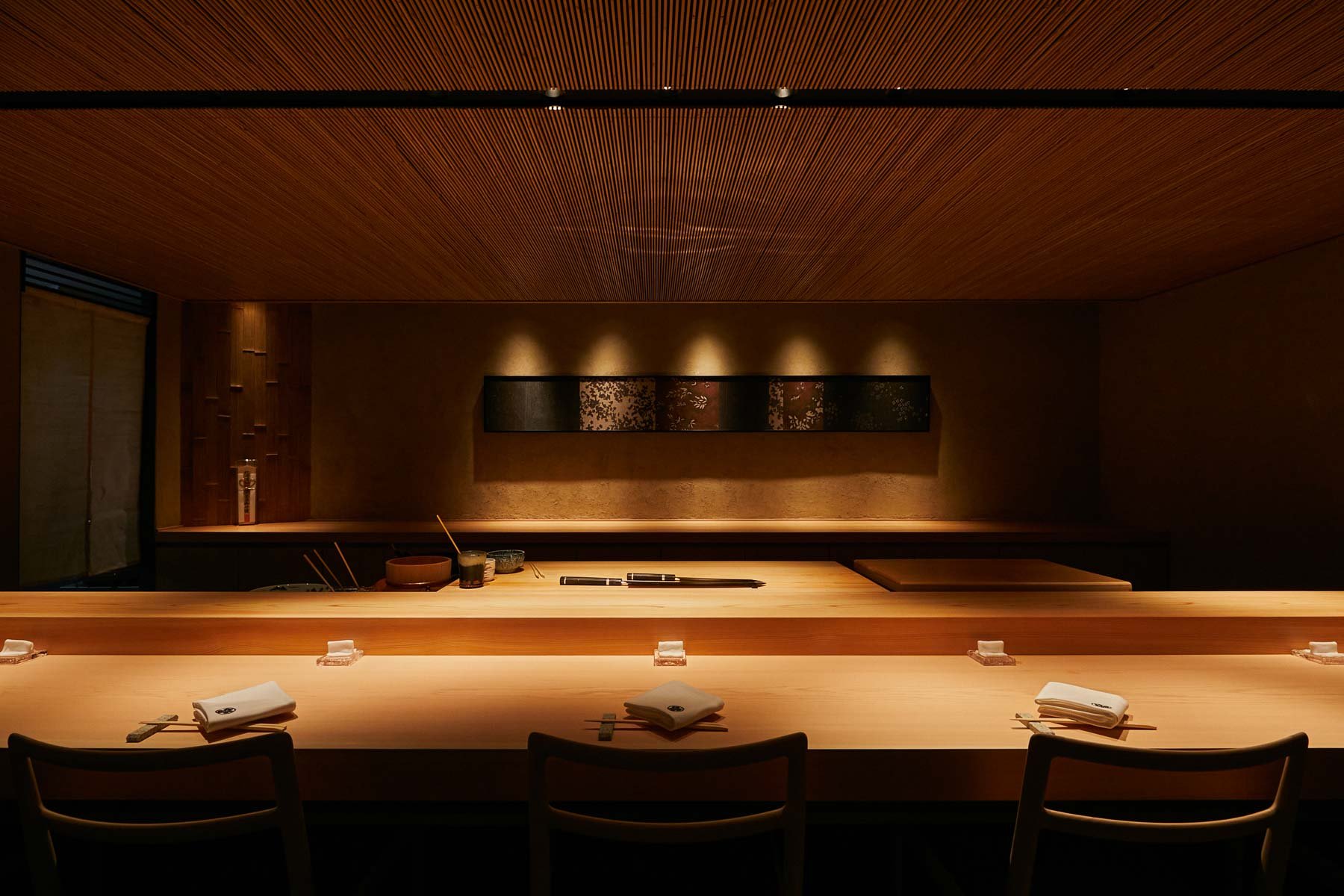
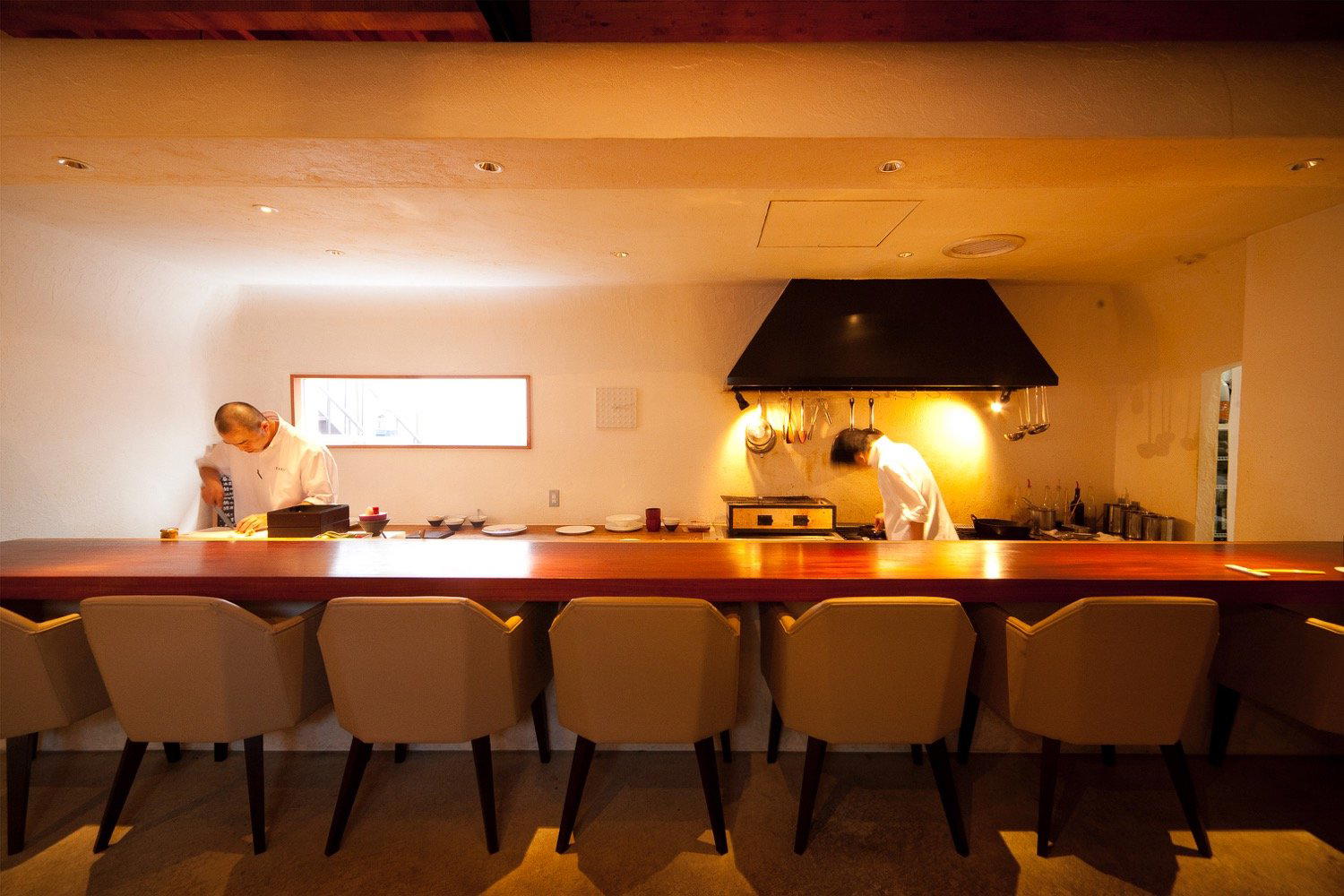
A classic, no-frills Japanese kissaten tucked in the basement of an office building, with counter seating and simple décor that creates a calm, quietly nostalgic atmosphere ideal for a relaxed coffee and sandwich break away from the busy streets above.