
Tabelog 100 #19
Our verdict
Toripaitan Soba Yuu is a Sapporo ramen counter in Kikusui with consecutive selection for Tabelog Ramen HOKKAIDO 100 in 2024 and 2025. Its reputation sits in the city’s serious everyday ramen tier: compact, counter-led, and judged by repeat local attention rather than ceremony.

Pearl is the En Primeur Club membership app, where members save venues, book tables and use the concierge.
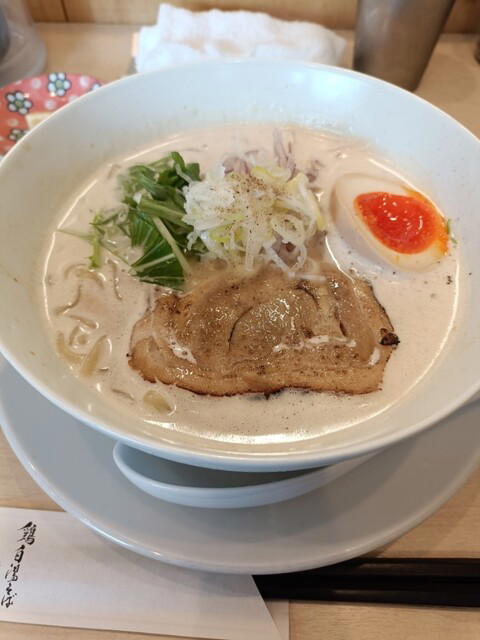
Approaching a ramen stop in Sapporo is rarely about spectacle. The signal is tighter: a focused room, steam, the rhythm of bowls leaving the kitchen, and customers who know exactly what they came for. In Sapporo, that format matters because the city’s ramen culture has never belonged only to central nightlife districts. The city’s serious bowls often live across the city, where a shop can build a reputation through consistency rather than theatre.
Toripaitan Soba Yuu fits that side of the city’s dining culture. Its selection for Tabelog Ramen HOKKAIDO 100 in 2025 places it inside a competitive regional field, not merely a local convenience category. That distinction is useful for travellers because ramen in Hokkaido is crowded with strong specialists, and recognition at this level separates a shop with repeat critical traction from a stop chosen only for proximity.
A toripaitan address in a city strongly associated with ramen
Sapporo’s ramen identity is still strongly associated with familiar local shorthand and late-night bowls. The more interesting city read is broader. Contemporary Sapporo ramen now includes a range of styles, from classic local bowls to more narrowly focused specialist approaches. Toripaitan, when handled with discipline, asks for balance: density without heaviness, aroma without muddiness, and noodles that can hold the broth rather than disappear under it.
That is the useful frame. The name itself points to toripaitan soba, putting the shop within a lane that sits apart from a single default Sapporo ramen narrative. Awards matter here because they show the category is not being treated as a novelty. Tabelog’s Hokkaido ramen list is a broad regional filter, and an appearance signals that the shop has been judged against ramen specialists across the prefecture rather than against a narrow local set.
The format also keeps expectations in the right register. This is not a tasting-menu version of ramen, nor a room built around long explanations. It belongs to the Japanese everyday-specialist model: focused ordering, efficient pacing, and a meal that rises or falls on broth, noodle, tare, fat, and timing. For travellers used to destination restaurants, that restraint is part of the point. Ramen reputation in Japan is often earned in rooms where the bowl has little decorative cover.
How the recognition reads in Sapporo's ramen circuit
Tabelog scores can be blunt instruments when read without context, but a 3.62 rating attached to a Hokkaido ramen selection is a credible signal in a category where small differences matter. Ramen shops often operate with narrower price bands and shorter visits than sushi, kaiseki, or French dining, so reputation tends to accumulate through volume, regulars, and category-specific comparison. A recognized ramen venue in Sapporo therefore says something about the city’s decentralised food map: serious eating is not confined to hotel zones or station-side dining floors.
Within Sapporo, the comparison is not only ramen. Spice curry and soup curry have their own loyal followings, visible in specialist addresses such as Spice Pot Kikusui honten, while casual noodle shops like Menya Ozawa, Ise no Jo Kikusui honten, and Chuka Soba California point to how much of the city’s dining strength sits below luxury pricing. Kin Zushi belongs to a different spending bracket altogether, which makes the contrast useful: Sapporo can support both high-cost sushi and tightly priced noodle counters without treating one as less serious than the other.
That same breadth is why a ramen stop can be a better lens on the city than a formal meal. Visitors planning around Sapporo’s food culture should read this stop alongside other specialist entries rather than as an isolated bowl. For parallel restaurant planning, see Our full Sapporo restaurants guide, then widen the itinerary through Our full Sapporo hotels guide, Our full Sapporo bars guide, Our full Sapporo wineries guide, and Our full Sapporo experiences guide. The broader point is simple: Sapporo rewards travellers who move between categories, not only between famous names.
Where it sits in a wider Japan itinerary
For a traveller building a Japan food route, Toripaitan Soba Yuu makes sense as a precision stop rather than a long-form occasion. It pairs well with the city’s other casual specialists, including other Sapporo dining rooms across noodles, curry, bread, and spice. Those addresses point to a city where focused everyday formats can carry as much itinerary value as a formal reservation.
Beyond Hokkaido, the same principle applies across Japan and its diaspora: small-format specialists often explain a place better than a grand room. A serious route might connect a Sapporo ramen stop with other dining rooms elsewhere in Japan, then with similarly focused Japanese formats overseas. The lesson travels best when the concept is narrow enough to survive distance.
The editorial case is not that every recognized ramen venue deserves a detour. It is that this one sits at the intersection of category clarity, Sapporo specificity, and regional recognition. In a city with a deep noodle culture, those are the signals that matter.
Frequently asked questions
Is Toripaitan Soba Yuu more mid-range or high-end?
Pricing at Toripaitan Soba Yuu is listed as Dinner: JPY 1,000 - JPY 1,999; Lunch: JPY 1,000 - JPY 1,999.
Where is Toripaitan Soba Yuu located?
Sapporo.
Do they take walk-ins at Toripaitan Soba Yuu?
The listing places Toripaitan Soba Yuu in the ramen category, so a visit is best approached like a focused ramen stop in Sapporo. Check current service details before going, especially around lunch and dinner hours.
What's the signature at Toripaitan Soba Yuu?
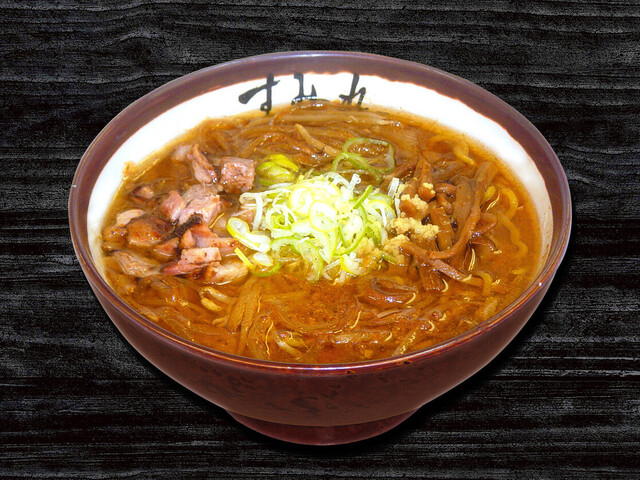
The name points to toripaitan, and the venue is listed in the ramen category. That focus sits alongside its Tabelog 100 Ramen Hokkaido 2025 selection in Sapporo.
Pricing, Compared
Comparable venues at the same tier for side-by-side context.
| Venue | Cuisine | Price | Awards | Notes |
|---|---|---|---|---|
| Toripaitan Soba YuuThis venue (the venue you are viewing) | Tori paitan ramen shop | $10–20 | Tabelog 100 #19 | Not listed |
| Kiraito | Classic Sapporo ramen shop | $10–20 | Tabelog 100 #66 | Chūō, Classic Sapporo ramen shop |
| Menya Keserasera | Japanese Ramen | $10–20 | Tabelog 100 #51 | Kita, Japanese Ramen |
| Ramen Shingetsu | Traditional Sapporo Ramen Shop | $10–20 | Tabelog 100 #87 | Chūō, Traditional Sapporo Ramen Shop |
| Keyaki Susukino honten | Sapporo miso ramen shop | $10–20 | Tabelog 100 #85 | Chūō, Sapporo miso ramen shop |
| Ramen Senju | Classic Sapporo miso ramen shop | $10–20 | Tabelog 100 #3 | Chūō, Classic Sapporo miso ramen shop |
Recognition history
Dated appearances from independent guides and award organizations, with the underlying list record or original source where available.
Tabelog 100 #19 · No. 19
Tabelog · Tabelog 100 - Ramen - HOKKAIDO - 2025
Continue exploring
More in Sapporo
Restaurants in Sapporo
All restaurants in Sapporo →
Bars in Sapporo
All bars in Sapporo →
Details
- Cozy
- Intimate
- Solo
- Family
- Casual Hangout
- Standalone
- A La Carte
- Counter Dining
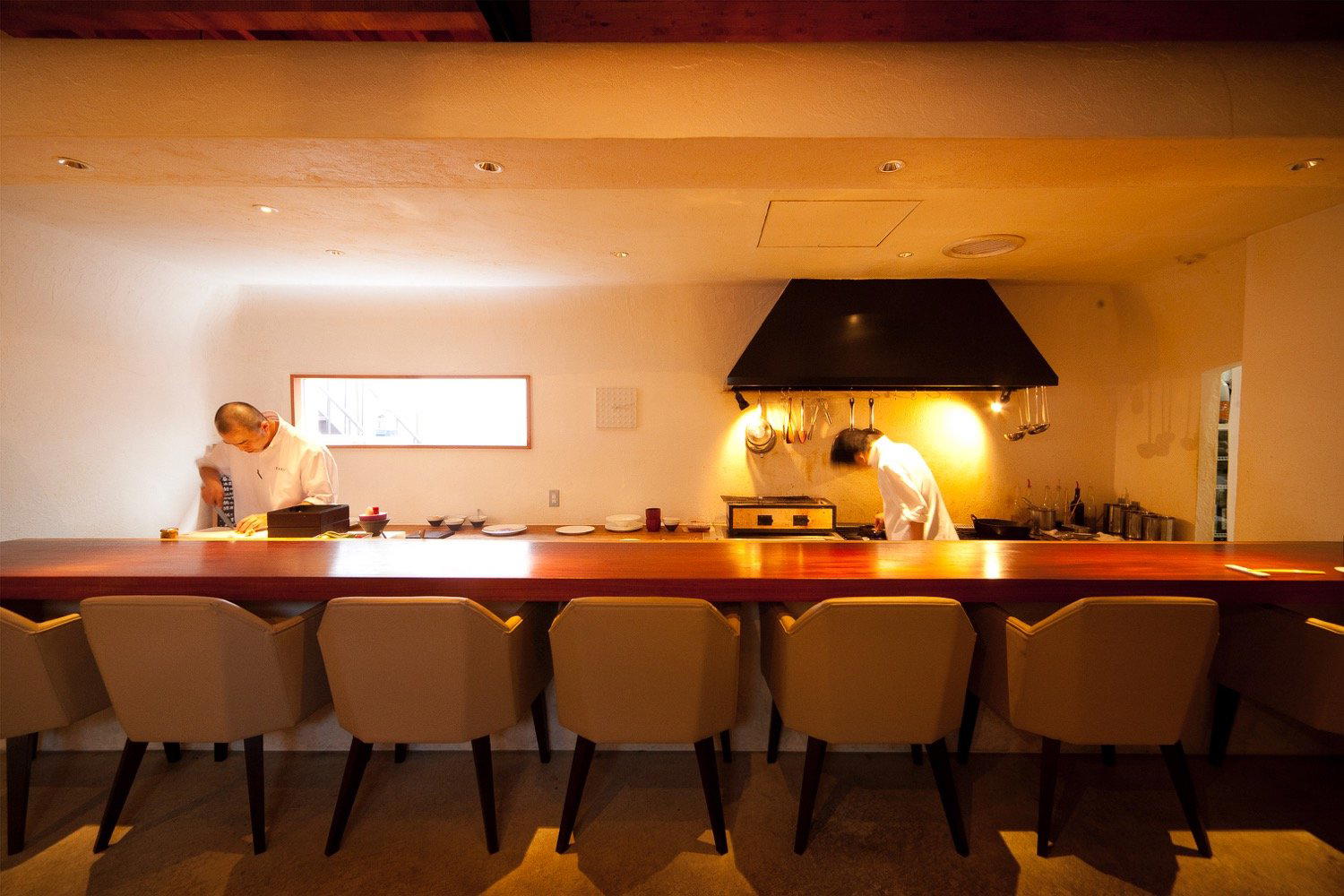
Small, counter-only ramen shop with a casual, non-smoking atmosphere; the feel is cozy and intimate, suited to solo diners or families looking for a focused bowl of chicken-based ramen rather than a long sit-down meal.