Sachet


Michelin Plate · World's Best Wine Lists Awards WBWL 1-Star
Our verdict
The price point sits at mid-range for the neighbourhood, making it one of the more accessible entries in Dallas's Michelin-acknowledged dining tier. Reservations are advisable, particularly on weekends.

Pearl is the En Primeur Club membership app, where members save venues, book tables and use the concierge.
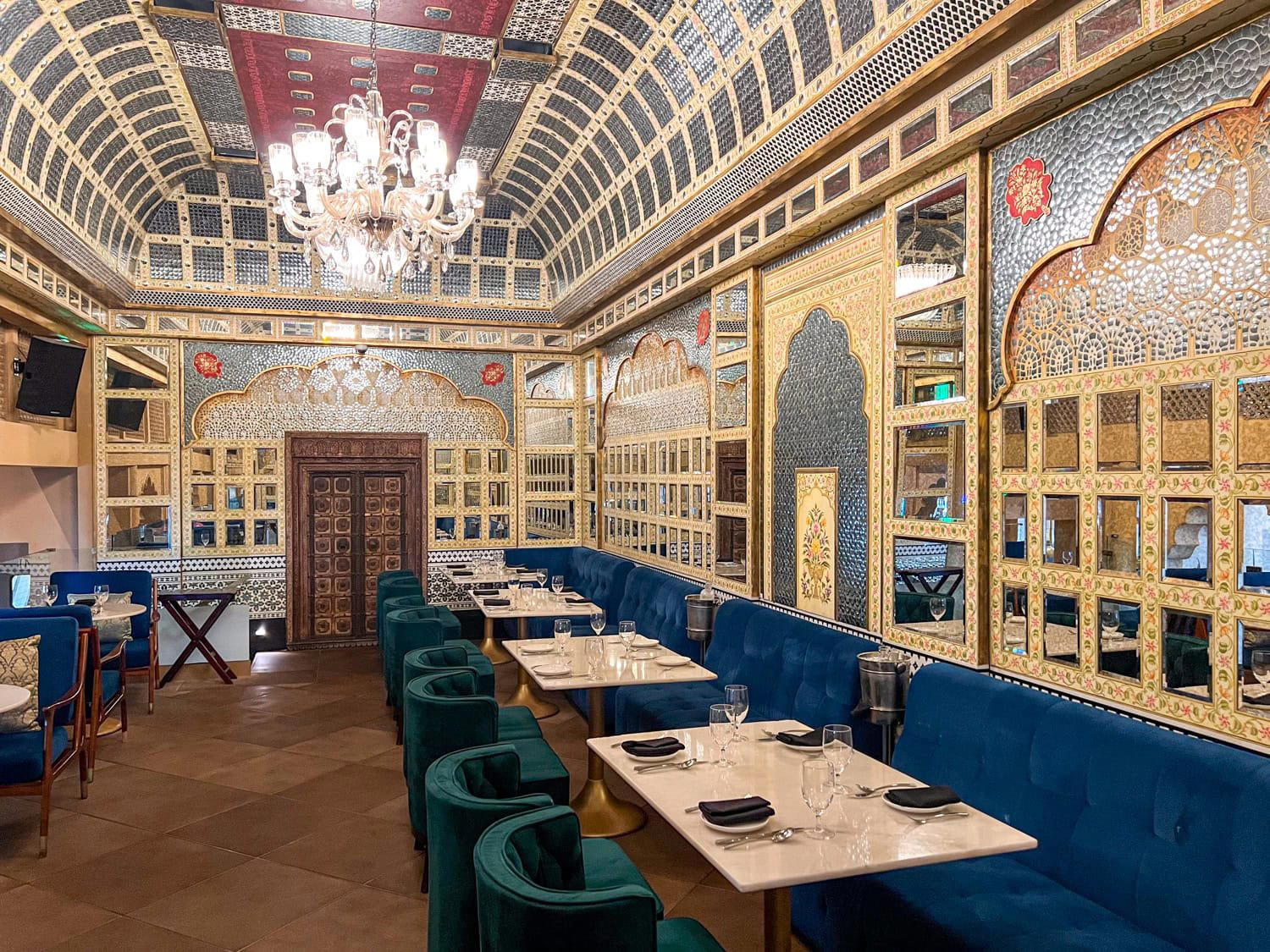
The menu
What to order
- Yellow beets with red beet hummus
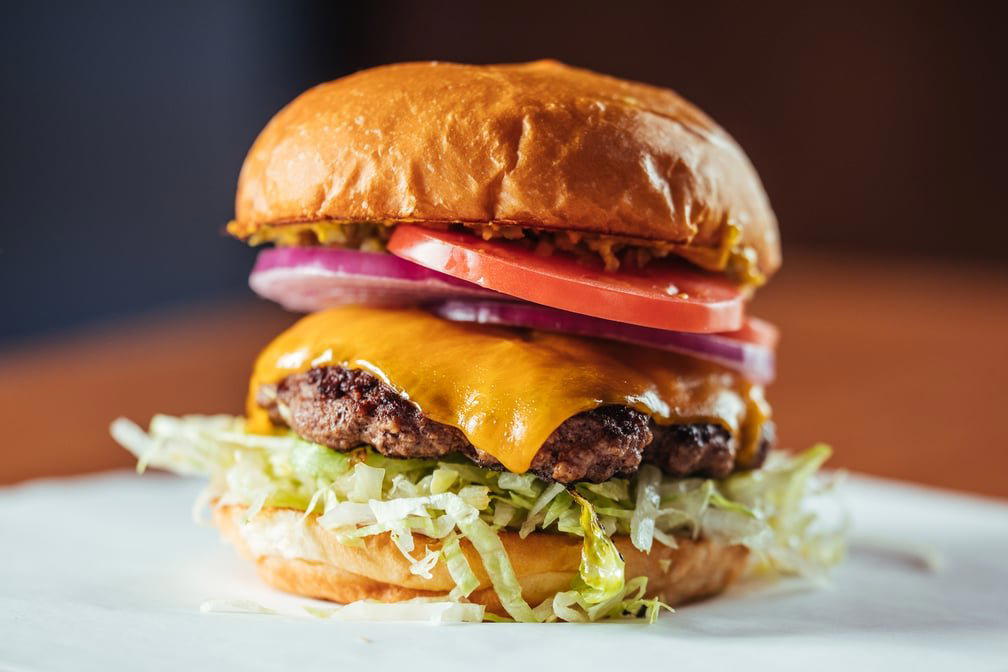
- Wood oven mushrooms
- Tagliatelle pasta
Where the Mediterranean Meets the Texas Table
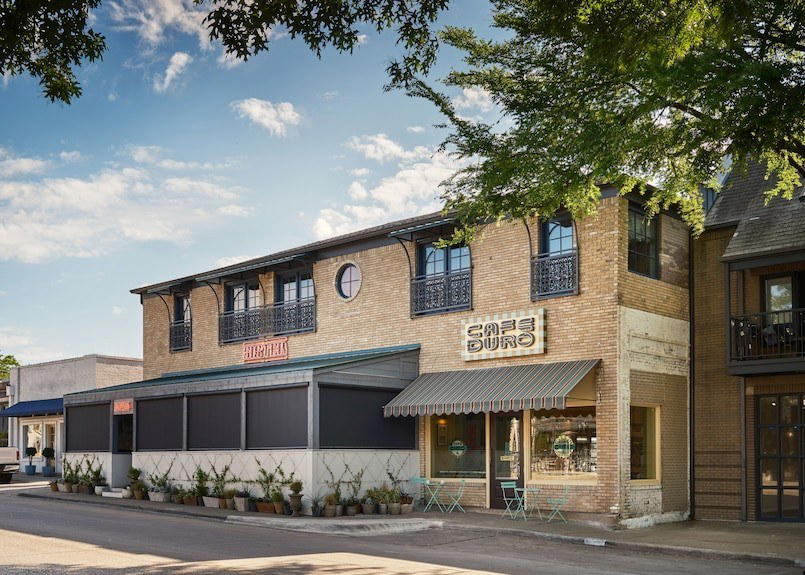
Oak Lawn Avenue in Dallas runs through one of the city's most dining-dense corridors, where mid-century steakhouses share blocks with newer, concept-driven rooms. Sachet, at 4270 Oak Lawn Ave, occupies a particular position in that lineup: a Mediterranean kitchen operating at a price point well below the neighbourhood's expense-account ceiling, recognised by the Michelin Guide in both 2024 and 2025 with a Plate distinction. In a city where Michelin acknowledgment is still relatively new and the pool of recognised addresses is small, consecutive Plate honours carry real weight as a signal of consistent kitchen discipline.
The Michelin Plate, often overshadowed by star conversation, marks a restaurant the Guide considers worth seeking out for food that is good in its category. It sits alongside Michelin-tracked rooms in a city where the Guide's Texas edition, launched in 2023, is still establishing its reference points.
The Mediterranean as a Culinary Argument
Mediterranean cooking, as a category, is one of the most geographically contested in the restaurant world. The term covers a coastline that runs from the Levant through the Aegean, across the Italian peninsula, around the Iberian shore, and south through North Africa. Each zone brings distinct grain traditions, protein preferences, spice logics, and preservation techniques. A Lebanese kitchen and a Provençal one both qualify as Mediterranean but share fewer techniques than they do latitude. What links them is an agricultural logic: olive oil, legumes, alliums, acidic fruit, and fermented dairy deployed in combinations shaped by centuries of trade and movement across the same sea.
In the United States, Mediterranean restaurants tend to collapse that complexity into a shorthand, typically Greek-Italian with hummus adjacent. The more interesting rooms in this category, including La Brezza in Ascona and Arnaud Donckele and Maxime Frédéric at Louis Vuitton in Saint-Tropez, work with the basin's plurality rather than flattening it. What the Michelin Guide's recognition of Sachet signals, at minimum, is that the kitchen is doing something beyond the shorthand version of the category. The specific dishes and menu architecture are not detailed in Sachet's public record, but the Guide does not award Plate distinctions to generic executions.
Dallas's Mediterranean Gap
Dallas has a well-documented steakhouse tradition, with rooms like Al Biernat's anchoring the high end of that register, and a growing Japanese dining tier that includes Tatsu Dallas. Italian cooking has a solid mid-range presence through addresses like Barsotti's. What the city has historically lacked is a Mediterranean room operating with the same level of kitchen focus and Guide-level recognition. Sachet addresses that gap in a price tier that keeps the proposition accessible. At the $$ range, it occupies similar pricing territory to Mamani and Cattleack Barbeque rather than the upper registers where Tei-An and Fearing's operate.
That positioning matters editorially. Michelin-recognised cooking at mid-range pricing is a specific and relatively rare combination in any American city. For comparison, the starred and Plate rooms in New York's Mediterranean tier, or operations associated with Michelin-starred French kitchens like Le Bernardin, typically anchor at significantly higher price points. In Dallas, where rooms like Casa Brasa demonstrate that serious cooking doesn't always require a premium price ceiling, Sachet reinforces the argument that the city's dining tier is maturing beyond its traditional identifiers.
The Coastal Crossroads Tradition in an Inland City
There is a useful irony in Mediterranean cooking finding traction in a landlocked Texas city. Mediterranean cuisine's historical logic is one of port culture: ingredients and techniques that moved because ships moved them, mixing Moorish spice use with Italian curing traditions, Greek fermentation habits with Levantine grain preparations. Dallas absorbs that tradition through a different route, via immigration patterns, chef training pipelines, and the increasing appetite among American diners for cooking that prioritises vegetables, legumes, and acid-forward profiles over the protein-dominant plates that defined the city's dining character a generation ago.
The broader shift is visible across major American dining markets. From Lazy Bear in San Francisco to Alinea in Chicago, the more technically ambitious rooms in the country have moved toward ingredient logic over format logic. Mediterranean cooking, done seriously, fits that frame: it asks for precision with heat, restraint with fat, and an understanding of how acid balances a dish rather than merely sharpening it. Sachet's sustained Michelin recognition across two consecutive guide years suggests the kitchen is working within that discipline rather than around it.
Planning a Visit
Sachet is located at 4270 Oak Lawn Ave, Dallas, TX 75219, on a stretch of road well-served by rideshare and within the Oak Lawn neighbourhood's walkable dining cluster. The price range at $$ Given the combination of Michelin Plate recognition and accessible pricing, the room draws steady traffic; advance reservations are the sensible approach, particularly for weekend evenings.
For broader context on where Sachet fits in the Dallas dining picture, our full Dallas restaurants guide maps the city's recognised addresses across cuisines and price tiers. Visitors planning around a longer stay will also find useful reference in our Dallas hotels guide, our Dallas bars guide, our Dallas wineries guide, and our Dallas experiences guide. For those comparing Mediterranean programmes across American dining markets, rooms associated with serious culinary traditions, including Emeril's in New Orleans, The French Laundry in Napa, and Single Thread Farm in Healdsburg, provide useful reference points for the category's upper register.
Frequently asked questions
Where do I go for Sachet?
Sachet is located at 4270 Oak Lawn Ave, Dallas, TX 75219, Dallas.
What distinctions does Sachet have?
Sachet has received recognition including: Michelin Plate (2025); Michelin Plate (2024).
What dish is Sachet famous for?
No single signature dish has been publicly documented for Sachet, but its Michelin Plate recognition in both 2024 and 2025 indicates consistent kitchen standards across its Mediterranean menu. The cuisine type points to shared-plate formats and coastal-influenced cooking, traditions that span North Africa, the Levant, and Southern Europe. For current menu specifics, visiting the restaurant directly or checking its most recent press coverage will give the clearest picture.
What kind of cuisine does Sachet serve?
What should I budget for a meal at Sachet?
Pricing at Sachet is listed as $$.
Pricing, Compared
A small set of peers for context, based on recorded venue fields.
| Venue | Cuisine | Price | Awards | Notes |
|---|---|---|---|---|
| SachetThis venue (the venue you are viewing) | Modern Mediterranean | $50–100 | Michelin Plate · World's Best Wine Lists Awards WBWL 1-Star | Not listed |
| Lucia | Contemporary Italian | $50–100 | Michelin Bib Gourmand · James Beard Award Semi Finalist | Italian |
| Tei-An | Japanese Soba House | $100–150 | Michelin Plate | Izakaya, Japanese |
| Fearing's | Southwestern American Steakhouse | $100–150 | Michelin Plate · Wine Spectator Award of Excellence | Southwestern, American |
| Tatsu Dallas | Traditional Edomae Omakase | $150–200 | 1 Michelin Star | Japanese |
| Cattleack Barbeque | Texas Barbecue | $20–30 | Michelin Bib Gourmand | Barbecue |
Recognition history
Dated appearances from independent guides and award organizations, with the underlying list record or original source where available.
Michelin Plate
Michelin
World's Best Wine Lists Awards WBWL 1-Star
World's Best Wine Lists Awards
Full recognition history (3 entries)
Michelin Plate
Michelin