Sac-a-Lait
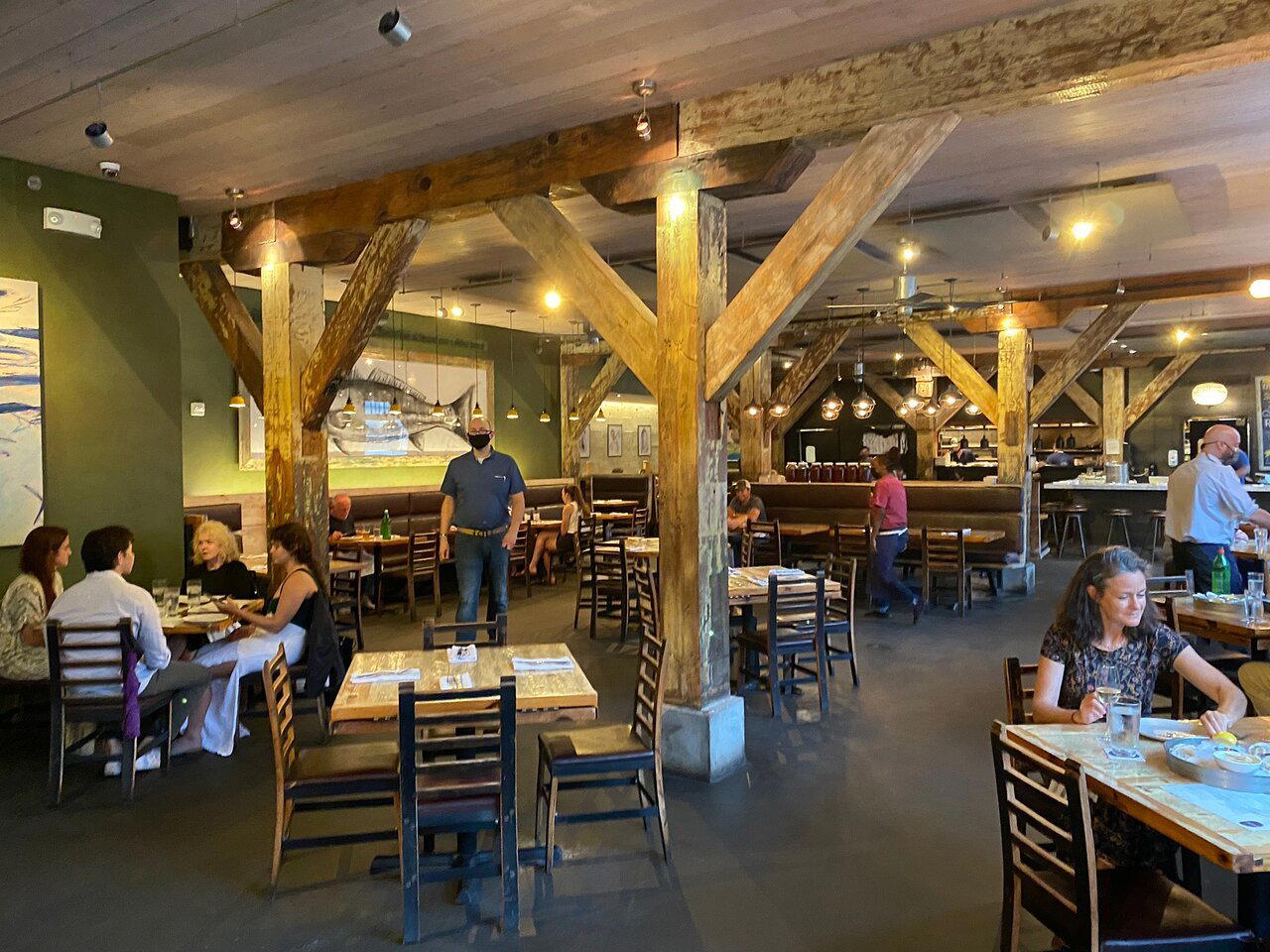
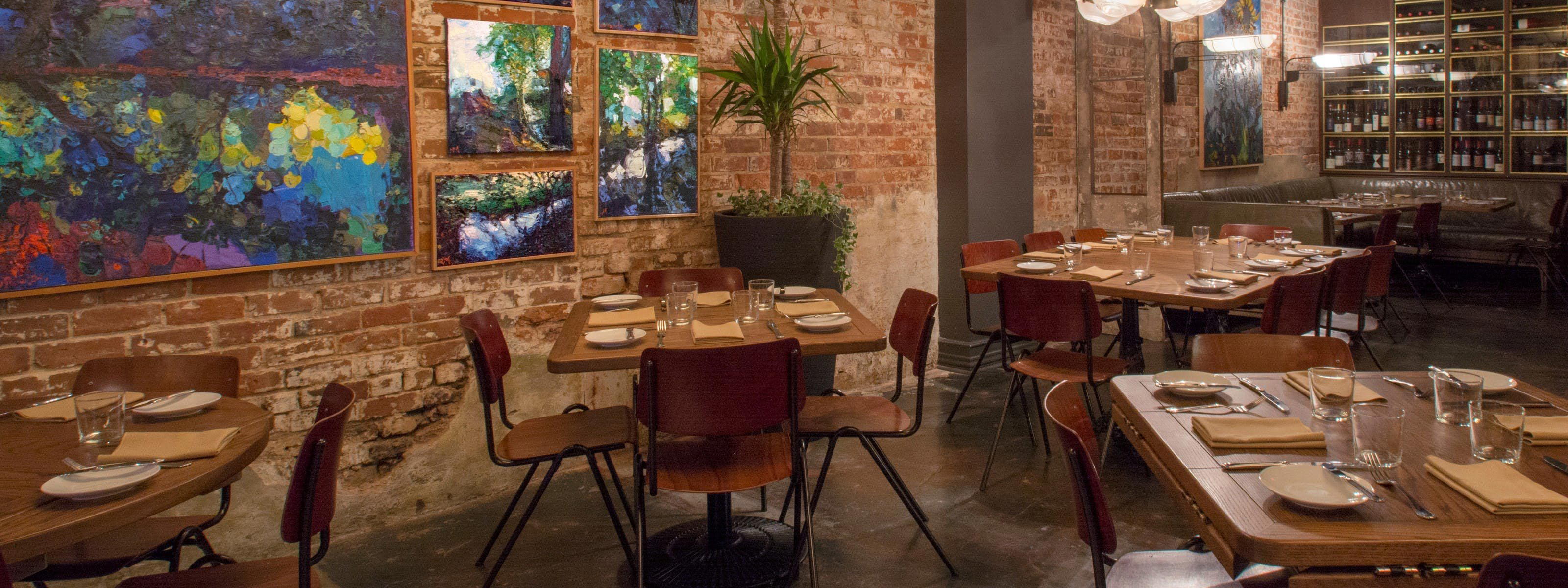
"In addition to generating some major excitement from the food world, this months-old restaurant from husband-and-wife team, Cody and Samantha Carroll, is already a favorite with locals, which is pretty impressive for a newcomer. It’s housed in a massive old cotton mill in the Warehouse District, so diners can spread out and keep an eye on the sprawling open kitchen while enjoying the small but mighty seafood-centric menu."
Pearl is the En Primeur Club membership app — saves, bookings, and concierge access live there. Same editors, same standards.
- Address
- 1051 Annunciation St, New Orleans, LA 70130
- Phone
- +1 504 324 3658
- Website
- sac-a-laitrestaurant.com
- Directions
- Get directions
 Saves & bookings on Pearl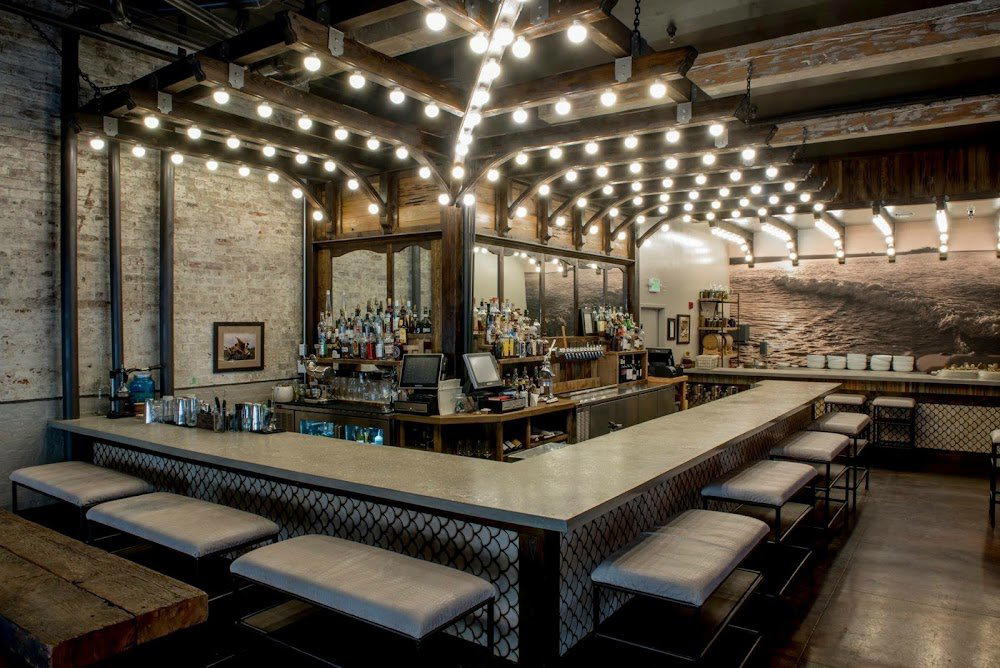
Annunciation Street, After Dark
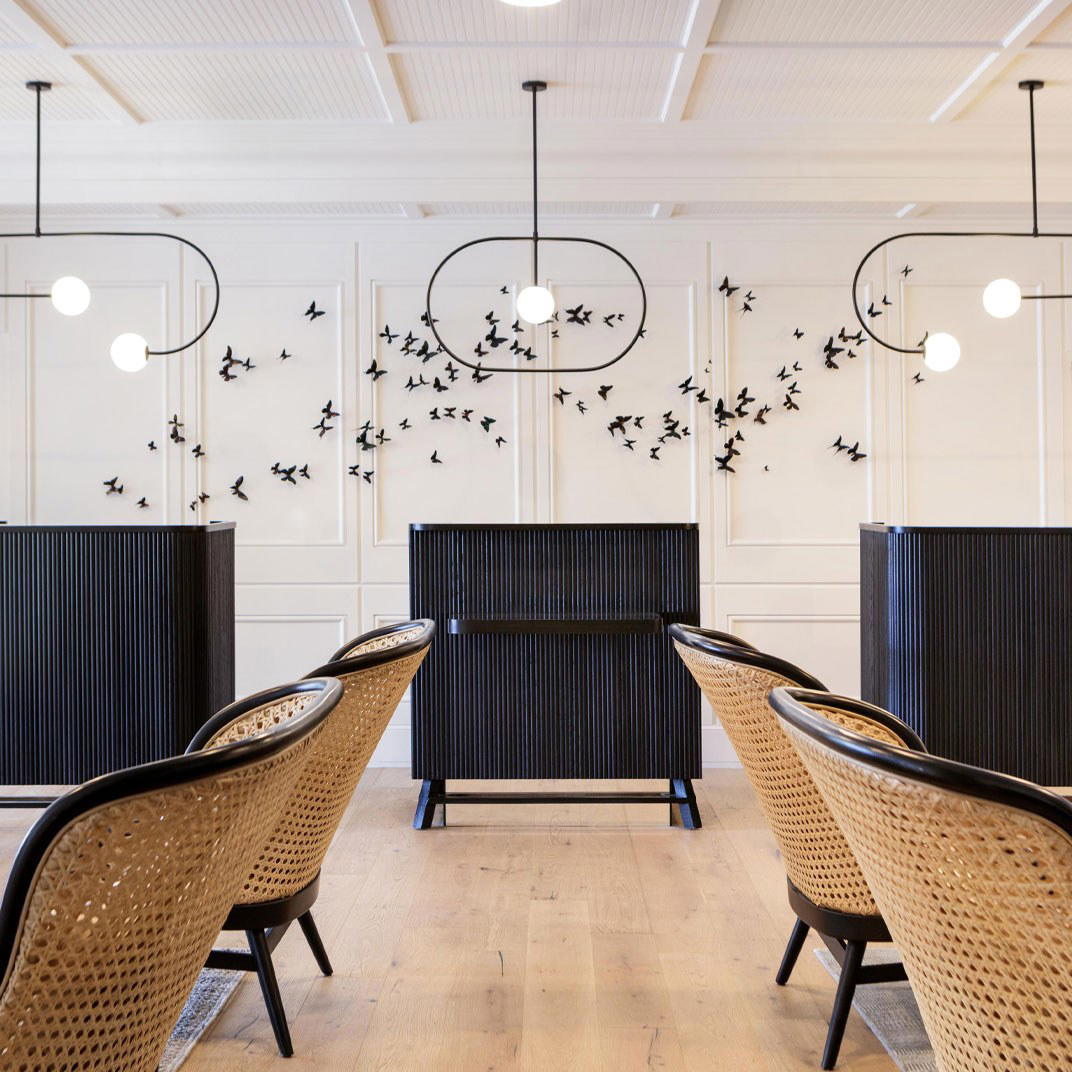
Sac-a-Lait is a restaurant in New Orleans serving Modern Cajun and Creole cuisine at a price tier of 3. The stretch of Annunciation Street where Sac-a-Lait sits belongs to a part of New Orleans that doesn't announce itself. The Warehouse District has spent the better part of two decades resolving its identity, shifting from post-industrial neglect toward a restaurant and gallery corridor that now competes seriously with the French Quarter for serious dining. Arriving at 1051 Annunciation, the building reads as warehouse-era New Orleans: exposed brick, high ceilings, the kind of bones that either become something worth entering or remain warehouses. Inside, the room operates in that register New Orleans does better than almost any American city, warm enough to feel unhurried, spare enough to keep the food as the actual subject.
How the Room Got Here: The Evolution of a Louisiana Dining Concept
New Orleans has always had a complicated relationship with its own culinary identity. For decades, the city's restaurant hierarchy sorted neatly into two tiers: the grande dame Creole institutions along the lines of Commander's Palace, and the neighbourhood spots that never competed for national attention. The restaurants that tried to occupy a middle ground, modern takes on Louisiana tradition, technically serious without being French-classical, often struggled to find their footing.
Sac-a-Lait arrived as part of a wave of Warehouse District openings that collectively argued something different was possible. The name itself is instructive: the restaurant is the Louisiana French term for white crappie, a freshwater panfish central to bayou fishing culture and to the kind of table the state's working class actually ate from. Naming a restaurant after that fish rather than after a chef, a street, or a gesture toward European prestige was already a positioning statement about where the food would come from and what tradition it would answer to.
That positioning has sharpened over time. Where early Warehouse District restaurants often defaulted to a kind of generalized New American idiom with Cajun and Creole inflections grafted on, the restaurant has moved toward something more specific: Louisiana as a regional cuisine with its own internal logic, not a flavor profile to be borrowed from. This is the same intellectual shift that redefined cooking in the American South more broadly over the past fifteen years, and New Orleans has been slower to absorb it than cities like Charleston or Nashville, partly because its incumbent culinary identity is so strong. Venues like Emeril's and Bayona built careers on Louisiana-inflected cooking that looked outward toward classical European structure; the newer current runs in the opposite direction, looking inward at what the bayou, the delta, and the Gulf actually produce.
Where It Sits in the New Orleans Dining Picture
The Warehouse District's serious dining tier now includes enough options that a reader needs a map to place them correctly. Saint-Germain operates at the higher end of the contemporary format with a prix-fixe structure and price point to match. Re Santi e Leoni brings a contemporary European reference frame. Zasu works American Contemporary at a more accessible register. The restaurant occupies a different position in that set: its reference point is not European training or coastal American fine dining but the cooking of Louisiana's interior, the fishing camps and family tables that predate the tourist economy.
Nationally, the conversation about place-rooted American cooking has produced some of the country's most discussed restaurants. Blue Hill at Stone Barns in Tarrytown made the farm-to-table argument with institutional scale. Single Thread Farm in Healdsburg built an entire property around hyper-local sourcing. Lazy Bear in San Francisco found its version of American regional through a tasting-menu format. What distinguishes the Louisiana version of this argument is that the ingredients aren't being discovered so much as re-centered: Gulf seafood, freshwater fish, rice, andouille, cane syrup, these were always here. The evolution at a place like Sac-a-Lait is less about sourcing discovery and more about editorial confidence in the tradition itself.
The Cuisine and What It Argues
Louisiana's inland waterways produce particularly underrepresented proteins in American fine dining. The restaurant, as a restaurant concept, is partly an argument that the white crappie, the catfish, the crawfish, and the gulf shrimp deserve the same treatment that tuna and halibut receive at destinations like Le Bernardin in New York or Providence in Los Angeles. The technique applied to these ingredients, and the seriousness with which the kitchen treats them, is the actual editorial point of the menu.
This puts the restaurant in a peer conversation with restaurants whose ambition is regional specificity rather than genre prestige. Smyth in Chicago works the Midwest's agricultural calendar with that kind of specificity. Addison in San Diego has made a case for Southern California's Spanish and Mexican culinary inheritance. Frasca Food and Wine in Boulder built a coherent argument around Friulian tradition transplanted to the Rockies. The restaurants that sustain this kind of project over time, as The French Laundry in Napa and The Inn at Little Washington have done for American fine dining more broadly, are ones that resist drifting toward their own press releases and keep tightening the argument. That discipline, in the Warehouse District context, remains the relevant test.
Planning Your Visit
The restaurant sits at 1051 Annunciation Street in the Warehouse District, walkable from most of the area's hotels and a short ride from the French Quarter. The Warehouse District's dining scene is dense enough that reservations are advisable for any evening visit, particularly on weekends when the neighbourhood draws both locals and visitors.
Just the Basics
Comparable venues nearby, for context on price, style, and recognition.
| Venue | Cuisine | Price | Notes |
|---|---|---|---|
| Sac-a-LaitThis venue — the venue you are viewing | Arts District, Modern Cajun and Creole | $$$ | Not listed |
| Headquarters by NGN | Not listed | $$$ | Central Business District, Creole / Cajun / Southern with a Twist |
| Vessel NOLA | Mid-City, New American Seafood Bistro | $$$ | Not listed |
| Easy Virtue | Not listed | $$$ | Arts District, Modern American Brunch & Tapas |
| The Husky | Freret, Cabin-Inspired Steakhouse | $$$ | Not listed |
| Toups Meatery | City Park, Contemporary Cajun | $$$ | Not listed |
Continue exploring
More in New Orleans
Restaurants in New Orleans
Browse all →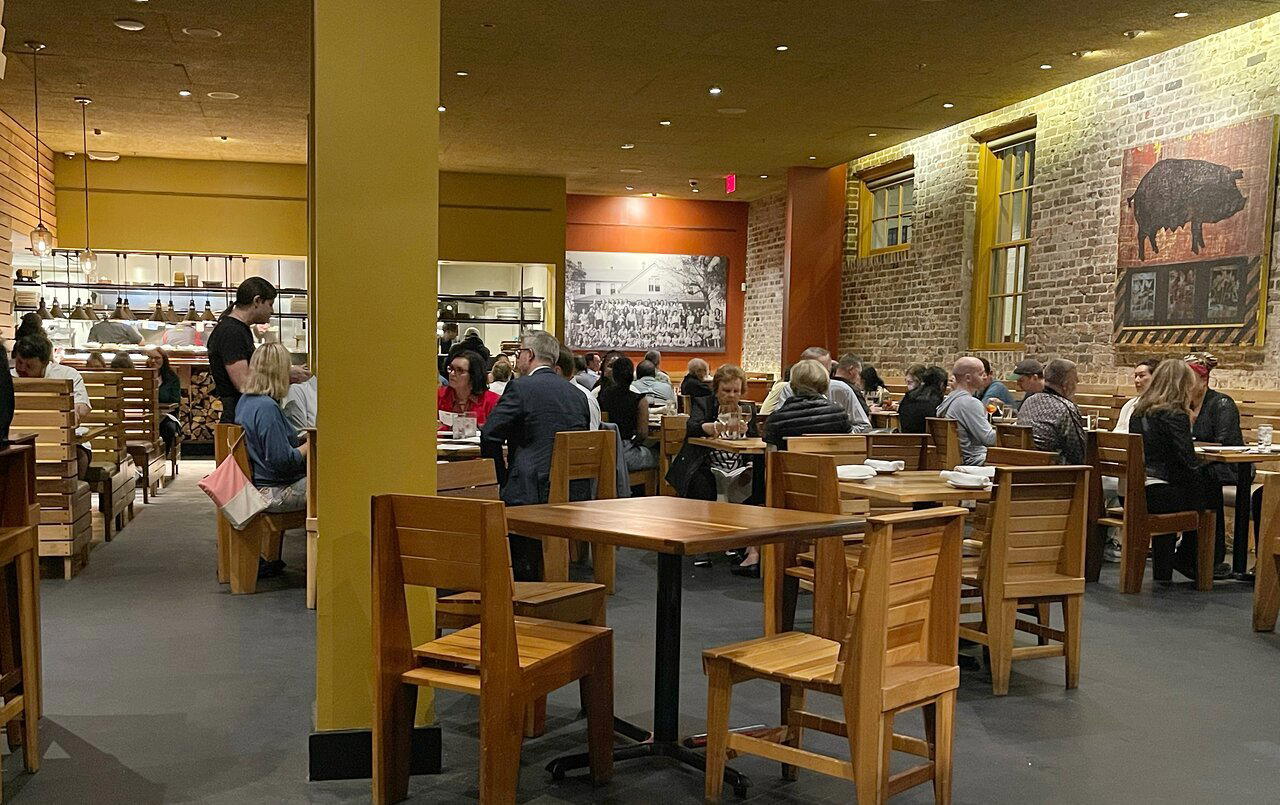
Bars in New Orleans
Browse all →
At a Glance
- Rustic
- Elegant
- Cozy
- Date Night
- Special Occasion
- Historic Building
- Craft Cocktails
- Farm To Table
- Local Sourcing
Rustic and elegant atmosphere in an old cotton mill with a focus on refined southern cuisine.