Easy Virtue
Our verdict
Easy Virtue occupies a Fulton Street address in New Orleans' Warehouse District, a neighbourhood that has repositioned itself steadily over the past two decades from industrial fringe to one of the city's more considered dining corridors. The bar and kitchen operate where the line between late-night drinking den and serious food program has been deliberately blurred, a tension the Warehouse District handles better than most American cities.

Pearl is the En Primeur Club membership app, where members save venues, book tables and use the concierge.

The menu
What to order
- Bananas Foster French Toast
- Biscuits and Gravy
- Pig Pop Tart
Where the Warehouse District's Reinvention Shows Up at the Table
New Orleans has always had a complicated relationship with reinvention. The city's culinary identity runs so deep, Creole gumbos, Cajun roux work, the French Quarter's long-established dining rooms, that anything operating outside that tradition has to earn its footing on different terms. The Warehouse District, running along Fulton Street and its surrounding blocks, represents one of the more sustained attempts at that kind of recalibration. What was once a zone of loading docks and storage facilities has, over roughly twenty years, accumulated a dining and arts scene that now sits in genuine dialogue with the city's older neighbourhoods rather than simply imitating them.
Easy Virtue at 878 Fulton St sits inside this broader shift. The address itself signals intent: Fulton Street is far enough from Bourbon Street's noise to attract a different crowd, close enough to the Convention Center and the Crescent City Connection corridor to pull in visitors who have done their research. Venues that choose this block are, in effect, choosing a particular kind of New Orleans customer, one who has likely already eaten at Emeril's on the same street and is looking for what comes after the flagship experience.
The Warehouse District's Evolving Dining Register
Understanding Easy Virtue requires understanding the competitive geography it occupies. The Warehouse District has split, as many gentrifying American dining neighbourhoods do, between venues that anchor on heritage and those that deliberately resist it. On one end: long-running Creole institutions, tourist-facing steakhouses, and the kind of white-tablecloth rooms that Bayona in the French Quarter exemplifies for New American cooking. On the other: a newer generation of rooms that approach Louisiana ingredients without necessarily dressing them in Creole orthodoxy.
This second category has grown more confident in New Orleans over the past decade, and the Warehouse District has become one of its natural homes. Contemporary-leaning programs like Re Santi e Leoni and the higher-price-point ambition of Saint-Germain suggest an audience willing to pay for cooking that references New Orleans without being defined by it. Zasu, with its American Contemporary positioning at a mid-to-upper price tier, occupies similar ground. Easy Virtue enters this conversation at its own angle.
The Evolution of a Fulton Street Room
Venues on Fulton Street have had to adapt as the neighbourhood's composition has changed. The corridor that once relied primarily on convention traffic and post-game crowds from the nearby Smoothie King Center has, particularly since the mid-2010s, seen a more locally-driven clientele arrive alongside the visitor base. That shift changes what a room has to do: the menu has to hold up to repeat visits, the drinks program has to function independently of the food occasion, and the physical space has to work at 7pm for dinner and at midnight for something closer to a bar experience.
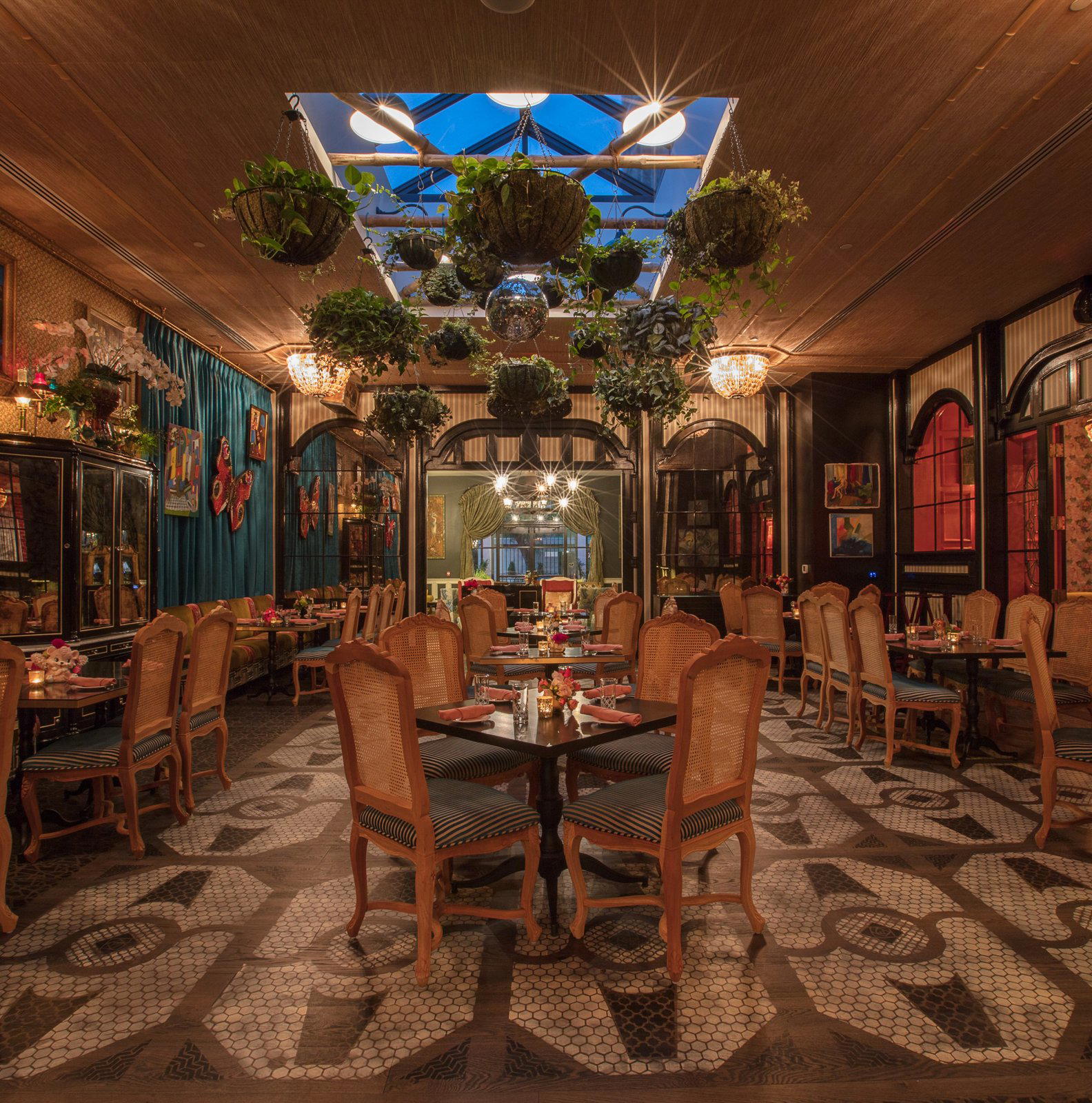
Easy Virtue's name carries its own editorial position. It implies a certain moral looseness, an evening that doesn't have to justify itself, which is a specific choice in a city that has always understood pleasure as a civic value rather than an indulgence to be explained. That framing puts it in a different register from the more earnest farm-to-table declarations that characterize venues like Blue Hill at Stone Barns in Tarrytown or the rigorous tasting-menu formats of Lazy Bear in San Francisco. New Orleans doesn't need a venue to lecture it about food provenance; it needs a venue to make the room feel worth staying in.
This orientation toward atmosphere and occasion over credential-signalling is, in fact, a distinct strategic position in a national dining scene that has moved heavily toward formalized fine-dining structures. Programs like The French Laundry in Napa, Le Bernardin in New York, and Smyth in Chicago define one pole of American dining ambition. Easy Virtue's name suggests it is not competing for that territory, which is itself an editorial decision that shapes everything from the seating arrangement to the tone of the menu copy.
What the Warehouse District Demands from a Bar-Forward Room
New Orleans has a cocktail culture with genuine historical depth, the Sazerac, the Ramos Gin Fizz, the Vieux Carré all originated here, and the city's bar programs are held to a higher standard of craft literacy than in most American cities. A venue on Fulton Street cannot treat its drinks list as an afterthought. The audience arriving after dinner at Providence in Los Angeles or post-performance at a venue near the Superdome will benchmark the cocktail against what they know from Bourbon Street's better bars and the French Quarter's historic rooms.
Bar-forward venues nationally have moved away from the maximalist theatrics that defined the speakeasy era of the 2010s toward programs with clearer technical identity, a shift visible in cities from New York to San Francisco. Venues like Atomix in New York demonstrate how a rigorous conceptual frame can anchor an evening's experience across food and drink simultaneously. In New Orleans, the bar-and-kitchen hybrid has a different lineage: less concept-driven, more occasion-driven, with the city's Catholic relationship to nightlife running as an undercurrent.
Placing Easy Virtue in a Broader American Dining Conversation
Across the United States, venues that deliberately avoid the tasting-menu ladder, the progression from Addison in San Diego to Single Thread in Healdsburg to The Inn at Little Washington and the farm-integrated model of Frasca Food & Wine in Boulder, occupy a harder-to-read but no less considered tier. The difficulty is that the critical apparatus for evaluating fine dining is well-established, while the vocabulary for evaluating a room that prioritizes mood, occasion, and the quality of a night rather than the progression of a tasting menu is less codified. Even internationally, venues like Atelier Moessmer Norbert Niederkofler in Brunico represent the kind of place-specific, produce-led ambition that earns formal recognition; Easy Virtue operates in a register where the evening's quality is the credential.
New Orleans rewards that register more consistently than most American cities. The local dining culture has always valued the experience of eating and drinking together above the performance of fine-dining protocol. For visitors who have covered the canonical stops, the Creole institutions, the updated Cajun programs, the city's Michelin-adjacent rooms, Easy Virtue's Fulton Street address represents a different kind of evening: lower on ceremony, higher on the specific pleasure of being in New Orleans at night.
For a fuller orientation to where Easy Virtue fits within the city's broader restaurant scene, see our full New Orleans restaurants guide.
Know Before You Go
- Address: 878 Fulton St, New Orleans, LA 70130
- Neighbourhood: Warehouse District
- Phone: Not publicly listed, check current listings for updated contact details
- Reservations: Confirm current booking policy directly with the venue
- Hours: Verify current opening hours before visiting, as Warehouse District venues adjust seasonally
Frequently asked questions
Is Easy Virtue suitable for children?
Easy Virtue sits on Fulton Street in New Orleans' Warehouse District, a corridor that skews toward adult diners and evening crowds. The bar-forward format and late-night energy at venues in this stretch tend to suit adults rather than families with young children. That said, specific policies on children are not documented, so it's worth calling ahead before visiting with kids.
What's the vibe at Easy Virtue?
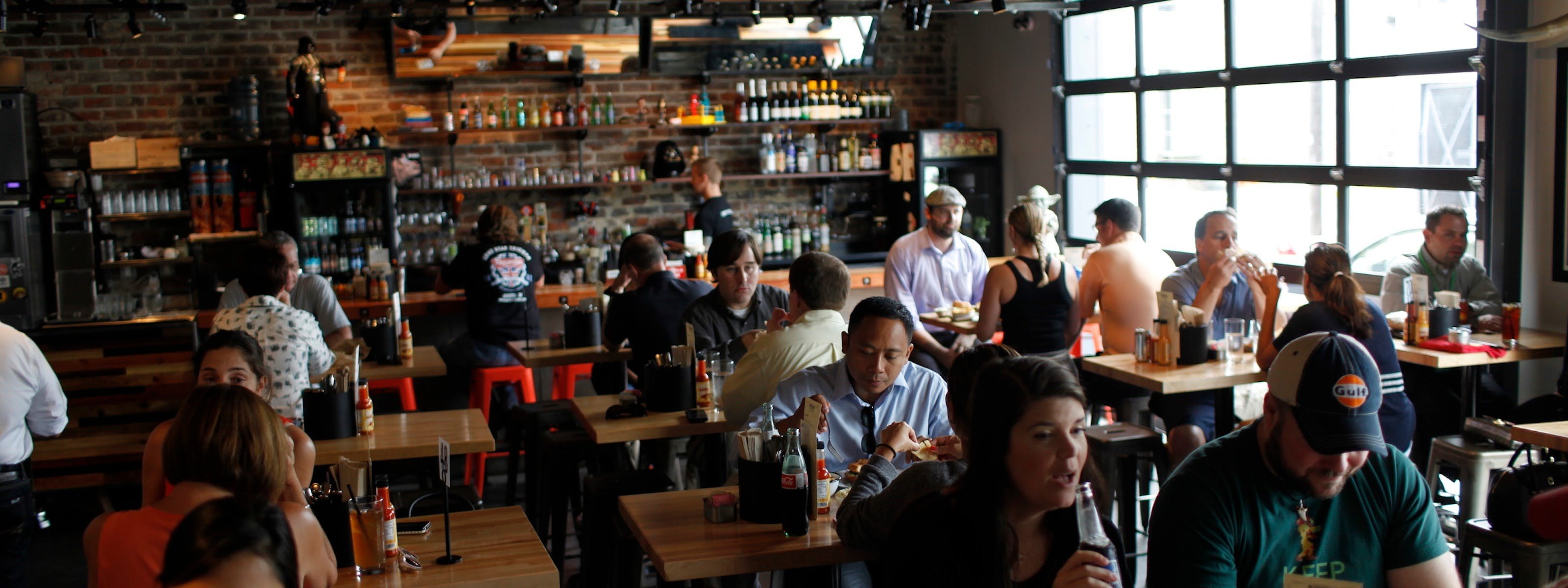
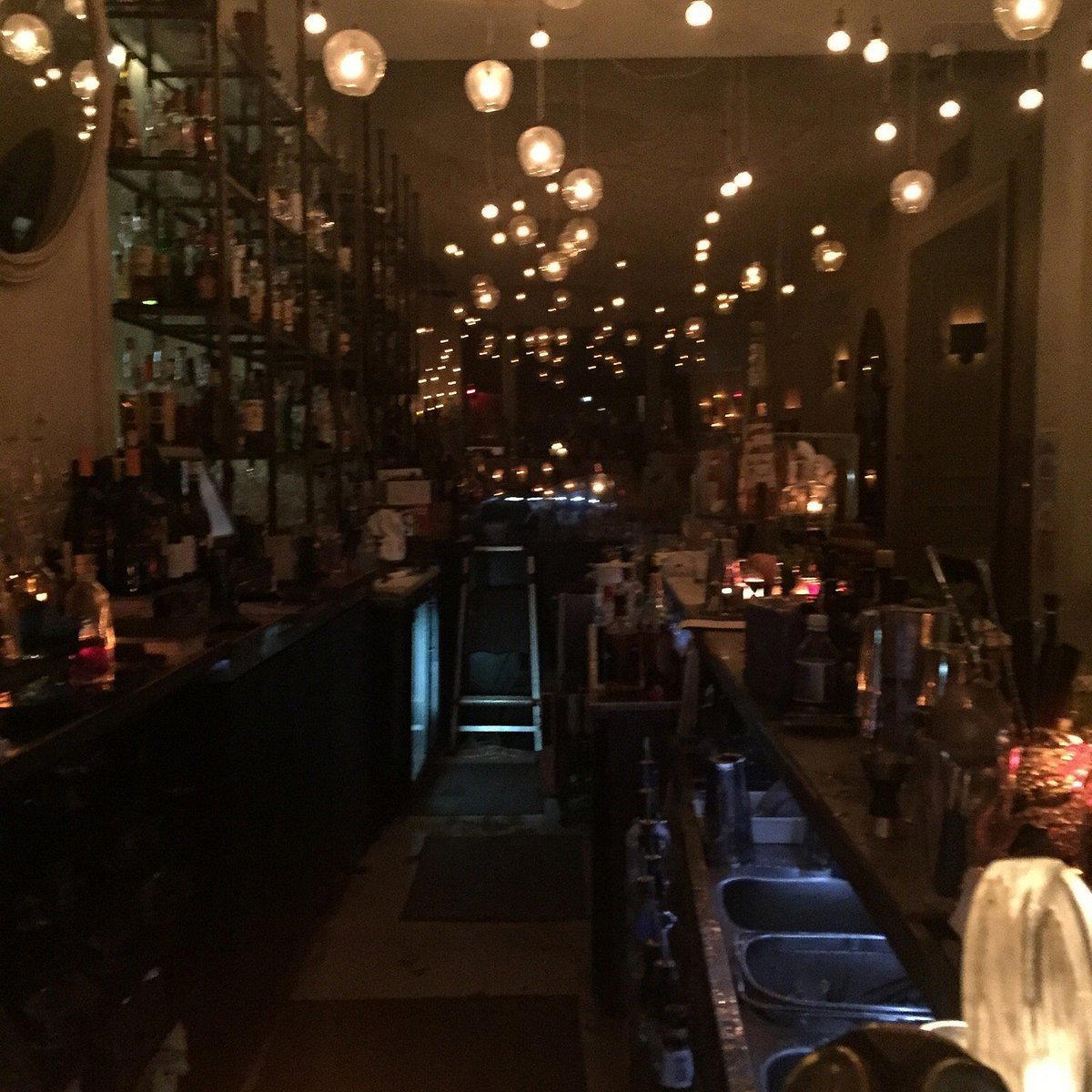
The room occupies 878 Fulton St in the Warehouse District, a neighbourhood that has shifted from convention-dependent foot traffic toward a more local, after-work dining culture. Expect a relaxed but grown-up atmosphere where cocktails carry as much weight as the food menu, more neighbourhood bar room than formal restaurant.
How does Easy Virtue fit into New Orleans' cocktail culture?
New Orleans is the originating city for drinks like the Sazerac, the Ramos Gin Fizz, and the Vieux Carré, which sets a high baseline for any bar-forward room operating here. Easy Virtue at 878 Fulton St positions itself within that tradition rather than against it, making the cocktail program central to the experience rather than incidental to a food-first concept. That placement in the Warehouse District puts it among venues navigating a neighbourhood with genuine historical drinking depth and a growing local dining audience.
What dish is Easy Virtue famous for?
What the Warehouse District context suggests is a kitchen that supports a bar-forward room rather than leading with a tasting-menu format, meaning the food offer is likely approachable and rotates with the drinking program.
Where is Easy Virtue in New Orleans?
Easy Virtue is located at 878 Fulton St, New Orleans, LA 70130, New Orleans.
Should I book Easy Virtue in advance?
Easy Virtue is located on Fulton Street, a corridor that draws both local diners and visitors staying near the Convention Center. Venues in this part of New Orleans tend to fill quickly on weekends and during festival periods. Booking ahead is advisable, particularly for Thursday through Saturday evenings.
What makes Easy Virtue worth seeking out?
Easy Virtue occupies a specific gap in the Warehouse District's dining register: a cocktail-anchored room that doesn't pursue the tasting-menu or fine-dining ladder that defines much of New Orleans' critical attention. For diners who want serious drinking alongside a kitchen that earns its place rather than plays support act, Fulton Street's address at No. 878 is a deliberate alternative to the city's more formal options.
A quick snapshot of similar venues for side-by-side context.
| Venue | Cuisine | Price | Awards | Notes |
|---|---|---|---|---|
| Easy VirtueThis venue (the venue you are viewing) | Modern American Brunch & Tapas | $30–50 | Not listed | Not listed |
| Emeril’s | Modern Creole-Cajun Fine Dining | $150–200 | 2 Michelin Stars · World's 50 Best #20 | Not listed |
| Re Santi e Leoni | Modern Italian Fine Dining | $100–150 | 1 Michelin Star | Contemporary |
| Bayona | Modern Creole Fine Dining | $100–150 | World's 50 Best #45 · James Beard Award Best Chefs | Not listed |
| Pêche Seafood Grill | Modern Seafood Grill | $50–100 | Michelin Plate · James Beard Award Semi Finalist | Not listed |
| Commander’s Palace | Modern Creole | $50–100 | La Liste Top Restaurants · Star Wine List | Not listed |