The Husky
On Freret Street, one of New Orleans' most reliably interesting dining corridors, The Husky occupies the kind of address that rewards the reader who looks past the French Quarter circuit. The kitchen operates within a neighbourhood that has quietly accumulated some of the city's more considered restaurants, positioning The Husky alongside a local scene defined less by tourist traffic and more by returning regulars.
Pearl is the En Primeur Club membership app — saves, bookings, and concierge access live there. Same editors, same standards.
- Address
- 4510 Freret St, New Orleans, LA 70115
- Phone
- +15047667159
- Website
- thehuskynola.com
- Directions
- Get directions
 Saves & bookings on Pearl
Freret Street and the New Orleans Neighbourhood Restaurant
New Orleans dining has always had two speeds: the French Quarter circuit, where out-of-town demand sets the terms, and the uptown neighbourhood corridor, where locals set the terms. Freret Street, running through the Broadmoor and Freret neighbourhood, belongs firmly to the second category. Over the past decade it has evolved from a largely commercial strip into one of the city's more interesting stretches for eating and drinking, accumulating independent operators who price against local appetites rather than convention-season demand. The Husky, a cabin-inspired steakhouse at 4510 Freret St in New Orleans, sits inside that pattern.
Freret Street restaurants tend to run on repeat business. That dynamic shapes everything from the pace of service to the depth of the wine list to the way the room feels on a Tuesday night versus a Saturday. The same forces that produced serious neighbourhood operators in neighbourhoods like Mid-City and the Marigny are at work here.
The Collaborative Model Behind the Room
In American fine-casual dining, the kitchens that build durable reputations tend to operate through distributed authority rather than a single culinary auteur. The template is visible in restaurants like Lazy Bear in San Francisco and Blue Hill at Stone Barns in Tarrytown, where the front-of-house, the sommelier, and the kitchen function as a genuine team rather than support staff for a single personality. The result, when it works, is a room where the service reads as knowledgeable without being performative, and where the drink program is integrated with the food rather than bolted on.
The Husky operates on Freret Street within this broader shift in how serious American restaurants structure themselves. The neighbourhood context reinforces it: a street-level restaurant in Broadmoor cannot sustain itself on spectacle. The team dynamic has to carry the room night after night, which means the front-of-house needs to know the food, the kitchen needs to understand the pacing the room demands, and whoever oversees the cellar or the bar program needs to make choices that work for the actual food being served rather than for a list designed to impress on paper.
New Orleans has its own version of this model. Restaurants like Bayona in the French Quarter and Saint-Germain demonstrate that the city's dining culture, rooted in Creole and Cajun tradition but increasingly open to contemporary formats, supports operators who approach service as a craft in its own right. Zasu, also in the uptown orbit, shows how American Contemporary formats can take root in the city without abandoning its core hospitality character.
Where The Husky Sits in the New Orleans Dining Map
New Orleans restaurant culture is unusually layered for a city of its size. At one end, you have the historically anchored flagships: Emeril's and Commander's Palace carry decades of institutional weight and operate as reference points for the city's Cajun and Creole tradition. At the other end, a newer generation of operators has been building smaller, more format-specific restaurants that price and programme against a different set of expectations. Re Santi e Leoni represents the contemporary end of that shift.
The Freret Street corridor sits between those poles. It is not trying to be a destination address in the way that the Garden District or the French Quarter function for visitors, but it has accumulated enough quality that it draws from across the city. That positioning gives operators on the strip a different kind of freedom: the room is not weighted with the expectation that every dish has to represent New Orleans cuisine to an out-of-town diner. The kitchen can make choices for the actual room it is serving.
For context on how this neighbourhood dynamic plays out across American dining cities, the model is visible in places like Bacchanalia in Atlanta and Addison in San Diego, both of which built their reputations by serving a specific local audience with consistency rather than programming for broader recognition first. Recognition, when it came, followed the audience.
The Broader American Fine Dining Context
It is worth placing Freret Street restaurants against the national tier for orientation. The reference set for American fine dining at the leading end includes addresses like Le Bernardin in New York City, Alinea in Chicago, The French Laundry in Napa, Atomix in New York City, and Providence in Los Angeles. These operate in a different tier, defined by tasting menus, multi-month booking windows, and the full apparatus of fine dining service. Single Thread Farm in Healdsburg and The Inn at Little Washington add the residential-retreat dimension to that tier.
The Freret Street category is a different proposition entirely. The comparison set here is neighbourhood-anchored restaurants that compete on consistency, genuine hospitality, and a drink programme that reflects editorial care rather than volume purchasing. That is not a lesser ambition; it is a different one, and in many cities it produces particularly reliably rewarding evenings available. Internationally, the same logic applies at restaurants like 8 1/2 Otto e Mezzo Bombana in Hong Kong, where the room's consistency over time is as much a credential as any single award cycle.
Know Before You Go
Cuisine and Recognition
Comparable venues nearby, for context on price, style, and recognition.
| Venue | Cuisine | Price | Notes |
|---|---|---|---|
| The HuskyThis venue — the venue you are viewing | Cabin-Inspired Steakhouse | $$$ | Not listed |
| Easy Virtue | Modern American Brunch & Tapas | $$$ | Arts District |
| Bistro Daisy | American Bistro with Creole Influences | $$$ | Audubon |
| Annunciation | Modern Creole & Southern | $$$ | Arts District |
| Sunnies | Contemporary American Poolside | $$ | Freret |
| Brewery Saint X | American Brew Pub | $$ | Central Business District |
Continue exploring
More in New Orleans
Restaurants in New Orleans
Browse all →
Bars in New Orleans
Browse all →
At a Glance
- Trendy
- Modern
- Elegant
- Date Night
- Special Occasion
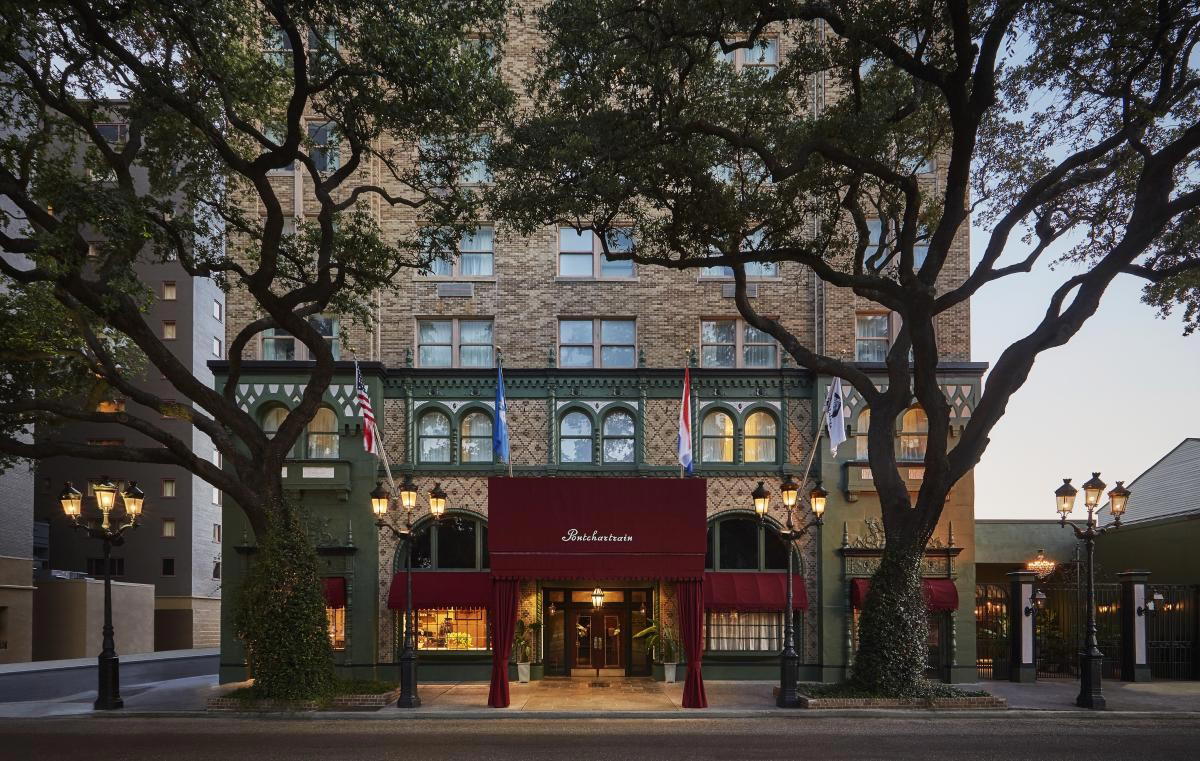
- Historic Building
- Craft Cocktails
Current opening hours
- Monday
- 4–10 PM
- Tuesday
- 4–10 PM
- Wednesday
- 4–10 PM
- Thursday
- 4–10 PM
- Friday
- 4–11 PM
- Saturday
- 4–11 PM
- Sunday
- 4–10 PM
Hours can change for holidays and private events. Last verified .
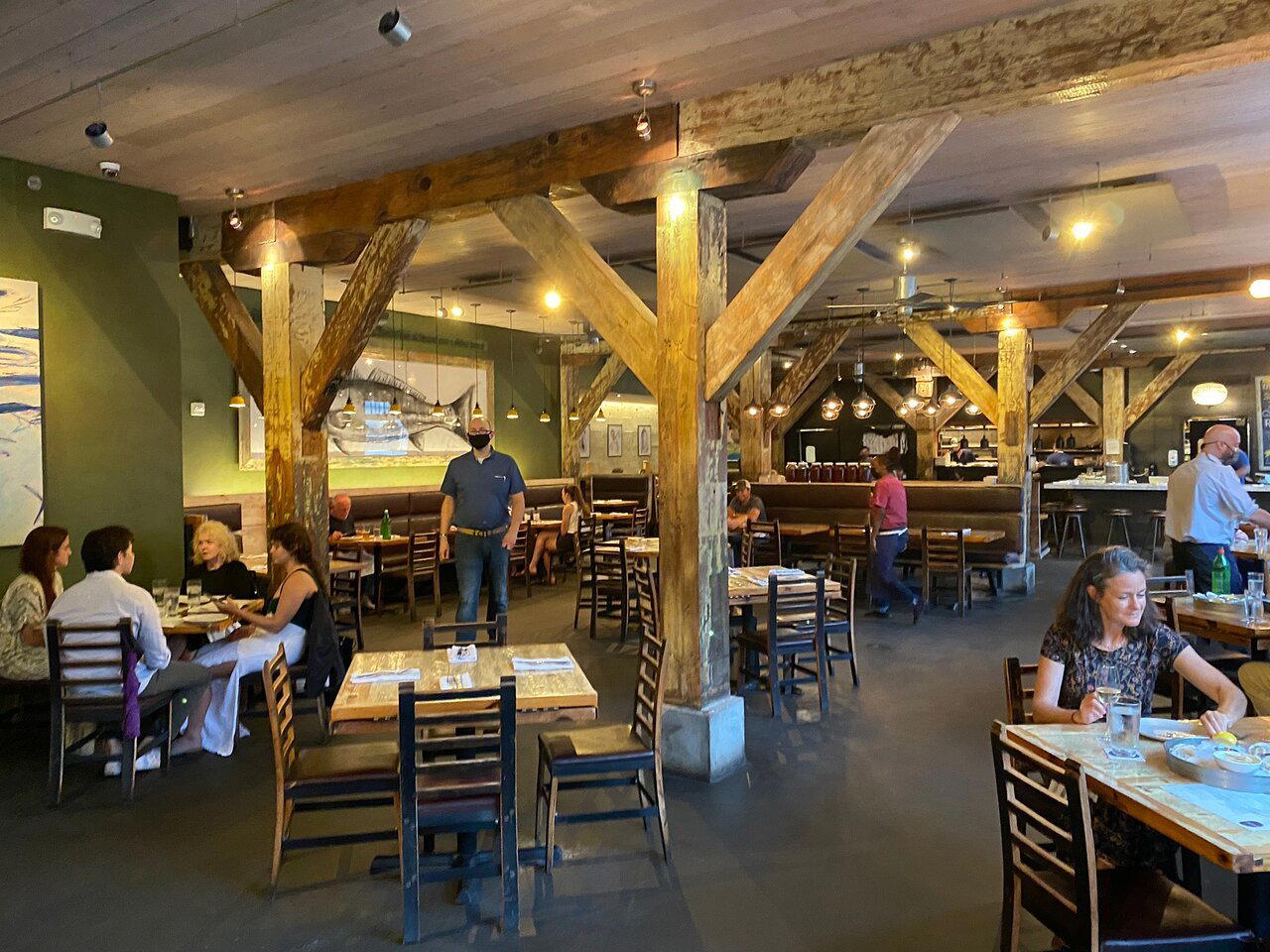
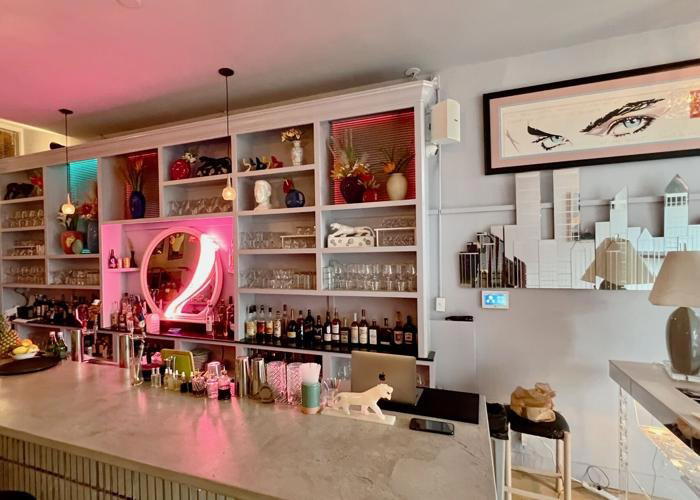
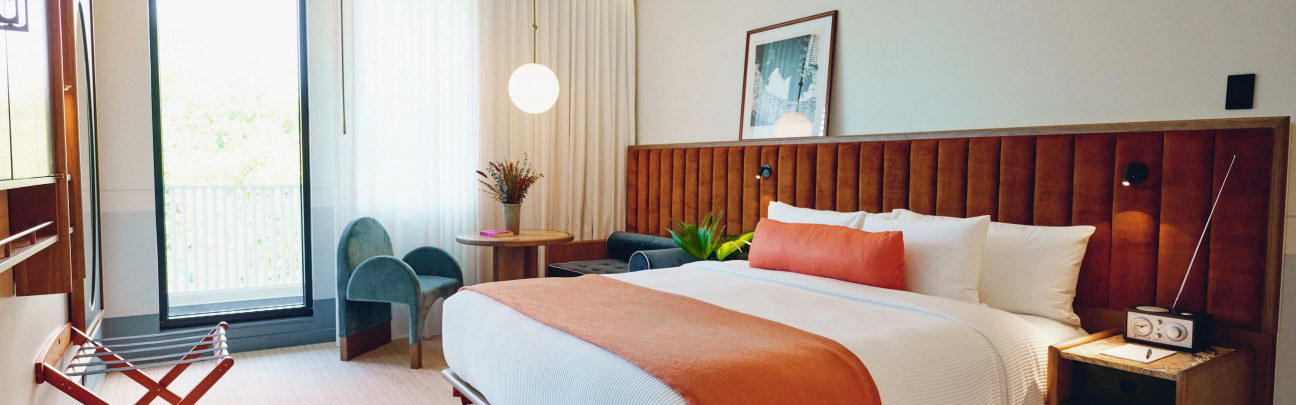
Nautical-themed cabin-inspired interior with deco vibe, moderate noise level, and upscale atmosphere.