
Sa Clastra gives Calvià a serious rural counterpoint to the coast’s hotel dining circuit, with a 2026 Guía Repsol 1 Sol placing it in Spain’s contemporary restaurant conversation. The appeal is ingredient-led rather than spectacle-led: Mallorca’s inland produce, island seasonality, and a more composed creative format shape the reason to go.
Pearl is the En Primeur Club membership app — saves, bookings, and concierge access live there. Same editors, same standards.
- Address
- Carretera Es Capdellà, Km 1,7, 07196 Galilea, Illes Balears, Spain
- Directions
- Get directions
 Saves & bookings on Pearl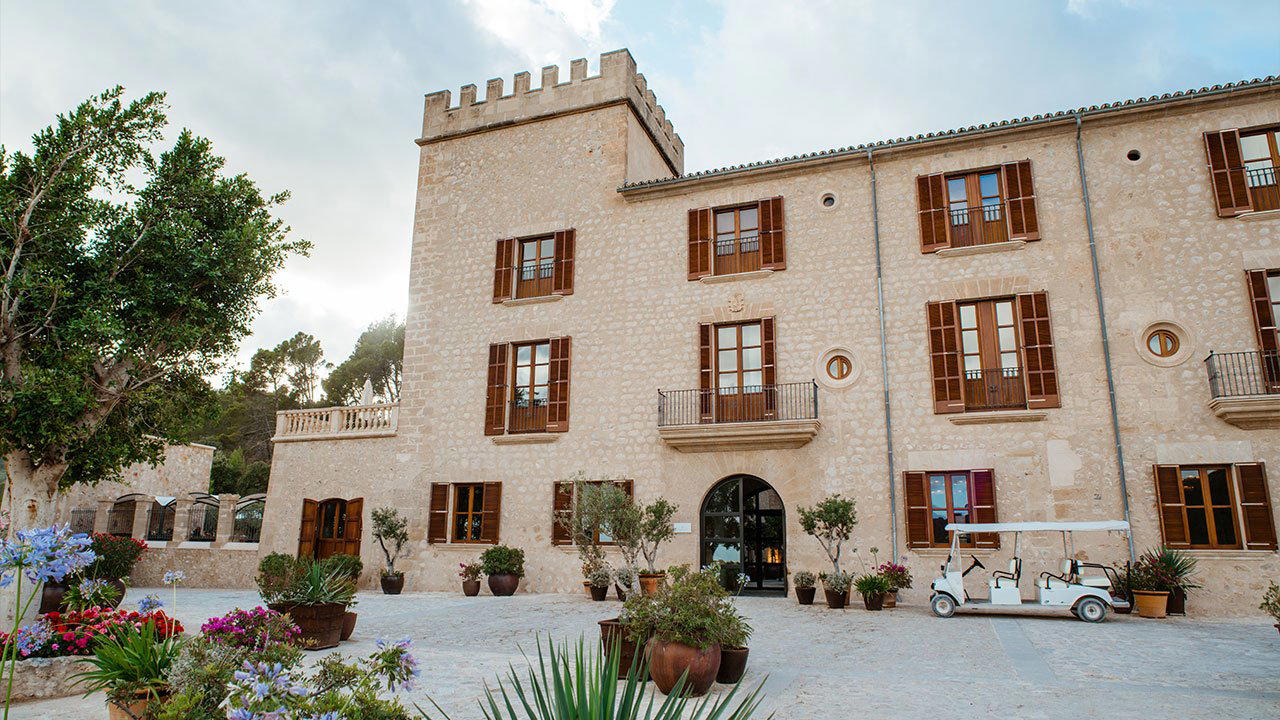
The approach to Galilea shifts the register before dinner begins: Calvià’s resort edge gives way to dry-stone walls, pine, and the slower rhythm of inland Mallorca. That change matters. In a municipality often read through beach clubs, marina restaurants, and hotel dining rooms, Sa Clastra belongs to a quieter category: destination dining that uses the island’s rural interior as context, not decoration.
Mallorca’s serious restaurant scene has become more confident about sourcing over the past decade. The old split between coastal fish houses and inland cellers is no longer enough to explain how the island eats at the higher end. Contemporary kitchens now work with a broader island pantry: vegetables from small plots, citrus, almonds, olive oil, herbs from dry terrain, lamb, pork, and seafood treated as part of a wider agricultural system rather than the whole story. Sa Clastra fits that shift, and its 2026 Guía Repsol 1 Sol gives the claim external weight without turning the meal into an awards exercise.
Rural Mallorca gives the cooking its frame
The stronger reason to travel inland for dinner is not novelty; it is calibration. Away from the coast, a restaurant has less permission to rely on view, footfall, or holiday impulse. The food has to carry the evening. That pressure suits ingredient-led cooking, especially on an island where seasonality is not a decorative word but a practical limit. Summer heat, winter citrus, spring vegetables, and the availability of local seafood all shape what a kitchen can responsibly put forward.
Calvià’s dining range makes that contrast useful for travellers planning more than one serious meal. A steakhouse built around fire and dry-aged meat, such as Leña by Dani García, answers a different appetite from a rural creative restaurant. Nikkei and Japanese-leaning formats, including Matsuhisa, import another grammar of luxury: precision, raw fish, soy, citrus, and tightly managed brand codes. Jacinta brings Mexican cooking into the local mix, while Leppoc operates in a Mediterranean all-day register. Against those formats, Sa Clastra’s value is its island conversation: less about category recognition, more about how Mallorcan product can be edited into a contemporary meal.
That distinction is important because “creative” cooking in Spain can drift toward technique as display. The more persuasive version starts with supply: what the island grows, what the season allows, and how much intervention a product can take before it loses its origin. The Repsol recognition suggests a restaurant operating above casual rural charm, but the more interesting reading is comparative. In Calvià, where international hotel dining often sets the premium tone, an inland kitchen with national guide recognition broadens the map.
Why the setting changes the decision
For visitors staying along the coast, this is not the same decision as choosing another sea-facing table. The journey inland changes the pacing of the night and narrows the occasion: dinner becomes planned rather than opportunistic. That matters for families, mixed groups, and travellers comparing dining styles across a stay. A room built around composed cooking and award-recognised ambition is usually a stronger fit for adults who want a measured evening than for a restless, casual meal with children.
Calvià’s premium dining scene also sits inside a broader Balearic pattern. Ibiza has pushed theatrical dining hard, with venues such as 1742 in Ibiza representing the island-as-stage instinct. Mallorca’s inland restaurants tend to make a different argument: fewer gestures, more reliance on produce, and a closer relationship with rural architecture and agricultural memory. MAR Y MAR keeps the local comparison within Calvià, but the more useful point is the choice between coastal immediacy and inland intention.
Spain’s regional dining culture rewards this kind of specificity. A meal in Madrid at "B de J", tapas in Andalusia at 12 Tapas in Castilleja de la Cuesta, or a Basque-country stop such as 144. in Vitoria-Gasteiz each depends on local context rather than a single national style. The same applies here. Mallorca is not just another Mediterranean backdrop; its agricultural history, island logistics, and seasonal compression determine what serious kitchens can do well.
How to place it within a Calvià itinerary
The restaurant is better read as the anchor meal of an evening than as a convenient add-on. The restaurant’s inland position suits travellers already willing to leave the resort corridor, and the limited weekly dinner rhythm makes advance planning sensible. Because public-facing details such as a chef biography, signature dishes, and a standard price band are not central to the published identity, the safer expectation is not a named-dish pilgrimage but a composed, ingredient-focused dinner under a recognised Spanish guide signal.
For a fuller Calvià plan, the restaurant sits alongside a wider hospitality circuit rather than replacing it. Use our full Calvia restaurants guide to compare dining formats, then pair the evening with the right base from our full Calvia hotels guide. Drinks-led travellers can map the night through our full Calvia bars guide, while island producers and cellar stops belong in our full Calvia wineries guide. For travellers building a broader stay beyond restaurants, our full Calvia experiences guide gives the useful frame.
The broader comparison also helps prevent over-reading the restaurant as a generic luxury stop. Spain’s dining map can move from Rioja tradition at 1860 Tradición in Elciego to Barcelona waterfront cooking at 1881 per Sagardi in Barcelona, then out to Japanese-leaning casual formats abroad such as Jōdo Saké Bar in Los Angeles and Onigiri Time in Pasadena. The point is not that these restaurants compete with a rural Mallorcan dining room. It is that serious travellers now choose meals by format, sourcing logic, and regional expression. On those terms, the restaurant gives Calvià a more grounded proposition than another polished coastal room.
A Quick Peer Check
Comparable venues by cuisine and price in the same metro.
| Venue | Cuisine | Price | Notes |
|---|---|---|---|
| Sa ClastraThis venue — the venue you are viewing | Modern Mediterranean Fine Dining | $$$$ | Not listed |
| MAR Y MAR | Mediterranean Seafood Fusion | $$$ | Peguera |
| Matsuhisa | Nikkei Japanese | $$$$ | Punta Negra |
| Sobretaula | Authentic Spanish Tapas | $$$ | Punta Negra |
| Leppoc | Mediterranean and Levantine All-Day Dining | $$$ | Calvià |
| Jacinta | Contemporary Mexican | $$$ | Calvià |
Recognition history
Dated appearances from independent guides and award organizations, with the underlying list record or original source where available.
Guía Repsol 1 Sol
Guía Repsol
At a Glance
- Elegant
- Sophisticated
- Romantic
- Quiet
- Scenic
- Intimate
- Date Night
- Special Occasion
- Celebration
- Courtyard
- Historic Building
- Hotel Restaurant
- Design Destination
- Extensive Wine List
- Sommelier Led
- Local Sourcing
- Garden
- Mountain
Current opening hours
- Monday
- Closed
- Tuesday
- Closed
- Wednesday
- Closed
- Thursday
- 7–9 PM
- Friday
- 7–9 PM
- Saturday
- 7–9 PM
- Sunday
- Closed
Hours can change for holidays and private events. Last verified .
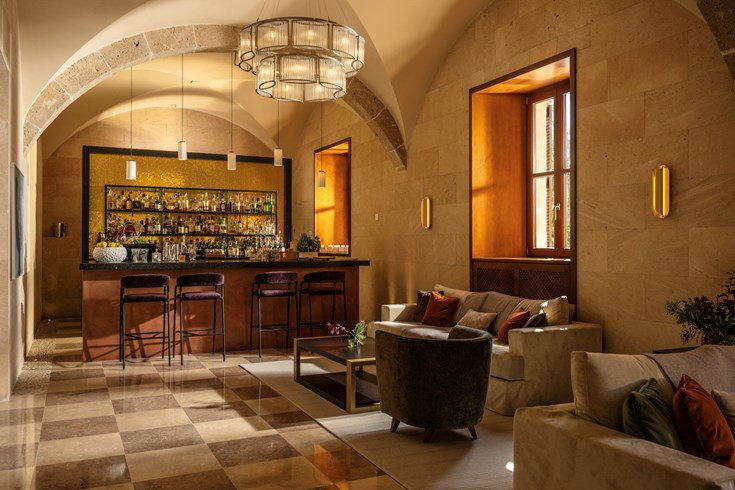
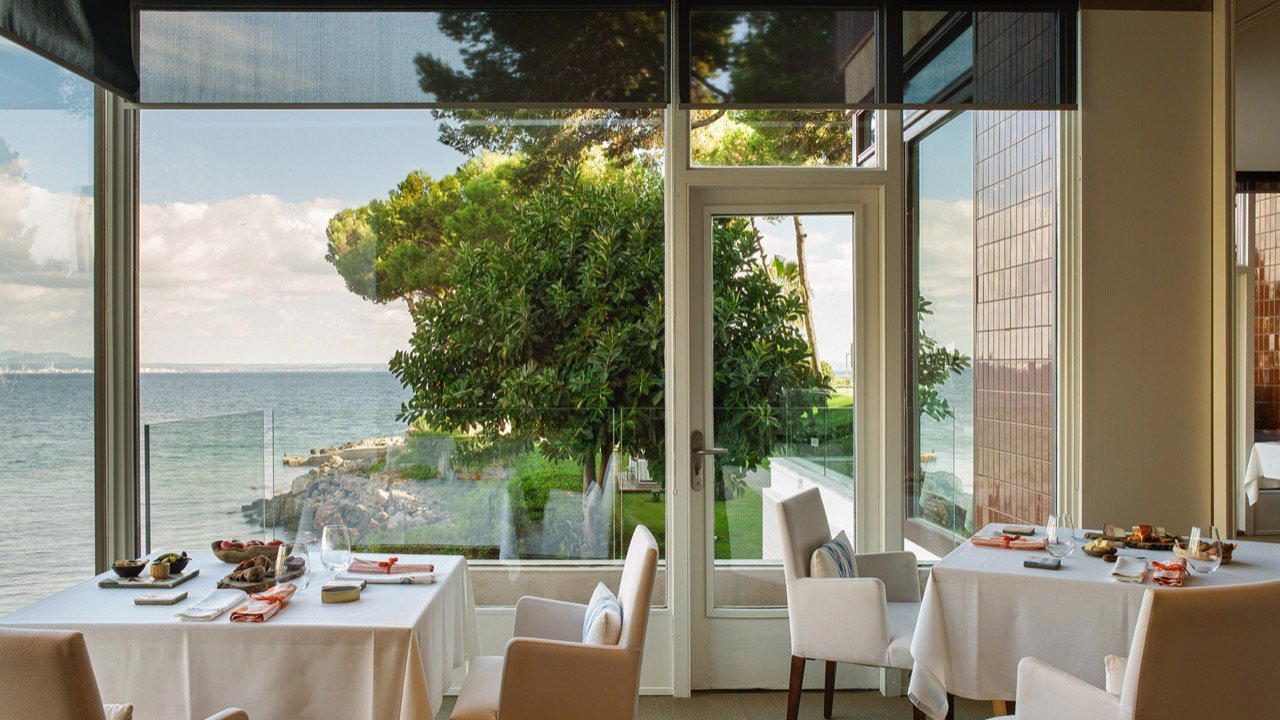
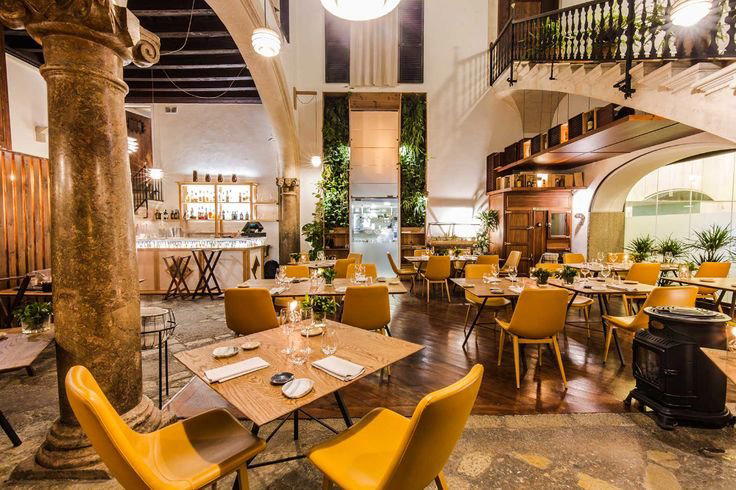
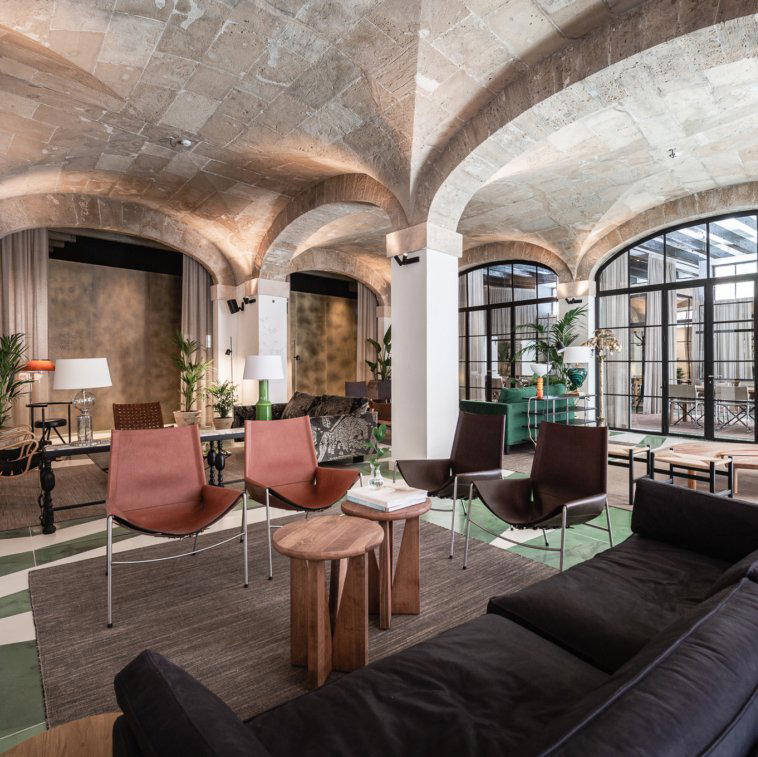
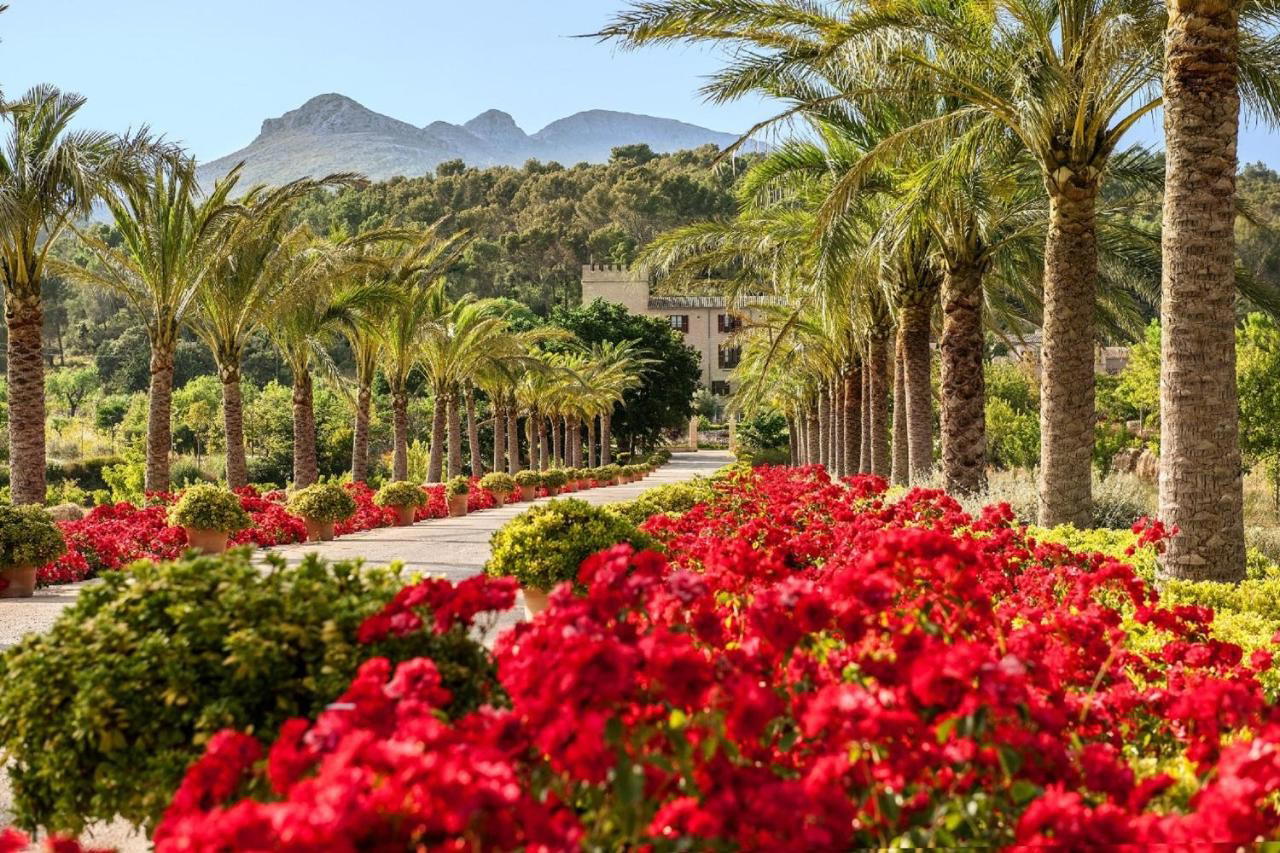
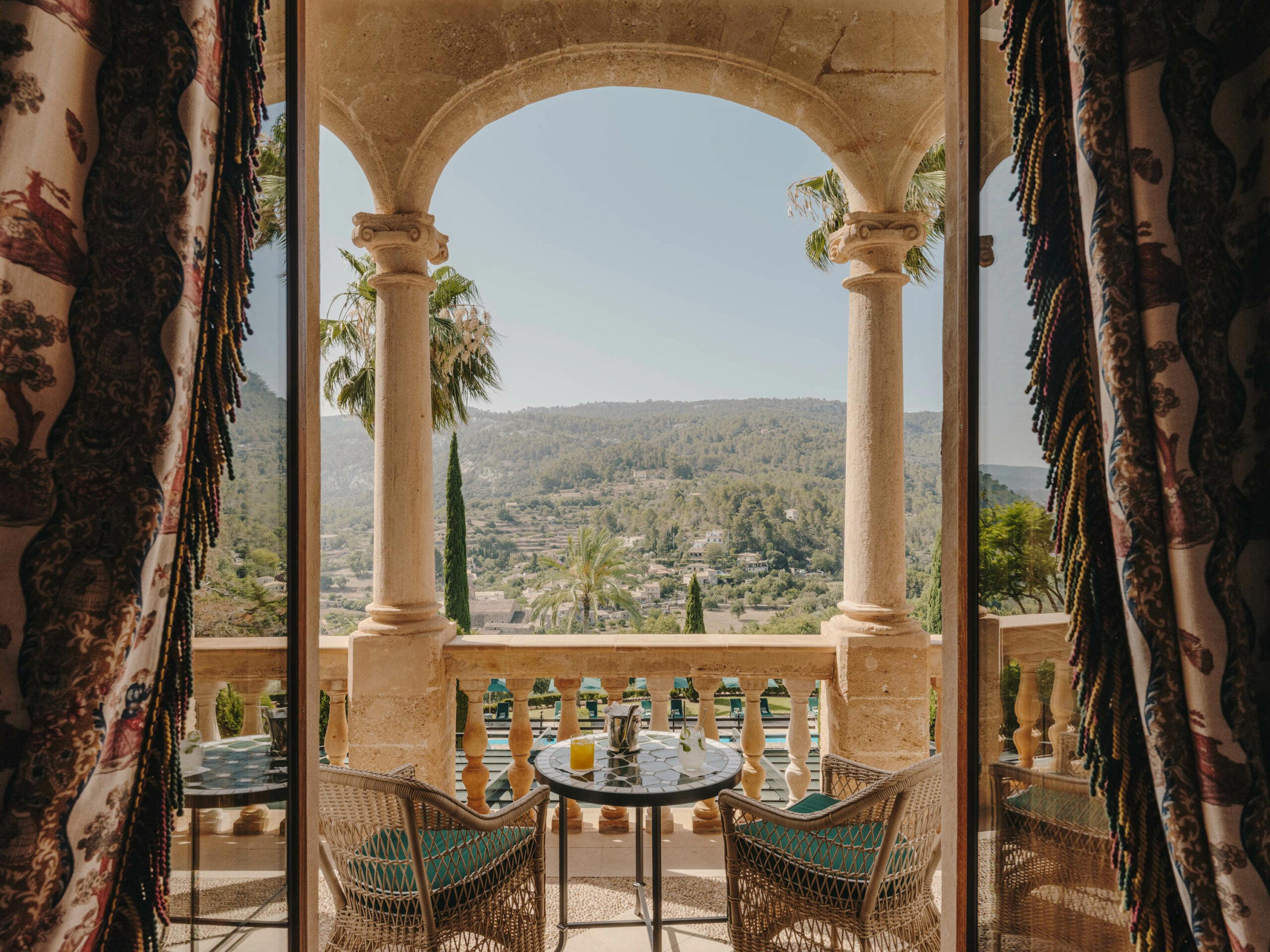
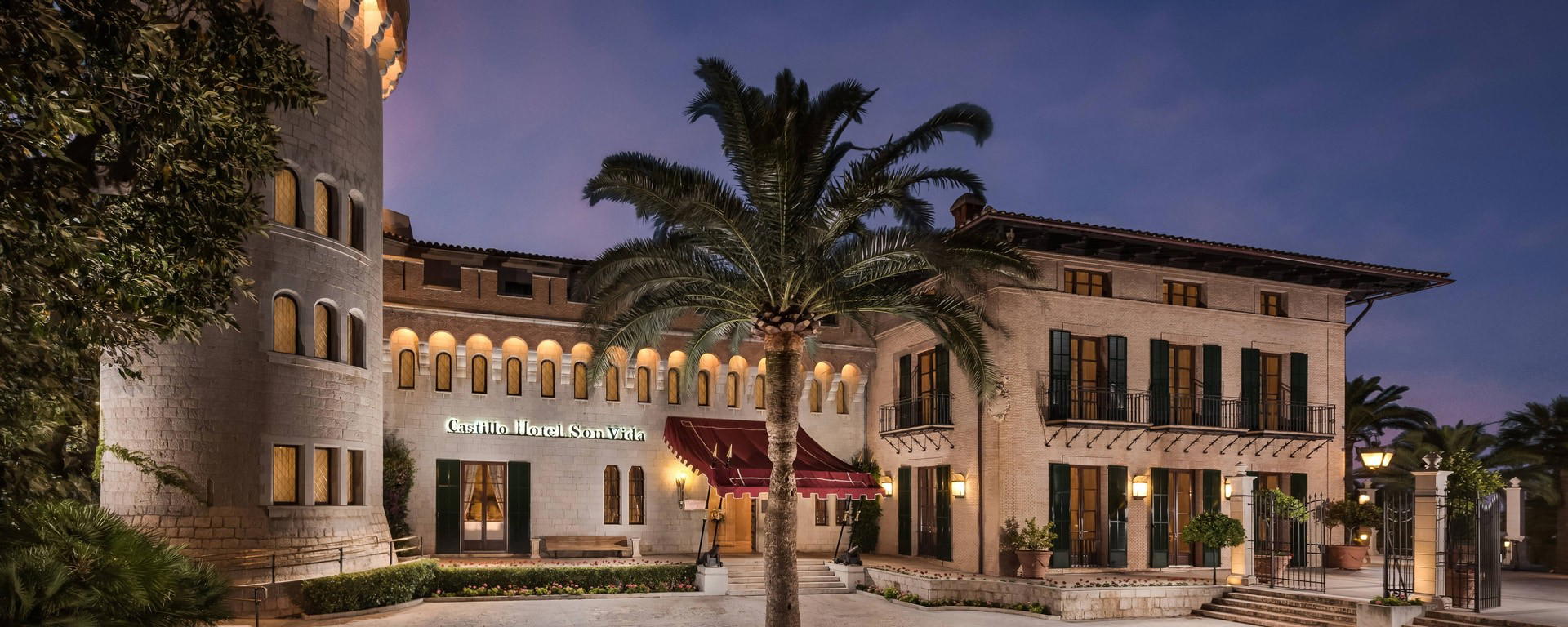
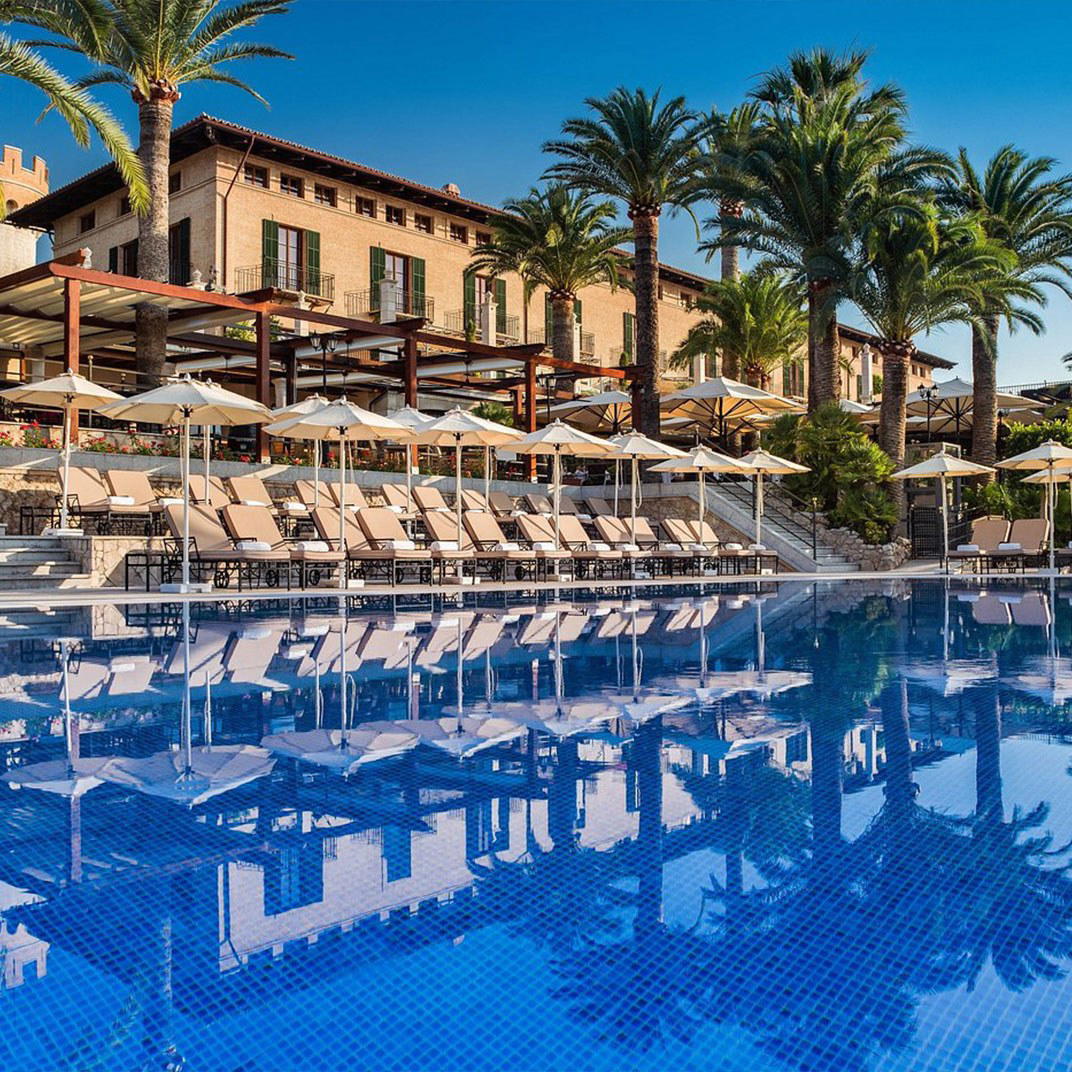
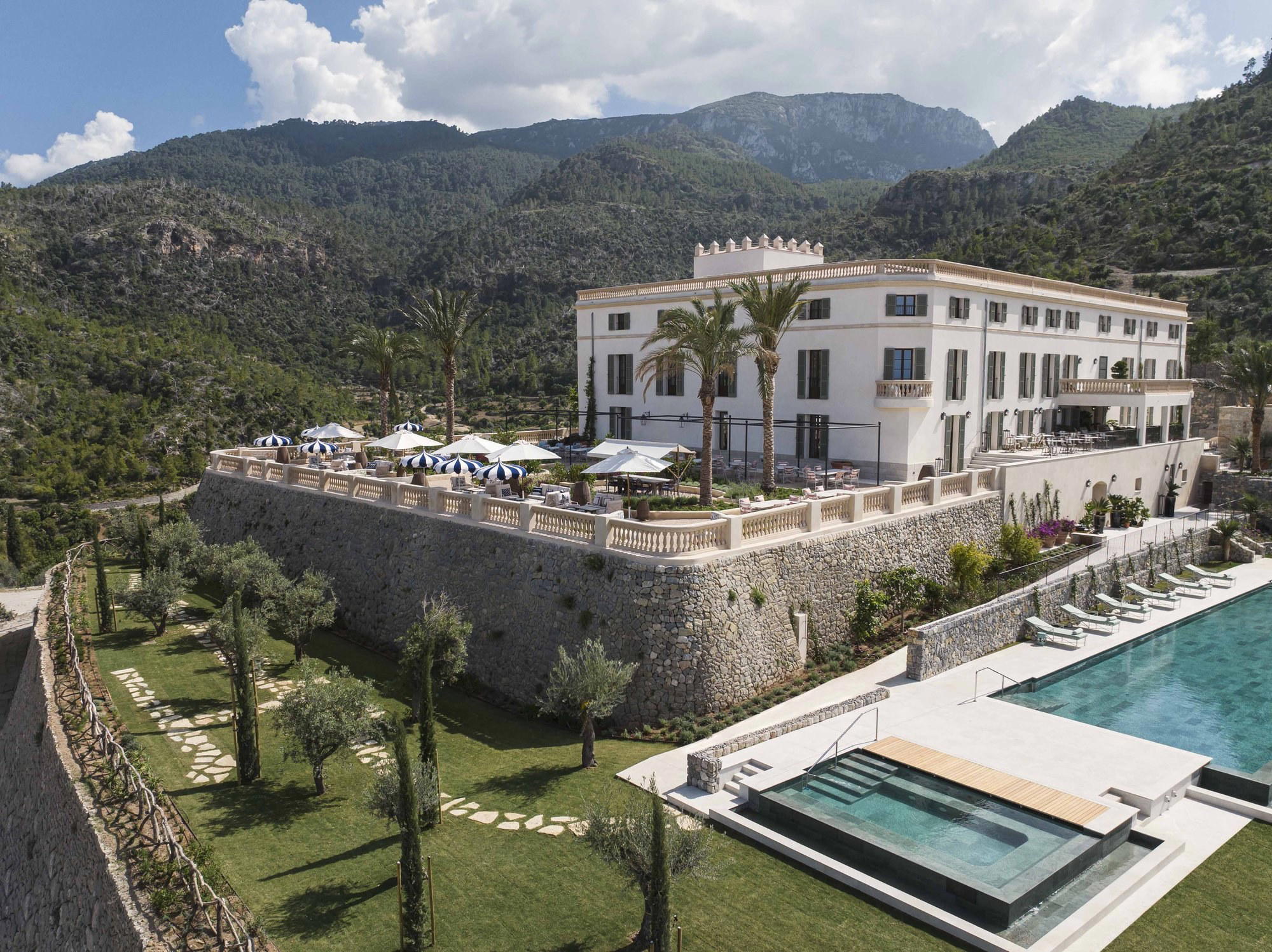
A refined, understated fine-dining setting with ancient stone walls, a romantic patio, soft lighting, and an intimate historic-courtyard feel.