
1 Michelin Key
Among Palma's Michelin Key-recognised hotels, Castillo Hotel Son Vida occupies a category of its own: a 174-room seigneurial property set in pine groves above the city, with bay and mountain views that most urban addresses cannot offer. Rates from $386 per night place it in the mid-to-upper tier of the island's classical luxury segment, competing on heritage and setting rather than boutique scale.
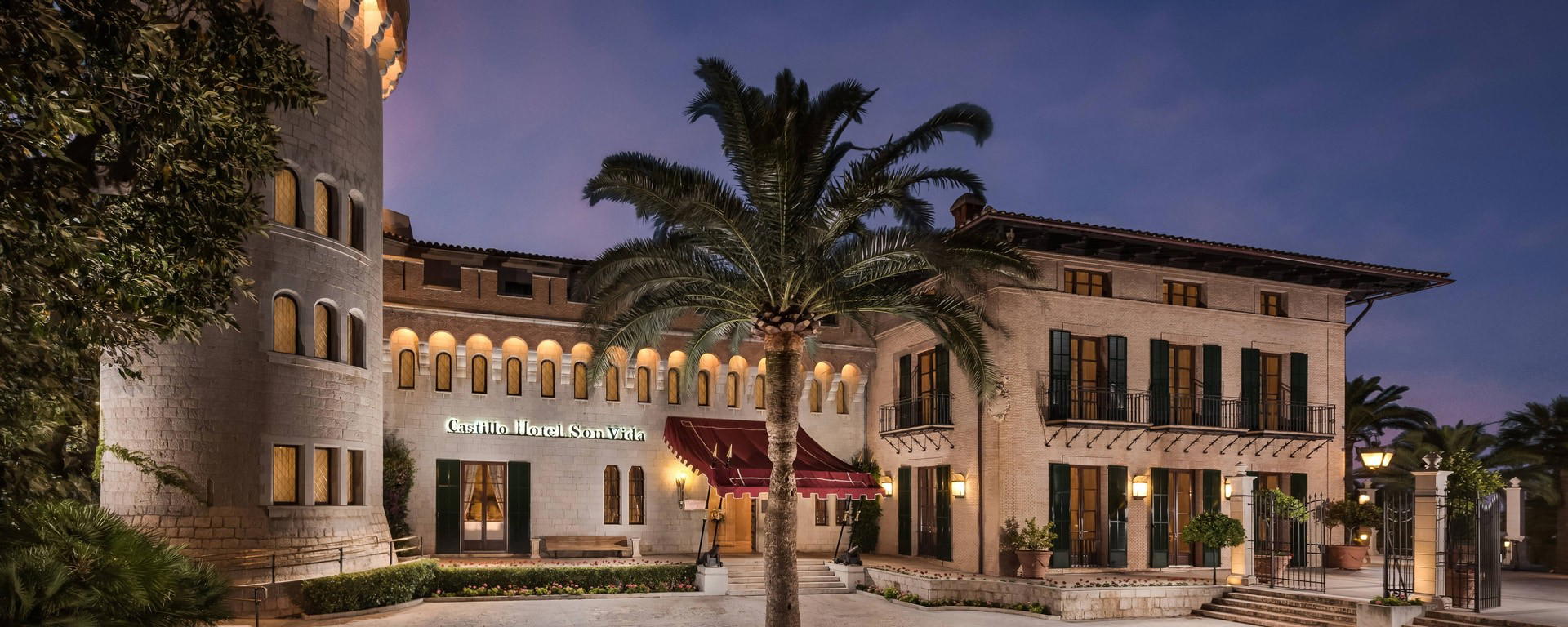
Above the City, Inside the Pines
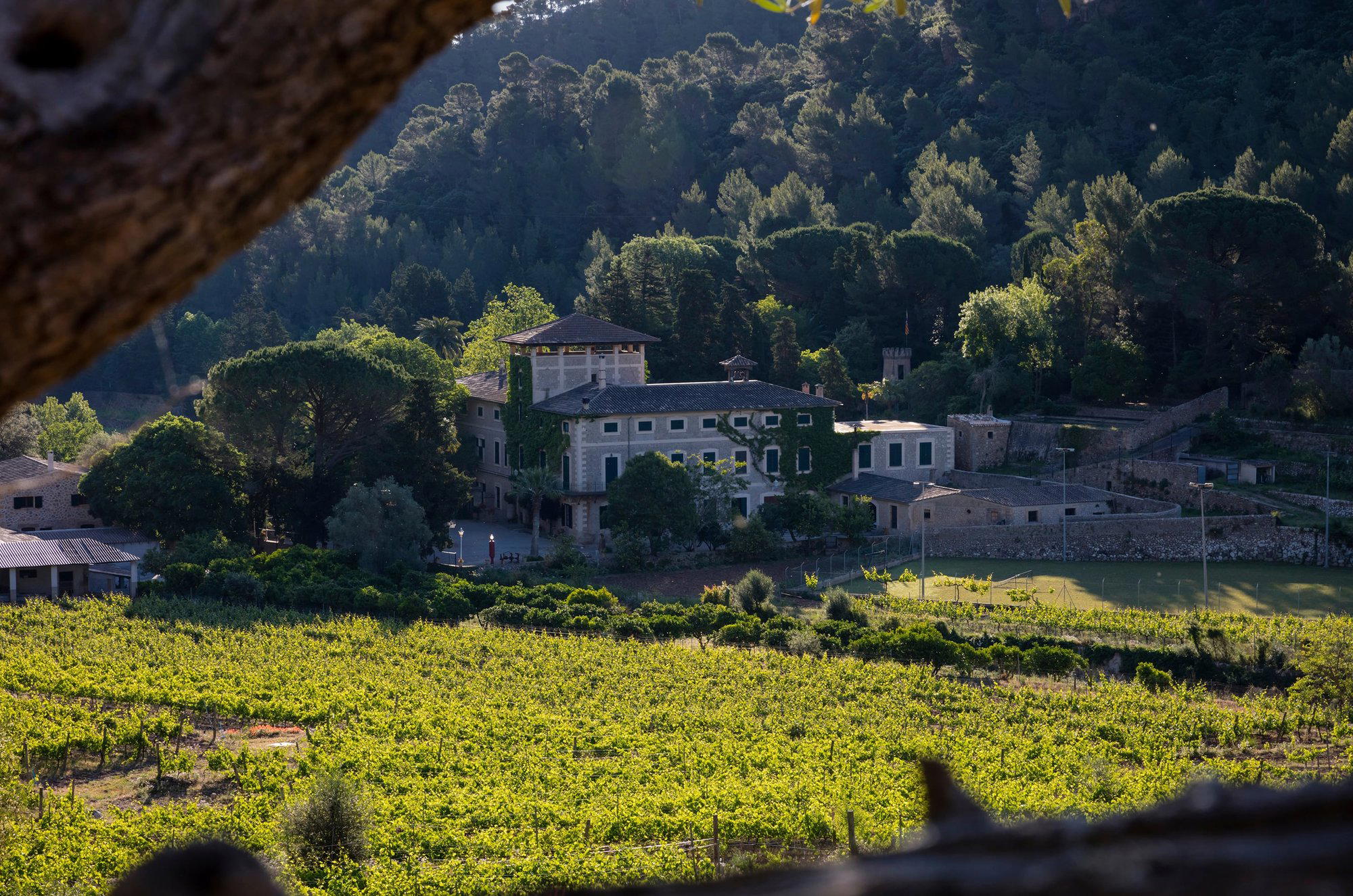
The approach to Son Vida tells you something about Palma's upper register before you reach a lobby or check a rate. The road climbs out of the urban grid and into a residential district that sits on a ridge above the bay, where pine groves replace apartment facades and the air carries less noise. Castillo Hotel Son Vida occupies a seigneurial property within that zone, a structure with the proportions and stone vernacular of a historic Mallorcan manor, surrounded by grounds that open onto views of the bay and the Tramuntana foothills beyond. The address is doing considerable work here: the hotel is not in Palma's Old Town, and that separation is not a compromise. It is the point.
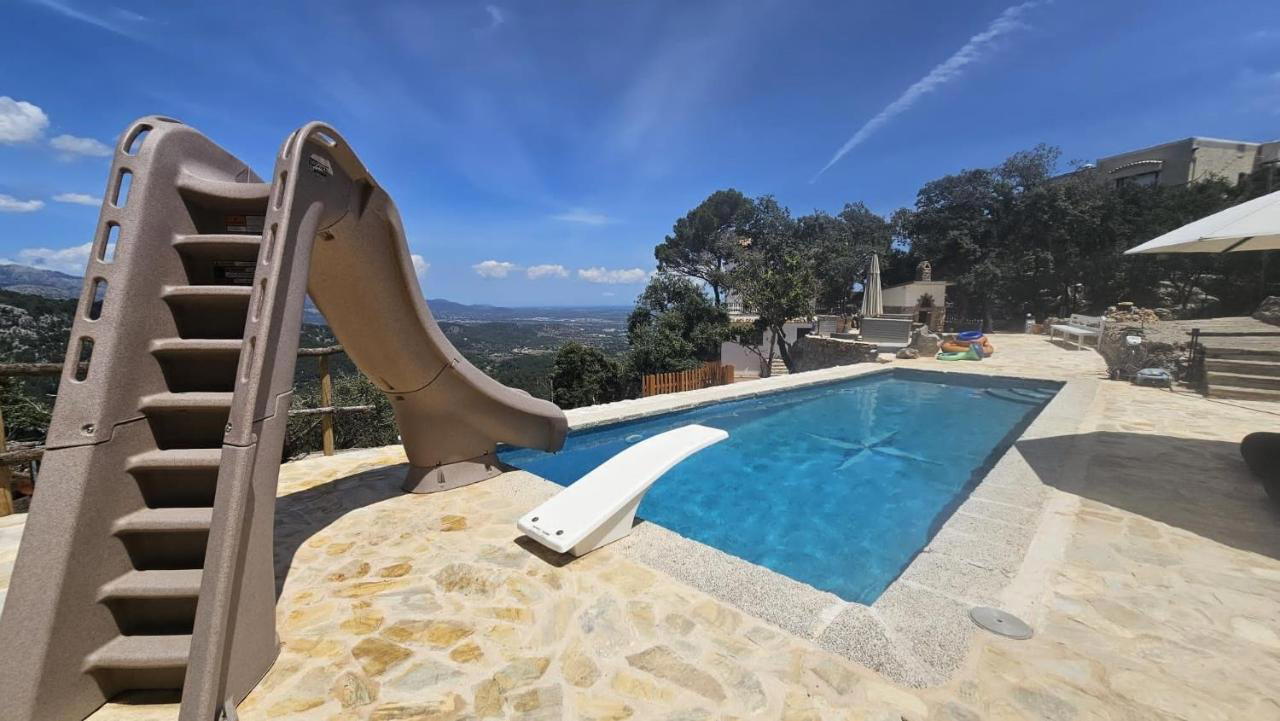
Palma's luxury hotel stock has split into two clear categories over the past decade. One cohort clusters inside the historic centre, converting aristocratic townhouses into design-led boutiques of 20 to 50 rooms, properties like Hotel Can Cera, Boutique Hotel Posada Terra Santa, Can Bordoy Grand House & Garden, and Sant Francesc Hotel Singular, which trade on proximity to the cathedral, the narrow medieval streets, and the restaurants of the Llotja quarter. The other cohort removes itself from that density entirely, offering space, ground, and a different relationship with the island's topography. Castillo Hotel Son Vida belongs firmly to the second category, with 174 rooms set across a property scaled to accommodate what smaller city-centre competitors cannot: lawns, terraces, a pool complex, and unobstructed sightlines over the water.
What the Address Actually Provides
The Son Vida urbanisation sits roughly five kilometres from Palma's historic centre, which means the castle is not the place to be if evening restaurant-hopping on foot is the priority. What the location does provide is specific and, for a certain kind of traveller, decisive. The bay views are panoramic rather than framed or partial. The pine groves that border the property act as a genuine acoustic and visual buffer. There are golf courses within the immediate area, making Son Vida one of the few addresses in Palma where the property's grounds connect directly to a sporting infrastructure rather than requiring a transfer. For guests arriving into Palma Son Sant Joan Airport, the drive to Son Vida bypasses much of the city's summer congestion in the lower districts.
The combination of historical architecture with that refined, grove-set position is less common than it sounds on Mallorca. La Residencia, A Belmond Hotel, Mallorca, operates a comparable model in Deià, trading city access for landscape immersion in the Serra de Tramuntana. Cap Rocat in Cala Blava takes the same logic further south, embedding itself into coastal military fortifications with views of the same bay from a different angle. Castillo Hotel Son Vida occupies the middle position: close enough to Palma to use the city, sufficiently refined to ignore it when preferred.
Scale, Recognition, and the Michelin Signal
2024 Michelin Key award places Castillo Hotel Son Vida within a recognised tier of European hotel accommodation, a programme that assesses the overall guest experience rather than food alone. Michelin awarded its first hotel Keys in 2024, and the hotels selected across Spain skew toward properties with either exceptional design coherence or significant culinary programmes.
At 174 rooms, the property operates at a scale that its Old Town peers cannot approach. Properties like El Llorenç Parc de la Mar, Es Princep, Nobis Hotel Palma, and Can Alomar Urban Luxury Retreat operate at boutique scale by structural necessity, their converted buildings setting hard limits on room count. Son Vida's room inventory allows for conference facilities, broader F&B; programming, and a pool and leisure infrastructure that the city-centre category simply cannot replicate. Rates from approximately $386 per night position the property inside the premium bracket for Palma, comparable to what the smaller Old Town properties charge while delivering a materially different spatial proposition.
Classical Architecture as the Operating Context
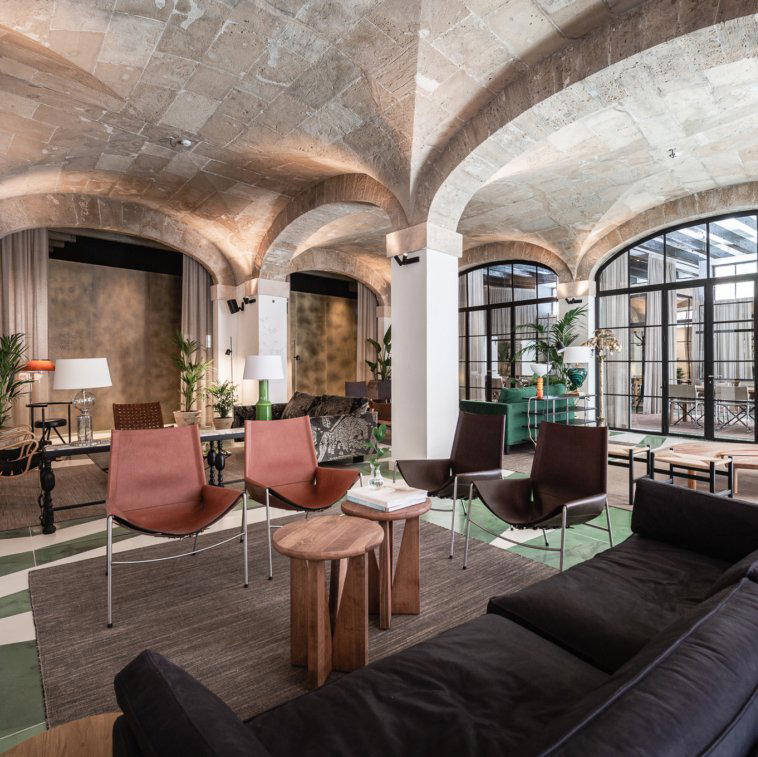
The property's classification as a seigneurial castle, a fortified Mallorcan manor of aristocratic origin, sets up an interior logic distinct from the converted merchant houses that define the Old Town boutique cohort. Classical architectural scale in this context means proportioned reception halls, high ceilings, and formal garden geometry where landscape design mirrors building symmetry. That typology has parallels elsewhere in Spain's premium hotel offer: Mandarin Oriental Ritz, Madrid operates within a Belle Époque palace framework, while Abadía Retuerta LeDomaine places a contemporary wine operation within medieval abbey architecture. At Son Vida, the historical container is Mallorcan rather than Castilian, which means limestone over granite and a Mediterranean lightness in the way the building meets its grounds.
The classical style designation suggests the interior retains decorative references to that architectural heritage rather than imposing a contemporary minimal layer over the original fabric, an approach that some travellers actively seek and others find less interesting than what design-led properties like Can Bordoy or Es Princep are doing in the city centre. The choice between the two is largely a question of whether the guest wants a hotel that looks like Mallorca always has, or one that looks like what Mallorca is becoming.
Planning a Stay
Mallorca's hotel season concentrates between May and October, with August marking the pressure point for both room rates and the wider island infrastructure. Booking Son Vida for late May or early June places a stay within the high season for views and temperature while avoiding the peak congestion of midsummer. The property's position above the city also means it sits slightly outside the hottest urban micro-climate that can make Palma's stone streets uncomfortable in July and August afternoons.
Getting into Palma from Son Vida requires a car or taxi for most activities; the Old Town is accessible but not walkable from the urbanisation. That calculus shifts if the primary purpose of the stay involves the golf courses immediately adjacent, the pool and grounds, or day trips to other parts of the island, where having a car is almost mandatory regardless of where you are based in Palma. Guests weighing accommodation against the full Palma hotel offer would benefit from reading our full Palma restaurants guide alongside hotel considerations, since the dinner options within reach on foot vary considerably depending on which district a hotel occupies.
For comparison with how other European destinations handle the palace-hotel typology, Aman Venice and Aman New York show how historic architectural containers at the upper end of the market translate into contemporary hotel experience. Within Spain, Atrio Restaurante Hotel in Cáceres and Akelarre in San Sebastián demonstrate how heritage buildings with significant F&B; programming anchor their Michelin recognition. Son Vida's 2024 Key suggests it is operating in that recognised company, even if its scale and resort orientation place it in a different functional tier than a 12-room gastro-hotel.
The Essentials
Comparable venues nearby, for context on price, style, and recognition.
| Venue | Price | Awards | Notes |
|---|---|---|---|
| Castillo Hotel Son VidaThis venue (the venue you are viewing) | Not listed | 1 Michelin Key | Not listed |
| Nobis Hotel Palma | Not listed | 1 Michelin Key · Design Hotels Member | Old Town, Contemporary luxury in a historic palace |
| Es Princep | Not listed | 1 Michelin Key · Leading Hotels of World Member | Old Town, Contemporary Mallorcan finca-inspired luxury |
| El Llorenç Parc de la Mar | $300–500 | 1 Michelin Key · La Liste Top Hotels | La Calatrava, Contemporary urban boutique with historic island influences |
| Can Bordoy Grand House & Garden | $300–500 | 1 Michelin Key · La Liste Top Hotels | La Lonja (Old Quarter), Art Deco luxury boutique hotel merging historic Old Quarter charm with contemporary design, positioned as an intimate urban sanctuary. |
| Sant Francesc Hotel Singular | $300–500 | 1 Michelin Key · La Liste Top Hotels | Sant Francesc, Restored 19th-century mansion blending historic charm with modern luxury |
Recognition history
Dated appearances from independent guides and award organizations, with the underlying list record or original source where available.
Michelin 1 Key
Michelin
Full recognition history (3 entries)
Michelin 1 Key
Michelin
Michelin 1 Key
Michelin
Continue exploring
More in Palma
Hotels in Palma
All hotels in Palma →
Bars in Palma
All bars in Palma →
Restaurants in Palma
All restaurants in Palma →

Details
- Elegant
- Sophisticated
- Romantic
- Scenic
- Ornate
- Honeymoon
- Romantic Getaway
- Anniversary
- Wellness Retreat
- Golf Course
- Panoramic View
- Historic Building
- Terrace
- Wi Fi
- Pool
- Spa
- Fitness Center
- Room Service
- Concierge
- Business Center
- Valet Parking
- EV Charging
- Garden
- Mountain
- Waterfront
- Wheelchair Accessible
- Elevator
- Step Free Entrance
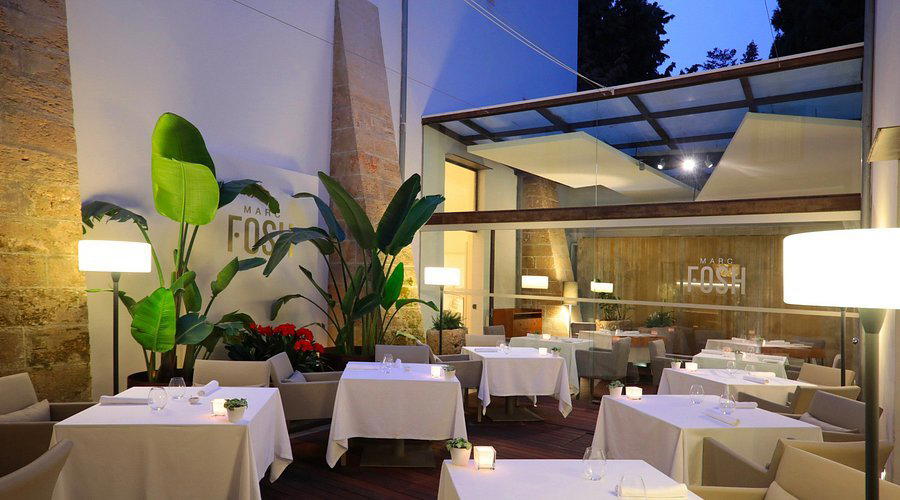
Sophisticated and elegant atmosphere with natural light, spacious comfort, and serene lighting enhancing panoramic views and Mallorcan heritage.