Ryu Zushi

Tabelog 100 #2
Our verdict
Ryu Zushi is a reservation-only, nine-seat sushi counter in Minamiuonuma, selected for Tabelog Sushi EAST “Tabelog 100” in 2025 and 2022. The appeal is regional rather than metropolitan: Sea of Japan fish, Uonuma rice country, and a rural Niigata setting that asks diners to think beyond Tokyo’s omakase circuit.

Pearl is the En Primeur Club membership app — saves, bookings, and concierge access live there. Same editors, same standards.
- Address
- 1838-1 Osaki, Minamiuonuma, Niigata 949-7251, Japan
- Phone
- +81 25-779-2169
- Hours
- Mon–Tue 12–2 PM, 6–9:30 PMWed ClosedThu 6–9:30 PMFri–Sun 12–2 PM, 6–9:30 PM
- Website
- ryuzushi.jp
- Directions
- Get directions
The menu
What to order
- Uonuma Gastronomy Mountain Sushi
- Ice-aged yellowtail sushi
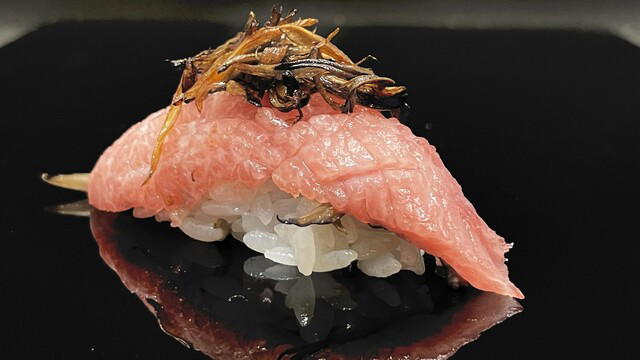
- Toro with black maitake and rice
- Mushroom-focused nigiri (shiitake, maitake)
- Local Koshihikari rice nigiri
Approaching sushi in Minamiuonuma starts with a different rhythm from Japan’s larger metropolitan dining centers. The restaurant is best understood through its confirmed category and recognition, and the surrounding city gives the meal a regional frame rather than a big-city luxury backdrop. Ryu Zushi belongs to that Minamiuonuma sushi context: a specialist address whose appeal rests on its category, its place, and the public signals available to diners.
That context matters. In major cities, sushi can often be read through lineage, scarcity, and pricing. In Minamiuonuma, the stronger question is what a sushi restaurant can say about its own region. The city is not defined by luxury dining volume, so a meal here signals a narrower proposition: a planned visit, a concentrated format, and a regional identity that does not need metropolitan theatre to make its case.
Sushi in Minamiuonuma
Regional sushi culture is often discussed through supply, habit, and local dining expectations, but the most reliable way to approach Ryu Zushi is more direct: it is a sushi restaurant in Minamiuonuma with recognition in Tabelog’s specialist listings. The meal should be read less as imported prestige and more as a regional sushi experience built around the category itself.
Ryu Zushi’s public profile places it squarely in the sushi category. That is not decorative language. In sushi, balance, pacing, and proportion determine whether each piece feels considered or merely assembled. In Minamiuonuma, the sushi restaurant has a built-in cultural argument simply by being rooted outside the country’s most obvious dining capitals.
The restaurant’s Tabelog Hyakumeiten recognition in 2025 puts it in a field of noted sushi addresses. Its Tabelog score of 3.84 adds another signal, but the more useful reading is categorical: this is not a casual local stop that happens to serve nigiri. It sits in a selective sushi bracket, where the meal is judged against specialist sushi restaurants, not against general Japanese restaurants.
Minamiuonuma’s dining map also helps explain the difference. Keyaki En and Miyano Ya point to other serious local dining options, while 里山十帖 -早苗饗- gives another view of the area’s regional dining vocabulary. Read together, the city’s serious tables are not copying a single urban model. They split between sushi, regional Japanese cooking, and accommodation-linked cuisine.
A focused regional meal, not city spectacle
The format is part of the message, though current service details should be confirmed directly with the restaurant. For sushi, the shape of the meal matters because pacing is not an accessory. The start time, the sequence, and the restaurant’s own service rhythm are all part of how the experience holds together.
The better way to understand Ryu Zushi is as an established regional sushi address now being read by a wider audience through listings and scores. That framing separates the place from restaurants that rely mainly on destination-dining spectacle. Its appeal is steadier: a specialist sushi meal in Minamiuonuma, with recognition that helps travelers identify it before they arrive.
Drinks and service details should be treated as secondary unless confirmed directly at booking. The sushi category remains the natural lens. Diners choosing this address for its recognition should think in terms of concentration, punctuality, and respect for the rhythm of a sushi meal rather than a long, social dinner that can absorb late arrivals or casual changes of plan.
Minamiuonuma is not a city where visitors should improvise a premium dinner between trains. The better plan is to treat the meal as the anchor of a day in the region, especially for travelers already moving through the area. For wider planning, Our full Minamiuonuma restaurants guide gives the local dining frame, while Our full Minamiuonuma hotels guide, Our full Minamiuonuma bars guide, Our full Minamiuonuma wineries guide, and Our full Minamiuonuma experiences guide help place the meal inside a broader stay.
How to read it against Japan's broader dining circuit
Ryu Zushi rewards a diner who is already curious about Japanese regionality. It is not the right comparison point for every premium sushi restaurant in the country, and it does not need to be. Its stronger comparison is with other destination meals where geography sets the terms: a specialist category, disciplined focus, and a city that asks for intentional travel.
That is also why Japan’s broader restaurant circuit should be read by category rather than by fame alone. A sushi restaurant in Minamiuonuma answers a different cultural question from other Japanese dining rooms in larger cities or from casual specialist formats elsewhere. Even Japanese-adjacent dining overseas shows how much context changes the meaning of rice, fish, sake, and service. Ryu Zushi should be understood within its own local category rather than flattened into a generic luxury checklist.
The editorial case is simple: for travelers already committed to Minamiuonuma, this is one of the city’s clearer sushi arguments because it connects recognition, category, and place. The meal asks for planning, but the reward is not bragging-right scarcity. It is a clearer understanding of how sushi changes when Minamiuonuma, specialist recognition, and a regional restaurant set the frame.
Frequently asked questions
Is Ryu Zushi child-friendly?
Confirm directly with the restaurant when booking. Ryu Zushi is best approached as a planned sushi meal in Minamiuonuma rather than a loose drop-in visit.
What should I expect atmosphere-wise at Ryu Zushi?
Expect a focused sushi restaurant in Minamiuonuma. For current seating, service style, and room details, confirm directly with the restaurant before visiting.
How much does it cost to eat at Ryu Zushi?
Pricing at Ryu Zushi is listed as dinner JPY 15,000 - JPY 19,999 and lunch JPY 15,000 - JPY 19,999.
What is Ryu Zushi known for?
Ryu Zushi is known as a sushi restaurant in Minamiuonuma with Tabelog Hyakumeiten recognition in 2025 and a listed Tabelog score of 3.84.
Budget Reality Check
Nearby venues at a similar price tier for orientation.
| Venue | Cuisine | Price | Awards | Notes |
|---|---|---|---|---|
| Ryu ZushiThis venue — the venue you are viewing | Niigata mountain sushi omakase | $100–150 | Tabelog 100 #2 | Not listed |
| 早苗饗 | Local Niigata Gastronomy Kaiseki | $100–150 | Not listed | 大沢, Local Niigata Gastronomy Kaiseki |
| Miyano Ya | Traditional soba noodle shop | $20–30 | Tabelog 100 #63 | Osaki / Hakkaisan area, Traditional soba noodle shop |
| Keyaki En | Japanese Kaiseki | Not listed | Tabelog 100 #45 | Nagamori, Japanese Kaiseki |
| 里山十帖 -早苗饗- | Minamiuonuma Specialty Cuisine | Not listed | Not listed | Nagamori, Minamiuonuma Specialty Cuisine |
| 鮨よしたけ | 3-Michelin-Star Omakase Sushi | $500+ | La Liste Top Restaurants · Tabelog Bronze #530 | Ginza, High-End Edomae Sushi Omakase |
Recognition history
Dated appearances from independent guides and award organizations, with the underlying list record or original source where available.
Tabelog 100 #2 · No. 2
Tabelog · Tabelog 100 - Sushi - EAST - 2025
Continue exploring
More in Minamiuonuma
Restaurants in Minamiuonuma
Browse all →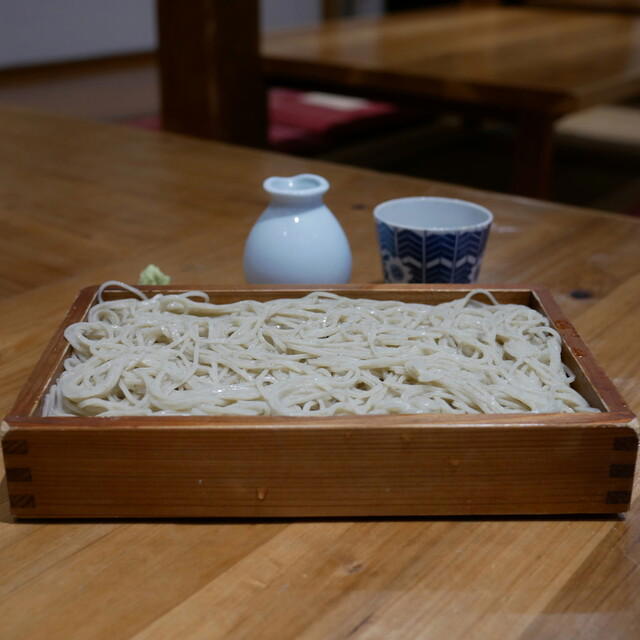
Details
- Rustic
- Intimate
- Cozy
- Elegant
- Scenic
- Special Occasion
- Date Night
- Celebration
- Business Dinner
- Group Dining
- Solo
- Chefs Counter
- Standalone
- Design Destination
- Historic Building
- Sake Program
- Farm To Table
- Local Sourcing
- Sustainable Seafood
- Mountain
- Omakase
- Counter Dining
- Tasting Menu
- Sake
- Beer
- Pescatarian Friendly
Current opening hours
- Monday
- 12–2 PM, 6–9:30 PM
- Tuesday
- 12–2 PM, 6–9:30 PM
- Wednesday
- Closed
- Thursday
- 6–9:30 PM
- Friday
- 12–2 PM, 6–9:30 PM
- Saturday
- 12–2 PM, 6–9:30 PM
- Sunday
- 12–2 PM, 6–9:30 PM
Hours can change for holidays and private events. Last verified .
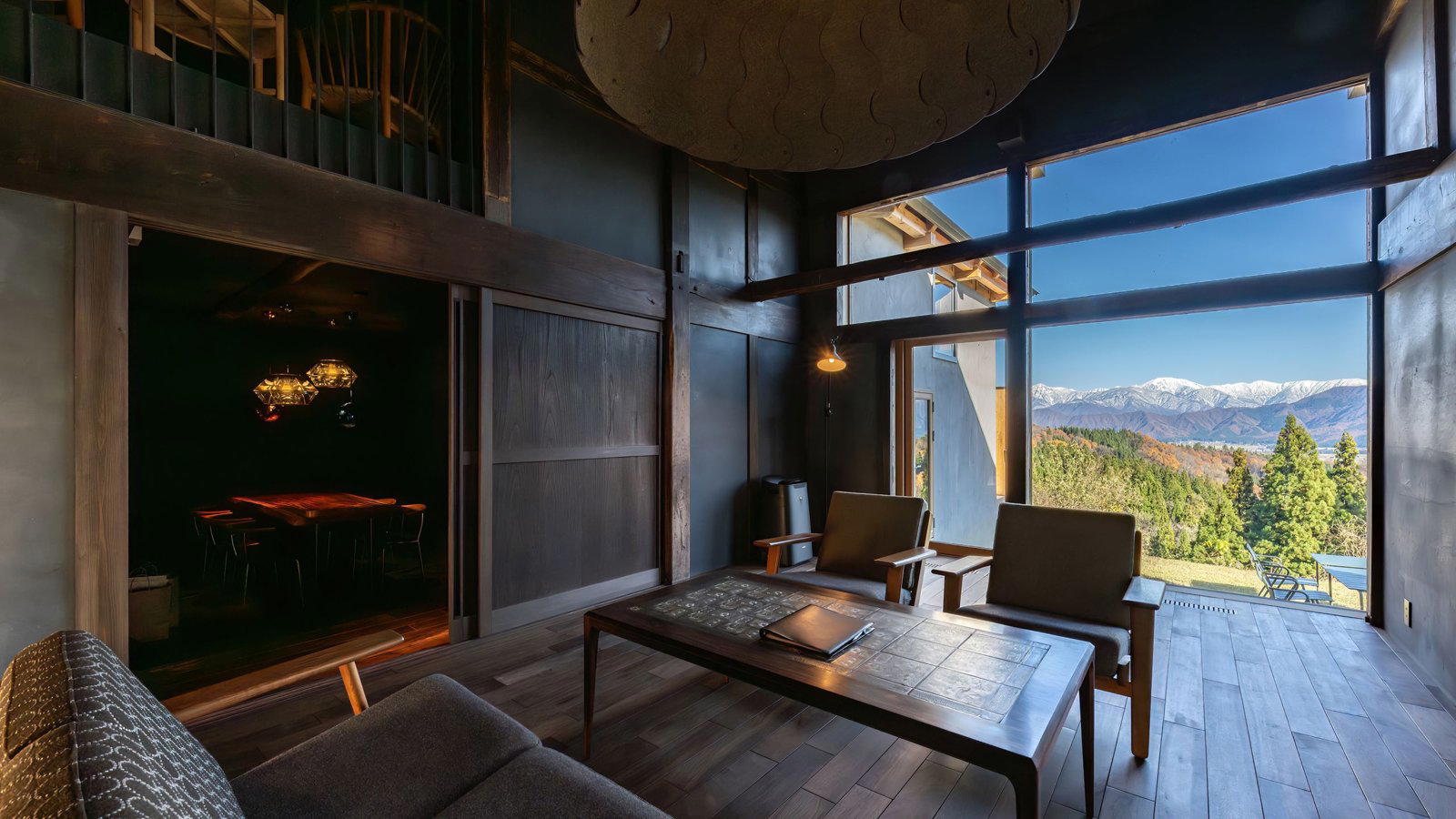
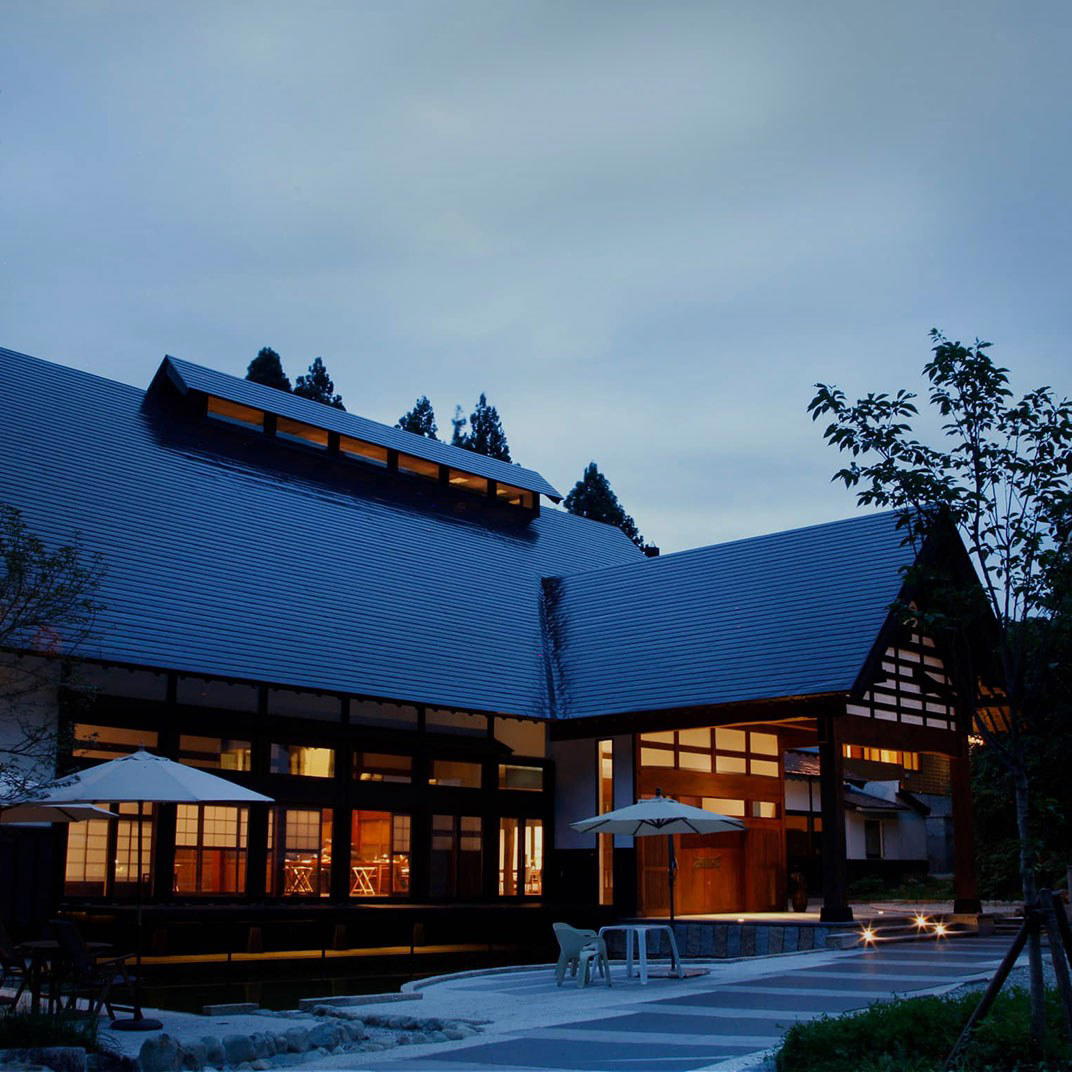
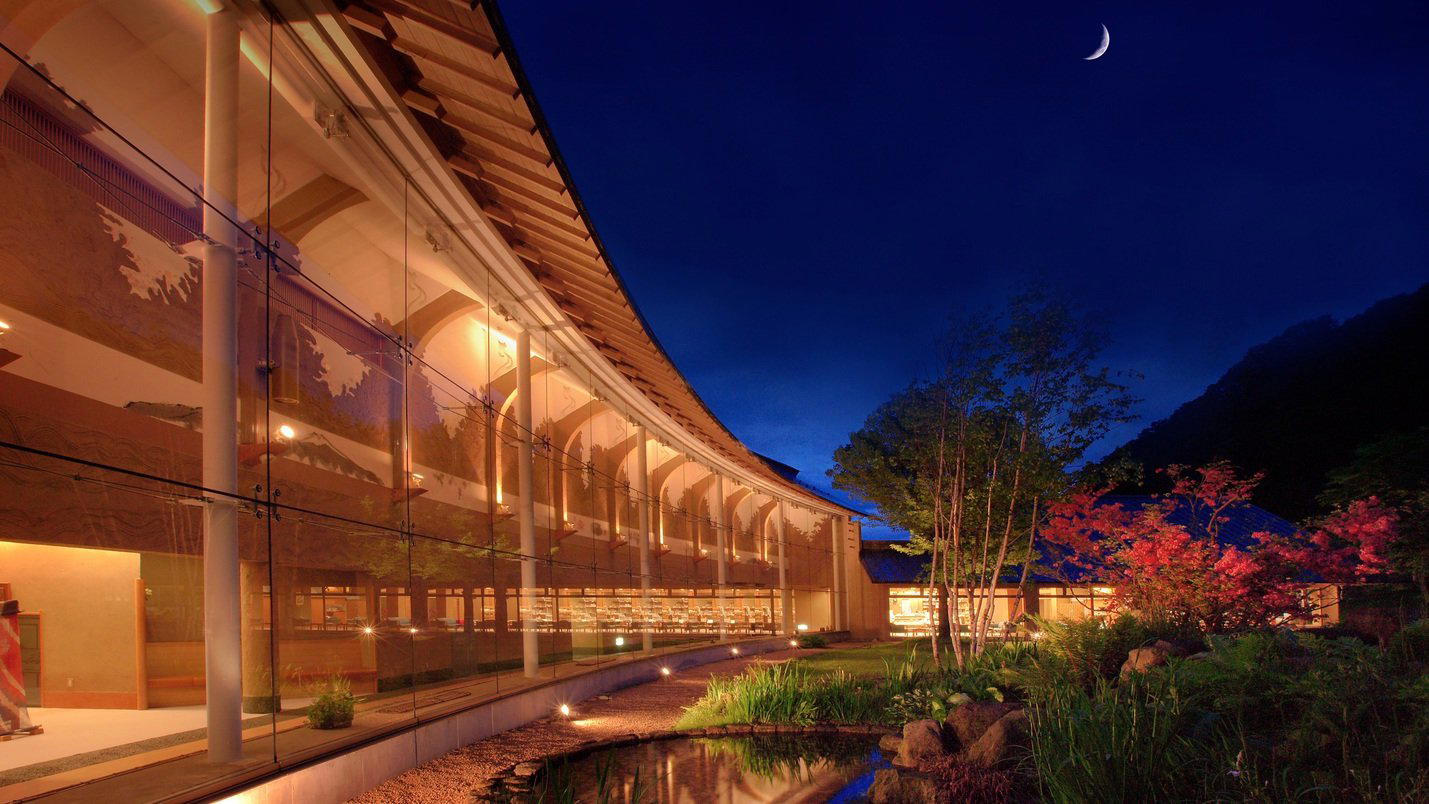
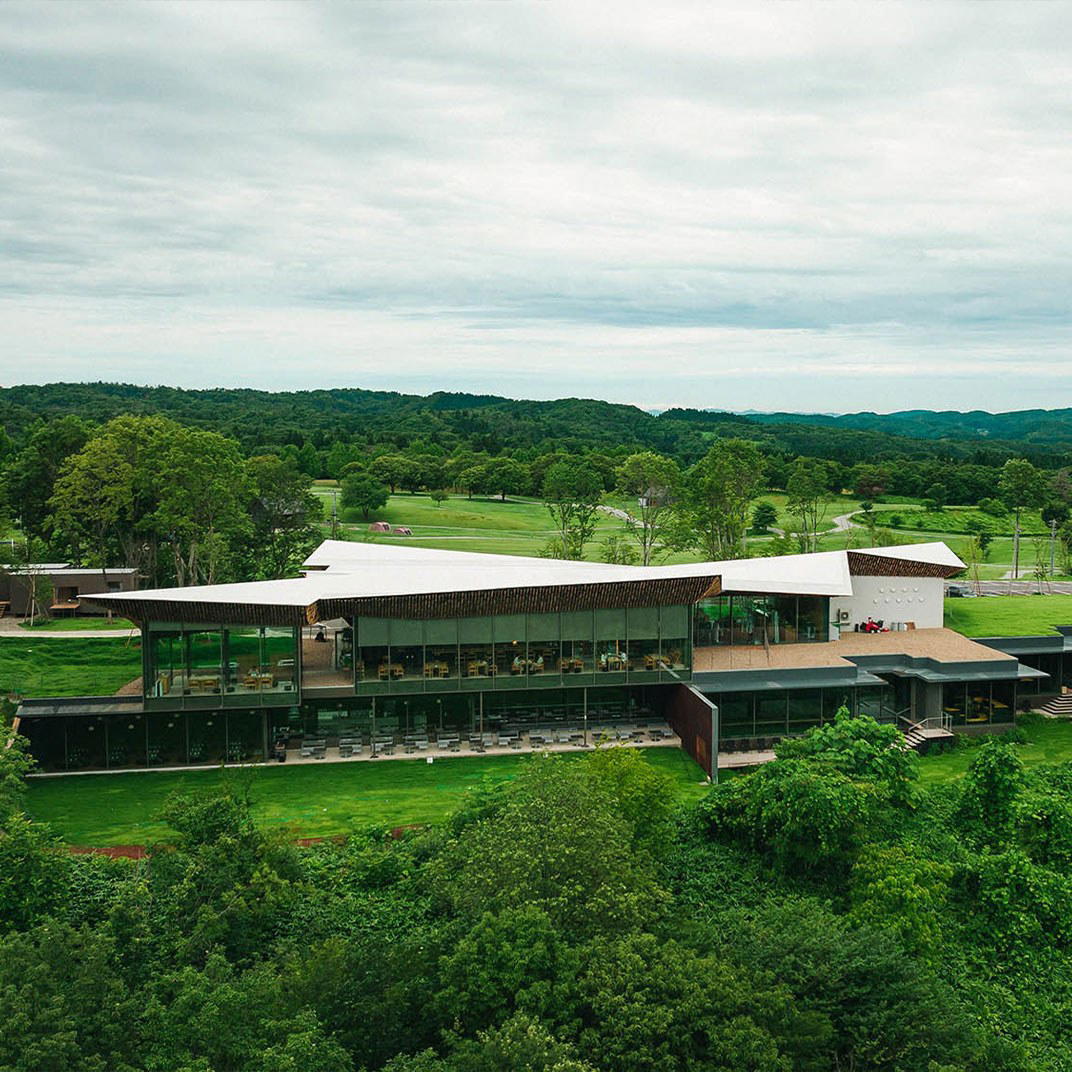
An intimate, reservation-only countryside sushi counter in a rural hamlet at the foot of Hakkaisan, with a calm, almost hushed atmosphere focused on seasonal omakase service and close interaction with the chef.