Miyano Ya

Tabelog 100 #63
Our verdict
Miyano Ya gives Minamiuonuma’s soba culture a serious anchor: buckwheat noodles in a rice-country town better known to outsiders for Koshihikari, snow, and mountain inns. Its Tabelog 100 Soba EAST selections in 2024 and 2025 place it among eastern Japan’s notable soba addresses, with the appeal resting on regional ingredients, rural setting, and a format that suits both focused noodle pilgrims and relaxed local meals.

Pearl is the En Primeur Club membership app — saves, bookings, and concierge access live there. Same editors, same standards.
- Address
- 3742 Osaki, Minamiuonuma, Niigata 949-7251, Japan
- Phone
- +81 25-779-2145
- Hours
- Mon–Wed 11 AM–3 PMThu ClosedFri–Sun 11 AM–3 PM
- Website
- miyanoya.jp
- Directions
- Get directions
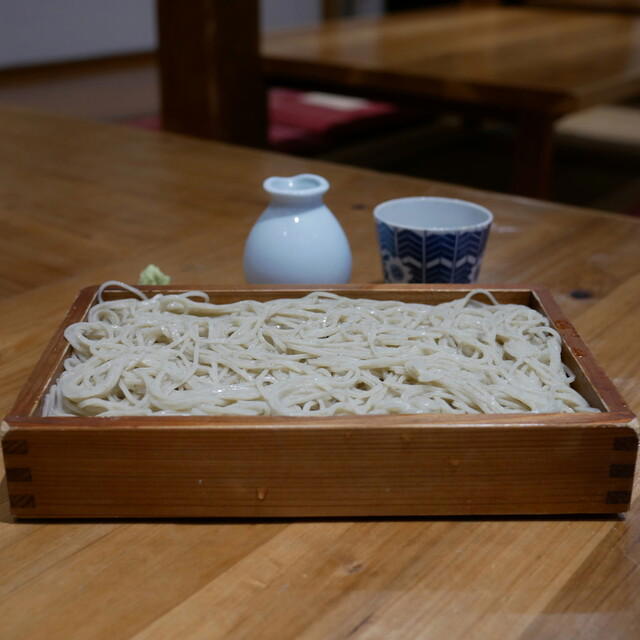
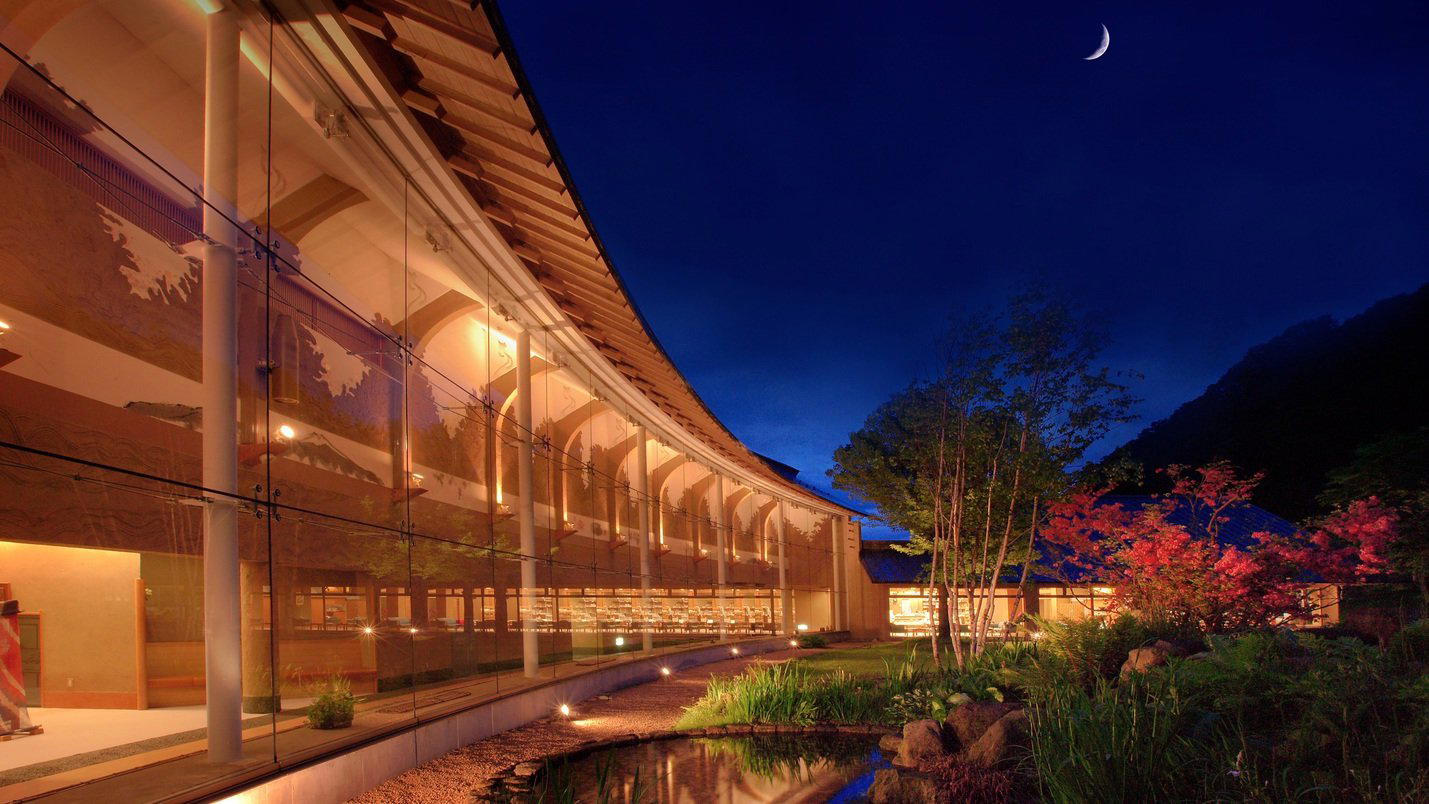
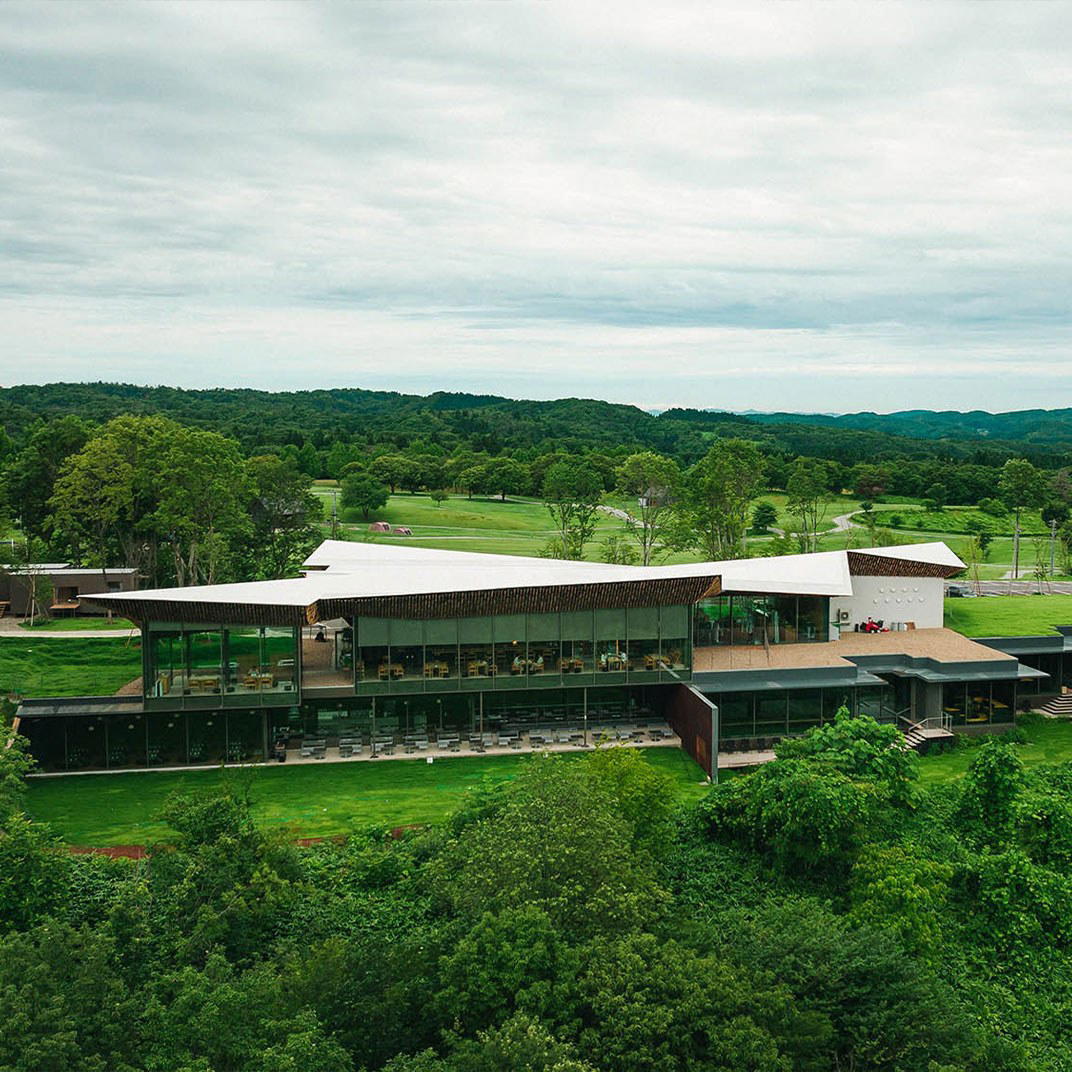
Approaching Miyano Ya in Minamiuonuma, the point is not urban theatre but a quieter sense of place. The city is known to travellers for food rooted in local ingredients, and soba belongs naturally in that conversation because buckwheat noodles are judged by grain, water, handling, and restraint. Miyano Ya fits that setting without needing the language of luxury dining: the experience is grounded in noodles and the quieter confidence of a restaurant whose appeal depends on the bowl rather than the room.
That matters in a region often discussed through a narrow food lens. Soba offers a different reading of place: less polished, more seasonal in spirit, and closer to the everyday table. In Japan, serious soba shops are judged by texture, aroma, water, and restraint. The category rewards discipline rather than embellishment, which is why a Tabelog Hyakumeiten soba recognition in 2025 carries weight. It places Miyano Ya inside a competitive field of soba specialists rather than merely among pleasant rural restaurants.
Minamiuonuma buckwheat culture, read through the noodle bowl
The ingredient angle is the reason to pay attention here. Soba is a cuisine of margins: the flour balance, the freshness of preparation, the handling of water, and the timing between cutting and serving all change the result. In Minamiuonuma, that framework has extra force because the best meals are often understood through the relationship between ingredient and setting. Miyano Ya’s category is listed simply as soba, but simplicity is the category’s main test. A soba restaurant does not need an extended menu narrative when the noodle itself carries the argument.
The regional context also makes sense around the meal. Soba restaurants have long been natural companions to measured pacing, small dishes if offered, and a meal that can be either brisk or unhurried. That gives the restaurant a different rhythm from Minamiuonuma’s higher-spend dining rooms. Compared with Ryu Zushi, where the spend sits in a sushi bracket, and Keyaki En, which occupies a higher lunch and dinner tier, Miyano Ya reads as ingredient-focused rather than ceremony-led.
That distinction is useful for travellers building a food itinerary around the area. The region’s stronger dining addresses are not all chasing the same occasion. 里山十帖 -早苗饗- speaks to a countryside inn-and-table tradition, while soba keeps the emphasis closer to grain, water, and local appetite. For a broader map of the city’s dining patterns, Our full Minamiuonuma restaurants guide is the useful companion, especially when balancing rural noodle houses with sushi, inn dining, and seasonal Japanese cooking.
A modest room with enough structure for serious eating
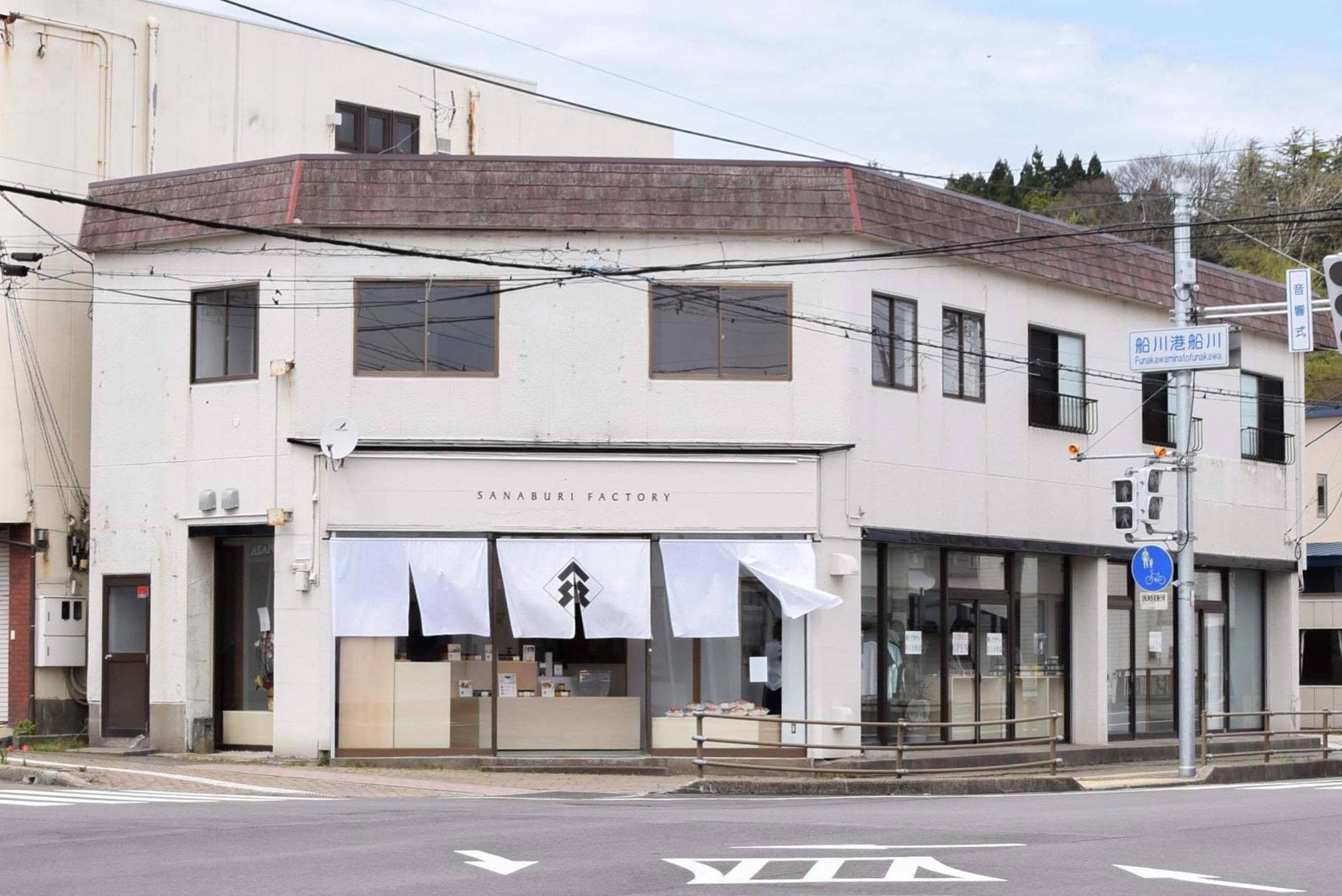
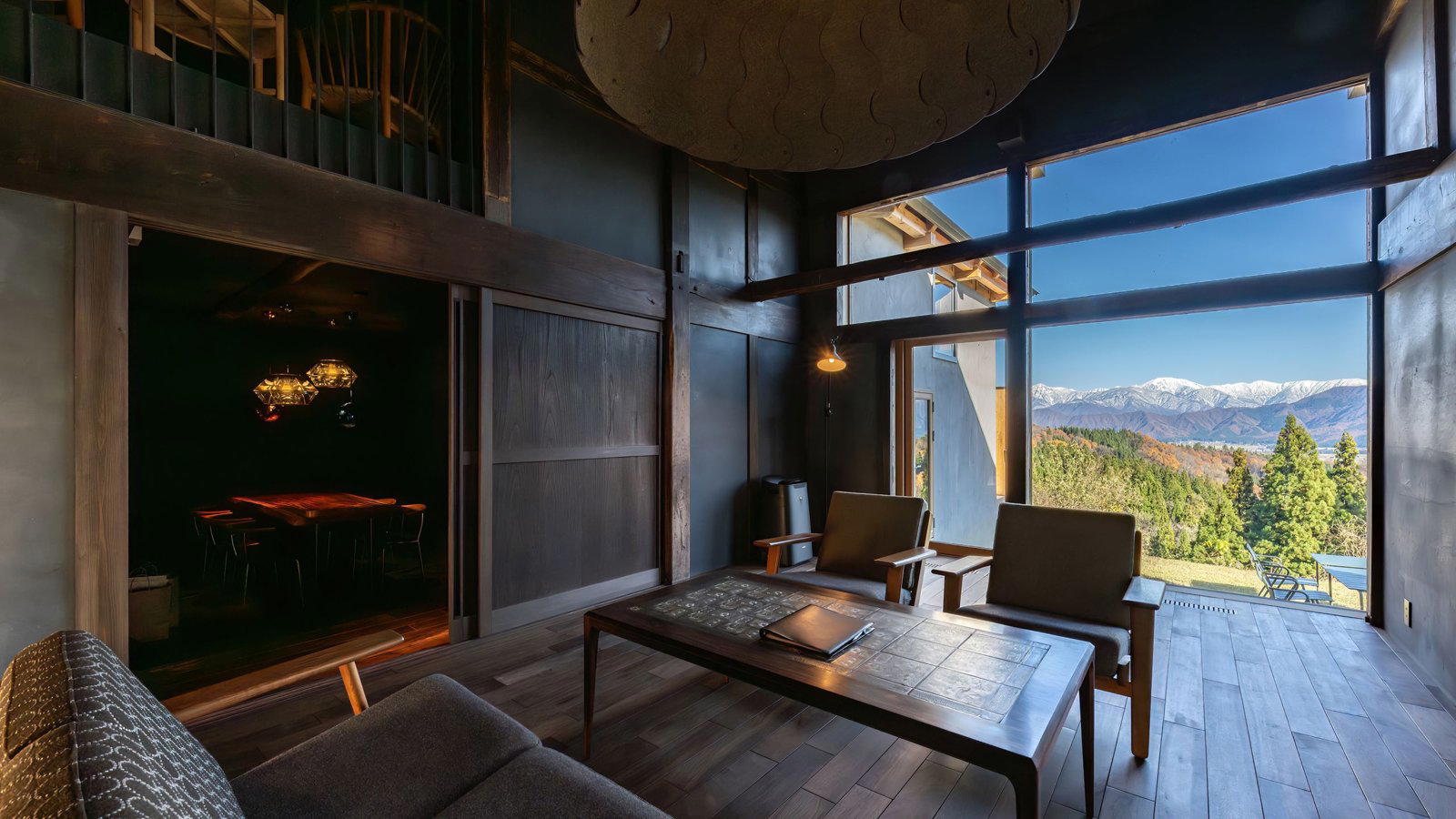
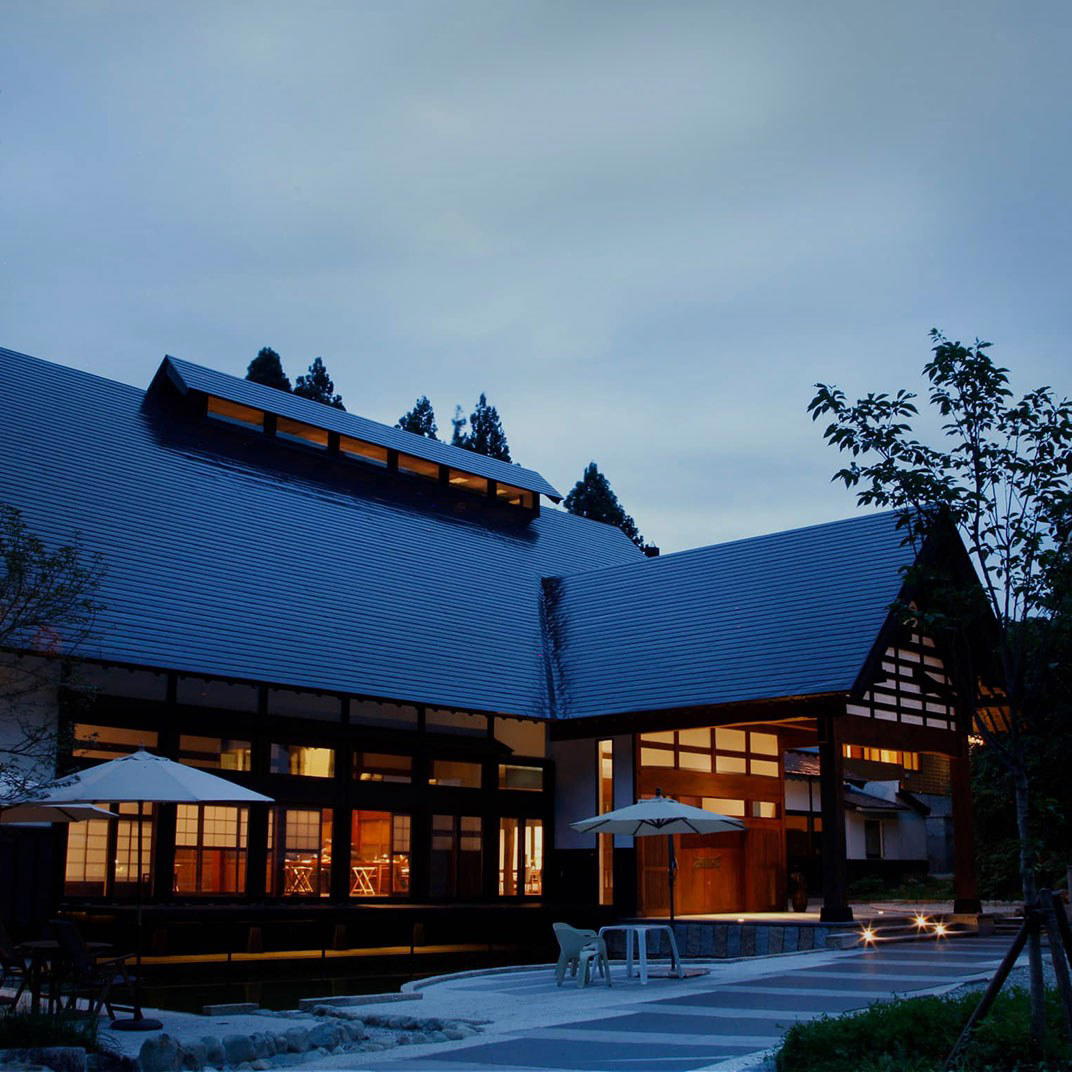
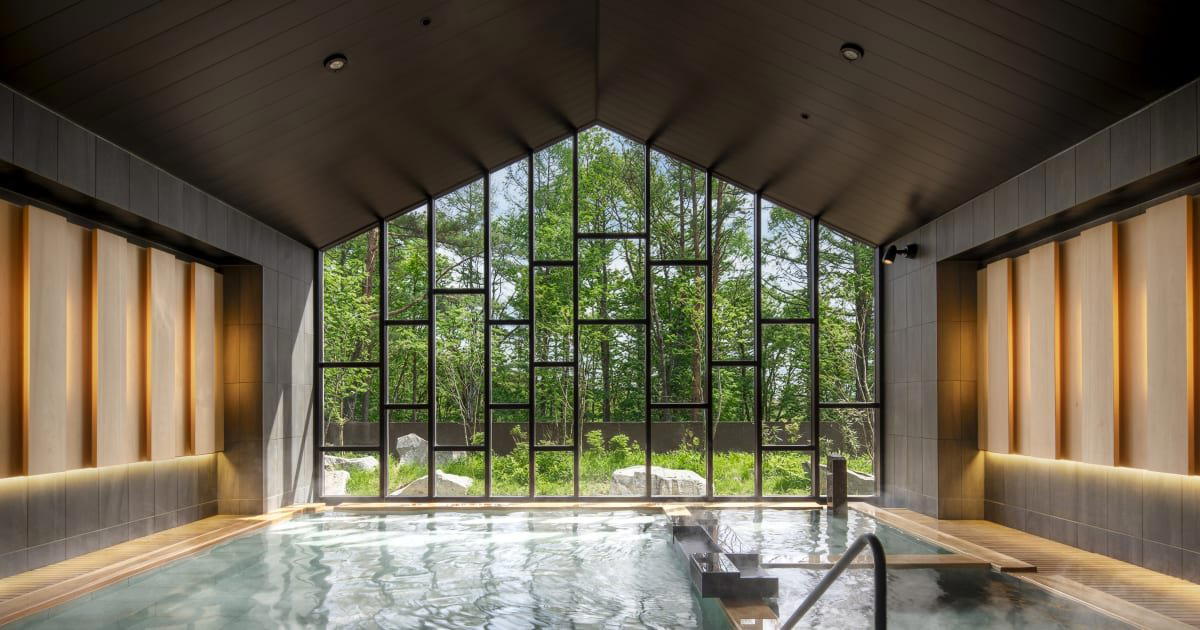
The low-key format is part of the appeal because it lowers the volume around the meal. Rather than depending on a formal dining-room script, Miyano Ya can be read as the kind of soba address where the setting supports the food instead of competing with it. That does not make the cooking casual in ambition. In Japan, soba often operates exactly this way: a modest room can hold a demanding craft, and recognition follows precision rather than polish.
The Tabelog score of 3.80 and Tabelog Hyakumeiten soba recognition in 2025 give the clearest external signals. Tabelog’s soba recognition is category-specific, which is more useful here than a broad restaurant ranking because the comparison is against noodle specialists. The restaurant’s 2025 listing also places it in a wider field than a purely local shortlist. For travellers who care about category depth, that is the relevant credential: this is a soba stop with recognition from a platform that separates the genre from general Japanese dining.
Minamiuonuma rewards planning beyond the meal. The city’s hospitality scene is tied to countryside pacing and seasonal travel, so a soba lunch can sit between check-in, local sightseeing, shopping, or a drive through the area. Use Our full Minamiuonuma hotels guide for lodging context, then widen the itinerary through Our full Minamiuonuma bars guide, Our full Minamiuonuma wineries guide, and Our full Minamiuonuma experiences guide. The strongest version of a meal here is not isolated; it is part of understanding how rural food culture works across noodles, local produce, drinks, and mountain-season travel.
Where it sits in a Japan-wide noodle itinerary
For visitors moving through Japan, Miyano Ya belongs in the category of regional specialists rather than city dining trophies. That makes it different from a metropolitan counter meal, a café stop, or a small-plate evening elsewhere in Japan. The value is in the narrowness: soba, Minamiuonuma, and a setting where ingredient identity has real consequence. Travellers comparing formats can place it alongside broader Japan dining in other cities, where meals may be chosen by craft and setting rather than by city prestige alone. Those comparisons underline how varied Japanese dining becomes when the focus shifts from famous urban circuits to the particular logic of each place.
There is also a useful overseas comparison for readers coming from North America. Japanese food abroad often foregrounds sake bars, onigiri shops, ramen counters, and sushi rooms, each translating one part of the culture into a city format. Unnamed diaspora examples sit in that conversation. A Minamiuonuma soba meal works differently: it asks the traveller to read the ingredient in its local context, where the surrounding place is not decorative background but part of the reason the bowl makes sense.
Frequently asked questions
How much does it cost to eat at Miyano Ya?
Pricing at Miyano Ya is listed as Dinner: JPY 10,000 - JPY 14,999; Lunch: JPY 2,000 - JPY 2,999.
When is Miyano Ya open?
Check current opening hours directly with Miyano Ya before visiting.
What's Miyano Ya's location?
Minamiuonuma.
What makes Miyano Ya worth seeking out?
Miyano Ya combines soba with a low-key setting in Minamiuonuma, and that matters more than a polished dining-room script. It was recognized in Tabelog Hyakumeiten for soba in 2025, with a Tabelog score of 3.80, which gives the meal a clear category-specific credential.
Comparison Snapshot
Comparable venues by cuisine and price in the same metro.
| Venue | Cuisine | Price | Awards | Notes |
|---|---|---|---|---|
| Miyano YaThis venue — the venue you are viewing | Traditional soba noodle shop | $20–30 | Tabelog 100 #63 | Not listed |
| Keyaki En | Japanese Kaiseki | Not listed | Tabelog 100 #45 | Nagamori |
| 里山十帖 -早苗饗- | Minamiuonuma Specialty Cuisine | Not listed | Not listed | Nagamori |
| Ryu Zushi | Niigata mountain sushi omakase | $100–150 | Tabelog 100 #2 | Hakkaisan / Ozaki area |
| 早苗饗 | Local Niigata Gastronomy Kaiseki | $100–150 | Not listed | 大沢 |
| Boteyan (ぼてやん多奈加) | Okonomiyaki & Yakisoba | $10–20 | Tabelog 100 #94 | Toyama Station area |
Recognition history
Dated appearances from independent guides and award organizations, with the underlying list record or original source where available.
Tabelog 100 #63 · No. 63
Tabelog · Tabelog 100 - Soba - EAST - 2025
Continue exploring
More in Minamiuonuma
Restaurants in Minamiuonuma
Browse all →
Details
- Rustic
- Classic
- Scenic
- Cozy
- Solo
- Family
- Casual Hangout
- Group Dining
- Historic Building
- Standalone
- Panoramic View
- Sake Program
- Local Sourcing
- Mountain
- A La Carte
- Sake
Current opening hours
- Monday
- 11 AM–3 PM
- Tuesday
- 11 AM–3 PM
- Wednesday
- 11 AM–3 PM
- Thursday
- Closed
- Friday
- 11 AM–3 PM
- Saturday
- 11 AM–3 PM
- Sunday
- 11 AM–3 PM
Hours can change for holidays and private events. Last verified .
A quiet, country-style house restaurant with a warm, rustic interior that reflects its long history as a mountain gateway eatery near Hakkaisan Shrine; the atmosphere is simple, traditional, and serene, focused on soba, water, and the local landscape.