Russian Tea Room
Few addresses in New York carry the cultural weight of the Russian Tea Room on West 57th Street, where decades of regulars have shaped a dining ritual as recognizable as the room itself. The red-and-gold interior, pressed against Carnegie Hall's shadow, has made it a reference point for Old New York hospitality, a place where the occasion matters as much as the order. Plan ahead, dress with intention, and arrive hungry for atmosphere as much as food.
Pearl is the En Primeur Club membership app — saves, bookings, and concierge access live there. Same editors, same standards.
- Address
- 150 W 57th St, New York, NY 10019
- Phone
- +12125817100
- Website
- russiantearoomnyc.com
- Directions
- Get directions
 Saves & bookings on Pearl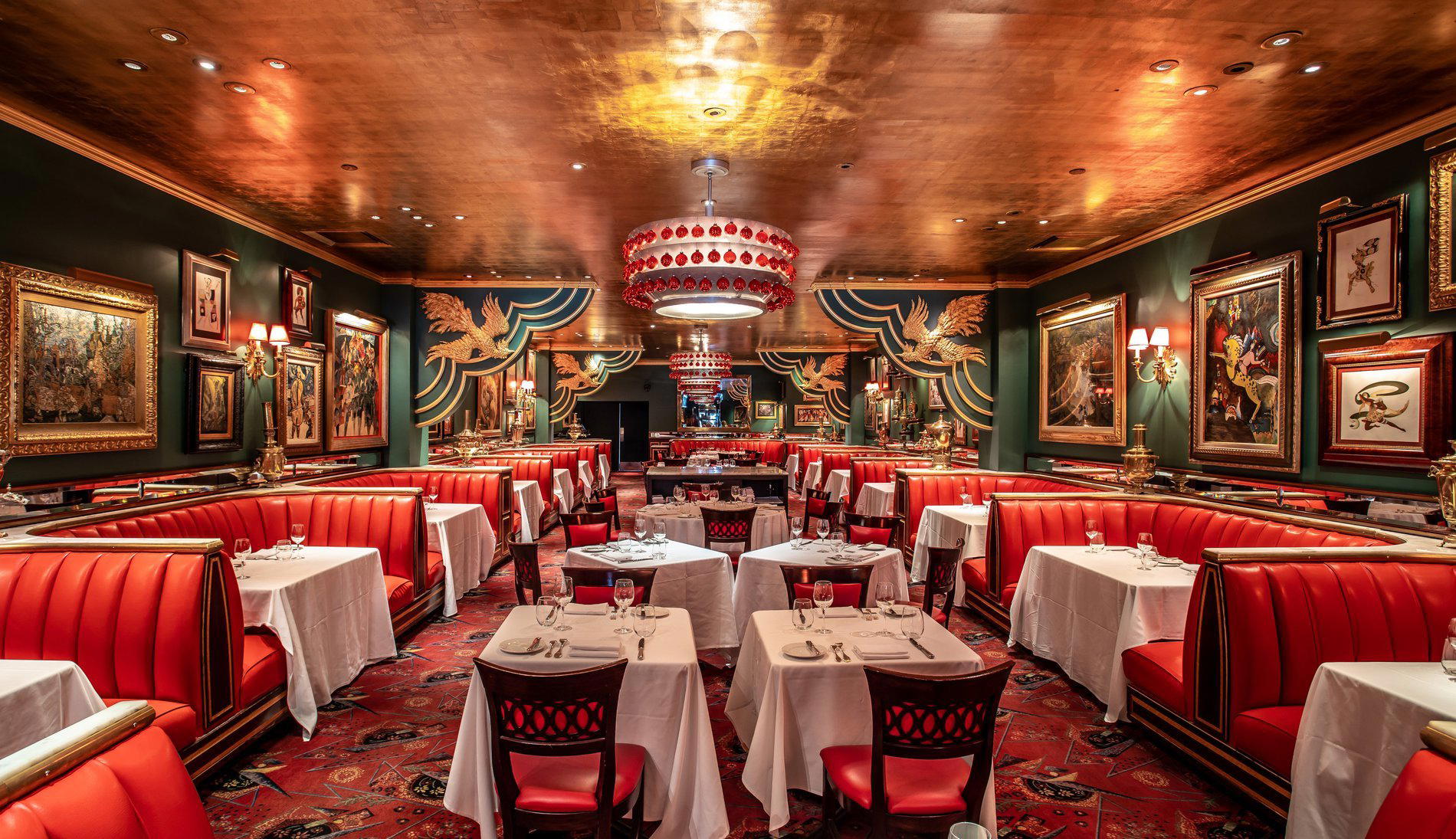
A Room That Earns Its Reputation the Old-Fashioned Way
West 57th Street occupies an unusual position in New York's dining geography. It sits at the edge of Midtown's commercial weight and the cultural pull of Carnegie Hall, close enough to both that the restaurants along it have historically attracted a clientele with a specific set of expectations: somewhere to eat before or after a performance, somewhere that rewards recognition, somewhere that functions as a stage in its own right. The Russian Tea Room, at 150 W 57th St in New York City, is a Russo-Continental fine dining restaurant known for its red-and-gold dining room, caviar service, and beef Stroganoff. What keeps regulars returning has less to do with menu evolution than with the consistency of the ritual itself.
That kind of loyalty is worth examining. In a city where the new arrival at Atomix or the counter seat at Masa commands the conversation, long-tenured institutions occupy a different but equally specific niche. They are not competing for the same diner. The regulars at the Russian Tea Room are not cross-shopping with the tasting menu circuit at Per Se or the modernist Korean formats of Jungsik New York. They are returning to a room they already know, for reasons that the room itself supplies.
The Interior as Argument
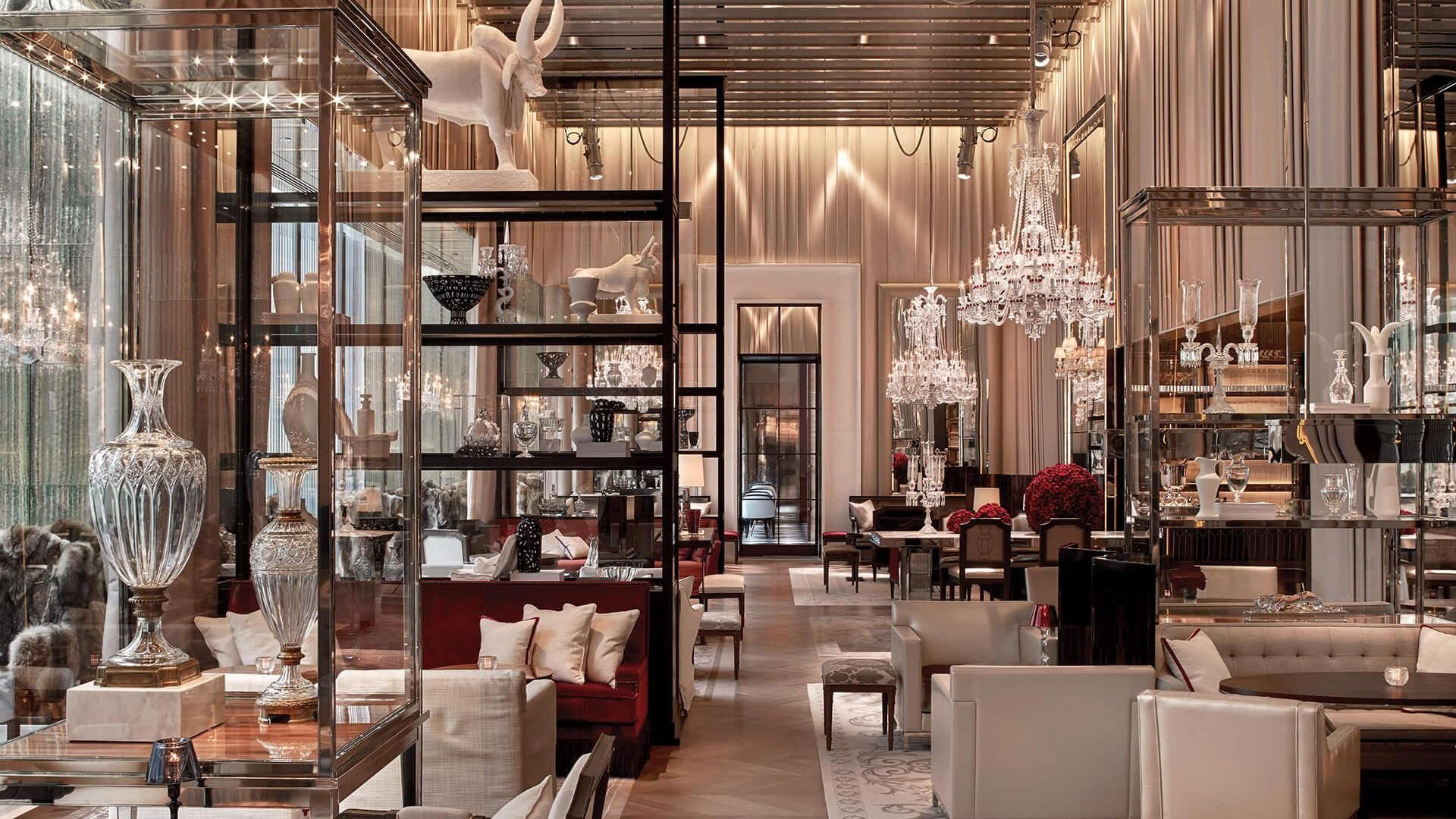
The Russian Tea Room's red-and-gold dining room is among the more recognizable interiors in American restaurant history, not because it is subtle, but because it commits entirely to its own visual logic. The deep reds, the brass samovars, the holiday-adjacent warmth that the room maintains regardless of the season: these are not decorative choices made to be photographed. They are the product of a particular period in New York hospitality when atmosphere was considered as essential a delivery mechanism as food. For regulars, that consistency is the point. The room looks the way it is supposed to look, and that reliability functions as its own form of hospitality.
This places the restaurant in a specific category of New York dining rooms, those where the interior is load-bearing. The comparison isn't with seafood-forward institutions like Le Bernardin, where the room recedes in service of the plate. It's with a broader tradition of rooms designed to be inhabited and recognized, where the experience of being seen matters alongside what arrives on the table. For the kind of clientele that has been coming here for decades, that distinction is self-evident.
What Regulars Actually Order
The restaurant's menu draws from the Eastern European-Russian tradition that shaped its original identity: blinis, borscht, beef Stroganoff, chicken Kiev, caviar service. These dishes occupy a category that is neither fashionable nor retro in New York's current dining conversation, they exist somewhat outside the trend cycle entirely, which is precisely why the regulars order them. The kitchen is not reinventing the canon; it is maintaining it. For the diner who has been coming here for years, that consistency is what the meal is about.
Caviar service at a room like this functions differently than it does at a modern tasting counter. Here, it is ordered with a kind of ease that signals familiarity, not the studied appreciation of a first-timer, but the uncomplicated confidence of someone who has been through this particular ritual before. The blini arrives warm. The accompaniments are traditional. The whole thing is calibrated for repetition rather than revelation, and that is a specific and defensible kitchen position.
The Regulars' Perspective: Why People Keep Coming Back
The restaurants that accumulate decades of loyal clientele in New York tend to share a particular quality: they make the returning diner feel that time has not moved, or has moved in predictable, manageable ways. The restaurant has always offered that. Its proximity to Carnegie Hall means the pre-concert dinner crowd has been arriving here in formal dress since the mid-twentieth century. The performers, the patrons, the music-world adjacent, these are not transient constituencies. They come back, season after season, because the room accommodates the ritual they have built around it.
This is what separates a long-tenured institution from an old one. Plenty of New York restaurants survive on habit and location. The restaurant has generated actual loyalty, the kind where regulars develop preferences about where they sit and when they arrive. That dynamic is harder to manufacture than a celebrated tasting menu. It requires consistency of execution, staff who recognize faces, and a physical space that rewards repeated visits rather than one-time spectacle. Across the broader American fine-dining scene, from The French Laundry in Napa to The Inn at Little Washington, the institutions that endure are the ones that understand this distinction.
Placing the Russian Tea Room in New York's Dining Map
New York's upper tier of restaurant experiences has fractured in interesting ways over the past decade. The tasting-menu format, the mode of Alinea in Chicago or Blue Hill at Stone Barns nearby in Tarrytown, demands a specific kind of engagement: extended time, intellectual participation, a willingness to be surprised. The restaurant asks for none of that. It asks for something rarer in contemporary dining: the willingness to arrive somewhere you already know and let the room do what it has always done.
That positions it differently from either the progressive American formats at Lazy Bear in San Francisco or Single Thread Farm in Healdsburg, or the international reference points like Alain Ducasse at Louis XV in Monte Carlo. The restaurant is not a technical exercise or a design statement. It is a specific New York institution with a specific clientele and a room that has earned its own kind of authority through longevity. That is a comparable set of one.
Know Before You Go
- Address: 150 W 57th St, New York, NY 10019
- Neighbourhood: Midtown, steps from Carnegie Hall
- Reservations: Essential
- Hours: Mon to Fri 11:30 AM to 11 PM; Sat to Sun 11 AM to 11 PM
- Dress code: Business casual
Same-City Peers
Comparable venues nearby, for context on price, style, and recognition.
| Venue | Cuisine | Price | Notes |
|---|---|---|---|
| Russian Tea RoomThis venue — the venue you are viewing | Russo-Continental Fine Dining | $$$$ | Not listed |
| MEAMA Georgian Kitchen | Modern Georgian Kitchen | $$$ | East Village |
| Russian Samovar | Traditional Russian | $$$ | Hell's Kitchen |
| Unnamed flagship Japanese fine-dining at One Bryant Park | Japanese Fine-Dining Tasting Menu | $$$$ | midtown manhattan |
| Benjamin Prime | Modern Steakhouse & Seafood Grill | $$$$ | Midtown-Times Square |
| Gaia Restaurant | Modern Mediterranean | $$$$ | Midtown-Times Square |
Continue exploring
More in New York City
Restaurants in New York City
Browse all →
Bars in New York City
Browse all →

Hotels in New York City
Browse all →

Wineries in New York City
Browse all →


At a Glance
- Well Known
- Elegant
- Classic
- Ornate
- Sophisticated
- Special Occasion
- Celebration
- Historic Building
- Extensive Wine List
- Craft Cocktails
Current opening hours
- Monday
- 11:30 AM–11 PM
- Tuesday
- 11:30 AM–11 PM
- Wednesday
- 11:30 AM–11 PM
- Thursday
- 11:30 AM–11 PM
- Friday
- 11:30 AM–11 PM
- Saturday
- 11 AM–11 PM
- Sunday
- 11 AM–11 PM
Hours can change for holidays and private events. Last verified .
Crimson-red and green dining room with deep red sofas, gold ceilings, Russian artwork, and gold-leaf birds creating a luxurious, glamorous atmosphere.