Benjamin Prime
Benjamin Prime occupies a commanding position in Midtown Manhattan's steakhouse tier, operating steps from Grand Central on East 40th Street. The restaurant draws on the deep tradition of the New York prime beef house while operating in a neighborhood where business dining and destination meals overlap. For the broader New York dining context, see our full city guide.
Pearl is the En Primeur Club membership app — saves, bookings, and concierge access live there. Same editors, same standards.
- Address
- Between Madison &, 23 E 40th St, Park Ave, New York, NY 10016
- Phone
- +12123380818
- Website
- benjaminsteakhouse.com
- Directions
- Get directions
 Saves & bookings on Pearl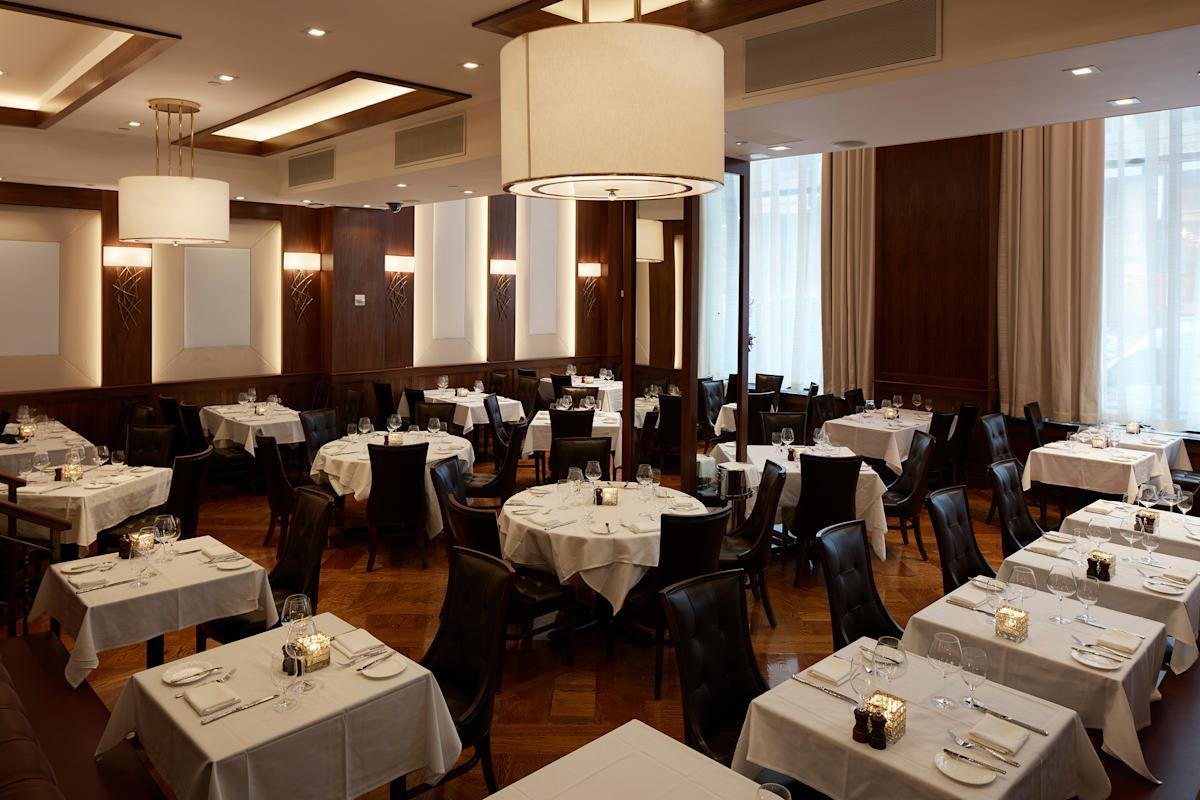
Midtown's Prime Beef Tradition and Where Benjamin Prime Sits Within It
The New York steakhouse is not a single thing. It fractures across price points, sourcing philosophies, and service registers, from the old-guard chophouses of the West Side to the quieter, more precise beef programs that have emerged in the last decade around Midtown's office and hotel corridors. East 40th Street, where Benjamin Prime operates between Madison and Park Avenue, belongs to a specific subcategory: proximity to Grand Central has historically made this stretch a reliable address for the kind of lunch or dinner where the room matters as much as the plate. That dynamic has shaped the restaurants that succeed here, pushing them toward a certain formality of service and a menu depth that can handle both the deal-closing dinner and the long Saturday table.
The American prime steakhouse model, as a format, carries a set of structural commitments that distinguish it from, say, the tasting-menu tier where Le Bernardin, Atomix, or Eleven Madison Park operate. At those addresses, the kitchen controls the sequence entirely. At a prime steakhouse, the guest assembles the meal from a la carte components, which places a different kind of pressure on sourcing: every cut stands alone, without the buffering effect of a composed tasting arc. That pressure is also, for diners who understand beef, the point.
Sourcing and the Ethics of the Midtown Beef House
Conversation around sustainability in fine-dining steakhouses has moved substantially over the past several years, and it has done so unevenly. The high-volume chophouse model, which built its identity on abundance and consistency, has been slower to engage with the sourcing questions that have reshaped fine-dining kitchens in other categories. The more interesting positions are being taken by restaurants that treat provenance as a kitchen discipline rather than a marketing footnote.
For a prime steakhouse to credibly engage with sustainability, the work happens at the supply chain level: which ranches, what grazing practices, how the animal is processed and aged, and how much of the whole animal reaches the plate rather than the waste stream. Whole-animal thinking is structurally harder in a steakhouse format than in a farm-to-table tasting menu context, because the guest-facing menu is organized around prestige cuts. The discipline required to move secondary cuts through a room that came in for a ribeye is, in practice, a meaningful editorial constraint on the kitchen.
This is the context in which farm-to-table steakhouses across the country have developed distinct identities. Blue Hill at Stone Barns in Tarrytown and Single Thread Farm in Healdsburg represent particularly integrated versions of this model, where the farm is either owned or deeply contracted and the kitchen's sourcing decisions are inseparable from the menu's structure. Smyth in Chicago and Providence in Los Angeles have approached similar questions from seafood and tasting-menu angles. The urban steakhouse, operating without a dedicated land relationship, faces a harder version of the same problem and must solve it through supplier selection and kitchen practice rather than vertical integration.
The East 40th Street Address: Neighborhood as Context
The block between Madison and Park on 40th sits within the Grand Central zone that has historically supported a tier of restaurant that serves both regular business users and occasion diners. This dual-use demand creates a room that must function differently at lunch and dinner, and on weekdays versus weekends, without feeling institutional in either mode. It is a harder design problem than it looks. The restaurants that manage it successfully tend to invest in acoustic and lighting control that allows the same space to read as professional midday and warmer at night.
The broader Midtown dining picture has become more competitive since the pandemic-era contraction cleared some of the legacy tenants in this corridor. Destination diners who might once have defaulted to established addresses near Grand Central now have more deliberate options across the city, including the newer tasting-menu programs that have drawn attention to neighborhoods outside Midtown. That shift has put pressure on Midtown steakhouses to do more than trade on location and format familiarity. The ones that hold their position tend to do so through either notable provenance storytelling or a service consistency that the tasting-menu tier, with its longer booking windows and more rigid formats, cannot replicate.
Peer Context Across the American Fine-Dining Spectrum
American restaurant category that takes sourcing and sustainability most seriously has generally been the tasting-menu and new-American tier. The French Laundry in Napa, Lazy Bear in San Francisco, Addison in San Diego, and The Inn at Little Washington have all, in different ways, made provenance central to their editorial identity. Frasca Food and Wine in Boulder has approached this through a regional Italian lens, while Emeril's in New Orleans embedded Louisiana producer relationships from an earlier era. Internationally, Atelier Moessmer Norbert Niederkofler in Brunico and Dal Pescatore in Runate demonstrate how deeply sourcing can be embedded into a restaurant's identity without it becoming the primary marketing message.
Steakhouse category sits adjacent to these conversations without always being part of them. A prime beef program at the level required to operate credibly in Midtown Manhattan implies certain supplier relationships by default, since USDA Prime represents the leading grade of domestic beef production and its distribution is concentrated among a small number of purveyors. The question of whether that supply chain maps onto sustainable ranching practices is one the category has answered inconsistently. It is also, increasingly, a question that a certain segment of the dining public asks before booking, particularly in a city where the alternative options, including the plant-forward programs at Eleven Madison Park and the seafood-led sourcing at Le Bernardin, have made ethical sourcing a visible credential.
At the far end of the price and precision spectrum, Masa and Per Se maintain positions built on sourcing discipline as much as technique. That standard has raised the implicit expectation for any New York restaurant operating at the upper tier, including steakhouses that might once have been evaluated primarily on cut quality and room atmosphere.
Planning a Visit
Benjamin Prime is located at 23 East 40th Street, between Madison and Park Avenue, within walking distance of Grand Central Terminal. Address: 23 E 40th St, New York, NY 10016. Reservations are recommended. Dress: Business casual is the standard register for the neighborhood and price tier. Timing: The Grand Central corridor tends to be most active at weekday lunch and early-week dinner; weekend evenings are typically quieter and better suited for longer meals. Budget: Expect about $85 per person.
A Pricing-First Comparison
Comparable venues nearby, for context on price, style, and recognition.
| Venue | Cuisine | Price | Notes |
|---|---|---|---|
| Benjamin PrimeThis venue — the venue you are viewing | Not listed | $$$$ | Not listed |
| CUT | Tribeca-Civic Center, Modern Steakhouse | $$$$ | Not listed |
| Christos Steak House | Not listed | $$$$ | Astoria (North)-Ditmars-Steinway, Steakhouse with Greek Influences |
| Tuscany Steakhouse | Central Park, Italian Steakhouse | $$$$ | Not listed |
| Bourbon Steak New York | Not listed | $$$$ | Central Park, Polished American Steakhouse |
| STK Downtown | West Village, Modern Steakhouse | $$$$ | Not listed |
Continue exploring
More in New York City
Restaurants in New York City
Browse all →
Bars in New York City
Browse all →
Hotels in New York City
Browse all →





At a Glance
- Elegant
- Modern
- Sophisticated
- Business Dinner
- Date Night
- Special Occasion
- Group Dining
- Private Dining
- Open Kitchen
- Wine Cellar
- Extensive Wine List
- Beer Program
Current opening hours
- Monday
- 11:30 AM–10:30 PM
- Tuesday
- 11:30 AM–10:30 PM
- Wednesday
- 11:30 AM–10:30 PM
- Thursday
- 11:30 AM–10:30 PM
- Friday
- 11:30 AM–10:30 PM
- Saturday
- 4–10:30 PM
- Sunday
- Closed
Hours can change for holidays and private events. Last verified .
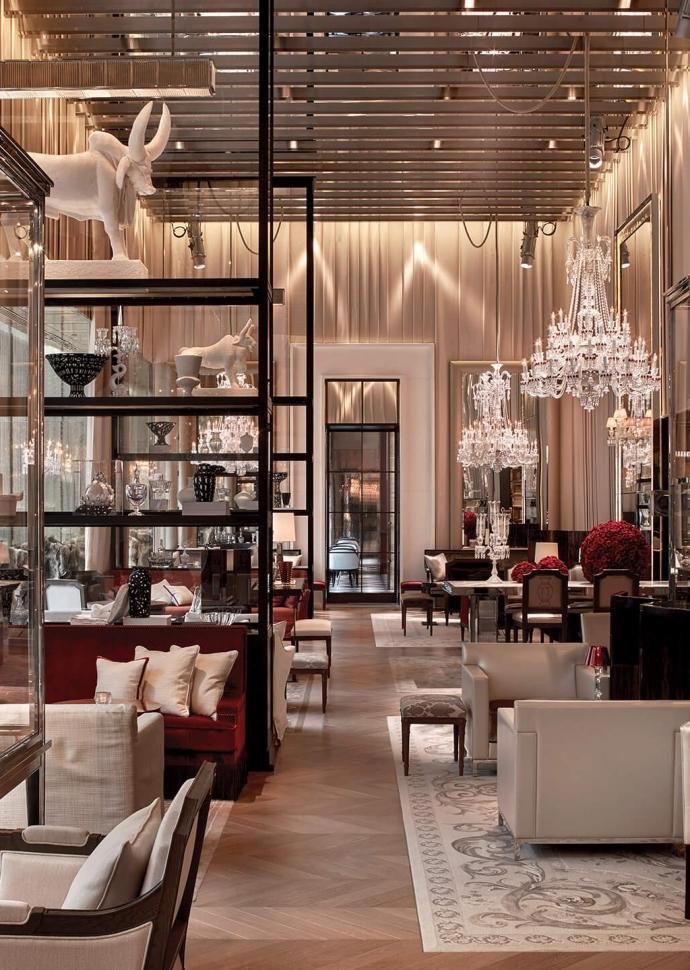
Contemporary elegance combined with traditional steakhouse classics, featuring classic décor accented by modern touches throughout the 10,000 square foot space with an expansive main dining room.